Orthopedic implant specifications can look precise on paper, yet small differences may affect fit, handling, and performance. A few tenths of a millimeter can matter when matching a component to the intended anatomy. So can material choice, surface finish, and compatibility with associated instruments. What technical parameters are most important when purchasing orthopedic implants? The answer depends on the procedure, patient needs, and the clinical team’s requirements.
This guide presents seven practical tips for reviewing specifications before making a purchasing decision. It considers dimensions and tolerances, material composition, mechanical properties, fatigue data, and corrosion resistance. It also highlights packaging, sterilization information, traceability, and documentation. These details help buyers compare products consistently and identify questions that deserve clarification. For example, a stated strength value means little without its test method and conditions.
Specifications do not replace clinical judgment or a careful review of the manufacturer’s instructions. Teams should confirm that products meet applicable quality requirements and suit their intended use. They should also check whether claims are supported by clear, relevant evidence. Not every detail will be easy to compare. That is worth admitting. A polished data sheet may still leave gaps, while a less familiar product may provide useful supporting documentation. These tips offer a structured starting point, not a substitute for professional assessment.
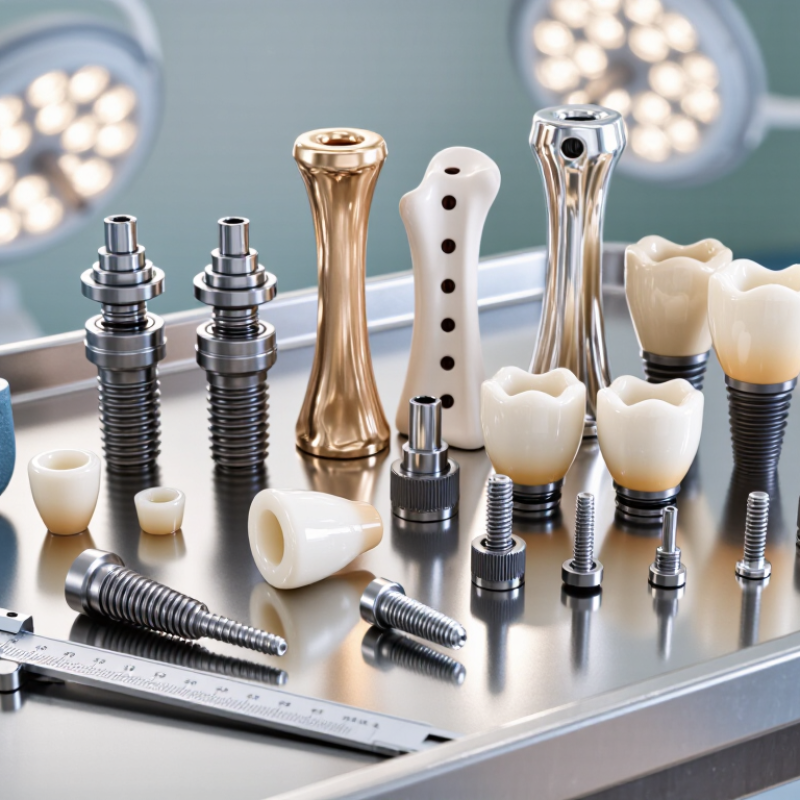
Defining the clinical need starts with the problem the implant must address. Is the goal to stabilize a fracture, replace a joint surface, or restore alignment? These aims lead to different requirements for strength, fixation, and movement. Be specific. “Support the joint” is not enough.
Anatomy narrows the options. Review relevant imaging for bone dimensions, deformity, and the location of healthy fixation points. Consider bone quality, too. A narrow canal or fragile bone may change which dimensions and fixation features are suitable. Measure carefully, but do not treat measurements as the whole story. Anatomy can look different during surgery, and patient movement may reveal constraints that images cannot show.
Clinical context matters as well. Age, activity level, tissue condition, and the planned surgical approach can affect what specifications deserve attention. Check that the implant’s dimensions and intended use match the patient’s anatomy and the surgeon’s plan. Small differences matter. A few millimeters may affect fit or alignment. Document the reasons behind key requirements, and ask what evidence supports them. There is rarely a perfect specification; trade-offs should be explicit, not hidden in a product table.
7 Tips for Evaluating Orthopedic Implant Specifications
Examine Implant Materials, Design, and Biocompatibility
A material name alone tells you little. Compare the specified alloy or polymer grade, its applicable ASTM or ISO standard, and the exact implant component. For example, titanium alloys, cobalt-chromium alloys, and ultra-high-molecular-weight polyethylene behave differently under load. Small details matter. Review surface finish, porous coatings, and modular junctions, where micromotion may contribute to wear or corrosion. Ask whether test evidence matches the finished device, not merely the raw material. ISO 10993-1 calls for biological evaluation based on the device’s nature and duration of body contact; a generic “biocompatible” claim is not enough.
Design choices also shape clinical performance. The National Joint Registry’s 2024 Annual Report draws on more than four million joint replacement records, offering a broad view of real-world implant use and outcomes. Yet registry data cannot, by itself, prove that a material caused a particular result; patient factors, fixation, and surgical technique also matter. Check whether the specification identifies wear testing, corrosion assessment, and relevant fatigue testing for the intended use. Look for clear limits, test methods, and device-specific evidence. One gap is easy to miss: a coating or sterilization step can alter the final surface, so assess the complete, finished implant rather than isolated material samples.
Elastic modulus indicates material stiffness. A closer match to bone may help reduce stiffness mismatch, but implant selection also requires evaluating strength, fatigue resistance, wear, corrosion, and biocompatibility. Values are representative room-temperature ranges; exact values vary by grade, processing, and test method.
Mechanical performance claims are useful only when the test setup resembles the implant’s intended use. Check whether reports identify the exact component, material, dimensions, and assembly tested. Small design changes can alter load paths. Look for static strength, fatigue, and, where relevant, torsion or insertion testing. Note the applied loads, cycle count, fixture, and failure definition; “passed” alone tells little. A useful report includes sample numbers and variability, not just the best result. Check whether testing used a worst-case configuration, such as the smallest size or longest lever arm. Realistic details matter.
Evidence should also be traceable. Match each claim to a dated protocol and report, then check whether acceptance limits were set before testing. Verify equipment calibration, test conditions, and any deviations. Some tests use simplified bone blocks or ideal alignment. Treat their relevance cautiously; actual anatomy and surgical technique vary. Compare results only when methods and endpoints are similar. A higher load number is not automatically better. Ask whether failures were abrupt, progressive, or linked to a specific interface. Missing data deserves a question, not an assumption. Even detailed testing cannot predict every patient outcome, and that boundary is easy to overlook.
An orthopedic implant specification should point to evidence, not just list impressive standards. Check the standard number, edition, and the exact component it covers. A test report for one alloy or screw design may not support every item in a product family. Check the scope. If a certificate uses broad language, ask which model and intended use it applies to.
Regulatory status depends on the destination market. Confirm the exact device and manufacturer in the relevant official database, then compare its listed intended use with the specification. A registration or authorization is not proof that every performance claim is independently verified. Paperwork can mislead. Dates, model names, and document versions should agree; small mismatches deserve a question, not an assumption.
Traceability should connect the implant in its sealed package to its records. Look for a unique device identifier, lot or serial number, material details, and sterilization information where applicable. Match the package label to the purchase and receiving documents. A missing lot number can slow an investigation or make a recall harder to manage. No checklist catches every mismatch, and some supplier documents may be incomplete. Record what could not be verified, and request clarification before accepting the specification as complete.
A specification sheet is only useful when it fits the patient and the operating room. Check component size ranges, fixation method, bearing options, and compatibility with the planned surgical approach. Confirm that instruments are available and that the team can use them without changing established workflows. Small mismatches matter. A tray that adds setup steps can affect operating-room time, though local performance should be measured rather than assumed.
Longevity figures need context. A 2019 Lancet systematic review by Evans and colleagues estimated that 58.4% of total hip replacements lasted 25 years, based on national registry data. That is a population estimate, not a promise for an individual implant. The American Joint Replacement Registry’s annual reports provide revision data that can help compare constructs, but patient age, diagnosis, and follow-up period shape those results. Compare like with like. Total cost should include the implant, instrumentation, sterilization, inventory, procedure time, and potential revision care—not just the purchase price. This calculation is imperfect: local staffing and purchasing agreements can shift the result. Still, a clear, documented comparison is better than choosing by unit cost alone.
State the specific goal, such as stabilizing a fracture or restoring alignment. “Support the joint” is too vague.
Review imaging for bone dimensions, deformity, bone quality, and healthy fixation points. A narrow canal can change suitable dimensions.
No. Anatomy may look different during surgery, and movement can reveal limits images miss. Measurements help, but they are not the whole story.
Check test reports for the component, material, dimensions, loads, cycle count, and failure definition. “Passed” alone tells little.
Compare tests with similar methods and endpoints. Check sample numbers, variability, calibration, and whether testing used a worst-case configuration.
Confirm size options, fixation method, bearing choices, and fit with the planned approach. Make sure instruments are available and the team can use them.
No. Population estimates provide context, not a personal guarantee. Age, diagnosis, and follow-up time affect comparisons.
Include the implant, instruments, sterilization, inventory, procedure time, and possible revision care. Local staffing can shift the calculation; it is imperfect.
Evaluating orthopedic implant specifications begins with the clinical need and the patient’s anatomy, since implant dimensions, configuration, and intended use should suit the procedure and individual requirements. What technical parameters are most important when purchasing orthopedic implants? Key considerations include the material and its biocompatibility, design features, mechanical strength, wear resistance, and evidence from relevant performance testing. These details help clarify whether an implant is appropriate for its intended application.
A thorough assessment also considers applicable quality standards, regulatory status, and traceability documentation. Confirm that the implant is compatible with the planned surgical approach and instruments, and review information about expected longevity, maintenance, and potential limitations. Comparing the total cost—not just the initial purchase price—can support a more informed decision by accounting for durability, surgical compatibility, and overall value.

Voila Orthopedic Implants