Engineered to treat unstable long-bone fractures under demanding trauma scenarios. Designed for rigid internal fixation, optimal load sharing, and rapid functional restoration.
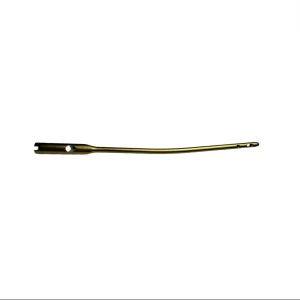
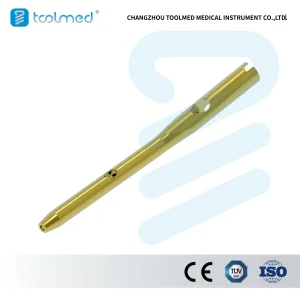
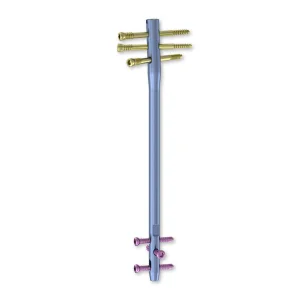
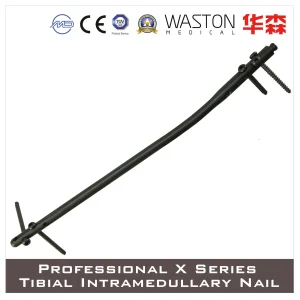
In South Sudan's Upper Nile region, particularly centered around the hub of Malakal, healthcare systems run concurrently with humanitarian response, emergency medicine, and regional recovery. Orthopedic trauma represents a highly critical clinical challenge. Due to localized challenges, including undeveloped road infrastructure, high incidences of compound fractures arising from transport incidents, agricultural work, and chronic structural shifts, local clinics require implants that can withstand long transport lags and varied post-operative recovery support.
Clinical centers such as Malakal Teaching Hospital and medical setups managed by international humanitarian agencies depend heavily on reliable, foreign-sourced medical supplies. Operating in these environments demands implants that minimize infection potential, possess clear mechanical configurations to simplify surgeries under constrained resource conditions, and ensure high survival rates without early mechanical failures.
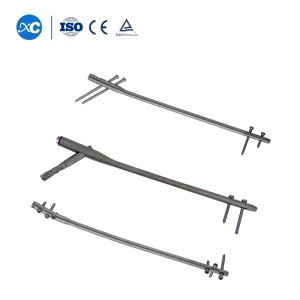
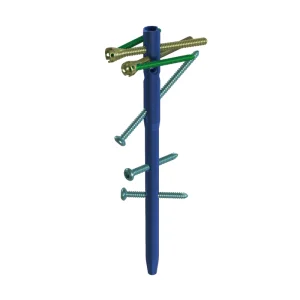
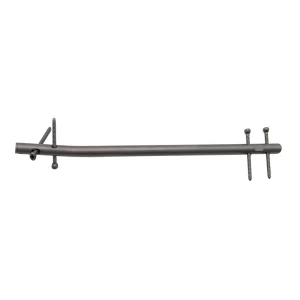
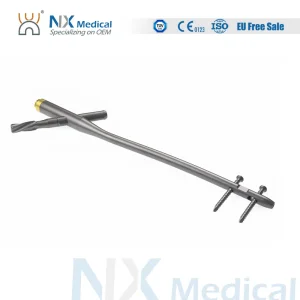
Intramedullary (IM) nails are recognized worldwide as the gold standard for treatment of long bone diaphyseal fractures. From a biomechanical perspective, they function as load-sharing devices rather than load-bearing ones. Placing the nail inside the medullary canal positions it closer to the neutral axis of the bone, decreasing bending stresses and reducing the risk of fatigue failures compared to plating systems.
We fabricate our IM nails using Grade 5 Titanium Alloy (Ti-6Al-4V ELI) and Medical Grade 316L Stainless Steel. Titanium implants offer an elastic modulus closer to cortical bone, significantly minimizing the risk of "stress shielding" and subsequent bone resorption. Additionally, titanium's exceptional biocompatibility is driven by its self-passivating titanium oxide (TiO2) layer, reducing tissue reaction and local infection rates in open trauma cases common in Malakal.
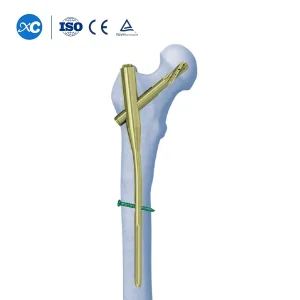
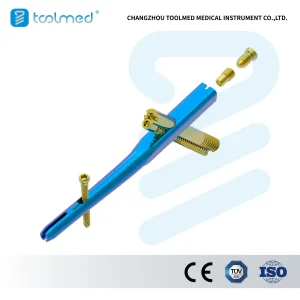
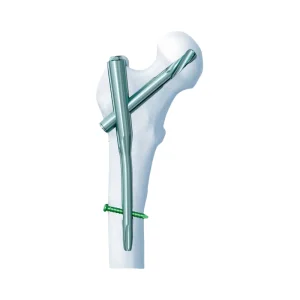
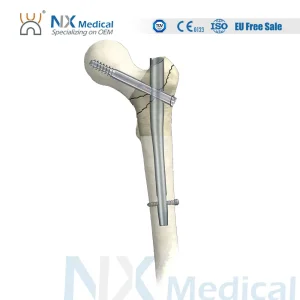
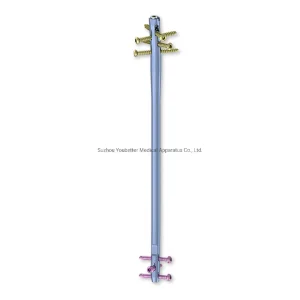
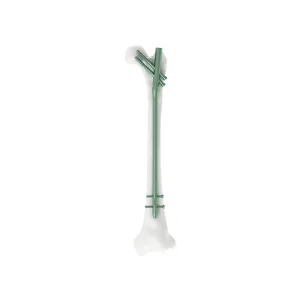
Our femoral and tibial nail designs incorporate precise anatomical bends (such as the Herzog bend in tibial nails and specific anterior curvatures for femoral variants) to ease insertion and minimize stress points at the entry portal. For proximal femur fractures, our Proximal Femur Nail Anti-rotation (PFNA) systems feature helical blades that compress the cancellous bone. This design delivers superior resistance to cut-out compared to traditional dual-screw configurations, which is vital for patients with low bone density.
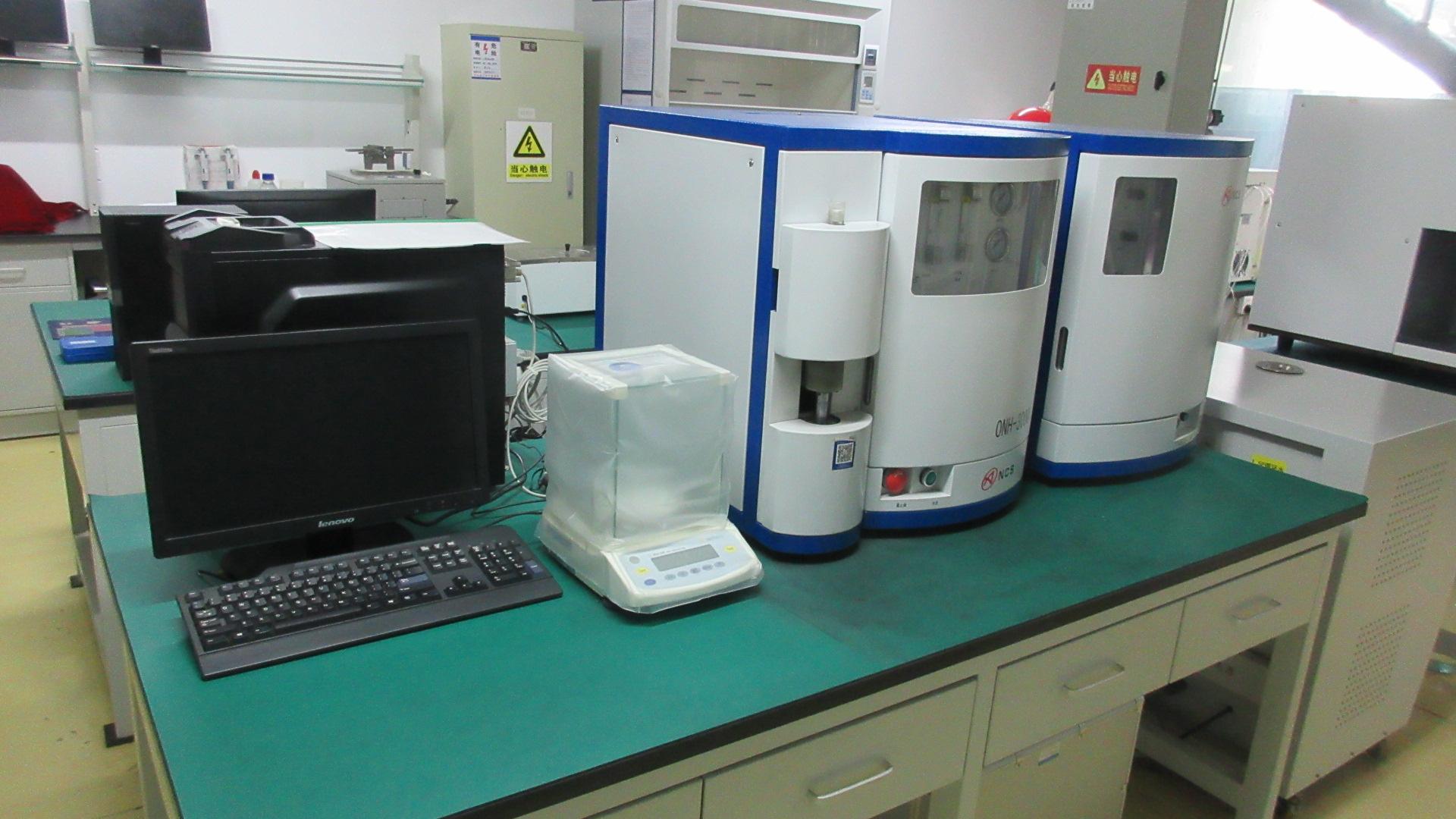
Unlike competitors who compromise material quality to reduce pricing, we strictly prioritize human life and clinical success. Our R&D division employs highly qualified engineers who collaborate with orthopedic surgeons globally to iterate designs based on actual clinical feedback. We start quality control from the raw material stage, tracking each batch from origin to final packaging.
"We are most reputed manufacturers/exporters of Orthopedic Implants and Instruments & Star Export House company certified by Government. We are exporting to more than 80 countries worldwide & pride ourselves on Superior Quality and Competitive Pricing, and we operate under a quality system that complies with ISO 9001:2015, EN ISO 13485:2016, CE & WHO: GMP Compliance. Many reputed companies in Europe and USA regularly buy from us."
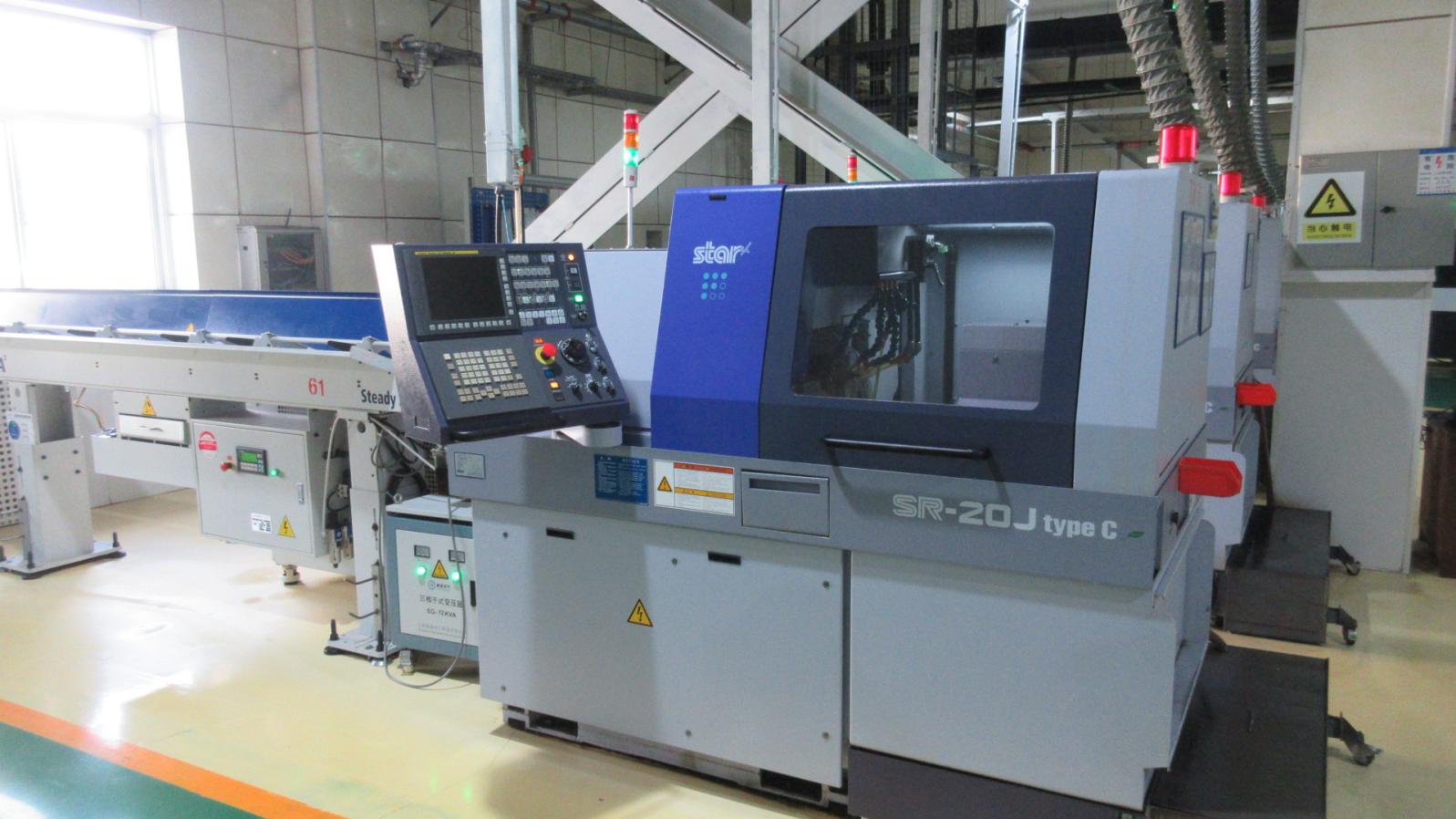
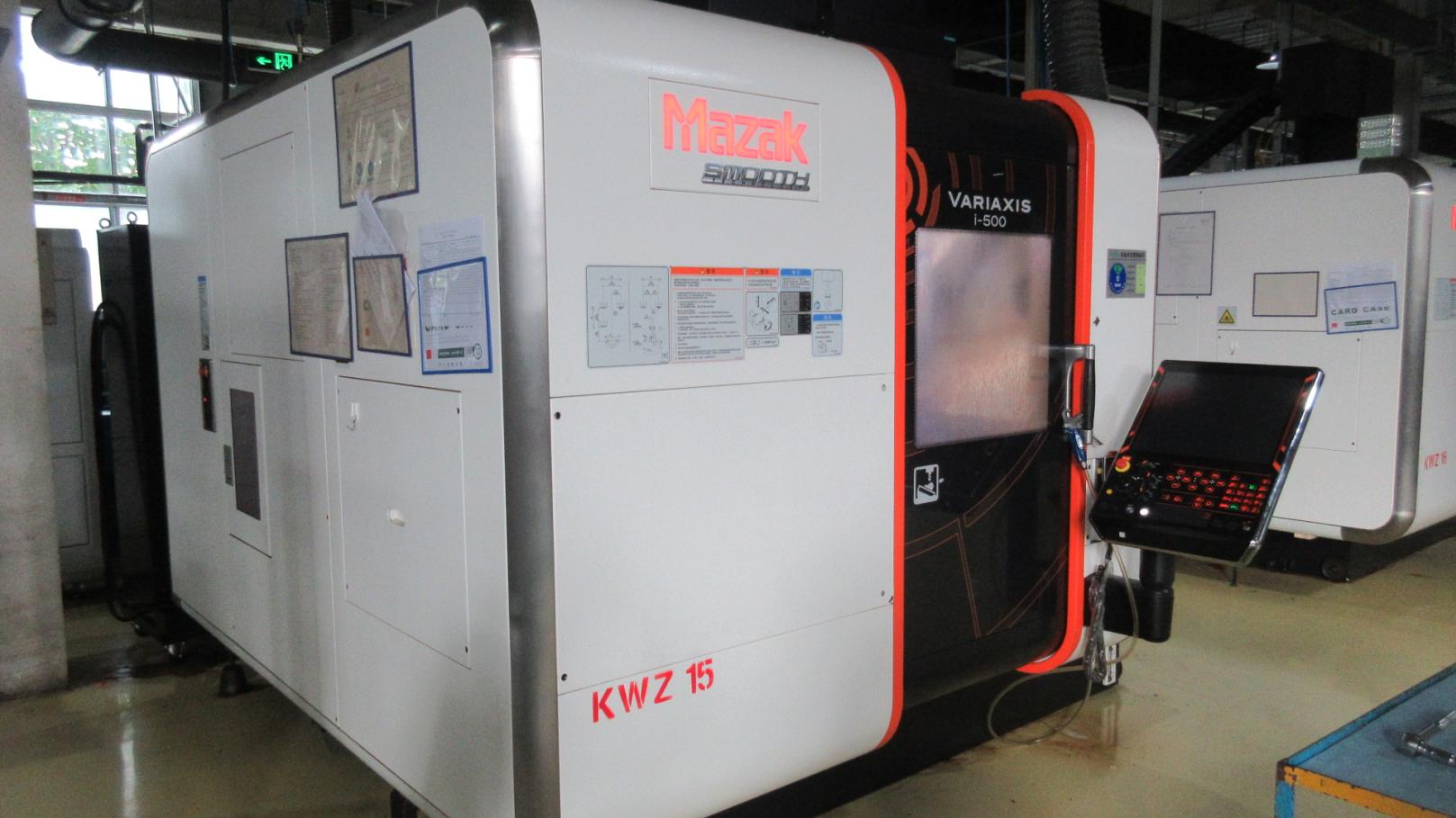
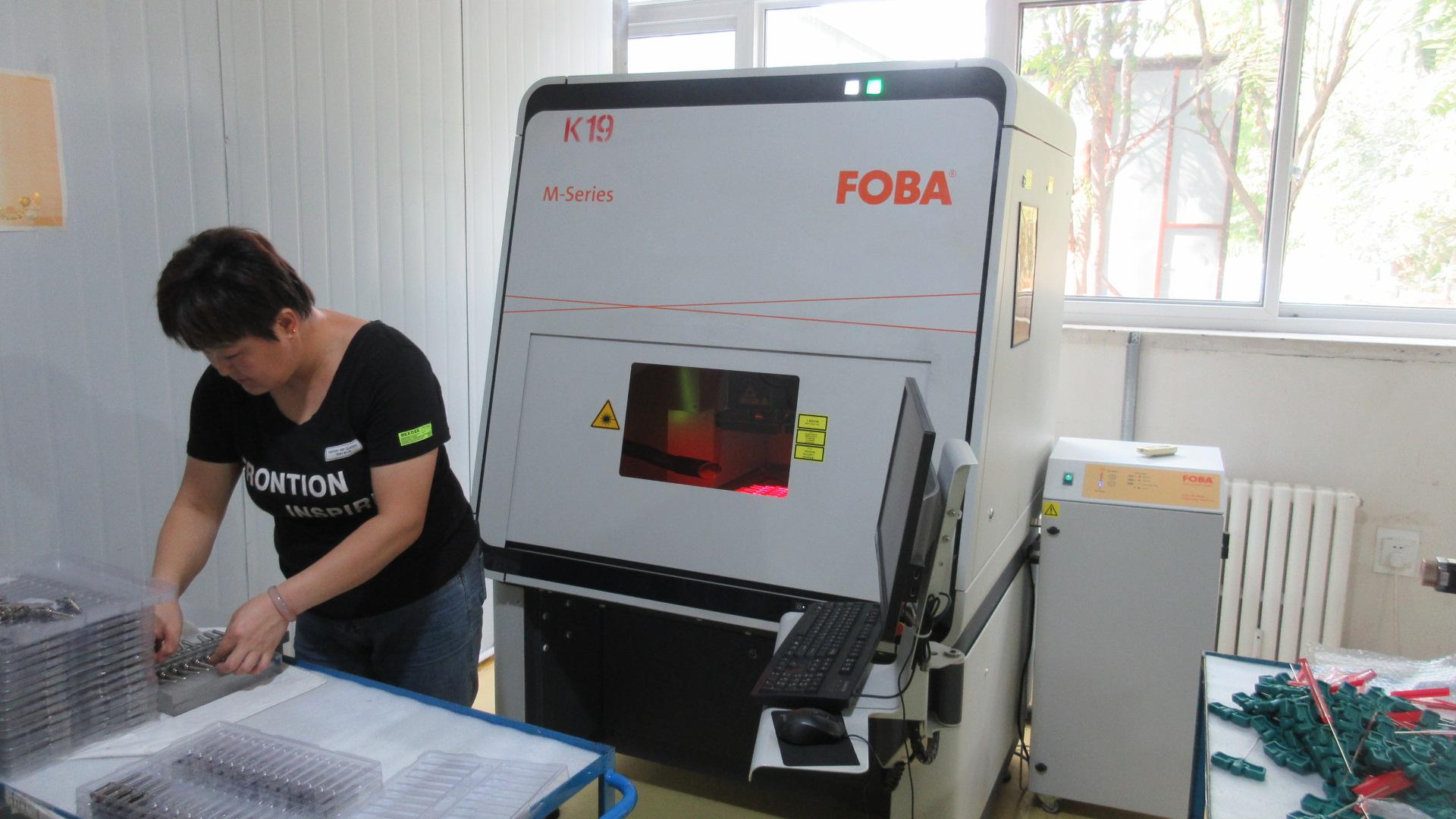
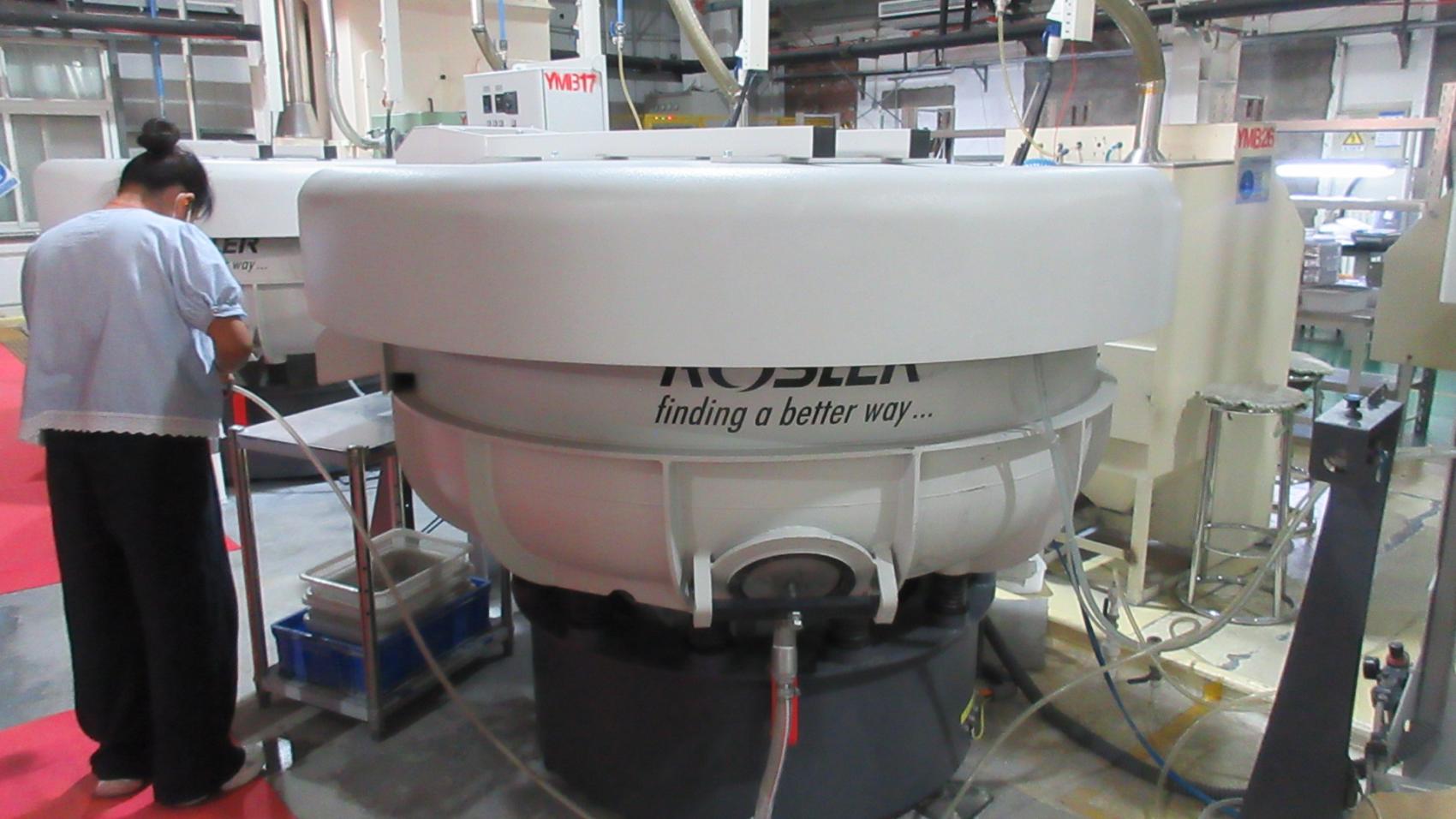
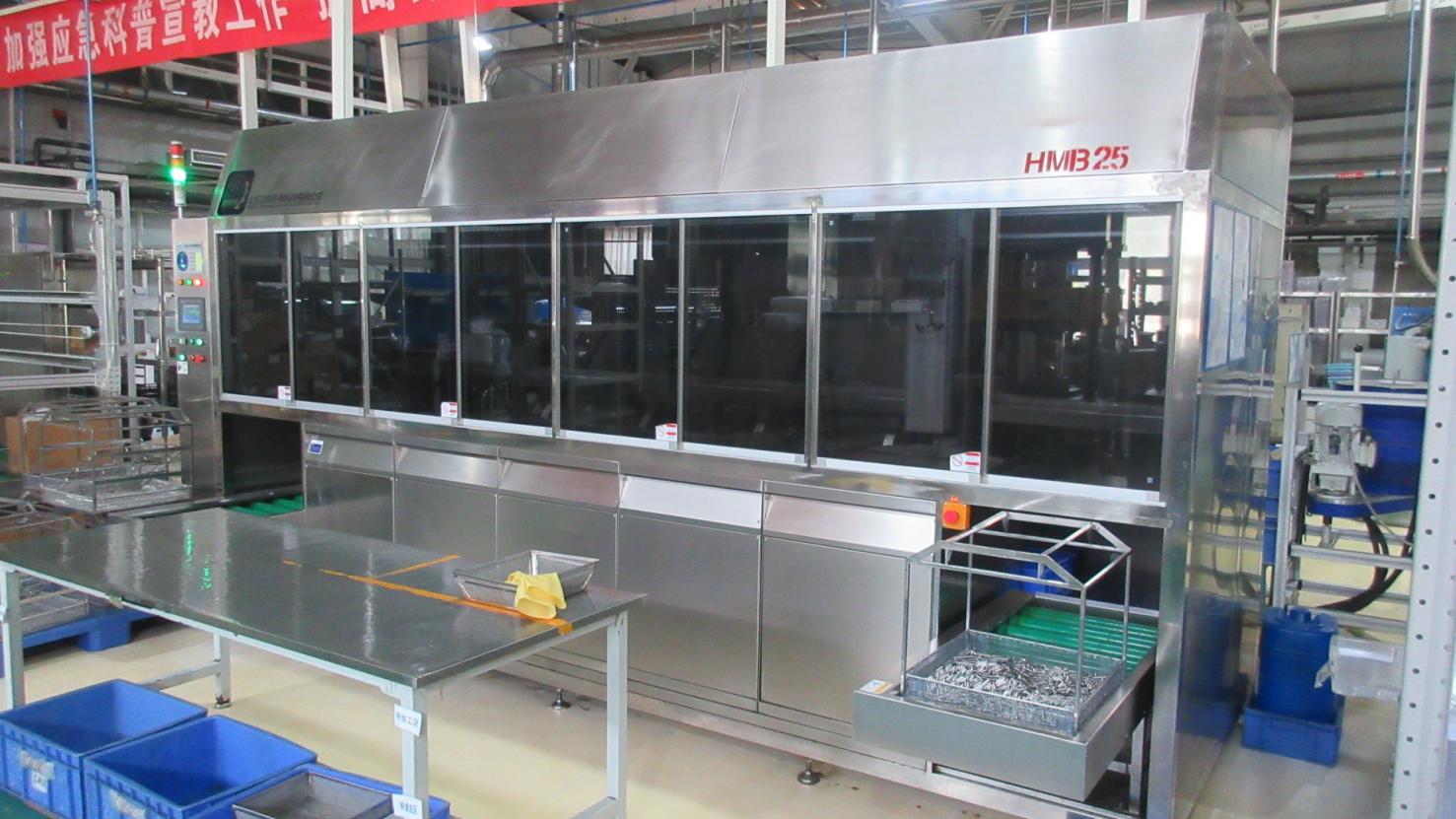
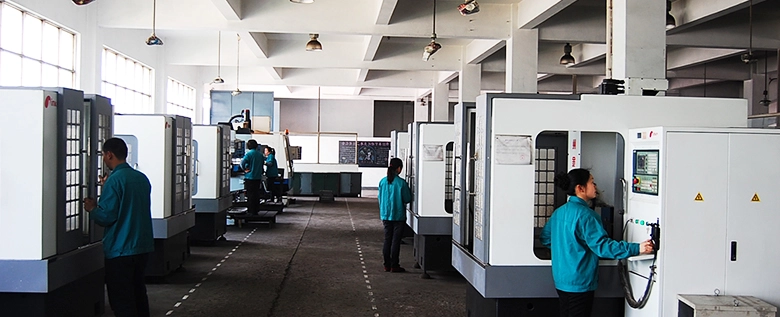
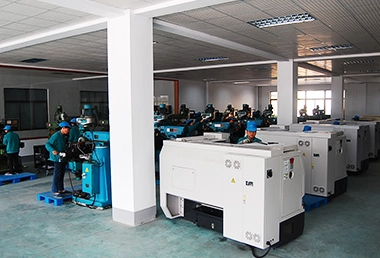
Our state-of-the-art Chinese manufacturing facilities feature advanced automated slitting, high-precision CNC lathe machining, laser engraving for complete batch traceability, and ultrasonic cleaning lines to ensure the absence of organic residues before packaging.
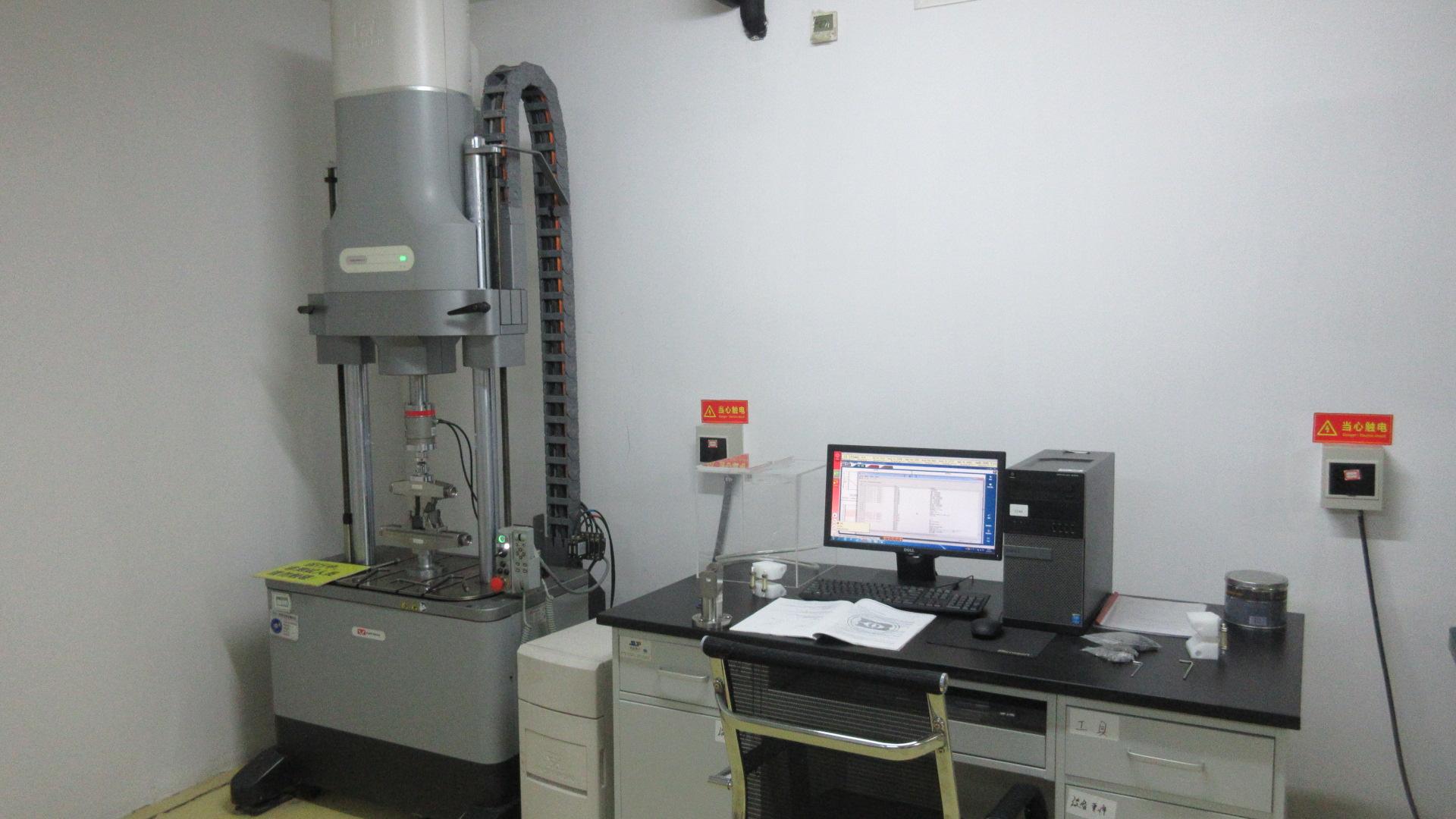
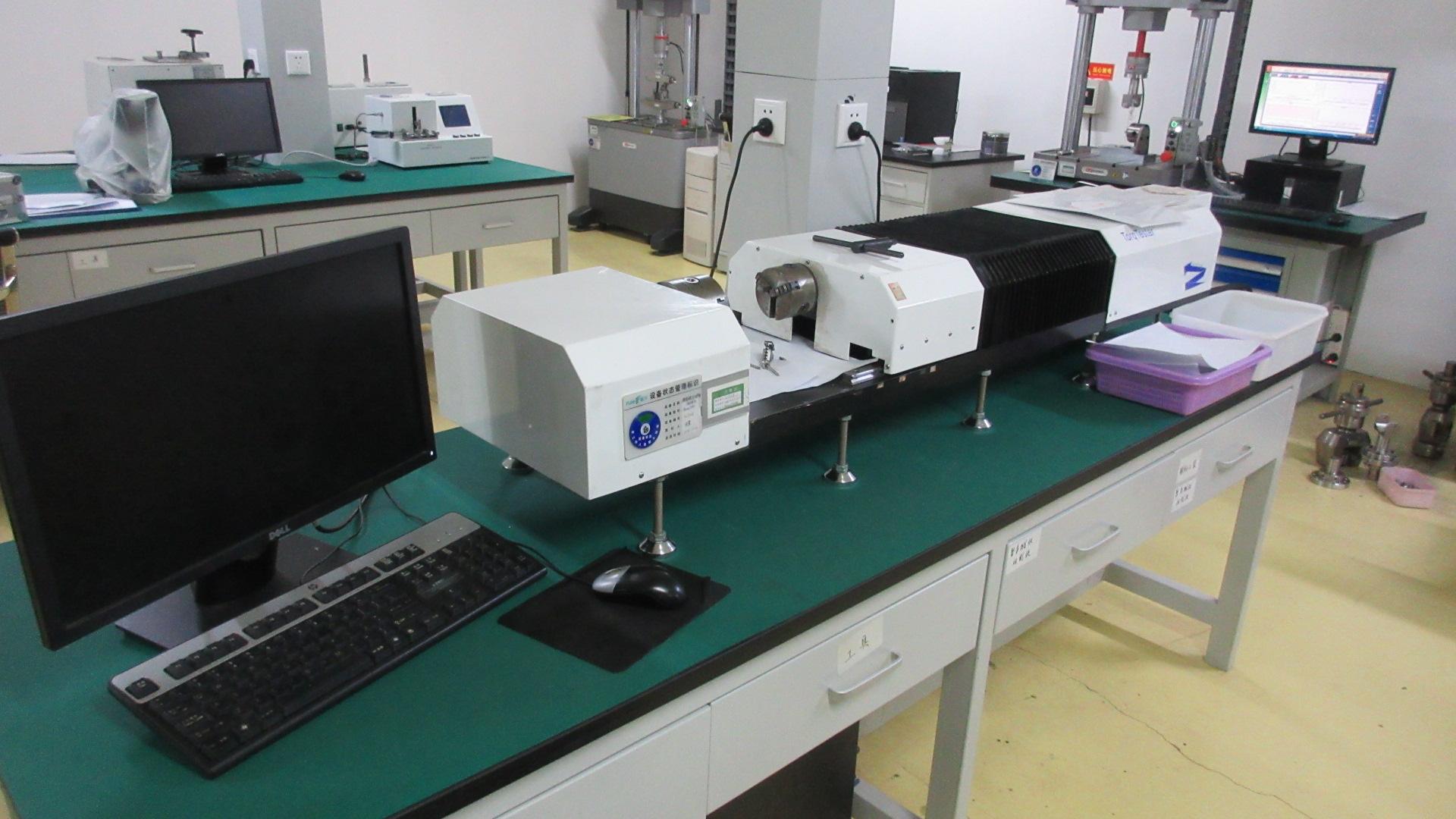
Every intramedullary system undergoes strict mechanical testing to assure surgeons of intraoperative reliability and patient safety.
In South Sudan's procurement landscape, balancing financial constraints with reliable quality is essential. By utilizing direct factory supply lines, medical purchasers in Malakal bypass multiple intermediary markups. This ensures that clinical institutions receive premium implants without compromising on regulatory certifications or raw material integrity.
Transporting medical shipments to Malakal can involve complex transit routes. Our logistics teams coordinate secure packaging to maintain sterile barriers during long transits. We supply robust protective cases for complete instrumentation kits, ensuring that alignment guides, distal targeting devices, and reamers arrive in correct calibration.
Every shipment we send is accompanied by comprehensive documentation, including Raw Material Certifications, Certificate of Conformity (CoC), ISO 13485 compliance details, and CE mark details. This documentation facilitates customs clearance and satisfies requirements for procurement tenders managed by ministries of health or non-governmental humanitarian programs.
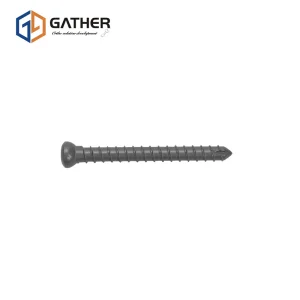
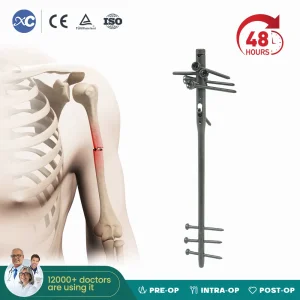
Complete list of implants and stabilization devices available for direct global export and delivery to hospitals across South Sudan.
For medical distributors, hospital boards, or international procurement agencies looking to source certified intramedullary nails for Malakal and wider East African clinical hubs.
Send Inquiry Now Voila Orthopedic Implants