Precision-engineered stabilization assemblies for immediate surgical application in pelvic, femoral, and distal limb reconstructions.
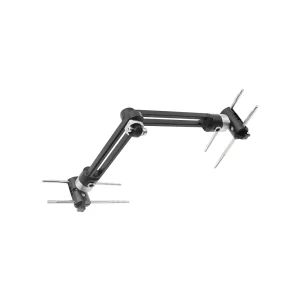
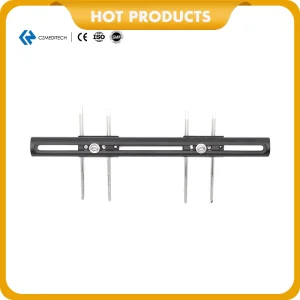
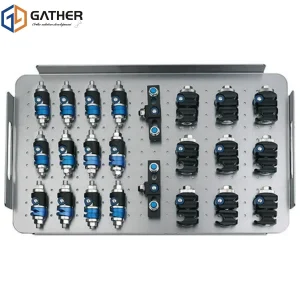
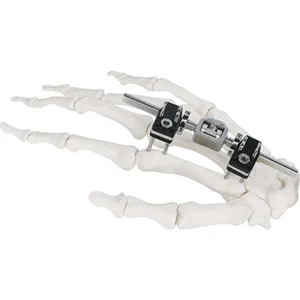
Analyzing Antwerp's trauma surgical demands, macro-industrial logistics, and clinical workflows for bone osteosynthesis.
Antwerp is not only the economic heartbeat of Belgium's Flanders region, but it is also one of Europe’s most critical logistics hubs. Anchored by the Port of Antwerp-Bruges, the region hosts heavy industrial, maritime, and chemical manufacturing sectors. Consequently, this industrial density correlates with a persistent statistical rate of high-energy, complex polytraumas—including crushed extremities, open segmental long bone fractures, and pelvic disruptions. Leading regional medical networks, such as the Antwerp University Hospital (UZA), ZNA Middelheim, and the GZA Ziekenhuizen, manage highly sophisticated emergency orthopedic units that require rapid, biomechanically superior external fixation systems to treat unstable fractures and prevent secondary soft-tissue necrosis.
For orthopedic surgeons operating within the Antwerp healthcare infrastructure, the clinical choice of a unilateral linear external fixator is determined by three variables: rapid deployment capability, modular biomechanical stiffness, and absolute compatibility with post-stabilization diagnostics (such as radiolucency under CT or MRI). Our production facility supplies a comprehensive portfolio of linear and hybrid systems engineered specifically to meet these demanding clinical criteria. Through direct partnership, Antwerp suppliers and hospital procurement officers can access medical-grade titanium and carbon fiber fixators that comply with rigorous European Medical Device Regulations (EU MDR 2017/745).
Operating through Antwerp's logistics channels allows our distribution partners to benefit from rapid supply chains. By establishing localized inventory buffers in Flanders, we guarantee 48-hour delivery windows for emergency trauma kits, surgical instrumentation trays, and modular structural parts directly to hospital sterile supply departments (CSSD).
We work in tandem with trauma surgeons to optimize the mechanical properties of our unilateral frames. Feedback loops ensure that our pin-to-rod coupling mechanisms, pin-tube clamps, and carbon fiber rod structures provide high stability under load while remaining lightweight enough to support early mobilization protocols.
The physics of bone healing: How our manufacturing processes control axial, bending, and torsional stability.
Modern osteosynthesis relies on controlling micromotion at the fracture site to stimulate callogenesis. Unilateral external fixators must balance rigidity and dynamic strain. If a construct is too rigid, it causes stress shielding and delays healing; if it is too flexible, it leads to non-union and mechanical failure. Our linear systems are engineered with variable stiffness parameters that allow surgeons to dynamically axialize the frame during the rehabilitation cycle.
Our raw material selection complies with strict international medical standards. We use medical-grade titanium alloy (Ti-6Al-4V ELI) and carbon fiber composite materials to manufacture rods and pin-holding clamps. The carbon fiber elements provide complete radiolucency, allowing clear postoperative assessment of bone regeneration without metal artifacts. The mechanical interface of our clamp locking mechanism is tested to withstand continuous cyclical torque without slipping, ensuring the frame remains secure during long-term bone healing.
A glimpse inside our production facility where raw medical-grade metals are transformed into life-saving trauma devices.
Quality control at our facility begins at the raw material stage. We operate an advanced R&D laboratory and apply strict inspection protocols at every step of production. This complete vertical integration allows us to guarantee the mechanical integrity of every component that enters the operating room.
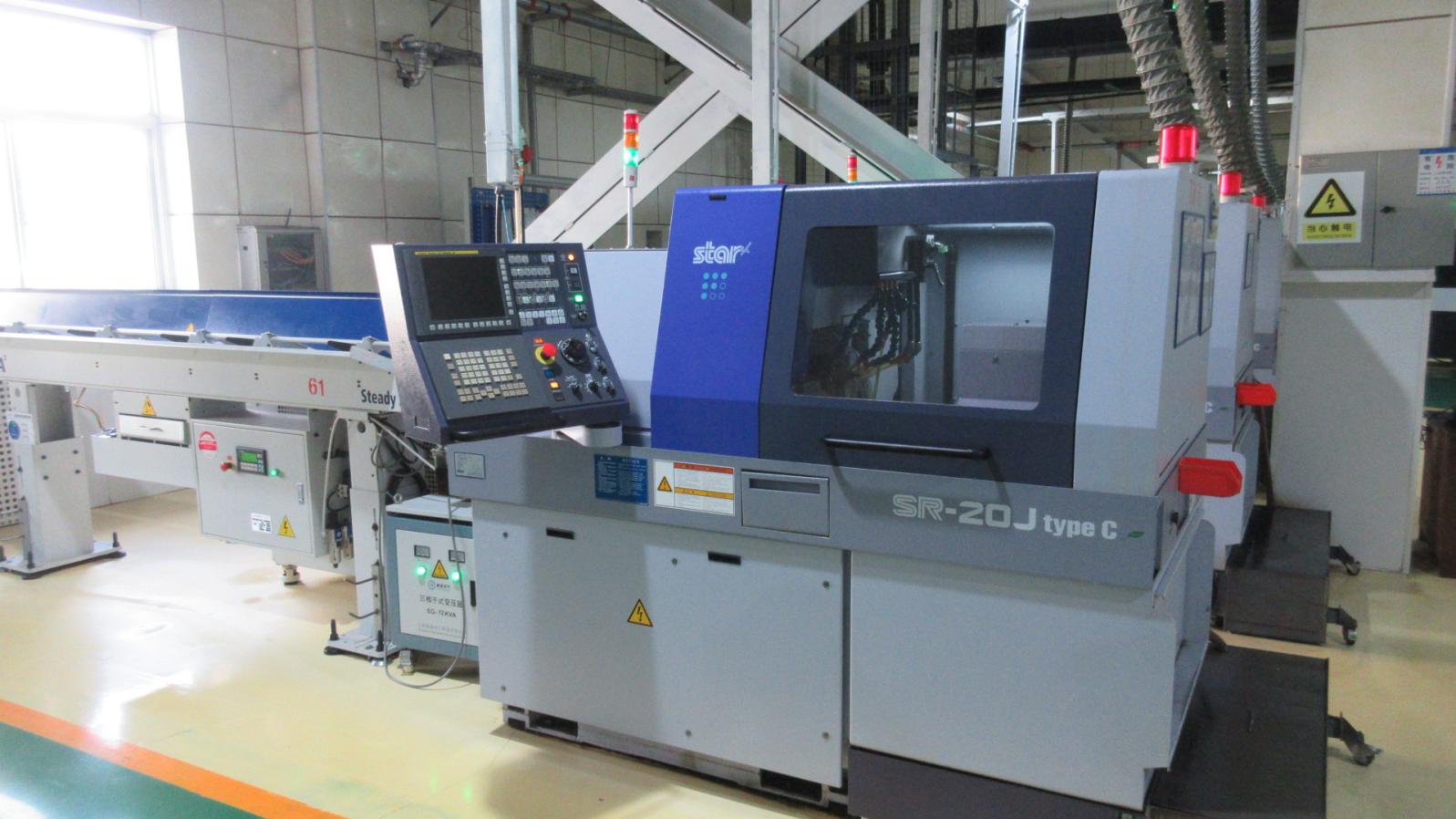
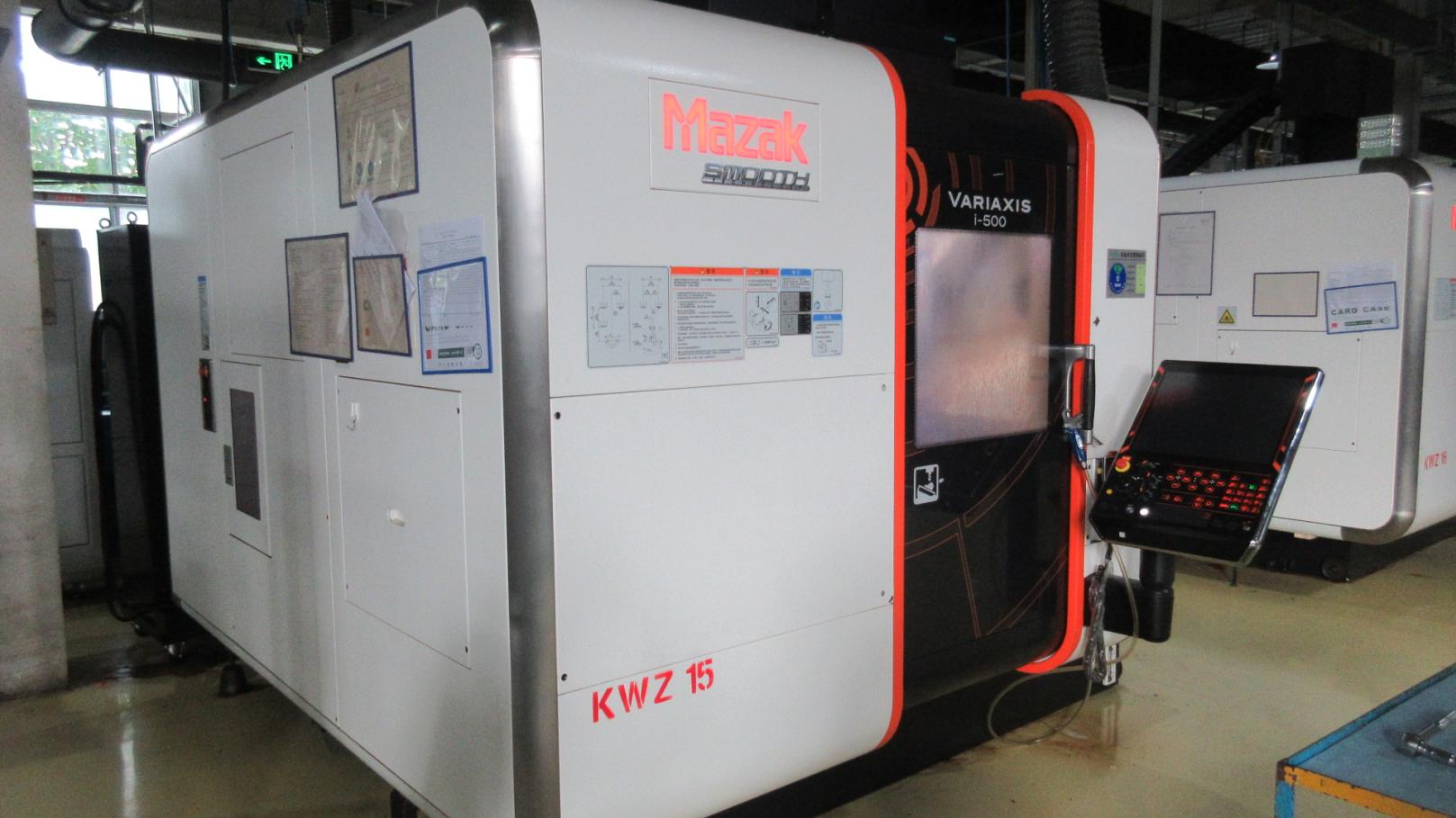
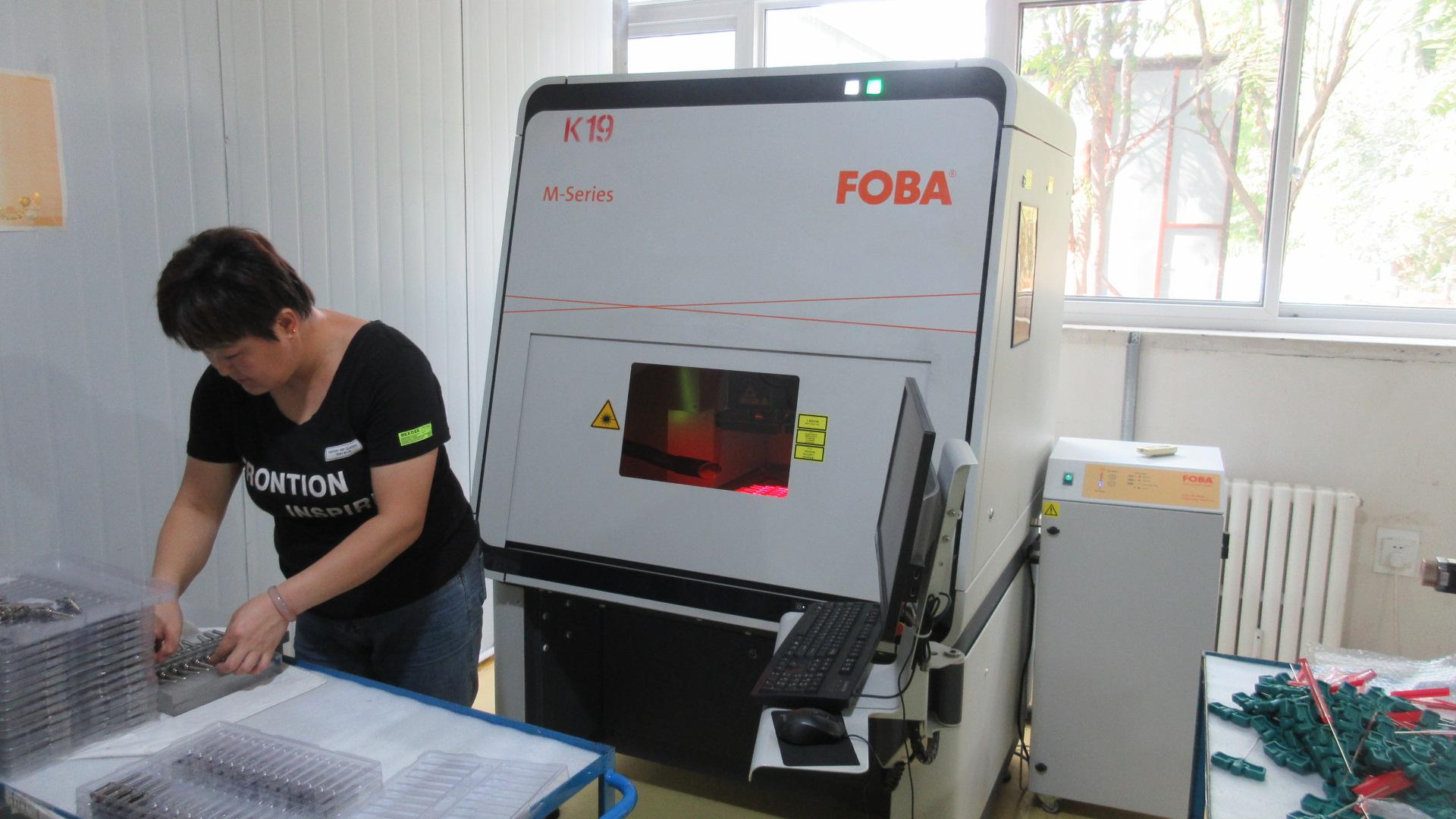
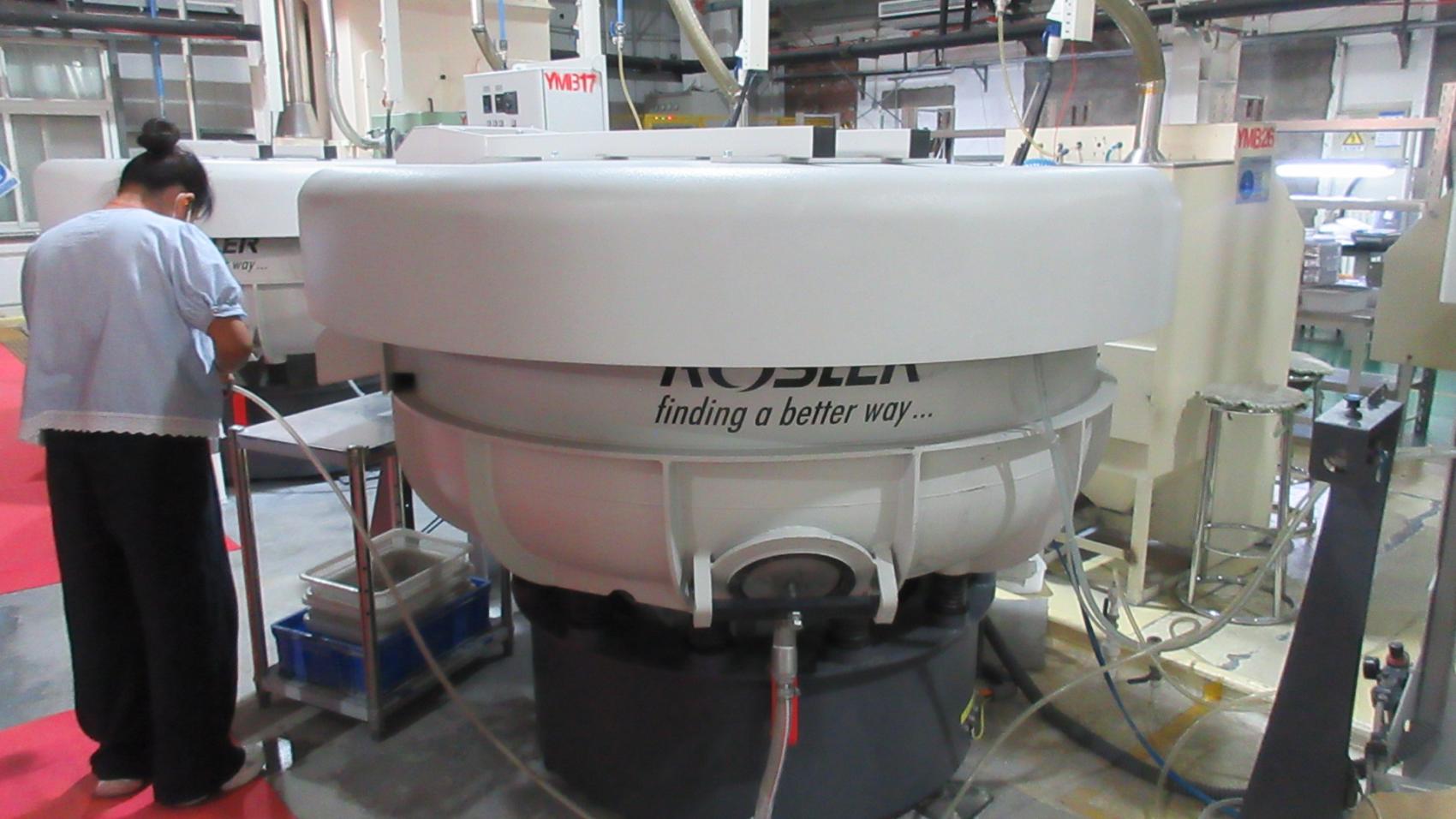
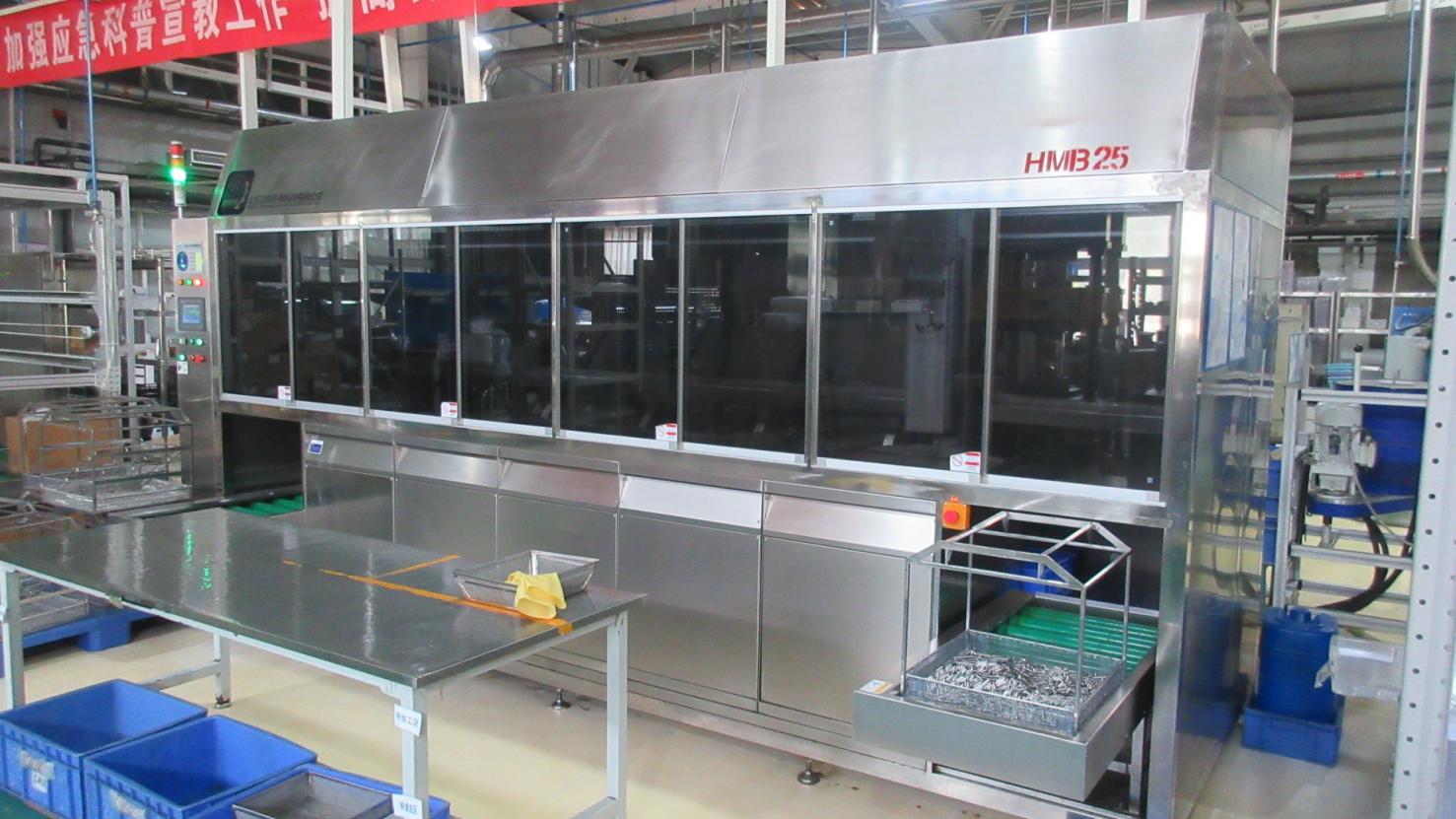
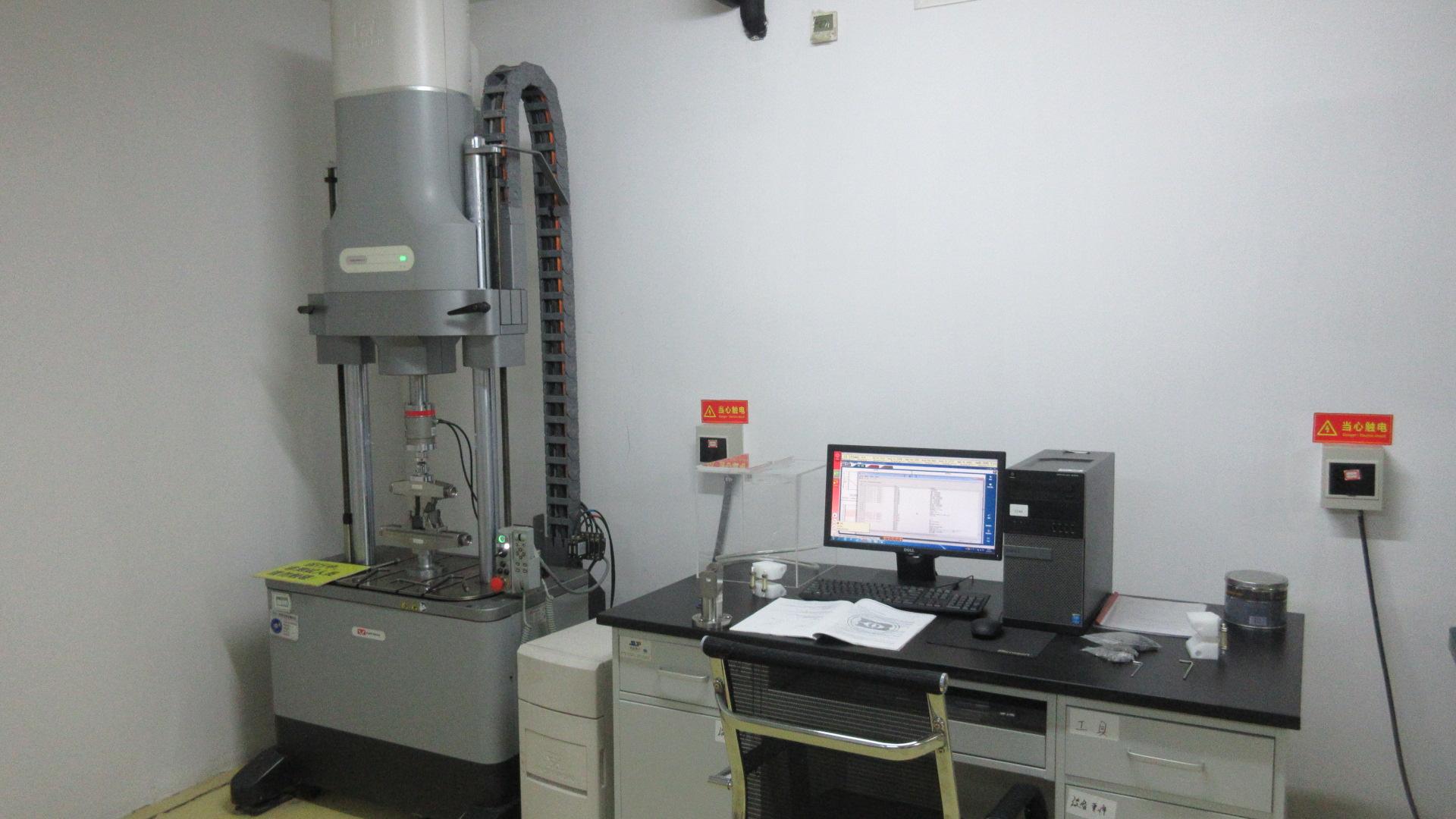
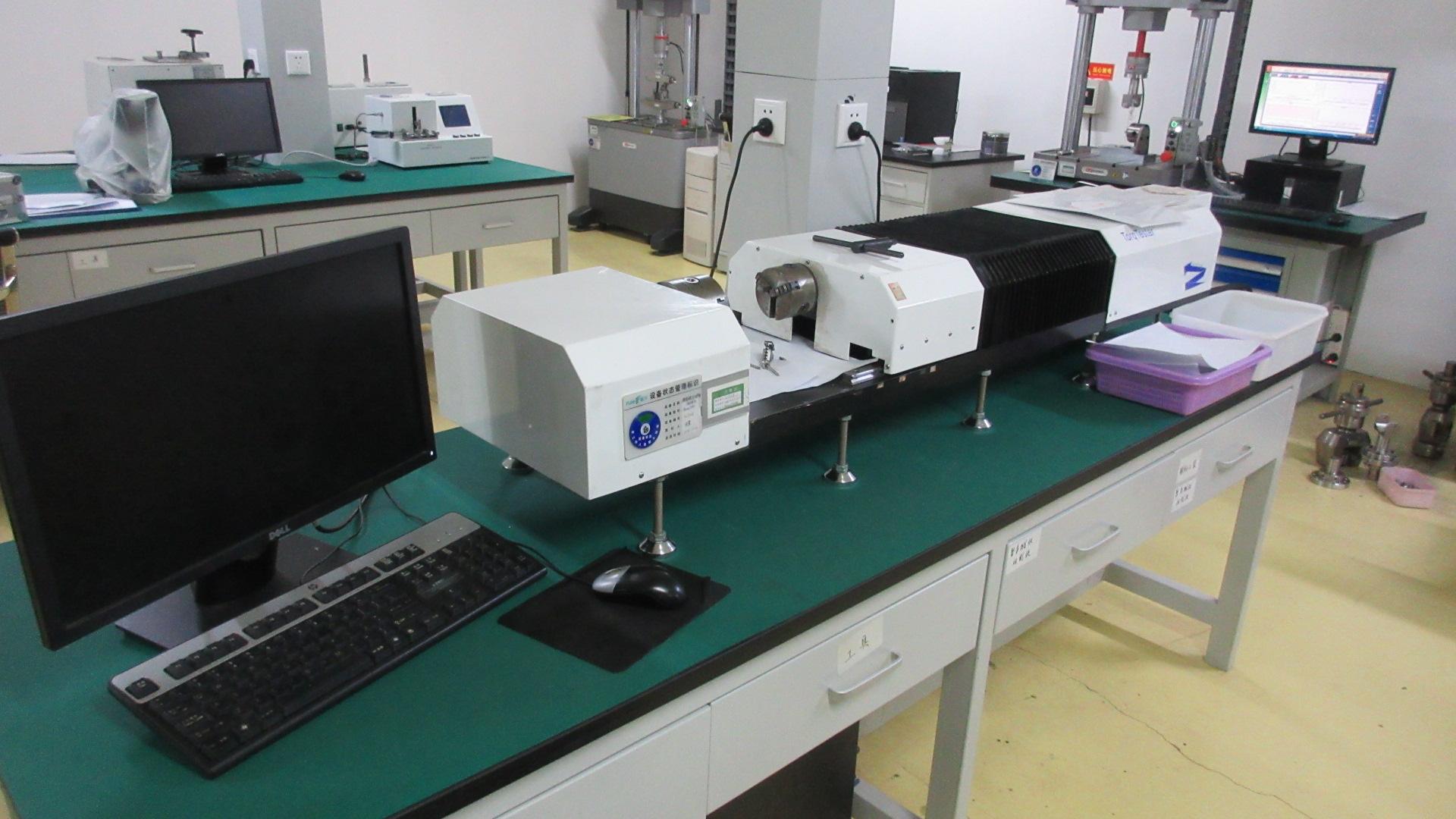
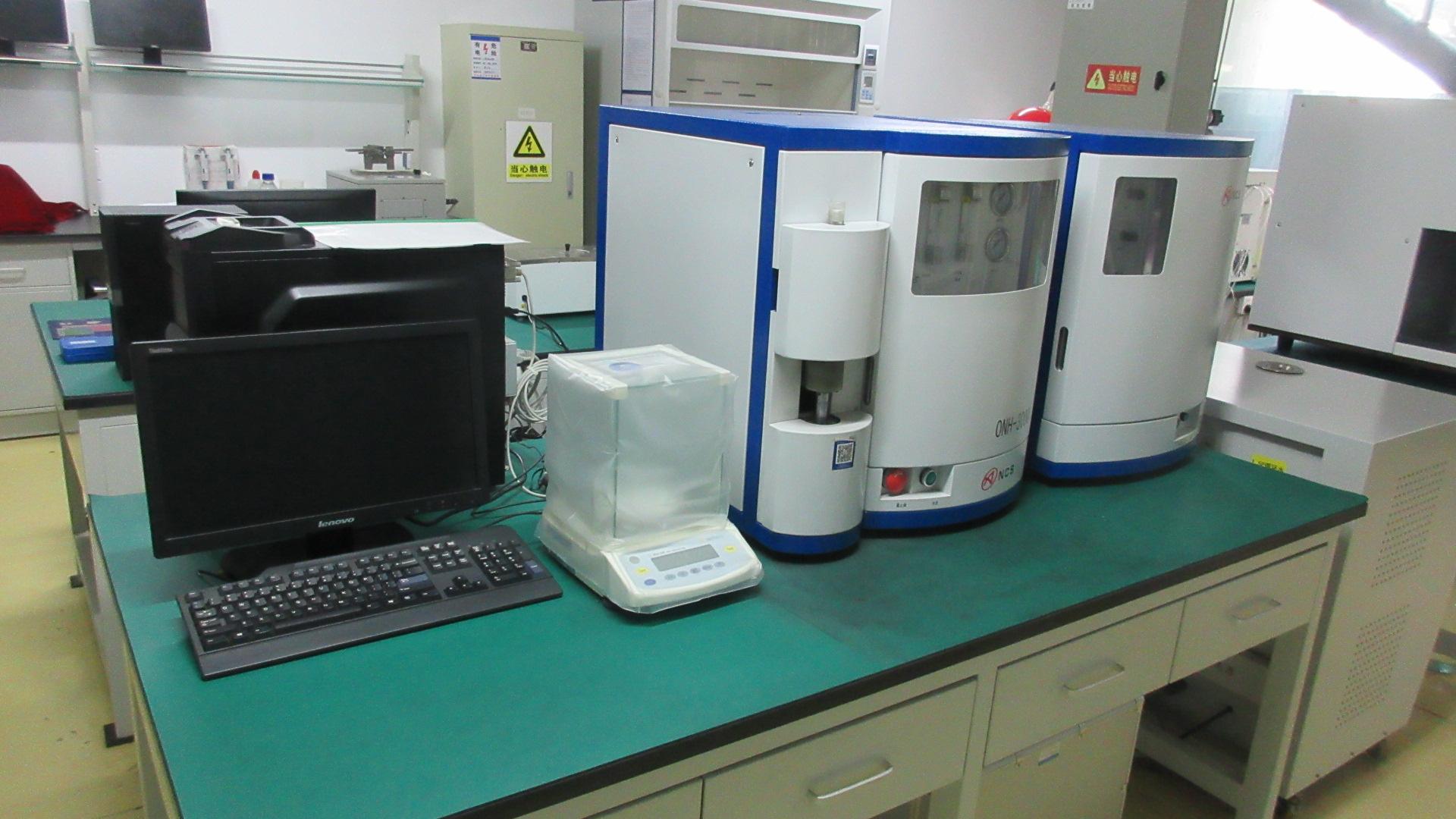
Our advanced quality control system is compliant with ISO 9001:2015, EN ISO 13485:2016, CE Mark, and WHO: GMP Compliance. Our R&D engineering team runs continuous fatigue tests, torsion tests, and chemical purity checks (ONH analysis) on all metal components. This strict testing process ensures our external fixators deliver reliable performance under loads, meeting the quality standards required by surgeons worldwide.
Aligning with future trends in orthopedics, custom guides, and bio-smart technology.
The field of external fixation is moving toward patient-specific solutions and intelligent monitoring. Our R&D pipeline is focused on integrating smart technologies to help medical professionals optimize fracture-healing monitoring. Our technical development roadmap centers on three core pillars:
We are developing experimental pin clamps equipped with micro-strain gauges. These sensors measure changes in load-sharing between the external rod and the healing bone. This real-time telemetry will allow surgeons to make data-driven decisions on when to start weight-bearing and dynamic frame adjustments.
Pin-tract infection is a common challenge in long-term external fixation. Our materials science team is testing anti-bacterial silver-ion and hydroxyapatite coatings on our Schanz pins. These coatings aim to reduce bacterial colonization at the skin-pin interface while improving osseointegration within the cortical bone.
Our engineering services enable distributors to adapt frame lengths, clamp configurations, and custom graphics to meet local preferences. If your hospital network requires specialized pin diameters or custom tray layouts, our CNC production lines can adapt to create custom runs that match your clinical preferences.
Expert technical answers for biomedical engineers, regulatory affairs managers, and trauma surgeons.
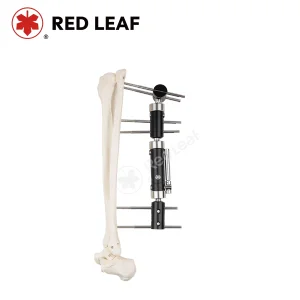
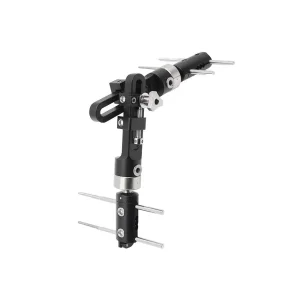
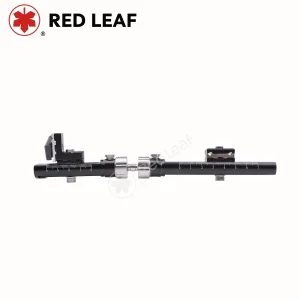
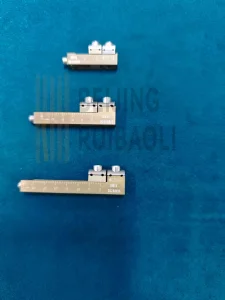
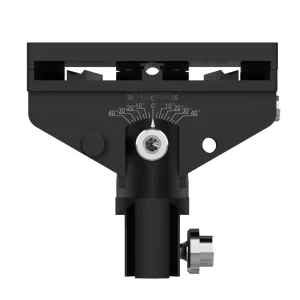
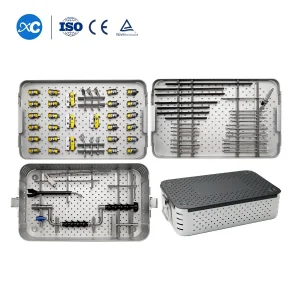
Our high-performance modular units designed to stabilize and reconstruct complex fractures.
 Voila Orthopedic Implants