How to Assess Production and Hygiene Standards of Implant Factories?

Time:2026-06-16 Author:Henry
0%

The quality of implant production relies heavily on strict hygiene standards and a controlled environment. Understanding how to check the production environment and hygiene standards of implants factories is essential for ensuring patient safety. Manufacturers must adhere to guidelines that govern cleanliness, contamination control, and overall product quality. Lack of attention to these factors can compromise not just the product but also the health of end-users.

It is crucial to evaluate the processes in place within these factories. Regular audits can reveal significant gaps and areas for improvement. Observing the cleanliness of facilities, the training of staff, and the use of appropriate materials is key to assessing standards. The intricacies of sterilization procedures and quality control measures must be scrutinized thoroughly. Even minor oversights can lead to serious consequences.

Factory environments should continuously evolve to meet or exceed regulatory standards. Engaging with experts who specialize in production and hygiene can provide deeper insights. Yet, the reality is that no facility is perfect. Constant vigilance and adaptability are needed to maintain high standards. Therefore, a robust understanding of the production and hygiene standards in implant factories is indispensable for healthcare professionals and regulators alike.
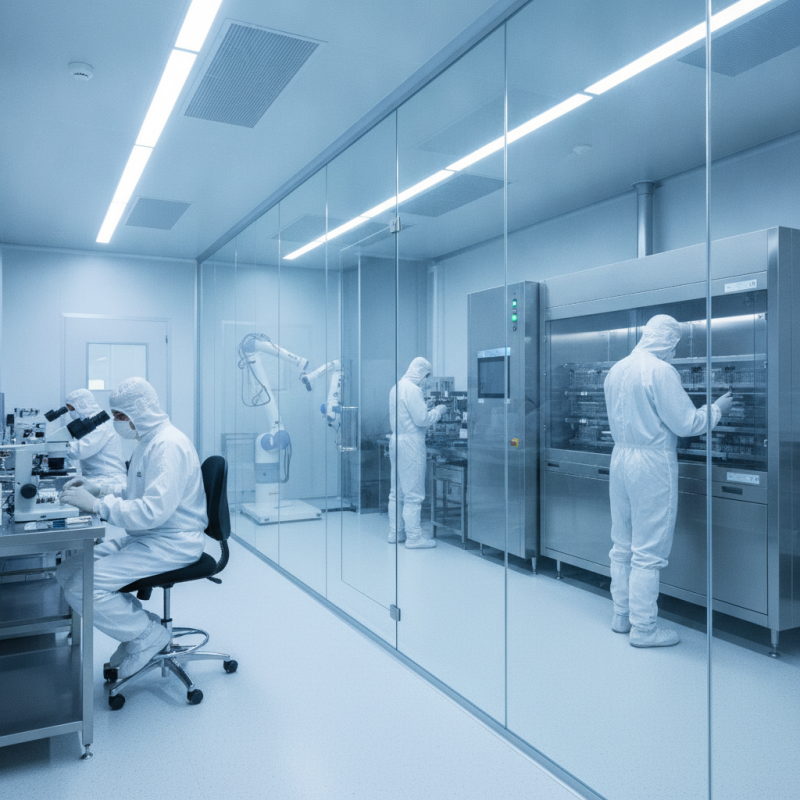
How to Assess Production and Hygiene Standards of Implant Factories?

Understanding the Importance of Production and Hygiene Standards in Implant Factories

In the production of medical implants, stringent hygiene and production standards are crucial. Such standards not only ensure the quality of implants but also significantly impact patient safety. According to the World Health Organization, improper production environments can lead to infection rates as high as 30%. This statistic highlights the need for rigorous hygiene practices in factories.

Production facilities must adhere to Good Manufacturing Practices (GMP). These practices emphasize cleanliness, minimizing contamination risks, and maintaining equipment. A study by the FDA reported that 50% of medical device recalls are due to manufacturing errors. This raises alarm bells regarding the importance of careful assessment of production standards in implant factories.

Many manufacturers struggle to maintain compliance. Insufficient training and inadequate sanitation protocols lead to gaps in hygiene. Regular audits can uncover such issues. Continuous improvement should focus on addressing these weaknesses. Data shows that factories with robust hygiene training experience up to a 40% reduction in contamination incidents. This underscores the need for a keen eye and a commitment to constant evaluation in the manufacturing process.

Key Regulatory Standards for Implant Manufacturing and Hygiene Practices

When assessing production and hygiene standards in implant factories, it's crucial to focus on key regulatory standards. These standards ensure the safety and effectiveness of implants. They emphasize protocols for cleanroom environments, personnel training, and equipment sterilization. Implementing strict hygiene practices is non-negotiable. Air quality, surface cleanliness, and microbial limits are meticulously monitored.

Regulatory bodies require manufacturers to follow Good Manufacturing Practices (GMP). These practices guide the overall production process. Compliance with ISO standards is equally essential. These standards outline the quality management systems necessary for implant manufacturing. Many facilities struggle with maintaining consistent compliance. Regular audits and inspections can help identify gaps and areas for improvement.

In some cases, factories may overlook minor hygiene details, which can become critical issues. For example, tools may not be properly sterilized, or surfaces may not be disinfected adequately. Such oversights highlight the need for continuous training and re-evaluation of hygiene protocols. Factories should cultivate a culture of safety and accountability. Addressing these challenges will enhance product quality and patient safety in the long run.

Critical Aspects of Production Assessment in Implant Facilities

When assessing production and hygiene standards in implant factories, it’s crucial to focus on several key aspects. One vital area is cleanliness. Factories should maintain a sterile environment. This prevents contamination during the manufacturing process. Employees must follow strict hygiene protocols. Regular training sessions enhance awareness.

Pay attention to equipment maintenance. Outdated machinery can affect product quality. Regular audits help identify potential risks. Inspect equipment regularly to ensure optimal performance. This can prevent costly mistakes down the line.

Tips: Ensure that all staff members undergo hygiene training regularly. Frequent checks can reveal areas needing improvement. Keeping a log of cleaning schedules is essential.

Another critical aspect is quality control. Implementing rigorous testing procedures is non-negotiable. Samples should undergo various assessments to ensure compliance with safety standards. Feedback loops allow for ongoing improvement. Reflecting on past issues can lead to better practices. Strive for consistent enhancements.

Evaluating Hygiene Protocols: Best Practices for Implant Factories

In the field of implant manufacturing, hygiene protocols are crucial. Reports show that up to 60% of product recalls stem from contamination issues. This statistic highlights the need for stringent hygiene measures. Factories should regularly audit their cleaning processes. These audits help identify weaknesses in protocols. Regular staff training is essential too. Workers must understand the impact of cleanliness on patient safety.

Best practices include creating clear cleaning schedules. Visual reminders in production areas reinforce these schedules. Contamination points must be minimized. Studies indicate that over 70% of defects in implants can be traced back to poor environmental controls. It’s vital to monitor air quality and surface cleanliness frequently. Many factories ignore this step, leading to significant oversights.

Implementing robust hygiene protocols isn't just a guideline; it's a necessity. Each facility must tailor its standards according to its specific production challenges. Feedback systems will help identify ongoing hygiene issues. Regular updates based on industry trends ensure factories remain compliant. Continuous improvement in hygiene can significantly reduce risks in implant production.

Tools and Techniques for Assessing Implant Factory Compliance Standards

Assessing production and hygiene standards in implant factories requires a systematic approach. Tools such as audits, inspections, and validation protocols are essential. These tools help ensure compliance with regulations and safety standards. A recent report from the Medical Device Quality Assurance Association noted that 70% of non-compliance issues stem from inadequate hygiene practices.

Effective assessment techniques include leveraging ISO standards and conducting regular internal audits. For instance, ISO 13485 focuses on the quality management systems in medical device manufacturing. Factories following this standard demonstrate enhanced production reliability. However, many companies struggle to implement consistent hygiene controls. Reports indicate that 33% of manufacturers lack sufficient training for hygiene protocols.

Another useful technique involves employee training programs. Studies show that factories with robust training initiatives report a 40% reduction in hygiene-related incidents. Yet, the gap in knowledge still exists. Many factories overlook updates in hygiene regulations. This highlights the ongoing need for the industry to prioritize continuous education and improvement in compliance measures.

How to Assess Production and Hygiene Standards of Implant Factories? - Tools and Techniques for Assessing Implant Factory Compliance Standards

Assessment Criteria Tool/Technique Compliance Status Important Notes
Cleanroom Standards ISO 14644 Compliant Regular monitoring required
Material Quality Control Incoming Quality Inspection Partially Compliant Supplier audits needed
Employee Hygiene Training Training Programs Compliant Annual refresher courses
Equipment Validation Installation Qualification (IQ) Non-Compliant Requires immediate action
Product Traceability Tracking Systems Compliant Audits performed quarterly

FAQS

: What are the key regulatory standards for implant manufacturing?

: Key standards emphasize cleanroom environments, personnel training, and equipment sterilization.

Why are strict hygiene practices important in implant factories?

Strict hygiene practices ensure the safety and effectiveness of implants.

How do Good Manufacturing Practices (GMP) relate to implant production?

GMP guides the overall production process, promoting consistent compliance and quality.

What challenges do factories often face regarding compliance?

Many facilities struggle with maintaining consistent compliance and oversight of hygiene details.

What tools can assess compliance in implant factories?

Audits, inspections, and validation protocols are essential for ensuring compliance with regulations.

How does ISO 13485 contribute to manufacturing reliability?

Factories following ISO 13485 demonstrate enhanced reliability in production processes.

What role does employee training play in maintaining hygiene standards?

Robust training programs can reduce hygiene-related incidents, highlighting ongoing knowledge gaps.

What do statistics reveal about hygiene practices in manufacturing?

Reports show that 70% of non-compliance issues stem from inadequate hygiene practices.

Why might factories overlook updates in hygiene regulations?

Continuous education and improvement are often neglected, leading to knowledge gaps.

What impact does a culture of safety have on product quality?

A culture of safety enhances product quality and patient safety in the long run.

Conclusion

Assessing the production and hygiene standards of implant factories is crucial to ensure the safety and efficacy of medical devices. This involves understanding the importance of maintaining high production and hygiene standards, which are governed by various regulatory requirements. Key regulatory standards provide a framework for hygiene practices, while critical aspects of production assessment focus on compliance with these regulations to ensure quality control and risk management.

To effectively evaluate hygiene protocols, implant factories must implement best practices that adhere to these standards. Tools and techniques for assessing compliance can include inspection checklists, audits, and monitoring systems that ensure proper adherence to hygiene and production norms. Ultimately, knowing how to check the production environment and hygiene standards of implants factories is essential for maintaining high-quality manufacturing processes and safeguarding patient health.

Henry

Henry

Henry is a dedicated marketing professional with a profound expertise in the company's offerings. With years of experience in the industry, he possesses an impressive understanding of the market dynamics and consumer behaviors that drive success. Henry is committed to sharing his insights through......