What is a Bioabsorbable Suture Anchor and How Does it Work?

Time:2026-03-18 Author:Madeline
0%

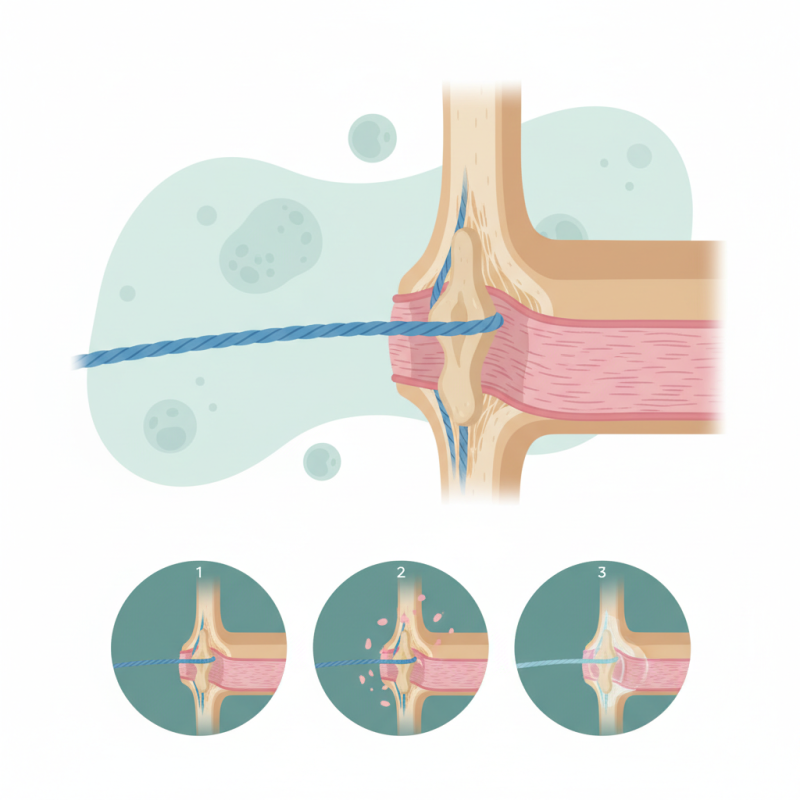
A Bioabsorbable Suture Anchor is an innovative solution in the field of orthopedic surgery. These anchors are designed to secure soft tissues to bone, providing stability during the healing process. Unlike traditional metal anchors, Bioabsorbable Suture Anchors dissolve over time. This allows for natural healing without the need for a second surgery to remove the anchor.

The materials used in these devices are biocompatible and safe for the body. As they degrade, they are absorbed and metabolized by surrounding tissues. This process supports the healing of ligaments and tendons after injuries or surgeries. However, despite their advantages, there are some challenges. Surgeons must carefully consider the appropriate timing of their absorption, as complications can arise if they dissolve too quickly.

The effectiveness of Bioabsorbable Suture Anchors varies between patients and injuries. Some may experience excellent results, while others may face issues like anchor migration. Continuous research and improvement are necessary to maximize their potential. The journey of understanding Bioabsorbable Suture Anchors continues to evolve, reflecting the complexities of healing in the human body.
What is a Bioabsorbable Suture Anchor and How Does it Work?

What Are Bioabsorbable Suture Anchors? Definition and Types

Bioabsorbable suture anchors represent a fascinating advancement in surgical technology. These devices are made from materials that slowly dissolve in the body. They serve as attachment points for sutures during repairs of soft tissue. Surgeons use them in various procedures, including orthopedic and sports medicine interventions.

There are different types of bioabsorbable suture anchors. Some are composed of polymers, while others may utilize calcium-based materials. Each variety has unique properties that influence healing. For example, some anchors break down quickly, while others offer prolonged support. This can impact the recovery process.

Not all anchoring techniques are perfect. There may be concerns about the strength of the material during healing. Surgeons sometimes struggle with how to choose the best anchor for a patient. Understanding the individual requirements is crucial. Each case can differ based on various patient factors.

Types of Bioabsorbable Suture Anchors and Their Applications

Key Materials Used in Bioabsorbable Suture Anchors: PLA, PGA, and More

Bioabsorbable suture anchors are gaining popularity in orthopedic and surgical procedures. These innovative devices dissolve over time, reducing the need for a second surgery. The effectiveness and safety of these anchors rely heavily on the materials used in their construction.

Key materials include polylactic acid (PLA) and polyglycolic acid (PGA). These biodegradable polymers have unique properties. Studies show that PLA maintains strength for longer periods, while PGA offers faster absorption. This difference can influence recovery times and healing. Choosing the right material is crucial for optimal patient outcomes.

Tips: When selecting a suture anchor, consider the type of tissue and stress it will endure. The choice between PLA and PGA should align with the surgical goal. Both materials also showcase a gradual loss of mechanical strength—hence, an early evaluation of healing is necessary to assess success.

Another notable option is tyrosine-derived polycarbonate. This material combines mechanical strength with a controlled breakdown rate. However, more research is needed to determine its long-term efficacy. Always review available data on healing times and patient outcomes before making a decision. Remember, while bioabsorbable anchors are beneficial, understanding their limitations is essential.

Mechanism of Action: How Bioabsorbable Suture Anchors Promote Healing

Bioabsorbable suture anchors are innovative tools in orthopedic surgery. They serve as fixing devices for soft tissues and provide stability during the healing process. These anchors dissolve over time, allowing the body to gradually incorporate them without leaving permanent foreign material behind.

The mechanism of action is fascinating. Once implanted, these anchors promote healing by releasing bioactive compounds. These compounds stimulate cellular interactions and enhance tissue regeneration. They encourage collagen formation, which is crucial for wound healing. The gradual absorption rate is designed to match the tissue healing timeline, minimizing complications.

However, the reliance on bioabsorbable materials does pose challenges. Surgeons must carefully assess the specific needs of each patient. In some cases, the material may absorb too quickly or too slowly. This can affect the healing process negatively. Ongoing research is needed to refine the materials and absorption rates. The balance between strength and bioabsorption remains a pressing consideration for surgeons today.

What is a Bioabsorbable Suture Anchor and How Does it Work? - Mechanism of Action: How Bioabsorbable Suture Anchors Promote Healing

Feature Description
Material Composition Typically made from polyactic acid (PLA) or polyglycolic acid (PGA)
Absorption Time Generally absorbed by the body within 6 to 12 months
Indications Used in orthopedic, sports medicine, and soft tissue repair procedures
Healing Mechanism Promotes healing by providing support and stability for tissue regeneration
Benefits Reduced risk of long-term foreign body reactions; eliminates need for removal
Challenges Potential for earlier degradation compared to permanent anchors; strength loss over time

Clinical Applications: Common Uses in Orthopedic and Surgical Procedures

Bioabsorbable suture anchors are gaining traction in orthopedic and surgical fields. These anchors can dissolve over time, allowing for natural healing. Their primary use is in repairing tissues, such as ligaments and tendons, where reattachment is critical. For example, in shoulder surgeries, these anchors help stabilize the joint. Surgeons insert them directly into bone, making them less invasive than traditional methods.

In knee surgeries, bioabsorbable anchors support torn ligaments. They provide stability during the healing process, crucial for athletes. However, there are concerns. Some surgeons worry about the strength of these anchors over time. Will they hold up under stress? The absorption rate varies between patients, leading to unpredictability. Surgeons need to assess each case carefully.

Another important application is in ankle surgeries. Here, they assist in repairing the deltoid ligament. The use of these anchors often reduces the need for follow-up surgeries. While bioabsorbable anchors mark progress in surgical techniques, ongoing research is essential. Understanding their long-term effectiveness still poses challenges for the medical community. Testing different materials may yield better solutions.

Performance Metrics: Efficacy and Degradation Rates of Bioabsorbable Anchors

Bioabsorbable suture anchors are gaining traction in orthopedic and surgical procedures. These anchors provide the unique ability to support the repair of soft tissues while gradually dissolving over time. The efficacy and degradation rates significantly influence their acceptance in the medical community.

A recent report highlights that these anchors generally achieve a tensile strength of around 60% during the initial healing phase. Within six months, their mechanical properties drop significantly, usually reaching a degradation rate of about 30% to 50%. This allows the surrounding tissue to gradually take over the role of support. However, there are often instances where the degradation process may not align perfectly with tissue healing rates, prompting further investigation.

In certain studies, up to 20% of patients reported complications attributed to premature anchor degradation, leading to concerns about their reliability. It is essential to reflect on these metrics. Understanding the performance of bioabsorbable anchors can enhance surgical outcomes, but careful consideration of their timing is crucial. The challenge remains in optimizing the compositions used to achieve both effective support and timely degradation.

FAQS

: What are bioabsorbable suture anchors?

: They are devices that dissolve in the body, used during soft tissue repairs.

What materials are commonly used in these anchors?

Key materials include polylactic acid (PLA) and polyglycolic acid (PGA).

How do bioabsorbable suture anchors benefit patients?

They reduce the need for a second surgery and promote healing.

What factors influence the choice of suture anchor?

Factors include tissue type and stress levels during the healing process.

Why is material selection important?

Different materials have unique properties that affect strength and recovery time.

What are the limitations of bioabsorbable anchors?

Their strength may weaken over time, impacting healing effectiveness.

What do PLA and PGA offer in terms of healing?

PLA maintains strength longer, while PGA absorbs faster, affecting recovery times.

How can surgeons ensure they choose the right anchor?

They must evaluate specific patient requirements and healing needs.

What is a potential concern with bioabsorbable anchors?

Concerns may arise from the strength of the material during the healing process.

Is more research needed for some materials?

Yes, particularly for tyrosine-derived polycarbonate and its long-term efficacy.

Conclusion

Bioabsorbable Suture Anchors are surgical devices designed to hold tissue together during healing and are made from materials like polylactic acid (PLA) and polyglycolic acid (PGA). These anchors gradually degrade and are absorbed by the body, eliminating the need for a second surgery to remove them. Their primary mechanism promotes healing by providing temporary support while the tissue grows and repairs itself, allowing for an effective integration with the body's natural processes.

Clinically, Bioabsorbable Suture Anchors are widely utilized in orthopedic and surgical procedures, particularly in areas requiring soft tissue fixation, such as rotator cuff repairs and ligament reconstructions. Their performance is measured through efficacy and degradation rates, ensuring they provide adequate support during the critical phases of tissue healing while minimizing long-term complications associated with permanent materials.

Madeline

Madeline

Madeline is a dedicated marketing professional with a wealth of expertise in our company's core offerings. With a keen understanding of the industry, she brings a unique perspective to her role, consistently delivering high-quality content that highlights the superior aspects of our products. As......