Why Consistent Batch Quality in Orthopedic Implants Matters

Time:2026-06-01 Author:Aria
0%

In the field of orthopedics, the choice of implants greatly impacts patient outcomes. Consistent batch quality in orthopedic implants ensures reliability in their performance. Patients deserve implants that not only fit well but also perform as expected over time.

Why is it important to choose orthopedic implants with consistent batch quality? Variations in production can lead to inconsistencies. These issues may increase the risk of complications during and after surgery. For instance, a slight deviation in material strength can affect the implant's longevity.

Surgeons rely on the predictability of implants to make informed decisions. Fluctuations in quality can challenge their expertise. It might lead to unnecessary revisions and additional surgeries. Ultimately, consistent batch quality promotes trust and enhances surgical success. This focus on quality should be paramount for both manufacturers and healthcare providers.
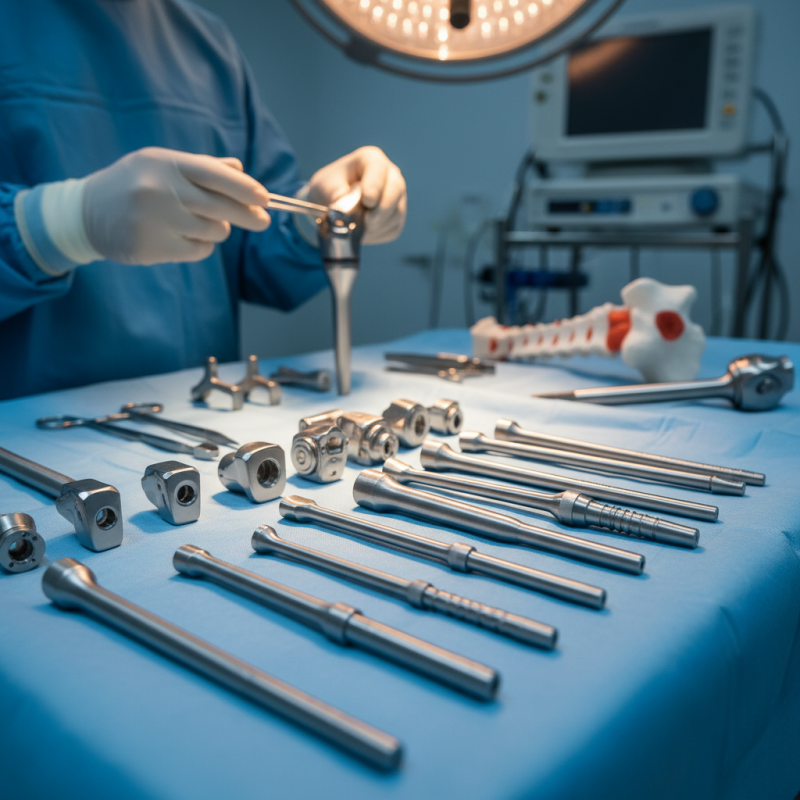
Why Consistent Batch Quality in Orthopedic Implants Matters

Importance of Consistent Batch Quality in Orthopedic Implants

Consistent batch quality in orthopedic implants is crucial for patient safety and surgical outcomes. According to a report by the Orthopedic Device Regulatory Authority, implant failures can occur in up to 15% of cases when quality controls are not strictly adhered to. This statistic highlights the potential risks involved in surgeries with variable implant quality.

Ensuring uniformity in production processes mitigates these risks. Variations in materials and fabrication methods can lead to significant inconsistencies. A study published in the Journal of Orthopedic Research pointed out that slight deviations in manufacturing tolerances might impact the strength and durability of implants. This reinforces the need for continuous monitoring and strict quality assurance protocols in the production process.

Moreover, inconsistent quality can lead to increased revision surgeries. The National Institute of Health reported that nearly one in five knee implants requires revision due to failure attributed to poor quality control. This not only burdens healthcare systems but also severely impacts patients' quality of life. The industry faces challenges in achieving this consistency, making ongoing discussions of improvements vital.

Impact of Quality Variability on Patient Outcomes in Orthopedics

Quality variability in orthopedic implants can significantly impact patient outcomes. When the consistency of implant quality fluctuates, it raises serious concerns. Patients rely on these devices for mobility and overall quality of life. A single faulty implant can lead to complications. This can result in prolonged recovery times and additional surgeries.

Inconsistent quality can create a ripple effect. Surgeons may face unexpected challenges during procedures. They might have to adapt, which can lead to increased operative time. This can affect not only the outcome but also the patient’s trust in the healthcare system. Patients deserve to feel confident about their treatments. Variability undermines that trust.

Reflecting on the production process is crucial. There are always areas for improvement. Strict quality control measures must be in place. By identifying and addressing flaws in the manufacturing process, the industry can enhance patient safety. Every implant must meet high standards. This commitment to quality is essential for better patient outcomes and satisfaction.

Regulatory Standards and Guidelines for Orthopedic Implant Quality

In the realm of orthopedic implants, regulatory standards play a crucial role in ensuring patient safety. These guidelines, set by organizations like the FDA and ISO, dictate the quality and performance of medical devices. Strict adherence to these standards reduces variability in production, which is key to achieving consistent batch quality. Any deviation can lead to compromised implants, risking patient health and surgical outcomes.

Tips: Regular audits and inspections are vital. Manufacturers should conduct thorough quality checks at every production stage. This ensures compliance with regulations and maintains high standards.

Despite these measures, challenges persist. Not all manufacturers fully understand the regulations or their significance. Training is essential for employees involved in production. They must be aware of the repercussions of non-compliance. Continuous education helps bridge knowledge gaps and fosters a culture of quality.

Tips: Engaging third-party experts can provide valuable insights. They can offer guidance on best practices and regulatory updates. Staying informed is crucial in this rapidly evolving field.

Impact of Consistent Batch Quality on Orthopedic Implants

Economic Consequences of Inconsistent Quality in Implant Manufacturing

Inconsistent quality in orthopedic implants poses significant economic challenges for healthcare systems. Poorly manufactured implants can lead to complications, requiring additional surgeries. Each revision surgery not only incurs high costs but also extends recovery times. Patients face longer hospital stays, resulting in lost wages and increased emotional distress. The ripple effect on healthcare providers and insurers can be substantial. It strains resources and complicates patient care.

Moreover, the impact of inconsistent quality extends beyond immediate financial implications. Stakeholders may lose confidence in the orthopedic industry. Clinics and hospitals suffer reputational damage, leading to diminished patient trust. In a competitive market, maintaining a strong reputation is vital. This lack of trust and consistency creates hesitance among medical professionals when recommending implants. It introduces a cautious approach that may hinder patient outcomes.

Examining the processes behind implant manufacturing reveals areas needing improvement. There remains a gap between production standards and real-world applications. Consistent quality assurance protocols are essential. However, the implementation of these standards varies. It raises questions about the industry's commitment to best practices. Balancing costs and quality remains a complex issue that demands reflection and action.

Technological Advances Ensuring Quality Control in Orthopedic Implants

In recent years, technological advances have significantly enhanced the quality control processes in orthopedic implants. Innovations in 3D printing now allow for precise customization of components, tailoring them to an individual’s anatomy. This personalization improves the fit and function of implants, leading to better patient outcomes. Additionally, robotic-assisted surgeries are becoming more common. These systems reduce human error, ensuring that each implant is placed with unmatched accuracy.

However, not all technologies are flawless. Some manufacturing techniques still face challenges in consistency. Variations in materials or production processes can lead to discrepancies in quality. It’s essential for manufacturers to recognize these flaws. Addressing them proactively can enhance the reliability of orthopedic implants. Regular audits and updates in technology can help streamline processes.

Another layer of quality control is the role of data analytics. By analyzing outcomes, manufacturers can identify patterns that signal potential failures. This approach creates a feedback loop that continuously improves production standards. Emphasizing data-driven decisions ensures that every batch of implants meets rigorous quality benchmarks. In an evolving field, staying ahead is crucial for patient safety and satisfaction.

Why Consistent Batch Quality in Orthopedic Implants Matters

Batch ID Material Type Production Date Quality Score Defects Found Compliance Status
Batch 001 Titanium Alloy 2023-01-15 98% 0 Passed
Batch 002 Cobalt Chrome 2023-02-20 95% 1 Passed
Batch 003 PEEK Polymer 2023-03-12 92% 2 Conditional Pass
Batch 004 Stainless Steel 2023-04-05 89% 3 Failed
Batch 005 Titanium Alloy 2023-05-30 97% 1 Passed

FAQS

: How does quality variability in orthopedic implants affect patients?

: Quality variability can lead to complications. Patients may experience prolonged recovery times and additional surgeries.

What issues can inconsistent quality create for surgeons?

Surgeons face unexpected challenges during procedures. They may need to adapt, leading to increased operative time.

Why is patient trust important in healthcare?

Patients deserve confidence in their treatments. Quality variability undermines trust in the healthcare system.

What should be done to improve implant manufacturing quality?

Strict quality control measures are necessary. Identifying flaws in manufacturing can enhance patient safety.

How do economic consequences relate to poor implant quality?

Poor quality leads to revision surgeries, which incur high costs. Patients also face extended recovery times and lost wages.

What impact does inconsistent quality have on healthcare providers?

It can damage reputations, strain resources, and complicate patient care. Trust is vital in a competitive market.

Why is balancing cost and quality a complex issue?

Higher production standards may raise costs. The industry needs to reflect on its commitment to best practices.

What can happen if clinics lose patient trust?

Diminished trust can cause hesitance among medical professionals. This hesitance may hinder the recommended treatment options.

What areas need improvement in the manufacturing process?

There is often a gap between production standards and reality. Consistent quality assurance protocols must be implemented.

How do complications from poor implants affect patients emotionally?

Complications can lead to increased emotional distress. Longer hospital stays further exacerbate this stress.

Conclusion

Ensuring consistent batch quality in orthopedic implants is vital for several reasons. First, it directly influences patient outcomes; variability in implant quality can result in complications, prolonged recovery times, and increased healthcare costs. Consequently, understanding why it is important to choose orthopedic implants with consistent batch quality is crucial for both healthcare professionals and patients, as it contributes to the overall success of orthopedic surgeries.

Furthermore, regulatory standards and guidelines have been established to uphold the quality and safety of orthopedic implants. These regulations not only ensure that manufacturers adhere to high-quality practices, but they also protect patients from the risks associated with defective implants. Economic implications also arise, as inconsistent quality can lead to increased recalls, legal actions, and financial losses for manufacturers. Advanced technologies play a significant role in maintaining quality control, helping to minimize variability and enhance the reliability of orthopedic implants in the market.

Aria

Aria

Aria is a dedicated marketing professional with a deep passion for innovative strategies and a keen understanding of our company's product offerings. With a wealth of experience in the industry, Aria excels at crafting engaging content that highlights the unique features and benefits of our......