Ensuring efficient customs clearance for orthopedic implants is a complex process. The orthopedic implant market is projected to reach $61.4 billion by 2028, as reported by Grand View Research. This growth underscores the importance of understanding the nuances of import regulations.
What are the common customs clearance issues for orthopedic implants imports? Compliance with regulatory standards often poses challenges. Missing documentation can delay shipments significantly. Additionally, improper classification of implants can lead to incorrect duties. The FDA requires specific labeling which, if not adhered to, may result in fines.
Furthermore, changes in import tariffs and regulations can disrupt the supply chain. An evolving regulatory landscape demands constant vigilance from importers. Organizations must stay updated on international and local requirements. A proactive approach can alleviate potential issues and streamline the import process. This complexity requires expertise and thorough preparation to navigate successfully.
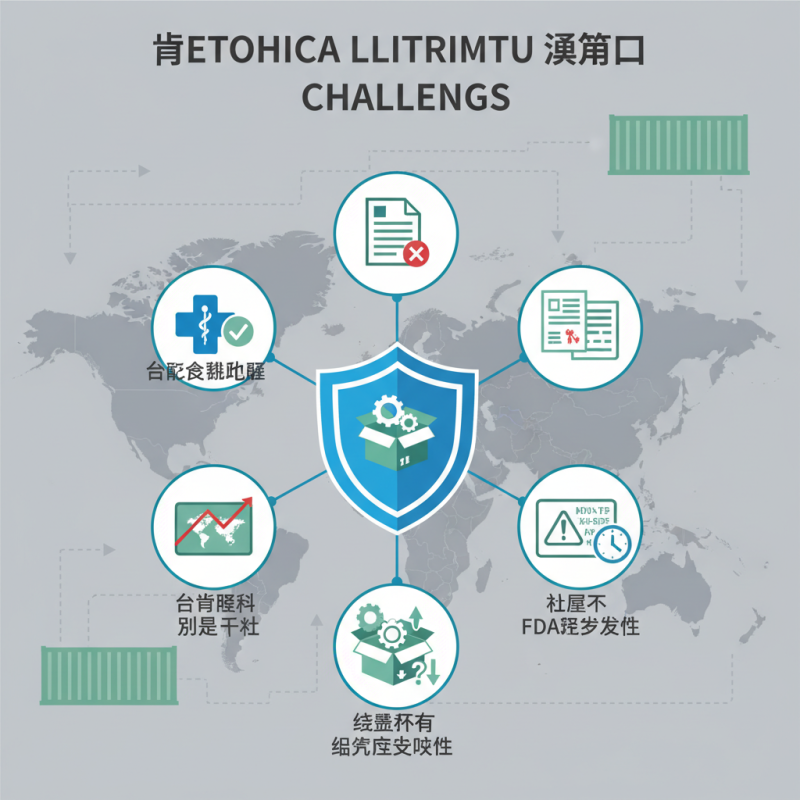
The customs clearance process for orthopedic implants is intricate and requires careful attention. Understanding the documentation needed is crucial. Accurate invoices, packing lists, and declarations help streamline the process. Any discrepancies can lead to delays. Compliance with health and safety regulations is also essential. Regulatory bodies scrutinize the safety standards of these medical devices. Importers must ensure all documentation aligns with these standards to avoid complications.
Tips for a smoother process: Always keep your paperwork organized. Track all shipments and document interactions with customs officials. They can provide valuable insights on requirements. Consider using a customs broker with expertise in medical devices. Their knowledge can help navigate complex regulations efficiently.
Challenges may arise despite thorough preparation. Mislabeling or incorrect tariff codes can result in fines and delays. Regular training for staff on customs procedures can mitigate these risks. Stay updated with changes in regulations, as they often evolve. Engaging with customs authorities proactively can aid in resolving issues before they escalate.
Navigating customs clearance for orthopedic implants can be complex. Regulatory challenges arise from varying international standards and requirements. According to a report by the Global Medical Device Nomenclature (GMDN), over 70% of imports face delays due to documentation issues. Incorrect labeling or incomplete data often leads to non-compliance, causing significant setbacks.
Strict regulatory environments are critical. In 2022, the FDA implemented new guidelines for implant approvals that further complicate imports. This means importers must stay updated with evolving regulations to avoid costly penalties. A study from MedTech Europe indicated that compliance issues could increase costs by up to 40%. Therefore, understanding local regulations and maintaining accurate paperwork is essential.
Tip: Always verify the latest import regulations before shipment. Engage with a customs broker who specializes in medical devices. Regularly review compliance checklists to catch potential errors in documents. It’s important to recognize that even minor mistakes can lead to major delays.
When importing orthopedic implants, proper documentation is essential for smooth customs clearance. Many importers face delays due to incomplete or incorrect paperwork. Ensure you have the necessary certificates, such as customs declarations, import permits, and manufacturer documentation. This paperwork serves as your proof of compliance and helps speed up the process.
Tips: Always double-check your documentation. Missing even a single form can lead to significant delays. Engage with customs brokers who specialize in medical devices. Their expertise can help you navigate complex regulations and avoid common pitfalls.
Maintaining clear communication with all parties involved mitigates misunderstandings. Have contingency plans for unexpected documentation requests. This may involve contacting manufacturers promptly to obtain missing information. Take proactive measures to gather everything in advance. A well-prepared import is a step towards seamless entry into the market.
Tariffs and duties significantly impact the costs of importing orthopedic implants. According to industry reports, tariffs can range from 2% to 12%, depending on the implant type. These additional costs affect healthcare providers and patients alike. The uncertainty surrounding tariffs can disrupt supply chains, causing delays. Some estimates suggest that almost 30% of importers have adjusted their pricing strategies due to tariff fluctuations.
Navigating these complexities requires diligent planning. Healthcare providers must understand the full scope of costs associated with customs clearance. Importers should maintain a close relationship with customs brokers, who can provide insights into current duties and any upcoming changes. This collaboration can prevent unexpected expenses and delays.
Tips: Always factor in potential tariff increases into your budgets. Monitor trade policies closely. A proactive strategy helps mitigate risks associated with changing import regulations. Additionally, consider seeking advice from industry experts to ensure compliance and navigate the intricate landscape of customs clearance. Balancing costs with regulatory requirements is essential for maintaining competitiveness in the orthopedic implant market.
Customs clearance for orthopedic implants is rife with complexities. Delays often stem from incomplete documentation or misclassified goods. According to a recent report by the International Trade Administration, nearly 30% of delays occur due to paperwork issues. This statistic highlights the crucial need for accurate and thorough documentation. Companies must ensure that all import documents, including invoices, certificates of origin, and compliance statements, are meticulously prepared.
Proper training can significantly reduce issues. Staff who understand customs regulations can navigate the complexities efficiently. Engaging a customs broker with expertise in medical devices is often beneficial. They can provide guidance on regulatory compliance and classification, which are specific to implants. The Food and Drug Administration (FDA) has strict policies that can lead to additional scrutiny. Understanding these factors beforehand can mitigate potential delays significantly.
Moreover, communication with customs officials is vital. Promptly addressing inquiries can prevent further complications. A research study indicated that companies fostering transparent relationships with customs inspectors reported a 25% reduction in hold times. Investment in training and technology, such as online compliance management systems, also plays a major role. These proactive measures help streamline the process and ensure smoother customs clearance for orthopedic imports.
: The process is complex and requires careful documentation and compliance with regulations.
Accurate invoices and packing lists streamline the process, preventing delays.
Mislabeling or incorrect tariff codes can lead to fines and delays.
Keeping paperwork organized and tracking shipments is essential for efficiency.
Yes, brokers with expertise in medical devices can navigate regulations more effectively.
Regular training helps staff understand regulations, reducing potential issues.
Prompt responses to inquiries can prevent complications and delays in processing.
Regulations evolve frequently; staying updated is crucial for compliance.
Yes, online compliance management systems can streamline documentation and improve efficiency.
Non-compliance can lead to serious complications and increased scrutiny from authorities.
The article "Top 5 Customs Clearance Issues for Orthopedic Implants Imports" delves into the complexities surrounding the importation of orthopedic implants, highlighting several critical aspects of the customs clearance process. What are the common customs clearance issues for orthopedic implants imports? This includes navigating regulatory challenges, fulfilling stringent documentation requirements, and understanding the impact of tariffs and duties that can significantly affect overall costs.
Additionally, the article offers strategies to mitigate potential customs clearance delays, emphasizing the importance of thorough preparation and compliance with relevant regulations. By addressing these common issues, importers can enhance the efficiency of their operations and ensure a smoother process when bringing orthopedic implants into different markets.

Voila Orthopedic Implants