Orthopedic implants play a crucial role in modern medicine, providing support and stability to patients. However, the packaging of these implants is equally vital. Why do orthopedic implants need to be packaged in tamper-proof containers? According to a report from GlobalData, the global orthopedic implants market was valued at approximately $47 billion in 2022 and is expected to grow significantly. With such an extensive market, ensuring the integrity of these products is essential.
The health and safety of patients depend on the quality and reliability of orthopedic implants. Tampering can lead to contamination, compromising patient health and recovery. In fact, the FDA reported that packaging failures contribute to nearly 15% of product recalls in the medical device sector. This alarming statistic highlights the necessity for stringent packaging standards.
Moreover, industry leaders stress the importance of implementing advanced tamper-evident technologies. While some companies adopt innovative solutions, challenges remain. For instance, consistent adherence to standards can vary across manufacturers. As the demand for orthopedic implants grows, ensuring robust packaging solutions is not just a regulatory requirement but a moral imperative to protect patients.
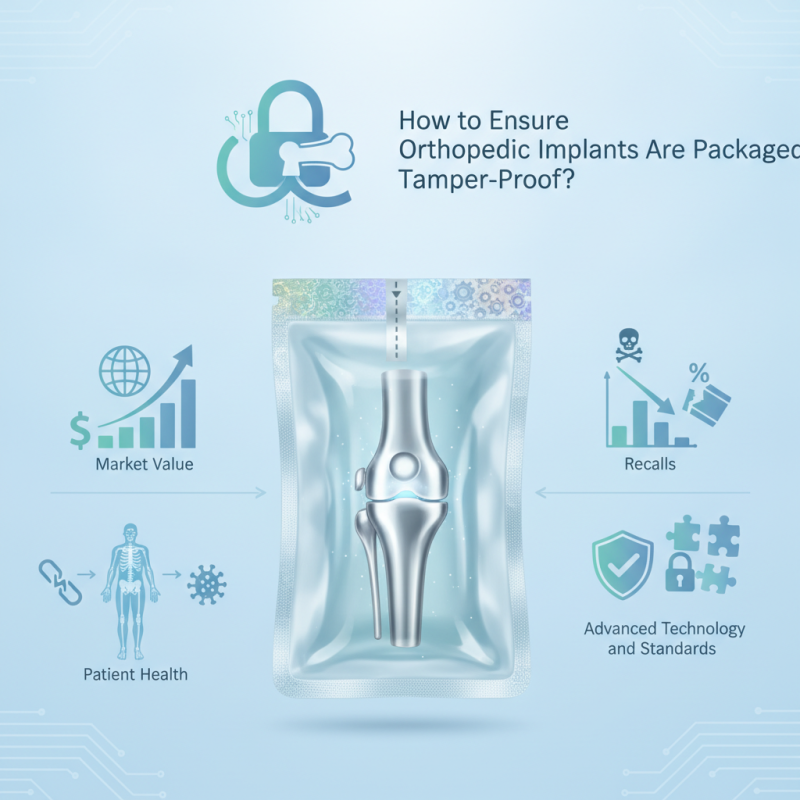
Tamper-proof packaging is crucial in the orthopedic implant industry. Studies have shown that in 2021, nearly 24% of medical device recalls were due to packaging failures. This raises questions about the integrity of implants often used in surgeries. Ensuring that packaging is tamper-proof helps to mitigate risks associated with contamination or misuse.
Medical implants must remain sterile until the moment they are used. Contaminated implants can lead to severe infections. According to the World Health Organization, surgical site infections account for about 11% of all surgical complications. Tamper-proof packaging can protect against such risks, fostering a safer surgical environment.
Yet, achieving tamper-proof standards is challenging. Many packing materials need to balance strength and cost-efficiency. Reports indicate that 70% of packaging failures were linked to poor design or material choice. It highlights a continual need for innovation in packaging solutions. The industry should emphasize research and development to improve the reliability of packaging methods.
Ensuring orthopedic implants are packaged with tamper-proof solutions is crucial for patient safety. The materials used in such packaging must meet rigorous standards. Commonly selected options include medical-grade plastics, foils, and adhesives. These materials should provide a robust barrier against contamination and unauthorized access.
According to industry reports, 30% of companies face challenges in finding suitable materials for tamper-proof packaging. Many struggle with the balance between durability and cost-effectiveness. This necessitates ongoing research and development. The right materials must also be compatible with sterilization processes to maintain the integrity of implants.
One approach includes using tamper-evident seals. These are designed to indicate if packaging has been compromised. However, manufacturers often overlook the importance of user education. Healthcare professionals need training on recognizing tampering signs and ensuring proper inspection of packaging. This oversight can result in serious lapses in safety protocols. Rigorous testing and validation of packaging materials are also essential to ensure compliance with industry standards.
Ensuring orthopedic implants are packaged tamper-proof is critical for patient safety. Effective packaging design begins with understanding potential tampering methods. It is essential to choose materials that are difficult to breach without clear evidence. A combination of rigid external packaging and soft internal cushioning can help protect the implant while offering a visual cue for tampering.
Using advanced sealing technologies enhances tamper-proofing. Heat sealing and adhesive labels can be an effective way to secure package integrity. Design should also incorporate tamper-evident features. This includes special seals that leave a mark if removed. However, creating designs that are user-friendly while maintaining security is a challenge.
**Tips:** Consider the visibility of tamper-evidence. Clear indicators help in quick assessment. Engage user feedback during the design phase to identify potential flaws. Regular testing and simulation can highlight vulnerabilities in packaging. This review process can point out areas needing improvement, fostering continual growth in packaging reliability.
Ensuring the integrity of orthopedic implant packaging is critical. Packaging must withstand handling and environmental factors. This guarantees that the implants remain sterile and tamper-proof until use. Testing the packaging integrity is a vital part of the process.
One effective method is the seal strength test. This evaluates how well the package seals are holding. It’s essential to identify weak points. Another method is airflow testing. By assessing how air moves through the packaging, you can find potential breaches. Visual inspections should also be routine. They can reveal faults that might compromise safety standards.
Tips: Always maintain a controlled environment during testing. Document all results meticulously. Engage team discussions to reflect on methods used. Continuous improvement should be the goal for packaging processes. Imperfections in packaging systems offer valuable learning opportunities. Timing and precision in testing create a more reliable product.
Packaging orthopedic implants requires strict adherence to regulatory standards. Many organizations set guidelines to ensure safety and efficacy. These standards help maintain the integrity of implants during transportation and storage. Proper packaging must prevent tampering, contamination, and damage.
The ISO 13485 standard is crucial for medical device manufacturing. It emphasizes quality management throughout the packaging process. Each step needs careful documentation. From material selection to sterilization, every detail matters. Additionally, compliance with FDA regulations ensures that packaging meets safety requirements. Manufacturers should invest in quality assurance systems. This is vital to achieving a tamper-proof package.
Innovative technologies can enhance packaging security. For example, tamper-evident seals provide visual proof if a package has been opened. Digital tracking systems offer real-time monitoring. However, achieving this level of security is not without challenges. Balancing cost with compliance can be difficult. Continuous evaluation and improvement are necessary. Regular audits can help identify weaknesses in the packaging process.
| Regulatory Standard | Description | Compliance Guidelines | Packaging Methods |
|---|---|---|---|
| ISO 11607 | Requirements for sterile barrier systems and packaging for terminally sterilized medical devices. | Tests for integrity, sealing parameters, and validation protocols. | Blister packs, pouches, and rigid containers with secure sealing mechanisms. |
| FDA 21 CFR Part 820 | Quality system regulations for medical devices, including packaging and labeling requirements. | Design controls, document controls, and record-keeping must be maintained. | Tamper-evident seals and labels, automated packing processes. |
| EN 868-5 | Packaging for terminally sterilized medical devices - part of a series of standards maintaining safety and performance. | Validation and testing of packaging materials for effectiveness during sterilization. | Flexible packaging systems with moisture and gas barrier properties. |
: It ensures patient safety by preventing contamination and unauthorized access during storage and transport.
Medical-grade plastics, foils, and adhesives are frequently selected for their durability and barrier properties.
Many struggle to balance durability and cost-effectiveness. This hinders their ability to find suitable materials.
These seals indicate if the packaging has been compromised, helping to spot tampering early.
Healthcare professionals must recognize tampering signs. Lack of training can lead to safety oversights.
Rigid external packaging, soft internal cushioning, and visible tamper-evident features enhance security and usability.
Regular testing, like seal strength and airflow assessments, identifies weaknesses. This fosters continuous improvement.
Seal strength tests evaluate how well seals hold, identifying potential weak points in the packaging.
Document results meticulously and engage in team discussions to reflect on methods.
Continuous improvement is essential. Identifying imperfections provides valuable opportunities for growth.
Ensuring that orthopedic implants are packaged in tamper-proof containers is critical for maintaining their integrity and safety. The importance of tamper-proof packaging lies in protecting these medical devices from contamination or compromise throughout the supply chain. Utilizing appropriate materials and innovative design considerations enhances the effectiveness of such packaging solutions. Rigorous testing and validation methods are vital to ensure that the packaging can withstand various conditions while maintaining its protective qualities.
Why do orthopedic implants need to be packaged in tamper-proof containers? Simply put, tamper-proof packaging provides a necessary safeguard that assures both healthcare providers and patients that the implants are safe for use. Additionally, adherence to regulatory standards and compliance ensures that these packaging solutions meet the required safety and quality benchmarks, further instilling confidence in their application in medical settings.

Voila Orthopedic Implants