Evaluating orthopedic implant sample testing fees requires more than comparing numbers on a quotation. A credible review examines the test purpose, laboratory competence, sample requirements, and reporting quality. Implant samples may undergo mechanical, dimensional, chemical, biocompatibility, or sterilization-related assessments. Each test demands different equipment, preparation steps, and technical expertise.
Why do orthopedic implants suppliers require sample testing fees? Testing can involve destructive procedures, specialized fixtures, controlled environments, and experienced engineers. A laboratory may also charge for sample preparation, method validation, data analysis, and formal reports. For example, a fatigue test can run for millions of cycles before results are accepted. A coating evaluation may require surface preparation and microscopic inspection. These details can significantly change the final cost.
Ask for an itemized quotation. It should identify the test standard, sample quantity, lead time, laboratory accreditation, and included deliverables. Confirm whether retesting, translation, shipping, or sample disposal costs are excluded. Experienced suppliers should explain why each fee exists, not simply present a fixed total. A trustworthy laboratory can provide relevant case experience, equipment information, and clear quality controls.
The process is rarely neat. A cheaper quote may omit important preparation work. An expensive quote may include unnecessary testing. The right decision depends on risk, evidence, and intended market requirements. Buyers should compare equivalent testing scopes, not isolated prices. They should also review whether the report includes raw data, deviations, photographs, and traceable sample identification. Small omissions matter. A careful evaluation protects budgets while supporting reliable implant performance and responsible supplier selection.
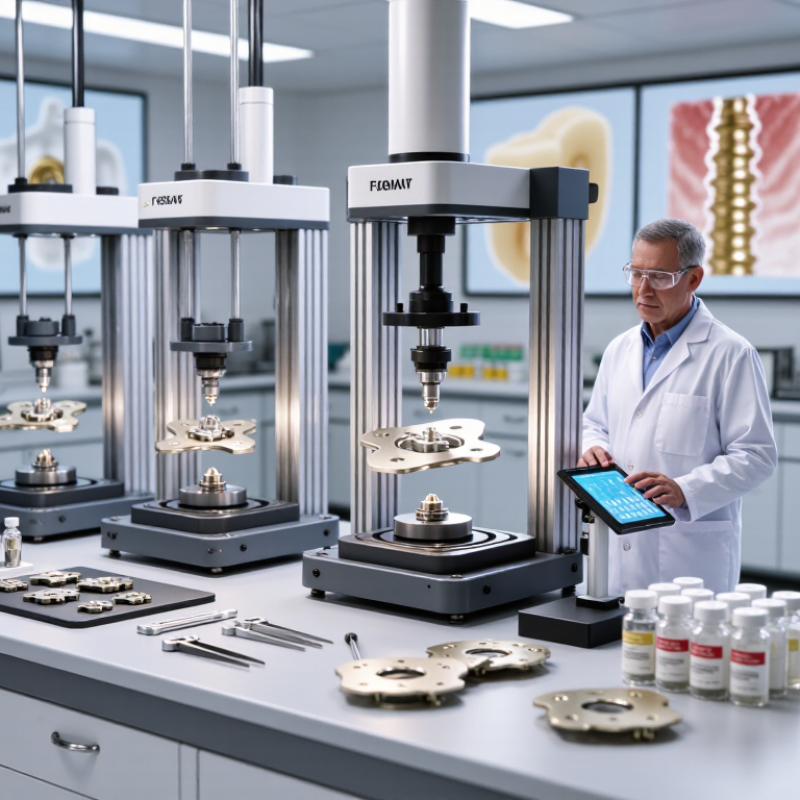
Orthopedic implant sample testing fees depend on the test design, not simply the number of samples. Mechanical fatigue, wear, corrosion, biocompatibility, and sterilization studies require different equipment and expertise. A custom fixture can add substantial engineering time. Preconditioning, such as soaking or cyclic loading, may also extend laboratory use.
Grand View Research estimated the global orthopedic devices market at about USD 47.4 billion in 2023, with projected growth through 2030. This expansion increases demand for reliable verification data, but it does not create a standard testing price. ISO 17025 accreditation, validated methods, sample preparation, technical review, and final reporting all influence the quotation. Expedited scheduling usually costs more. Sometimes, a low quote hides limited documentation or unsuitable test conditions. That deserves careful reflection.
Tips: Request an itemized quotation. Confirm the exact standard, sample quantity, conditioning time, acceptance criteria, and reporting format. Ask whether failed or damaged samples require replacement. Check the laboratory’s scope of accreditation, relevant orthopedic testing experience, equipment capacity, and uncertainty calculations. Compare the technical plan before comparing prices. FDA guidance on orthopedic device submissions also shows why test methods must match the device’s intended use and risks. A quotation is useful only when its assumptions are visible.
Each test measures a different risk. Dimensional checks usually cost less than long mechanical studies. Equipment, staffing, samples, and reporting affect the final fee.
Mechanical testing often costs the most. Fatigue, torsion, wear, and static strength studies may require custom fixtures and weeks of machine time.
Yes. A small design change may require fresh specimens. Previous results may no longer represent the updated implant.
Charges may include machining, polishing, cleaning, sterilization, shipping, fixture installation, and sample disposal. These details are easy to miss.
It should list test methods, sample preparation, equipment, quantities, duration, acceptance criteria, and reporting requirements. Every assumption should be written clearly.
Ask about calibrated equipment and documented procedures. Review experience with metal, polymer, and coated materials. Check traceable records.
It may exclude calibration, raw data, deviations, retesting, or method validation. The low price can become expensive later.
Custom fixture production, destructive testing, repeat runs, and detailed report reviews may extend the schedule. Fast promises need careful checking.
Ask whether the laboratory investigates preparation errors or only reports failure. Clarify retesting costs and acceptance criteria beforehand.
Not always. Laboratories may describe similar services differently. My comparison could remain imperfect without a clarification meeting.
Evaluating orthopedic implant sample testing fees requires more than comparing the final price on a laboratory quote. Why do orthopedic implants suppliers require sample testing fees? These fees typically cover professional work needed to prepare, inspect, and assess implant samples for safety, performance, material characteristics, sterilization, packaging, and other technical requirements. The total cost depends on the testing category, sample complexity, number of specimens, test methods, equipment, reporting requirements, and whether specialized preparation or repeat testing is necessary.
When comparing laboratories, review the complete service scope, expected turnaround time, accreditation, technical expertise, quality controls, and compliance documentation rather than focusing only on the lowest quotation. Also check for additional charges such as sample handling, machining, transportation, data analysis, urgent service, retesting, or report revisions. A valuable testing service should provide transparent pricing, reliable results, clear communication, and documentation that supports product evaluation and regulatory preparation. Assessing cost against quality, technical coverage, and compliance value helps suppliers choose testing services that reduce uncertainty and support responsible implant development.

 Voila Orthopedic Implants