In the orthopedic implant industry, product standardization plays a critical role. A report from Grand View Research indicates that the orthopedic implants market is projected to reach USD 59.75 billion by 2028. This emphasizes the need for uniformity in product design and specifications. Standardization can enhance compatibility, reduce costs, and improve patient outcomes, making it vital for effective distribution.
Dr. Sara Johnson, an expert in orthopedic surgical practices, states, "Why is product standardization important for orthopedic implants distribution? It ensures that healthcare providers have reliable and compatible options." Her insights highlight the challenges faced by surgeons when dealing with varied implant designs and quality. Moreover, inconsistent products can lead to complications during surgeries, reflecting the importance of standardized solutions.
Despite the advantages, achieving standardization is not without challenges. Different manufacturers may resist uniform protocols, fearing it could limit innovation. The balance between innovation and standardization is delicate. Addressing this issue requires collaboration between industry stakeholders and regulatory bodies, ensuring patient safety remains a priority while fostering advancements.
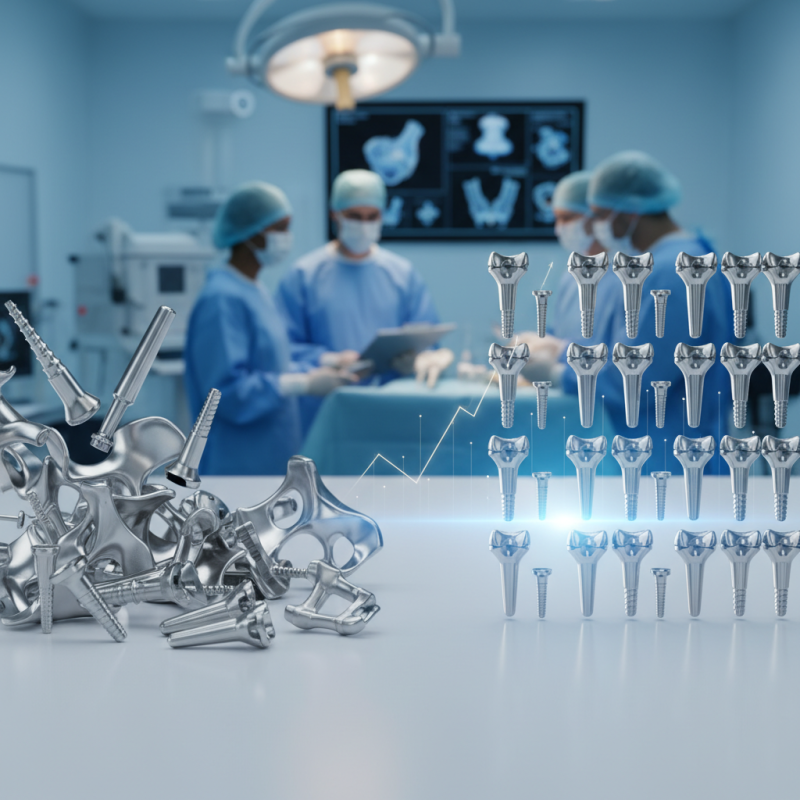
Importance of Product Standardization in Orthopedic Implants
Product standardization in orthopedic implants holds significant importance for several reasons. According to a report by MarketsandMarkets, the global orthopedic implants market is projected to reach $76.9 billion by 2024, highlighting the growing demand for consistency and quality in this sector.
Standardized products can enhance interoperability, enabling surgeons to work efficiently and improve patient outcomes. Consistent specifications help to reduce variability in surgical procedures, which is crucial for optimal healing.
Surgeons often face challenges when using implants from different manufacturers due to varying sizes and designs. Research indicates that a streamlined approach can reduce surgical time by up to 20%. Offering standardized implants allows healthcare providers to focus on patient care rather than troubleshooting device compatibility.
Tips: Consider advocating for the use of standardized products in your institution. Emphasize their role in minimizing risks associated with surgical errors. Regularly review and analyze the effectiveness of standardized implants in your practice, as it can foster continuous improvement in surgical outcomes.
Key Benefits of Standardized Orthopedic Implant Designs
Standardized orthopedic implant designs bring numerous advantages to both patients and healthcare providers. One major benefit is improved compatibility. When implants follow a standard design, surgeons can more easily select the right size and shape for each patient. This compatibility helps in reducing the surgical time significantly. Additionally, it allows doctors to focus more on patient care instead of spending excessive time choosing implants.
Another important aspect is enhanced safety and reliability. Standardization means that designs are thoroughly tested and refined over time. This reduces the likelihood of device failure. Surgeons often feel more confident using implants that have a proven track record. They can rely on data from peer-reviewed studies, knowing the outcomes are generally positive. However, the reliance on standardization may lead to a lack of innovation in some cases.
Cost-effectiveness is also a compelling reason. Standardized designs often lead to reduced manufacturing and inventory costs. Hospitals can stock a smaller variety of implants, ensuring that they always have the right options available. This efficiency can lower overall healthcare costs, which is beneficial for all parties involved. Yet, it’s essential to remain critical of a one-size-fits-all approach, as individual patient needs can vary significantly.
Key Benefits of Standardized Orthopedic Implant Designs
Challenges in Achieving Standardization for Orthopedic Implants
Achieving standardization in orthopedic implants presents significant challenges. The complexity of human anatomy is a primary factor. Every patient has unique bone structures, making it difficult to create one-size-fits-all solutions. Customized implants may offer better fit, but they complicate the manufacturing process.
There is also a lack of consensus among professionals. Surgeons often have diverse preferences based on their experiences. This variation can lead to inconsistent implant designs.
Furthermore, regulatory hurdles can slow the approval of standardized products. Each region may have its own set of guidelines, complicating global standardization efforts.
Finally, the push for innovation creates tension with standardization. While new materials and designs can enhance performance, they may deviate from established norms. Striking a balance between innovation and standard practices is an ongoing struggle.
Standardization is essential for safety and efficiency, but achieving it is far from straightforward. Reflecting on these challenges allows stakeholders to better understand the intricacies involved in standardizing orthopedic implants.
Impact of Standardization on Patient Outcomes and Safety
Product standardization in orthopedic implants directly affects patient outcomes and safety. When implants are standardized, surgeons can select devices they are familiar with. This familiarity often leads to better surgical precision and improved recovery times. Studies show that standardized implants can reduce complication rates. A consistent design aids in training new surgeons, fostering a culture of safety.
However, challenges exist. Not all implants fit every patient perfectly. Individual anatomical differences can complicate outcomes. While standardization increases efficiency, it may not cater to the unique needs of every patient. Some surgeons express concerns about a one-size-fits-all approach. They argue that customization is sometimes necessary for optimal results.
Standardization in orthopedic implants should not ignore the need for personal care. Balancing efficiency with individual patient needs is crucial. As the industry moves toward more standardized products, ongoing dialogue among surgeons, patients, and manufacturers is essential. This reflection will help ensure that safety and outcomes remain paramount in orthopedic care.
Future Trends in Orthopedic Implant Standardization Practices
Standardizing orthopedic implants is essential for ensuring safety and reliability. With so many types of surgeries and patients, this can become complex. Future trends in implant standardization are promising but face challenges. The goal is to create universal standards that enhance surgical procedures and patient outcomes.
Emerging technologies are driving changes in standardization practices.
3D printing allows for customized implants, tailored to individual patient needs. This innovation raises questions about how customized options fit into standard protocols. There is a balancing act between personalization and the need for consistency.
Data analytics is another important factor. Hospitals are gathering vast amounts of information from implant usage and patient outcomes. This data can help in identifying best practices and performance benchmarks. However, inconsistencies in data collection methods can lead to unreliable conclusions. A shift towards unified data standards would benefit the industry greatly. Without it, progress may stall. Engaging in ongoing discussions among stakeholders is crucial for meaningful advancements in this field.
FAQS
: It enhances interoperability and improves patient outcomes by ensuring consistent specifications during surgeries.
Standardized products can reduce surgical time by up to 20%, enabling efficient procedures for surgeons.
They offer improved compatibility, allowing surgeons to easily select the correct size for each patient.
Standardized designs undergo thorough testing, reducing the likelihood of device failure and increasing safety.
Yes, they can lower manufacturing costs and allow hospitals to stock fewer implant varieties effectively.
It may hinder innovation and overlook individual patient needs, which can vary significantly.
Advocate for their use while continuously reviewing their effectiveness to foster improvements in outcomes.
Surgeons may feel more confident using proven designs, but it could also limit their flexibility in unique cases.
No, it's crucial to assess each patient's specific needs, as a one-size-fits-all approach may not be effective.
They provide data on outcomes, helping surgeons make informed decisions based on reliable evidence.
Conclusion
Product standardization is crucial for orthopedic implants as it enhances efficiency and safety in distribution. One of the primary reasons why product standardization is important for orthopedic implants distribution is that it streamlines the manufacturing process, leading to reduced costs and improved accessibility for healthcare providers. Standardized designs can facilitate easier training for surgeons and operating room staff, ultimately resulting in quicker and more consistent procedures.
However, achieving standardization presents challenges, such as varying regulations and the need for industry-wide collaboration. Despite these hurdles, the positive impact of standardization on patient outcomes cannot be overlooked. It ensures compatibility, reduces the risk of complications, and promotes better overall safety in orthopedic surgeries. Looking ahead, emerging trends in standardization practices indicate a future that prioritizes collaborative efforts among manufacturers, clinicians, and regulatory bodies to enhance the development and distribution of orthopedic implants.

 Voila Orthopedic Implants