China Top 10 Orthopedic Implant Customs Clearance Issues?

Time:2026-10-21 Author:Charlotte
0%

Orthopedic implants cross borders under intense scrutiny because they affect patient safety, product traceability, and clinical outcomes. Importers must manage classification, documentation, valuation, labeling, and destination-country requirements together. A missing certificate can stop a shipment containing hip stems, spinal cages, or trauma plates.

What are the common customs clearance issues for orthopedic implants imports? The answer usually begins with incorrect HS classification. Different implant materials, designs, and intended uses may require different tariff treatment. Product descriptions can also create delays when they say “medical parts” instead of naming the implant clearly. Customs officers may request commercial invoices, packing lists, certificates of origin, device registrations, and manufacturer declarations.

According to medical-device trade compliance adviser James E. Bartlett, “A predictable customs process begins with accurate product data, not paperwork prepared at the last minute.” That principle is practical. Serial numbers, lot numbers, quantities, and package labels should match across every document. They often do not. Even experienced teams miss one detail.

Other risks include inconsistent declared values, unclear country-of-origin information, incomplete importer details, and brokers using outdated instructions. Temperature-sensitive biological components require additional care, while sterile implants need protected packaging and visible traceability. Customs clearance is not only a logistics task. It connects regulatory control with patient safety.

This guide examines ten frequent orthopedic implant clearance problems. It also considers preventive checks, broker communication, and document-control habits. No checklist is perfect. A shipment can still face questions. However, careful preparation makes those questions easier to answer, faster to resolve, and less likely to interrupt hospital supply schedules.
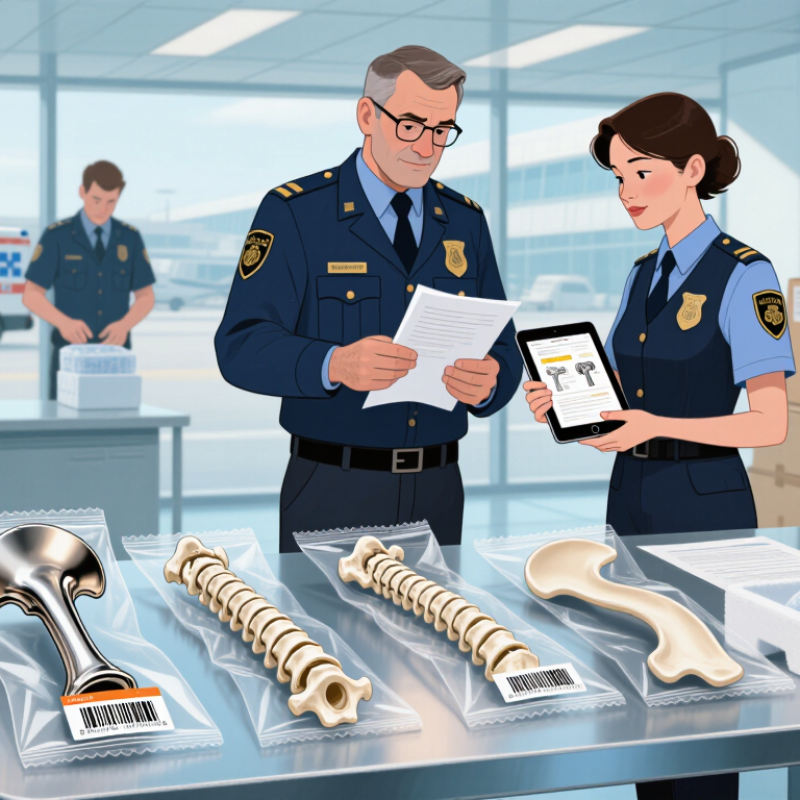
China Top 10 Orthopedic Implant Customs Clearance Issues?

China Orthopedic Implant Clearance: 10 Risks Under HS 9021

China orthopedic implant clearance under HS 9021 involves more than choosing a tariff code. The first risk is misclassification between implants, fixation devices, instruments, and related accessories. A similar-looking component may require different customs treatment. The second risk is an incomplete product description. “Metal implant” is rarely precise enough. Customs officers may request material, anatomical use, model, and function.

Other risks include missing medical device registration evidence, using an unqualified importer, and presenting inconsistent commercial invoices. Declared value can also create problems when tooling, royalties, samples, or bundled accessories are excluded. Country-of-origin details must match the manufacturing records. They should not rely only on the shipping label. Packaging creates another risk: Chinese labeling, lot numbers, serial numbers, sterilization status, and expiry information may be checked against the documents. Small discrepancies matter.

A further concern is inspection triggered by unusual quantities, unclear end use, or incomplete technical files. Customs may hold cargo while seeking certificates, test reports, or authorization letters. Product names translated by a freight agent can also distort the intended classification. That mistake is surprisingly common. In practice, I would compare the HS 9021 proposal with the device registration category, invoice wording, packing list, and transport documents before shipment. Still, this review is not perfect; border interpretations can change, and one overlooked accessory may alter the declaration. Clearance planning should involve a licensed customs professional and the responsible medical-device compliance team.

NMPA Class III Registration: The First Mandatory Clearance Check

China Top 10 Orthopedic Implant Customs Clearance Issues: NMPA Class III Registration

For orthopedic implants, NMPA Class III registration is the first mandatory clearance check. Imported joint, spinal, and trauma implants generally require a valid NMPA registration certificate before entry. Clearance teams compare the certificate, importer details, product model, packaging, and Chinese instructions. A single model mismatch can stop a shipment. Small errors matter.

NMPA’s 2023 Annual Report recorded 250 innovative medical device approvals, reflecting increasingly technical review expectations. The China Medical Device Industry Development Report 2023 also identifies orthopedic products as a major high-value segment. In practice, customs preparation should begin with a line-by-line document review. The certificate holder, overseas manufacturer, Chinese agent, product name, sterilization status, and shelf life must remain consistent. An implant box may look complete, yet its Chinese label can still conflict with the approved registration file.

That is the real gate.

Shipment teams should prepare the registration certificate, commercial invoice, packing list, import declaration, authorization documents, and applicable inspection records. Product samples and catalogue descriptions should use the same model language. Our own review can be too optimistic. Customs questions may expose gaps between regulatory documents and warehouse packaging. NMPA registration does not replace every import requirement, but it establishes the basic legal identity of the device. That identity must be clear before the container reaches the inspection area.

HS 9021 Classification Errors and the Impact of 13% Import VAT

China Top 10 Orthopedic Implant Customs Clearance Issues: HS 9021 Classification Errors and the Impact of 13% Import VAT

In practice, HS 9021 errors often begin with a rushed product description. “Orthopedic implant” is not always enough for Chinese customs review. Officers may examine the implant’s function, material, anatomical use, packaging, and whether it is temporary or permanent. Screws, plates, joint components, and fixation systems may require different tariff analysis. A code copied from another country can create problems. HS structures are not identical everywhere. This is easy to underestimate.

The financial impact can be significant. Where applicable, China’s 13% import VAT is generally calculated on the customs value plus import duty and other taxable charges. A wrong classification may increase the duty rate and expand the VAT base. Even when duty is low, the VAT cash payment can become substantial on high-value implants. For example, a declared value of USD 100,000 may produce more than USD 13,000 in VAT before duty adjustments. Incomplete invoices, unclear material details, or inconsistent registration documents can also delay release. A practical weakness is relying only on the broker’s first opinion. Experienced importers compare technical drawings, product registration information, supplier invoices, and current tariff guidance before shipment. That review is not always perfect. It should be documented and revisited when the implant design changes.

Invoice, UDI, Lot, and Model Mismatches in GACC Data Review

China Top 10 Orthopedic Implant Customs Clearance Issues?

Orthopedic implant clearance often slows when commercial invoices conflict with GACC data. The product description may say “tibial component,” while the customs record uses a different model code. Even one missing digit can trigger questions. Check the invoice, packing list, import declaration, and product registration records together. Small differences matter.

UDI information requires equal attention. The UDI, catalog number, and sterilization status should match the shipped item. Lot numbers must remain consistent across cartons, certificates, and electronic records. Do not shorten a lot code for convenience. It can create doubt during document review. A clear carton photograph often helps confirm the physical label.

Model mismatches are common. A supplier may update a product suffix without notifying the importer. That change can affect classification, declared value, and supporting documents. Customs brokers should compare new shipments against approved product data before dispatch. Keep a controlled master file with revision dates and responsible reviewers. It is not perfect. Human entry errors still happen. A second review catches many of them. When uncertainty remains, ask the relevant customs contact or qualified local advisor before shipment, rather than correcting records after arrival.

Sterility and Packaging Evidence: ISO 13485, ISO 10993, and GB 4234

Sterility and Packaging Evidence in Orthopedic Implant Customs Clearance

Customs officers may ask for more than a sterilization statement. They often need a traceable evidence chain, from production records to the sealed implant pouch. ISO 13485 supports this chain through documented quality controls, supplier records, complaint handling, and batch release procedures. It does not, by itself, prove that one shipment is sterile.

Show the details. Include the sterilization method, validation report, cycle records, biological indicator results, and sterility release criteria. Packaging evidence should identify the pouch material, sealing parameters, seal-strength results, and aging data. A damaged corner or unclear lot code can create questions at the inspection table. Small details matter.

ISO 10993 supports biological safety evaluation, including testing related to skin, tissue, blood, or implant contact. The test plan should match the device’s materials, contact duration, and clinical use. GB 4234 may support evidence concerning metallic materials for surgical implants, but its exact application should be checked against the product and current Chinese requirements. A certificate alone may be insufficient.

In practice, technical files are rarely perfect. I have seen packaging drawings use different revision numbers from inspection records. That inconsistency can delay review. Prepare a clear index linking the product model, lot number, sterilization record, packaging report, ISO 10993 assessment, and GB 4234 evidence. Make every document tell the same story.

This chart ranks ten common customs-clearance evidence issues for orthopedic implants by practical review priority. The assessment focuses on documentation related to ISO 13485 quality management, ISO 10993 biological evaluation, sterilization validation, packaging integrity, labeling, and GB 4234 requirements for metallic surgical implant materials. Scores indicate relative priority rather than official customs incidence statistics.

FAQS

Why can orthopedic implants be misclassified under HS 9021?

Similar-looking implants, screws, plates, and fixation devices may require different tariff analysis. Function matters. Material, anatomy, permanence, and packaging can influence classification.

Is “metal orthopedic implant” a sufficient customs description?

Usually, no. Provide the material, anatomical use, model, function, and temporary or permanent status. Vague wording invites questions. A rushed description may cause delays.

How can incorrect classification affect import VAT?

Where applicable, import VAT may be calculated using customs value, duty, and other taxable charges. A USD 100,000 declaration could create over USD 13,000 in VAT before duty adjustments. The exact amount requires current review.

Which documents should support an orthopedic implant declaration?

Prepare the invoice, packing list, technical drawings, registration evidence, transport documents, and tariff analysis. Keep product names consistent. One overlooked accessory can change the declaration.

What evidence may customs request for sterile implants?

Customs may request sterilization methods, validation reports, cycle records, biological indicator results, and release criteria. A sterilization statement alone may be insufficient. Traceability matters.

What packaging details should exporters check before shipment?

Check pouch material, sealing parameters, seal-strength results, aging data, lot numbers, and expiry information. Inspect every corner. A damaged pouch can trigger inspection questions.

How should biological safety and metallic material evidence be organized?

Link the assessment to the implant’s material, tissue contact, contact duration, and clinical use. Organize metallic material evidence by model and revision. The file may still contain gaps.

Why do document inconsistencies cause customs delays?

Customs may compare model numbers, lot codes, revision numbers, sterilization records, and packaging reports. A drawing revision that differs from inspection records can delay release. Documents should tell one story.

Conclusion

China orthopedic implant customs clearance involves several technical and documentation risks that importers should address before shipment. What are the common customs clearance issues for orthopedic implants imports? The most frequent concerns include incorrect HS 9021 classification, inconsistent product descriptions, and failure to complete the required NMPA Class III registration review. Classification errors may also affect the applicable 13% import VAT calculation, creating delays, additional costs, or requests for clarification from customs authorities.

Importers should ensure that invoices, packing lists, product models, lot numbers, UDI information, and GACC declaration data are fully consistent. Customs may also request evidence related to sterility, packaging integrity, and product safety, including relevant ISO 13485 quality-system documentation, ISO 10993 biocompatibility information, and compliance materials associated with GB 4234. A complete, accurate, and traceable document package can reduce inspection risks and support a smoother clearance process for orthopedic implants.

Charlotte

Charlotte

Charlotte is a seasoned marketing professional with a deep understanding of the company's portfolio and a passion for elevating its presence in the market. With a keen eye for detail and a commitment to excellence, she ensures that our professional blog is regularly updated with insightful articles......