How to Verify Real Production Capacity of Orthopedic Implants?

Time:2026-05-19 Author:Amelia
0%

In the rapidly evolving field of orthopedic implants, ensuring the reliability of production capacity is critical. Dr. Jane Smith, an expert in medical device manufacturing, emphasizes, “Understanding a factory’s true production capabilities can make or break your supply chain.” This highlights the importance of verifying the real production capacity of orthopedic implants factories.

A comprehensive assessment involves evaluating machinery, workforce skills, and production processes. It is vital to know not just the numbers, but also the quality behind them. Are factories equipped to handle fluctuations in demand? Do they prioritize consistent output without sacrificing safety? These are essential questions that must be answered to build trust in suppliers.

Moreover, transparency in the production process can sometimes be missing. Many factories present polished data that may not fully represent their operational realities. This could lead to expectations that are misaligned with actual capabilities. Therefore, exploring how to verify the real production capacity of orthopedic implants factories requires diligence and expertise. Engaging in thorough audits and fostering open communication with suppliers can uncover critical insights, ensuring that partnerships are built on a solid foundation.
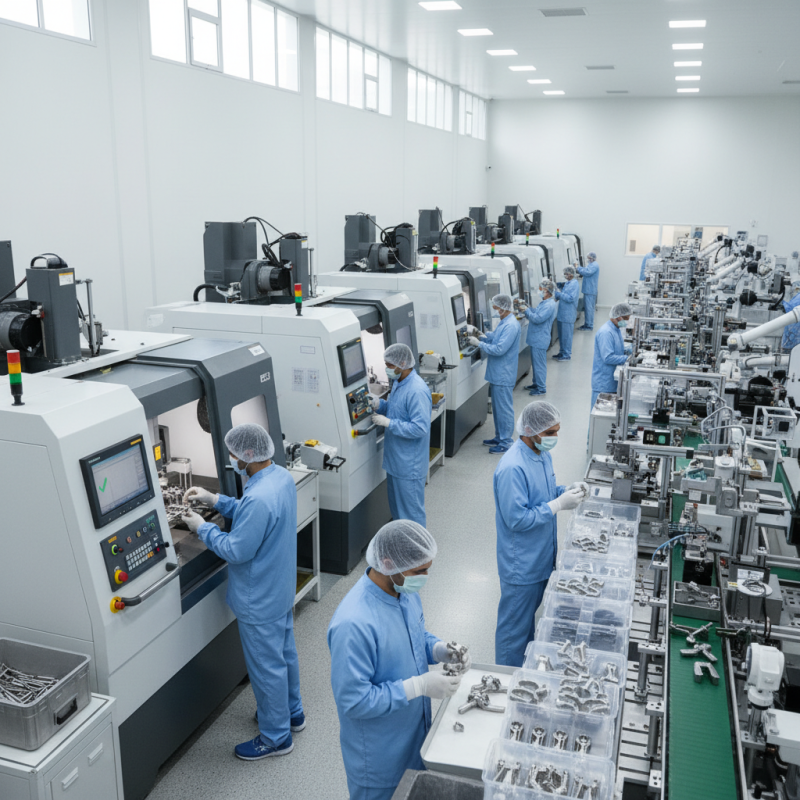
How to Verify Real Production Capacity of Orthopedic Implants?

Understanding Production Capacity in Orthopedic Implant Manufacturing

Verifying the real production capacity of orthopedic implants involves understanding key aspects of the manufacturing process. The capacity isn’t just about output numbers; it encompasses quality control, technology, and workforce expertise. Manufacturers need to track not only quantities produced but also consistency in product quality. A reliable production line should adapt to the complexity of various implant designs while maintaining precision.

Data collection and analysis play crucial roles here. Regular audits and performance metrics can reveal a lot about efficiency. If a facility claims high output, yet the defect rate is above industry standards, there is a clear misalignment. Engaging with production staff offers insights that numbers alone might not capture. Discovering issues in the workflow or machinery can point to hidden inefficiencies.

Respecting all regulatory standards is non-negotiable. Overlooking these may compromise not only production capacity but also safety. It's essential to foster a culture of continuous improvement, allowing teams to identify and rectify flaws. Reflecting on past challenges can help enhance future processes. This focus on both capacity and quality is critical in the orthopedic implant industry.

Critical Factors in Assessing Production Volume of Medical Devices

Verifying the production capacity of orthopedic implants involves several critical factors. One essential aspect is the assessment of manufacturing facilities. These sites must meet strict regulatory standards. Quality control practices should be in place. Testing and validation procedures are vital to ensure product safety. Equipment used in manufacturing should be regularly calibrated and maintained. Staff training and expertise play a significant role in this process.

Another consideration is the production volume. Analyzing the output history and scalability of the operation provides insight. Companies may promise high volumes but fail to deliver. It is crucial to understand bottlenecks in the production process. Delays can arise from supply chain issues or equipment failures. Evaluating turnaround time is also necessary. Does the company consistently meet deadlines, or do they struggle?

Financial stability can affect production capacity as well. Companies facing economic challenges may have limited resources to scale production. Furthermore, market demand fluctuates for orthopedic devices. This variability affects long-term planning. Prospective partners must perform due diligence to gauge reliability. These factors together create a clearer picture of an organization's ability to meet future needs.

Production Capacity of Orthopedic Implants

Industry Standards for Orthopedic Implant Production and Quality Control

Verifying the real production capacity of orthopedic implants involves understanding industry standards that govern quality control. Manufacturers must comply with diverse regulations that ensure implants are safe and effective. For instance, stringent protocols exist to evaluate materials, dimensions, and mechanical properties. These benchmarks help maintain consistency across production lines.

Quality control checks should not just be routine; they need to be rigorous. Regular audits of the production process reveal potential weaknesses. Microscopic examination of implant surfaces can expose defects that might affect performance. Meeting ISO 13485 standards is crucial, yet achieving this goal often presents a challenge. Continuous training for personnel can enhance skills but may also highlight the need for better communication within teams.

Moreover, companies sometimes fall short in documenting processes accurately. Maintaining clear records of production changes is vital. It creates a trail that facilitates traceability. Yet, this documentation can be inconsistent, leading to potential gaps in quality assurance. Investing in technology can help, but the human element remains a crucial factor. Emphasizing a culture of quality can motivate teams to strive for excellence. Even with advancements, the journey to perfect production is ongoing and requires reflective practices.

How to Verify Real Production Capacity of Orthopedic Implants? - Industry Standards for Orthopedic Implant Production and Quality Control

Production Indicator Standard Value Measured Value Compliance Status
Daily Production Capacity 500 units 450 units Below Standard
Defect Rate < 2% 1.5% Compliant
Quality Assurance Audit Score 90% 85% Below Standard
Production Lead Time 5 days 4 days Compliant
Employee Training Completion Rate 100% 95% Below Standard

Utilizing Technology to Measure Orthopedic Implant Manufacturing Capacity

To accurately measure the manufacturing capacity of orthopedic implants, technology plays a crucial role. Advanced systems, such as Industry 4.0 solutions, provide real-time data on production processes. Utilizing IoT sensors and AI can enhance efficiency and ensure quality control. A recent report by the Orthopedic Manufacturers Association indicates that companies employing smart technology can boost output by up to 30%. This enhances their ability to meet growing market demands.

Monitoring production capacity requires a detailed approach. Digital twins can simulate manufacturing processes, allowing companies to identify bottlenecks. Implementing such simulation tools leads to better resource allocation. However, reliance on technology isn't foolproof. If data input is inaccurate, it can skew capacity measurements. Over 20% of manufacturers report challenges in data integration and accuracy, highlighting the need for continuous improvement.

Investing in training is equally important. Employees must understand new systems to maximize their potential. Despite advancements, many workers still feel unprepared to adopt these technologies. A survey found that nearly 40% of workers lack confidence in using smart manufacturing tools effectively. Addressing these gaps is essential for ensuring accurate production capacity verification.

Evaluating Supplier Reliability in Orthopedic Implant Production Chain

In the orthopedic industry, assessing supplier reliability is critical. Reports indicate that nearly 30% of implant recalls are due to production issues. Therefore, understanding a supplier's production capacity is vital for ensuring product quality and safety. Analyze their manufacturing processes, quality control measures, and compliance with regulatory standards.

Tips: Always request documentation of certifications and past audit results. This can reveal a supplier's commitment to quality.

Supplier reliability is not just about capacity; it also relies on their track record. Statistics show that consistent suppliers can deliver on-time 95% of the time or more. Delays can affect patient outcomes, so choose partners who demonstrate reliable performance.

Tips: Look for references from other healthcare providers. These can offer insights into the supplier’s reliability.

While evaluating a supplier, be cautious about overly optimistic claims. Some suppliers may overstate their capabilities. Always validate their production capacity through third-party assessments or site visits. It is essential to maintain a realistic perspective on what constitutes reliable production.

FAQS

: What factors are critical in assessing the production capacity of medical devices?

: Key factors include manufacturing facility standards, quality control practices, equipment maintenance, and staff training.

How does production volume affect capacity assessment?

Production volume analysis reveals output history and potential scalability issues, like bottlenecks or delays.

What role does financial stability play in production capacity?

Companies facing financial difficulties may struggle to scale production, affecting their long-term planning.

How can technology improve the assessment of manufacturing capacity?

Advanced systems like IoT and AI enhance efficiency, providing real-time data and boosting output by up to 30%.

What is the importance of monitoring production capacity?

Detailed monitoring helps identify bottlenecks and improves resource allocation but requires accurate data input for validity.

Why is supplier reliability crucial in orthopedic implants production?

Supplier reliability directly impacts product safety, with production issues causing nearly 30% of implant recalls.

What should be considered when evaluating a supplier's reliability?

Analyze their manufacturing processes, quality control measures, and request documentation of certifications and past audits.

How can I assess a supplier's track record?

Look for references and documentation demonstrating consistent on-time delivery, ideally 95% or more.

What caution should I take when assessing suppliers?

Be wary of suppliers who overstate capabilities and always validate through third-party assessments or site visits.

What skills do workers need for smart manufacturing tools?

Employees must be trained on advanced systems; many still feel unprepared despite technological advancements in the industry.

Conclusion

In the realm of orthopedic implant manufacturing, accurately determining production capacity is crucial for ensuring product availability and quality. To answer the question of "how to verify the real production capacity of orthopedic implants factories," one must first understand the various factors influencing production volume, including technological capabilities, workforce efficiency, and adherence to industry standards. Assessing these elements involves a thorough evaluation of manufacturing processes and quality control measures that align with regulatory requirements.

Additionally, leveraging advanced technologies such as data analytics and automated monitoring systems can provide insights into manufacturing efficiency and potential bottlenecks. Evaluating supplier reliability is equally important, as it plays a critical role in maintaining a steady supply chain and meeting production targets. By taking a comprehensive approach to these aspects, stakeholders can effectively verify and enhance the production capacity of orthopedic implants, ensuring they meet market demands and quality expectations.

Amelia

Amelia

Amelia is a seasoned marketing professional with a wealth of expertise in our company’s core offerings. With an unwavering passion for driving growth and innovation, she plays a pivotal role in shaping our marketing strategies and enhancing brand visibility. A key aspect of her responsibilities......