Engineered to clinical excellence standards, offering reliable biomechanical stabilization and osteophilic integration.
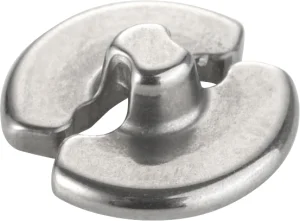
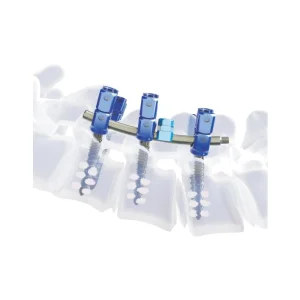
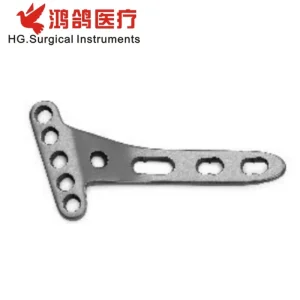
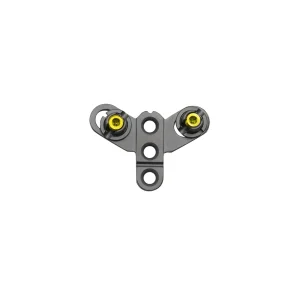
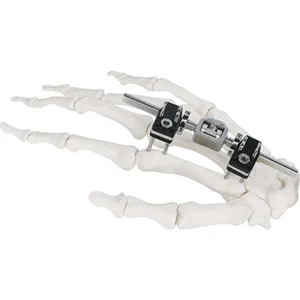
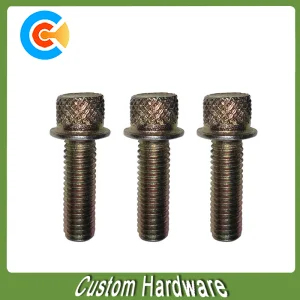
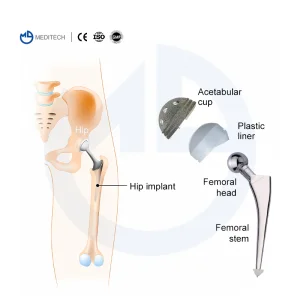
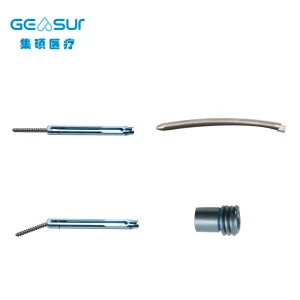
We are the most reputed manufacturers and exporters of Orthopedic Implants and Instruments, recognized as a Star Export House certified directly by the Government. With decades of material engineering experience, our focus has expanded into the highly specialized segment of bioabsorbable fixation systems.
Today, we proudly export to more than 80 countries worldwide, offering a comprehensive suite of bioabsorbable fixation plates, pins, interference screws, and anatomical anchors. We operate under a highly comprehensive medical quality management system that complies with ISO 9001:2015, EN ISO 13485:2016, CE Mark, and WHO: GMP Compliance. Leading biomedical and surgical engineering companies in Europe and the USA regularly source from our facilities due to our strict adherence to international tolerances and mechanical validation protocols.
Unlike many commodity manufacturers, we refuse to compromise on material purity to reduce costs. We understand that in orthopedic reconstruction, human life is invaluable. Our mission is to provide surgeons with implant structures that display a perfect match with bone healing kinetics.
Understanding polymer chemistry, shear strength profiles, and biological absorption trajectories for next-generation orthopedics.
In modern osteosynthesis and sports medicine, the transition from permanent metal fixation to bioabsorbable polymer matrices represents a critical evolution. Traditional titanium and stainless-steel hardware often require secondary removal procedures, generate stress shielding, and interfere with post-operative MRI diagnostics. Bioabsorbable fixation systems mitigate these complications by providing temporary mechanical stability before safely hydrolyzing into non-toxic metabolites.
Our bioabsorbable devices are compounded from medical-grade, highly purified polymers. By adjusting the monomer ratios, we control both the initial tensile strength and the degradation rate:
| Polymer Compound | Crystallinity (%) | Initial Tensile Strength (MPa) | Strength Retention Duration | Total Absorption Time |
|---|---|---|---|---|
| PLLA | 37 - 45% | 60 - 80 MPa | 6 - 12 Months | 18 - 36 Months |
| PDLLA | Amorphous | 45 - 55 MPa | 2 - 4 Months | 12 - 18 Months |
| PLGA (85/15) | Low-Crystalline | 50 - 65 MPa | 6 - 8 Weeks | 9 - 12 Months |
| PLLA + β-TCP (Osteoconductive) | Composite | 55 - 70 MPa | 4 - 8 Months | 12 - 24 Months |
The resorption of bioabsorbable fixation implants occurs through bulk hydrolysis. Water molecules penetrate the polymer, cleaving the ester bonds and steadily lowering the molecular weight of the implant. Crucially, the mechanical integrity of the device decreases at a slower pace than the molecular mass. Once the polymer chains decompose into simple lactic and glycolic acids, local macrophages process them. Ultimately, they exit the body as carbon dioxide and water through the standard metabolic cycles.
How we verify mechanical safety, raw material purity, and dimensional accuracy for our global orthopedic clients.
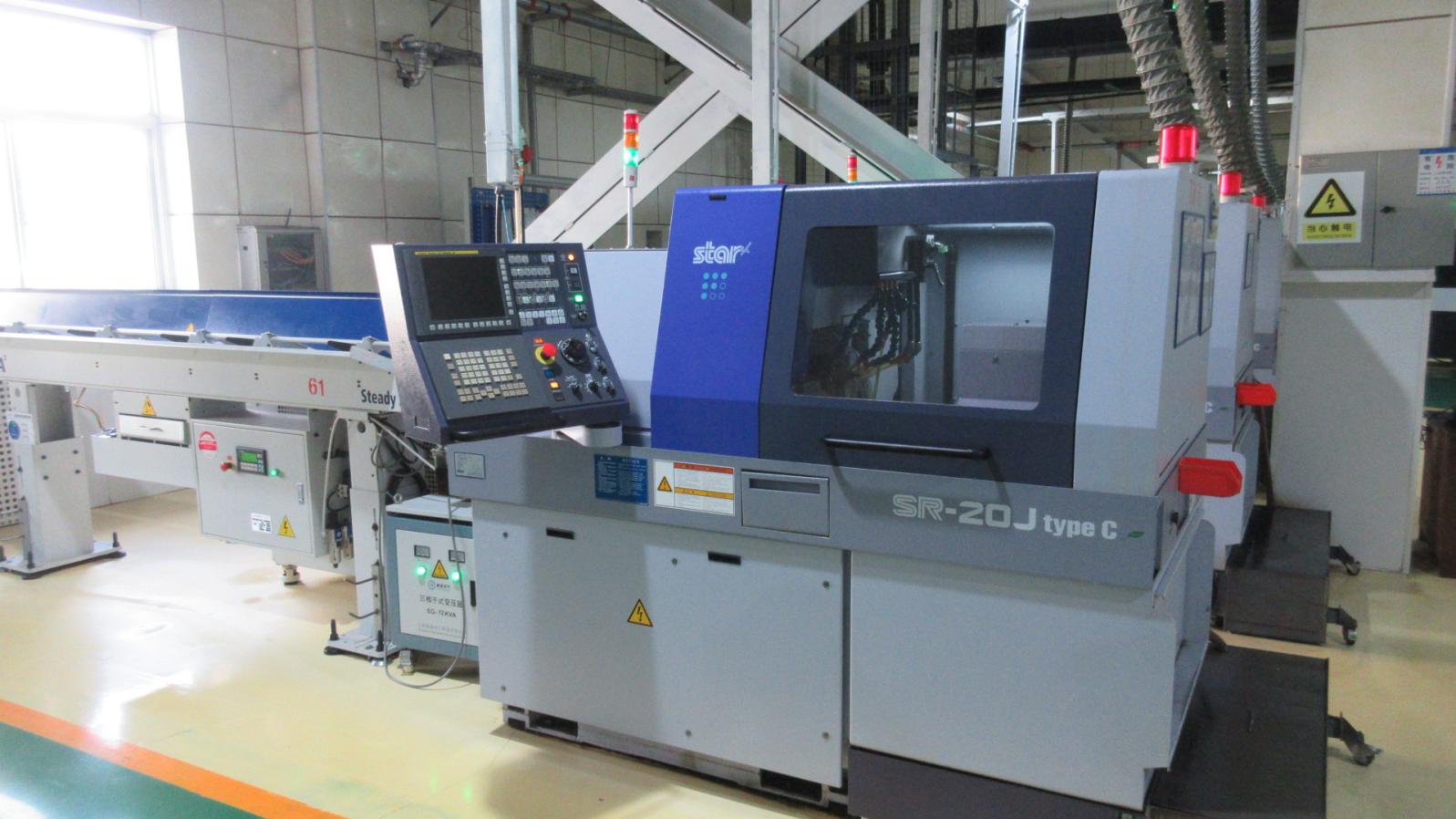
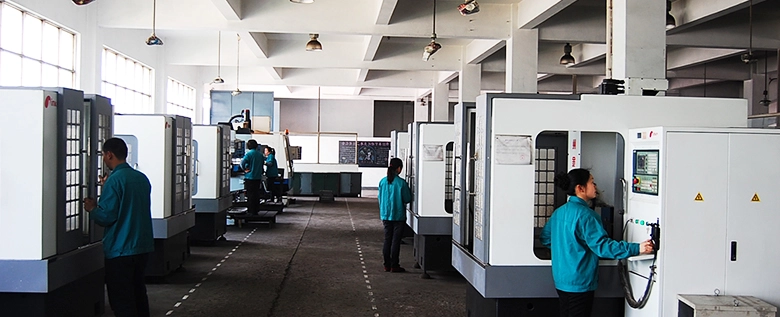
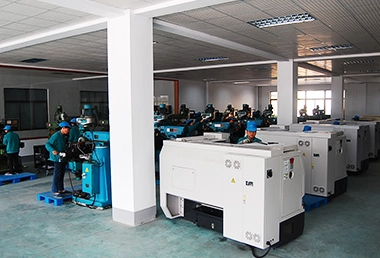
Precision slicing and formatting of raw polymer rods, titanium plates, and precursor sheet materials to guarantee exact volumetric profiles before molding and machining.
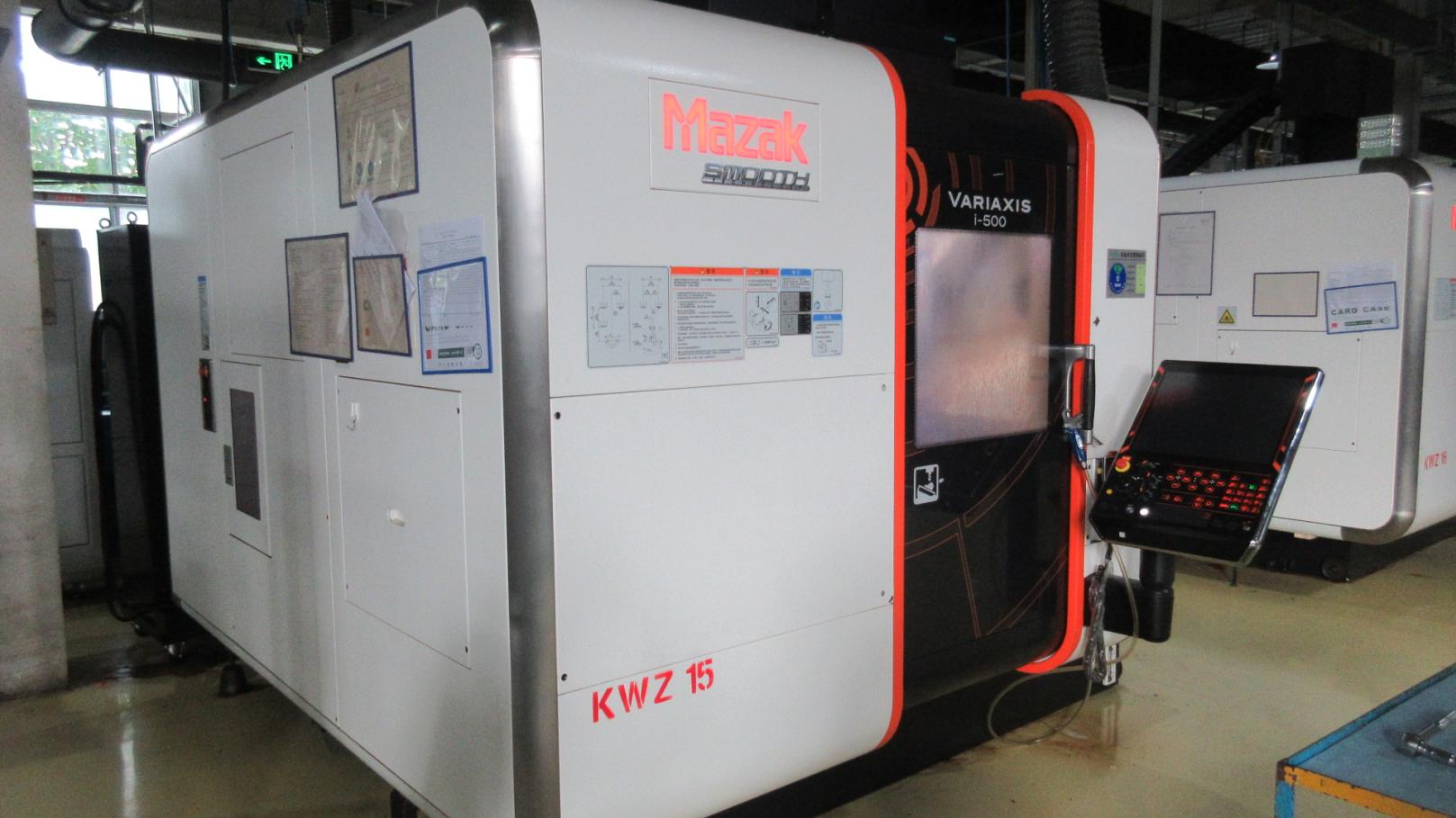
High-speed, multi-axis computerized lathe systems that machine complex thread designs, cannulations, and custom geometries with tolerances within 0.005mm.
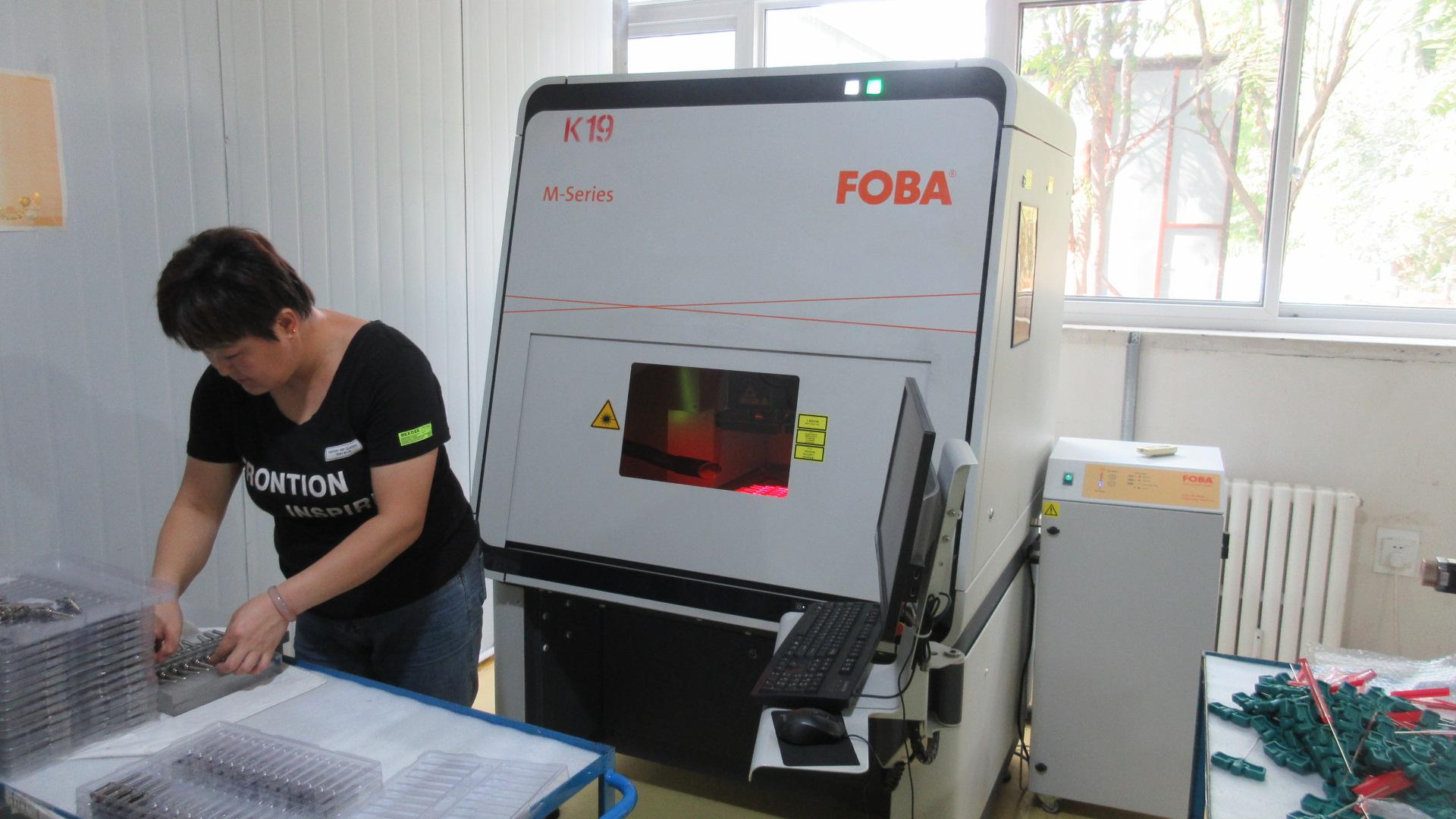
Cleanroom-safe laser engraving to mark UDI, batch IDs, and size markers on medical implants without introducing chemical impurities or thermal micro-cracking.
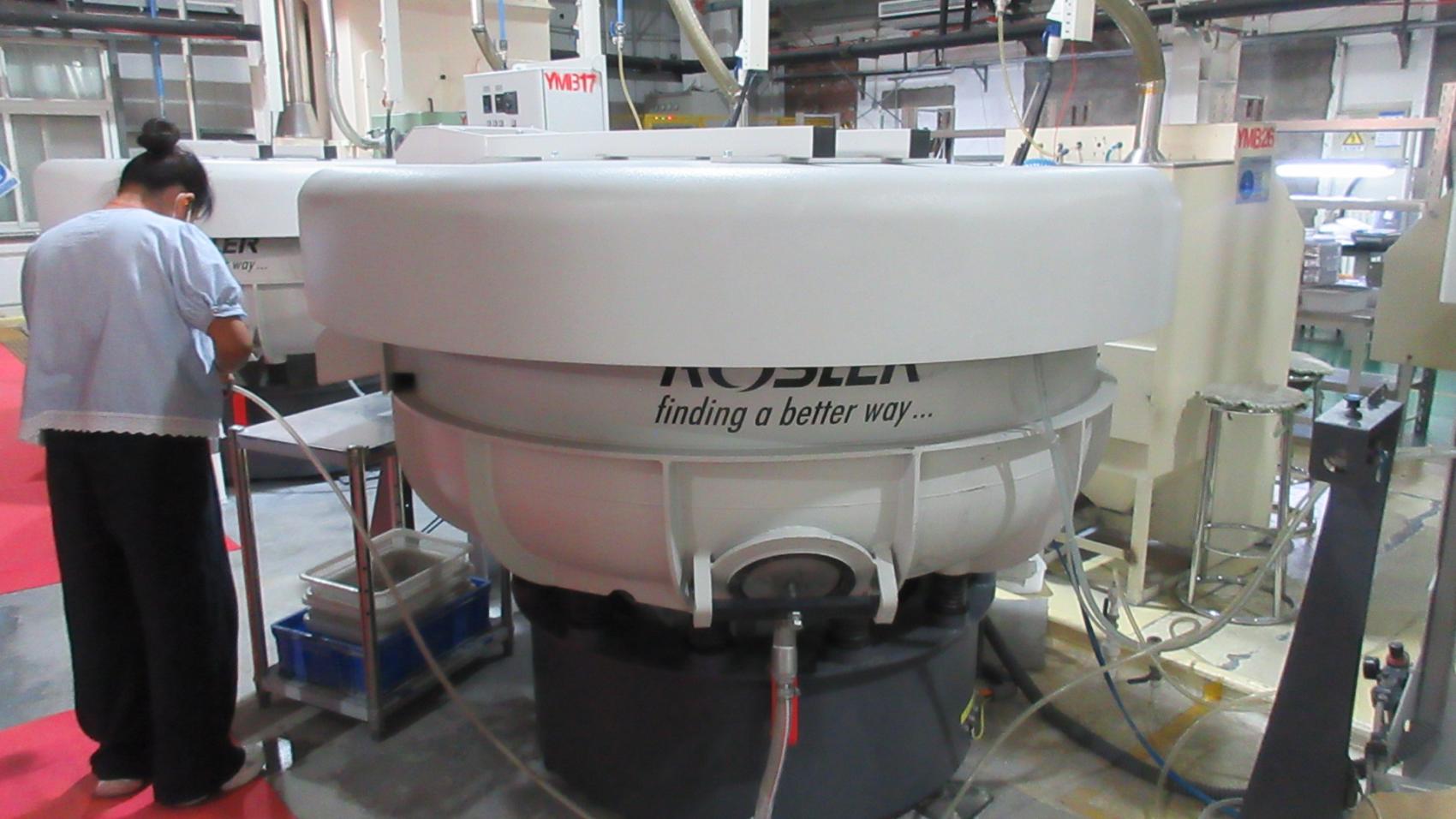
Automated grinding techniques to polish implant profiles, ensuring optimal insertion torque behavior and eliminating structural surface defects.
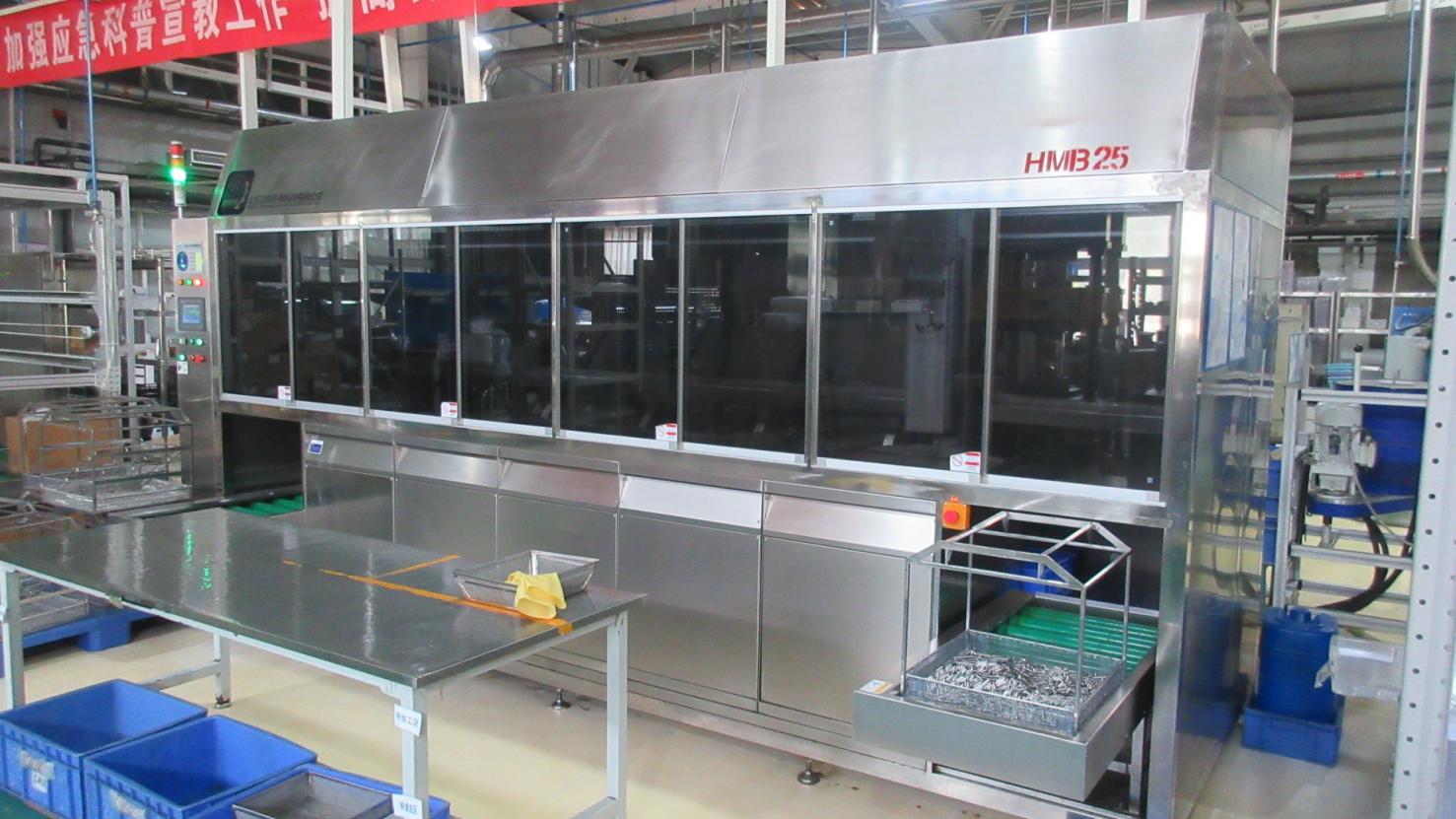
Multi-stage ultrasonic bath cleaning using deionized water systems to remove processing oils and micro-debris prior to packaging.
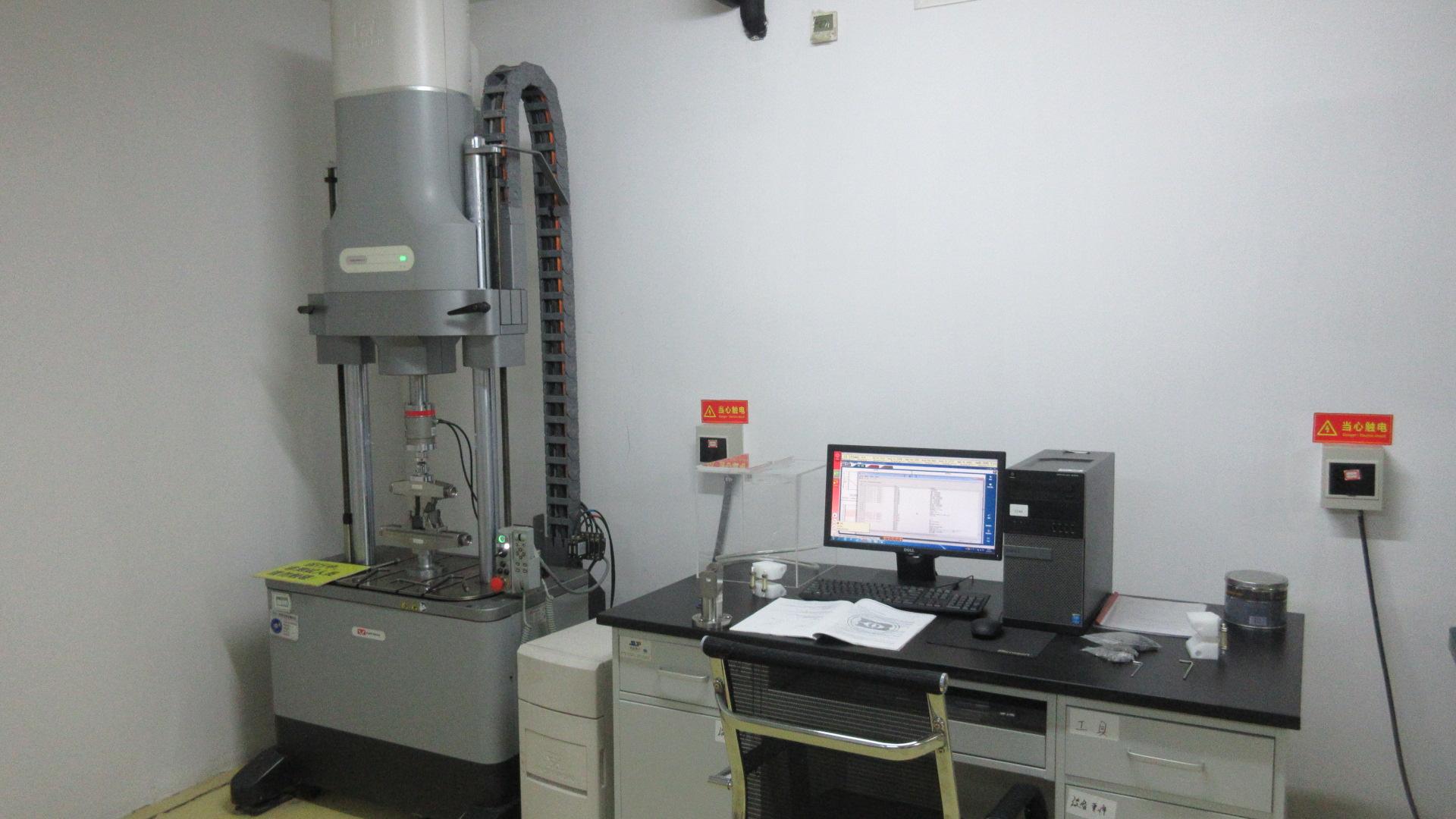
Dynamic cyclic load testing simulating long-term physiological stress on bioabsorbable fixation systems, guaranteeing resistance to premature fracture.
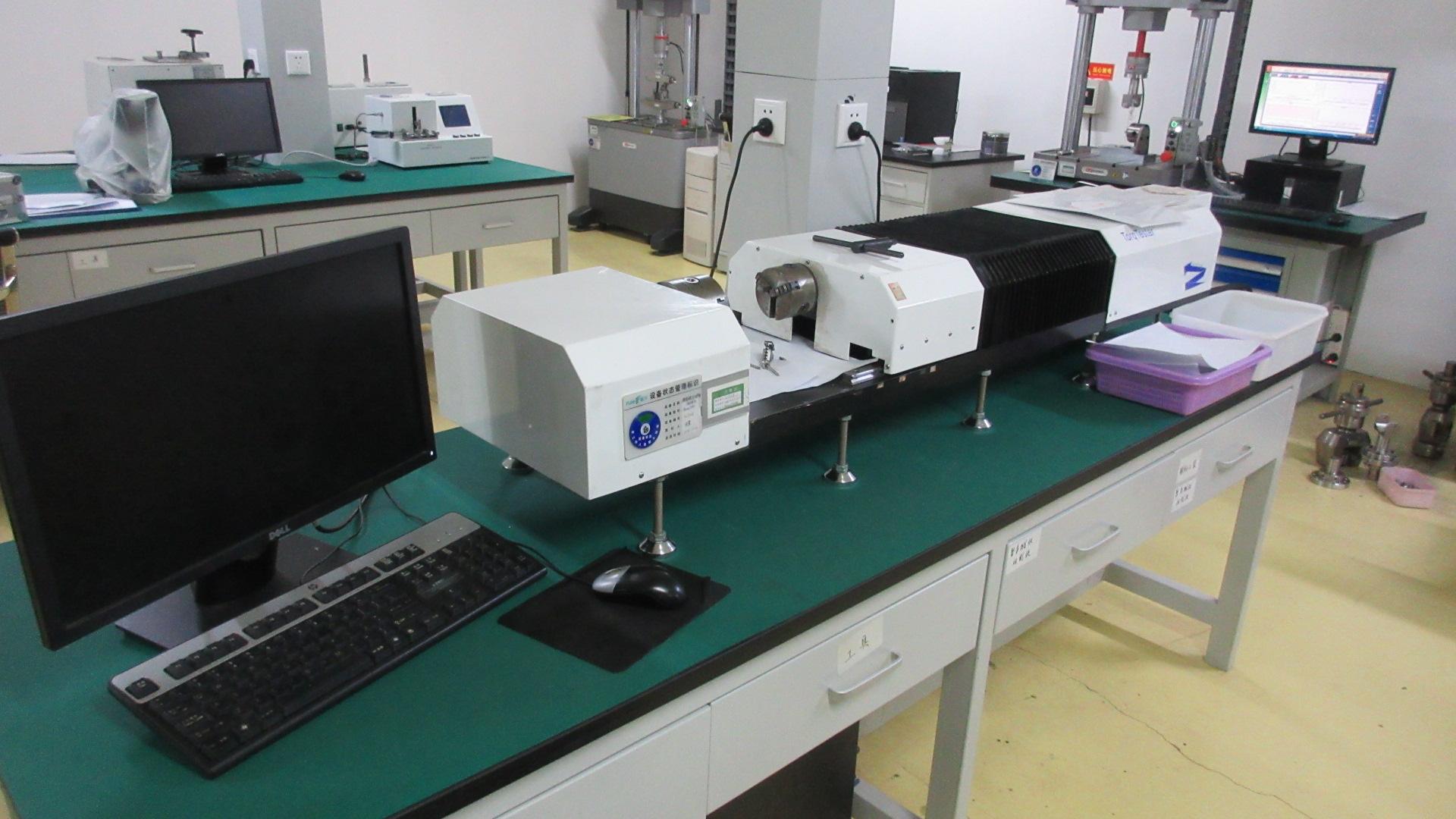
Rigid evaluation of insertion torque thresholds, ensuring our bone screws and fixation pins do not sheer during orthopaedic installation.
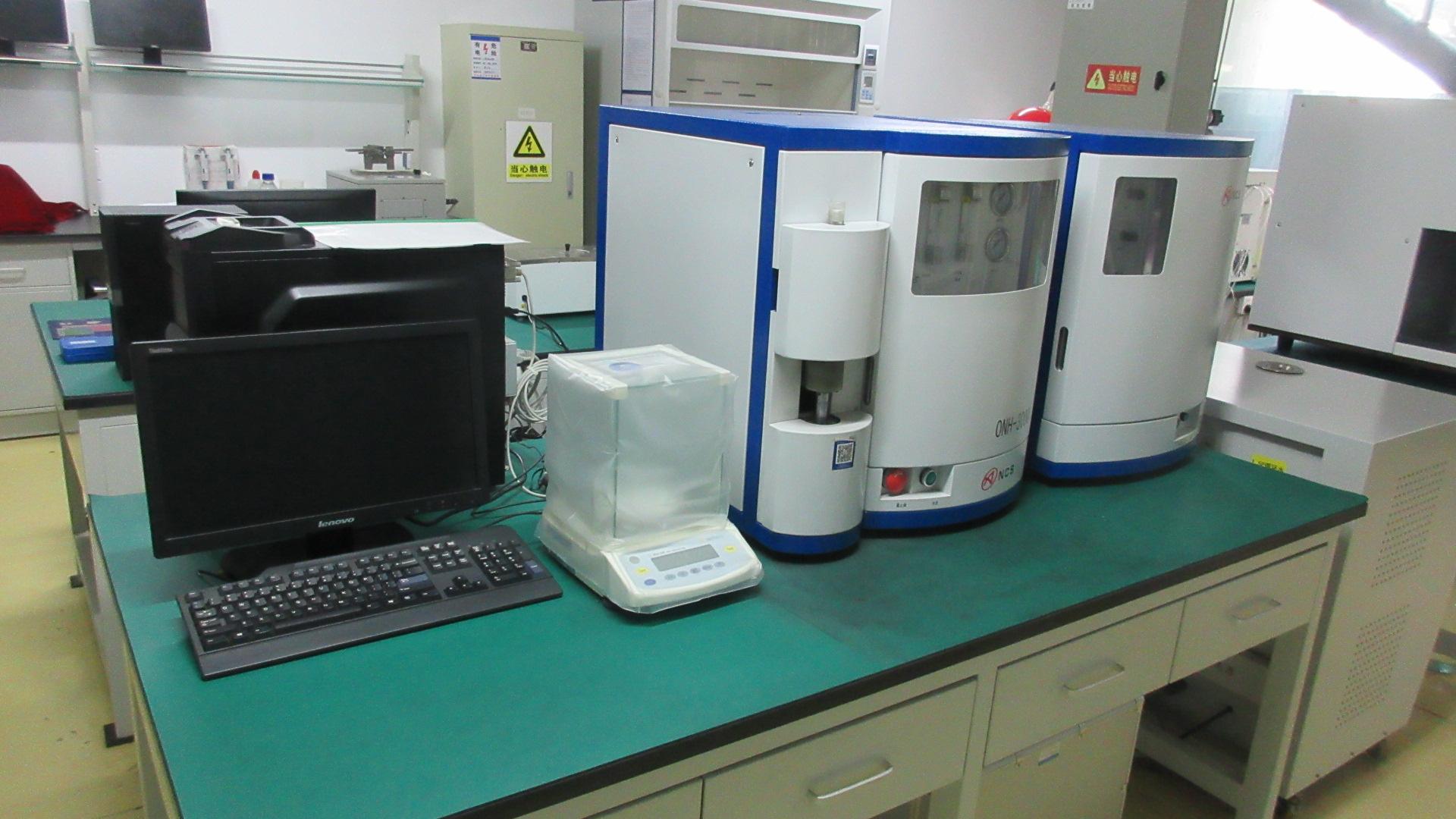
Advanced Oxygen, Nitrogen, and Hydrogen analysis, guaranteeing raw materials meet medical-grade elemental purity specifications.
Equipped to run advanced polymer validation tests, ensuring quality metrics mirror ASTM and ISO international parameters from raw stock to sterilized pouch packaging.
Tailoring bioabsorbable degradation characteristics to match localized healing environments and surgical objectives.
Used extensively in ACL/PCL femoral and tibial tunnel fixation. Our interference screws and suture anchors maintain structural pull-out strength during the crucial 8-12 week postoperative integration phase before slowly transferring mechanical loads to the healing ligament.
Developing skeletal systems in pediatric patients require fixation that adapts to growth. Our low-profile bioabsorbable plates and pins secure pediatric fractures without restricting skull expansion or bone development, eliminating secondary implant removal operations.
Designed for foot, ankle, and hand osteotomy procedures (such as hallux valgus corrections). The absorption curves match cortical remodeling kinetics, and osteoconductive additives help prevent localized osteopenia in bone structures.
Our commitment to medical innovation drives our R&D efforts. We are actively moving beyond standard polymer formulations to unlock the next generation of implantable bio-functional materials:
Our dedicated R&D staff works closely with clinical advisors and leading research centers to test mechanical limits under real-world biological loads. Each new material undergoes rigorous testing in our laboratories:
"We measure cellular integration and degradation patterns across 52-week cycles to verify that our implants preserve structural stability and support healing at every stage."
— Director of Biomaterial Quality Assurance
We ensure continuous material supply, strict regulatory compliance, and localized commercial support for hospitals and distributors worldwide.
Our supply chain starts with medical-grade polymers sourced from audited European and American partners. Every batch includes chemical composition reports, molecular weight distributions, and heavy metal testing certificates.
We support international distribution with complete documentation, including ISO 13485:2016 certifications, CE Marks, and WHO: GMP dossiers. This streamlined compliance process helps clear import procedures quickly.
We offer custom sterilization options using ethylene oxide (EO) or gamma radiation processes, validated according to ISO 11137 and ISO 11135 guidelines to guarantee shelf-life stability and maintain polymer chain integrity.
Expert answers to common technical, manufacturing, and regulatory inquiries for buyers and distributors.
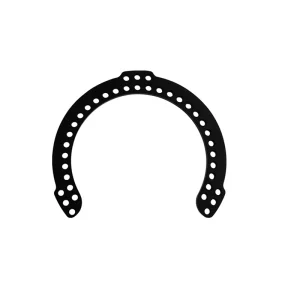
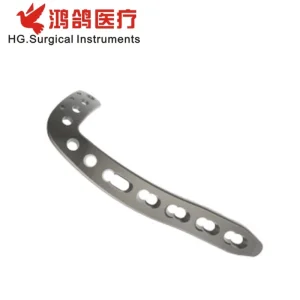
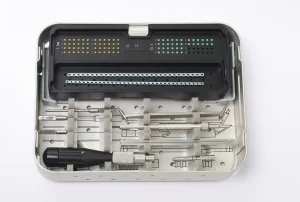
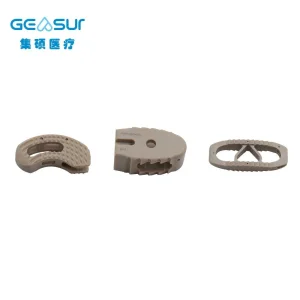
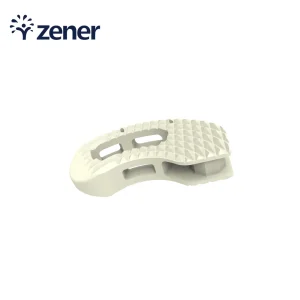
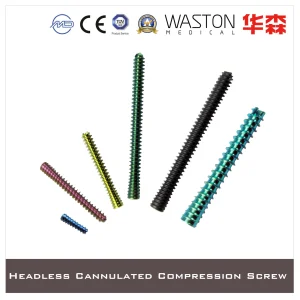
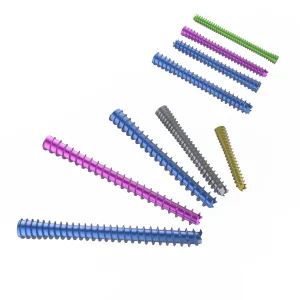
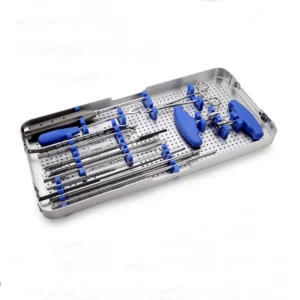
Precision-machined implant systems and surgical tool kits designed to deliver reliable performance in critical environments.
 Voila Orthopedic Implants