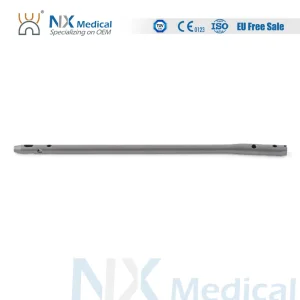
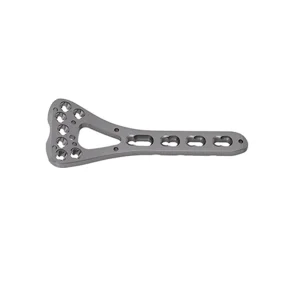
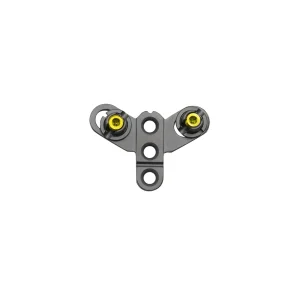
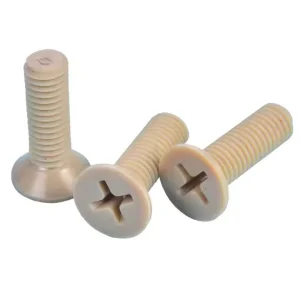
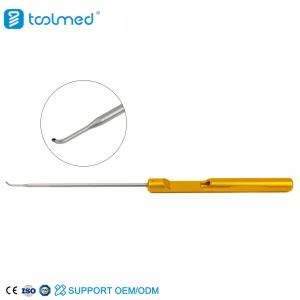
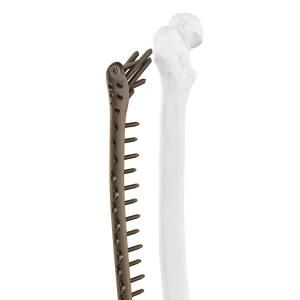
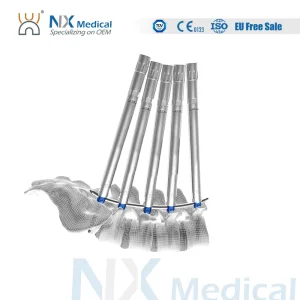
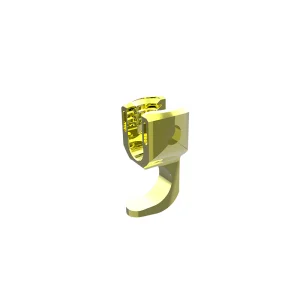
Precision engineered trauma, fixation, and soft tissue repair components designed to operate alongside advanced bone grafting therapies.
The global clinical demand for orthopedic reconstructive surgery has driven a shift from traditional treatments toward sophisticated orthobiologic interventions. Synthetic and natural bone graft substitutes are crucial in addressing critical-sized segmental bone defects resulting from trauma, tumor resections, spinal fusions, and joint revisions. As a premier Custom OEM Bone Grafts Supplier & Exporter, we produce medical devices that facilitate patient healing via established physiological pathways: osteoconduction, osteoinduction, and osteogenesis.
Traditional autografting remains a common standard, yet it introduces significant clinical challenges, including donor-site morbidity, limited anatomical supply, and prolonged surgical times. Conversely, allografts carry potential risks of pathogen transmission and immunological rejection. Our advanced OEM synthetic bone graft systems utilize precise ratios of Hydroxyapatite (HA) and Beta-Tricalcium Phosphate (β-TCP). This provides a scaffold that mirrors the chemical composition and porous structure of natural human bone, optimizing the healing process.
Interconnected macro- and microporous scaffold networks that facilitate the migration and attachment of osteogenic cells and microvasculature throughout the implant's internal structure.
Biochemical recruitment and differentiation of pluripotential mesenchymal stem cells (MSCs) into bone-forming osteoblasts, initiated by optimized biomimetic surface chemistry.
Calibrated degradation profiles designed to match the natural rate of new bone formation. This ensures structural integrity is maintained throughout the remodeling cycle.
Modern healthcare systems face the dual pressure of improving clinical outcomes while reducing the cost of care. Standardized, one-size-fits-all implants and grafting materials often result in suboptimal integration, higher revision rates, and extended hospital stays. As an experienced exporter to more than 80 countries worldwide, we recognize the distinct requirements of diverse medical markets:
We leverage our established R&D infrastructure to supply global medical brands with customized OEM biomaterial solutions. These products satisfy stringent regulatory frameworks and fit seamlessly into local clinical workflows.
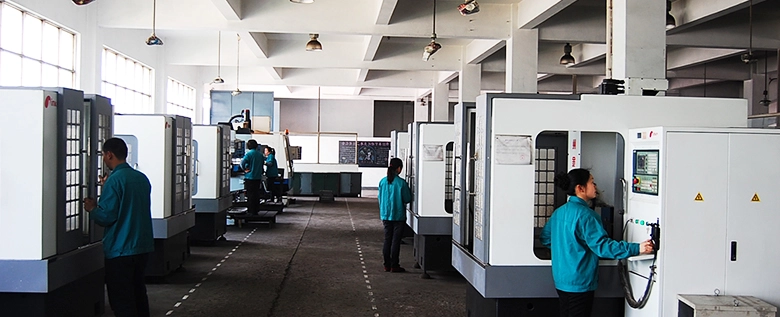
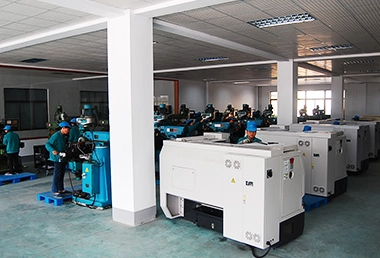
At the center of our export and manufacturing operations is a state-of-the-art facility utilizing modern automation. This setup ensures batch-to-batch consistency for all medical implants and bone graft instruments. By incorporating Smart Factory principles, we maintain supply chain control from raw materials to final sterilization and packaging.
Our production floor is designed for lean manufacturing, ensuring that all components—whether trauma plates, spinal hooks, or bone graft delivery systems—meet precise dimensional tolerances. Key steps in our production lines include:
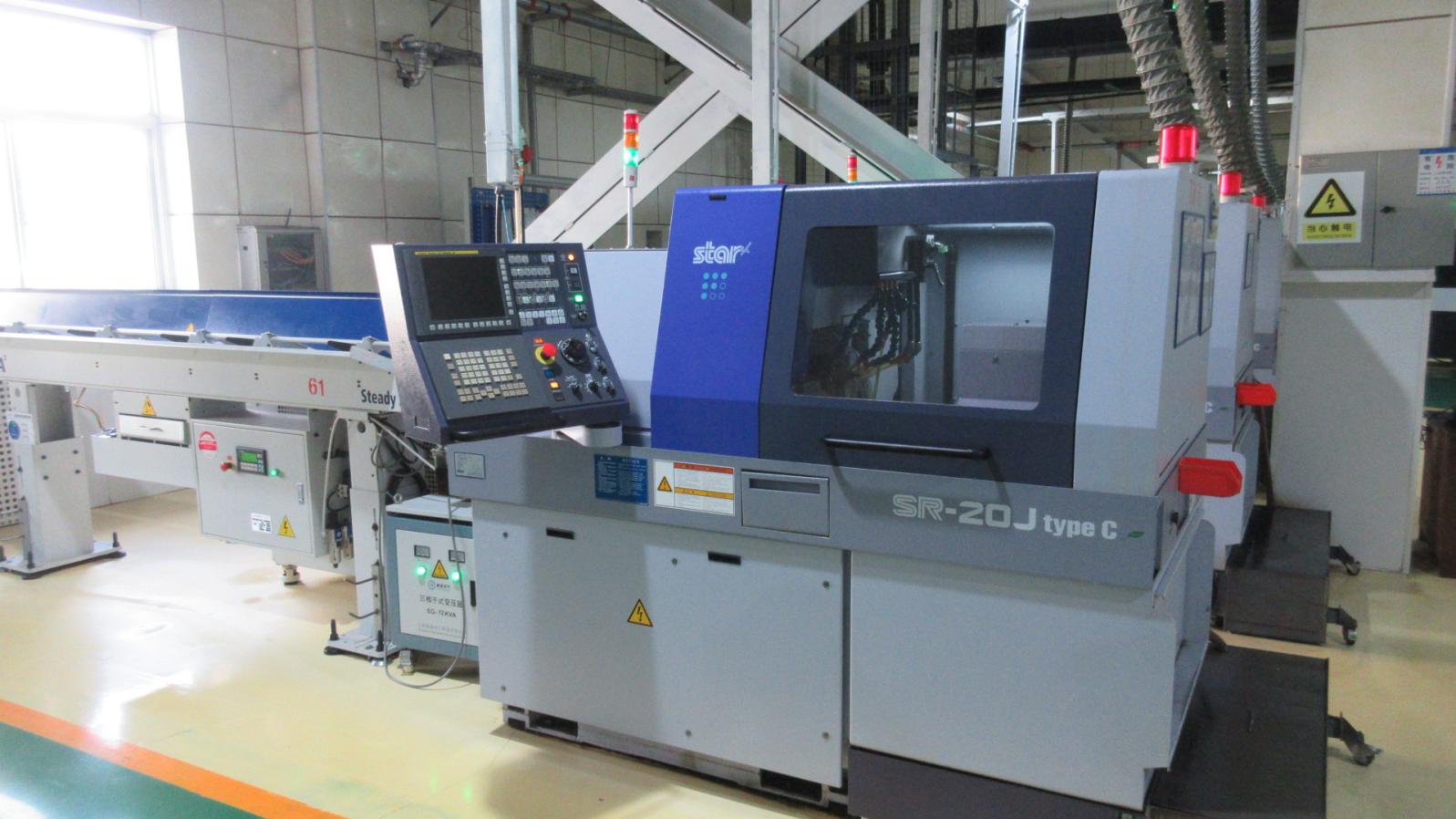
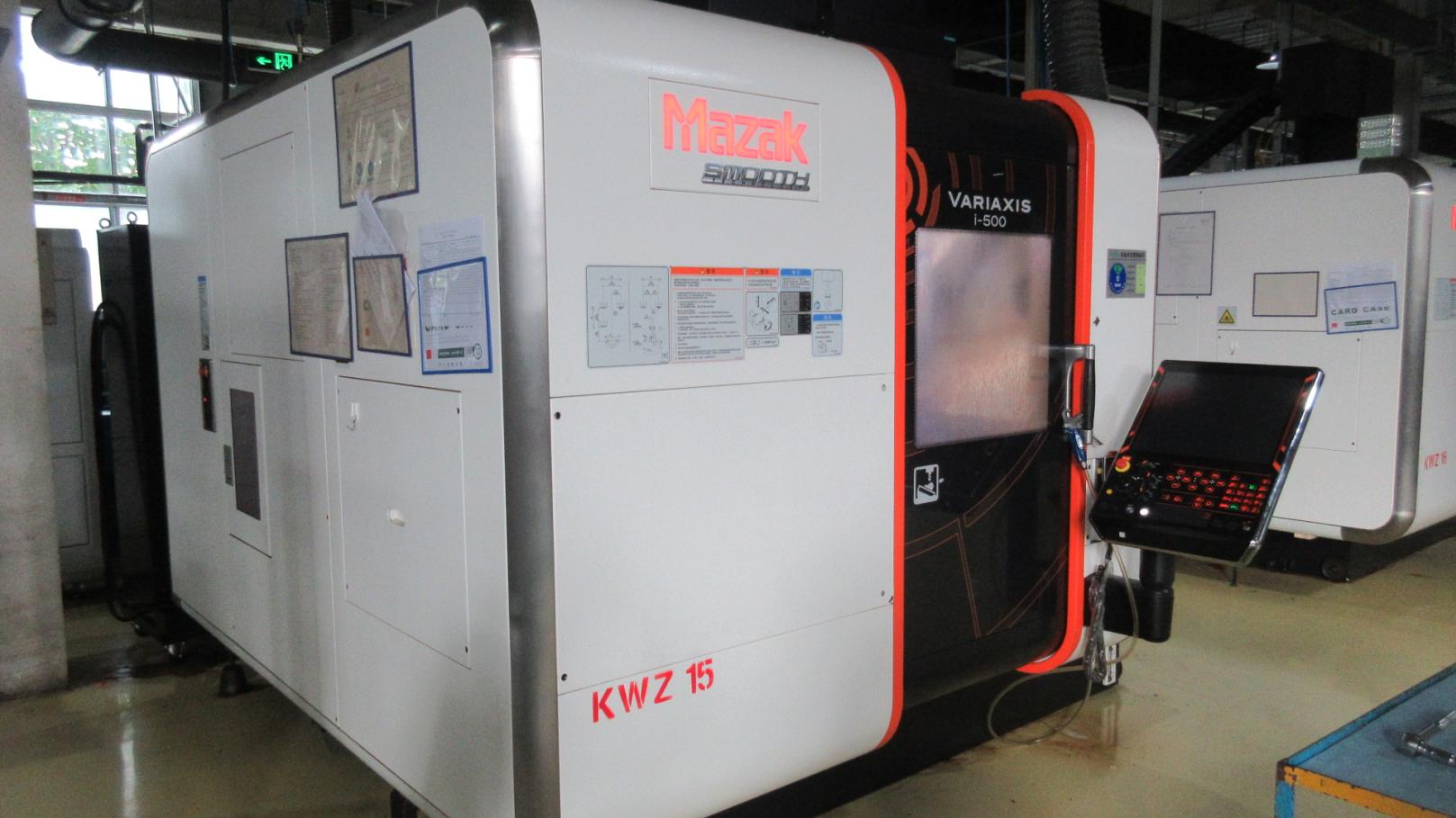
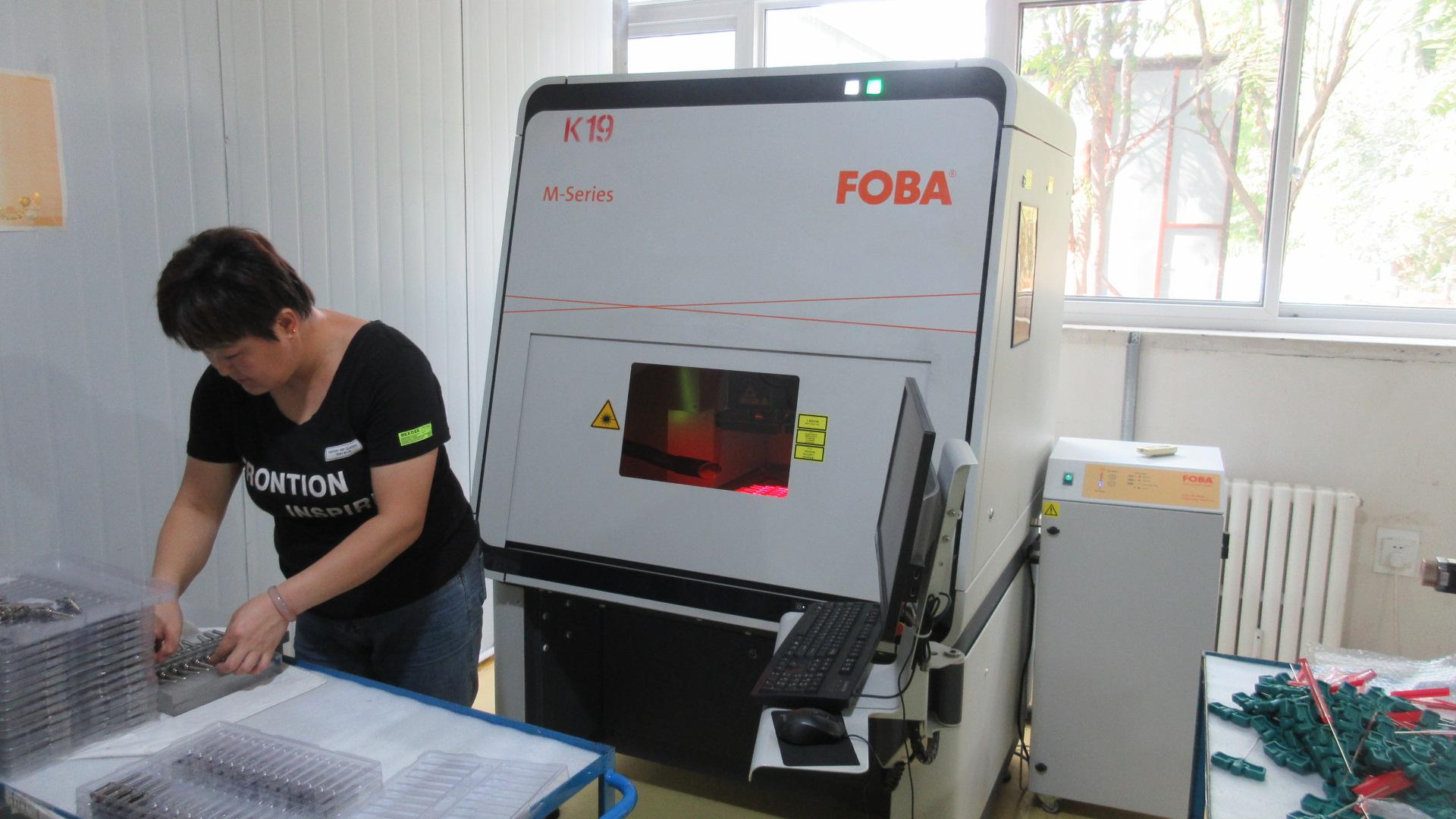
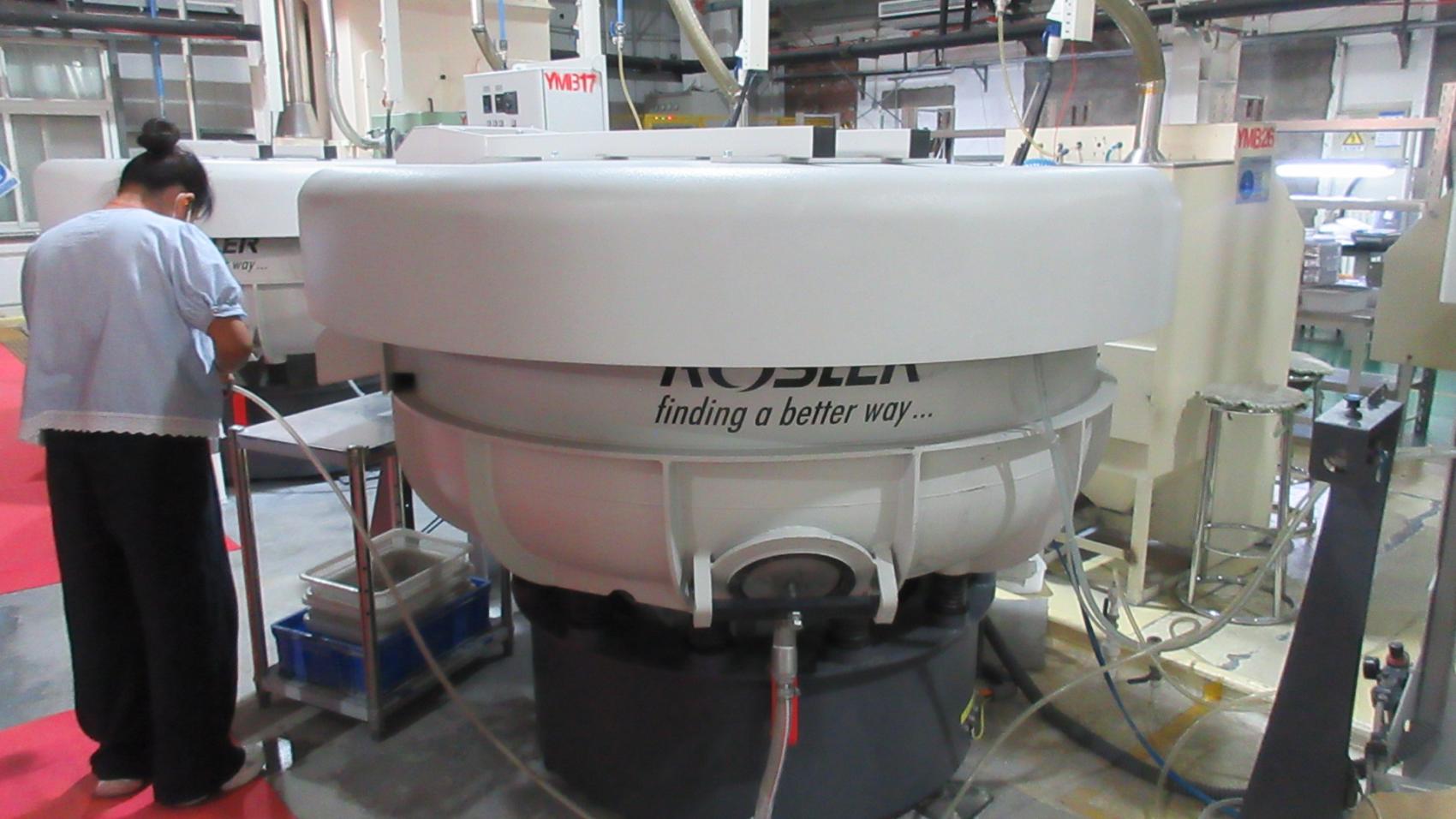
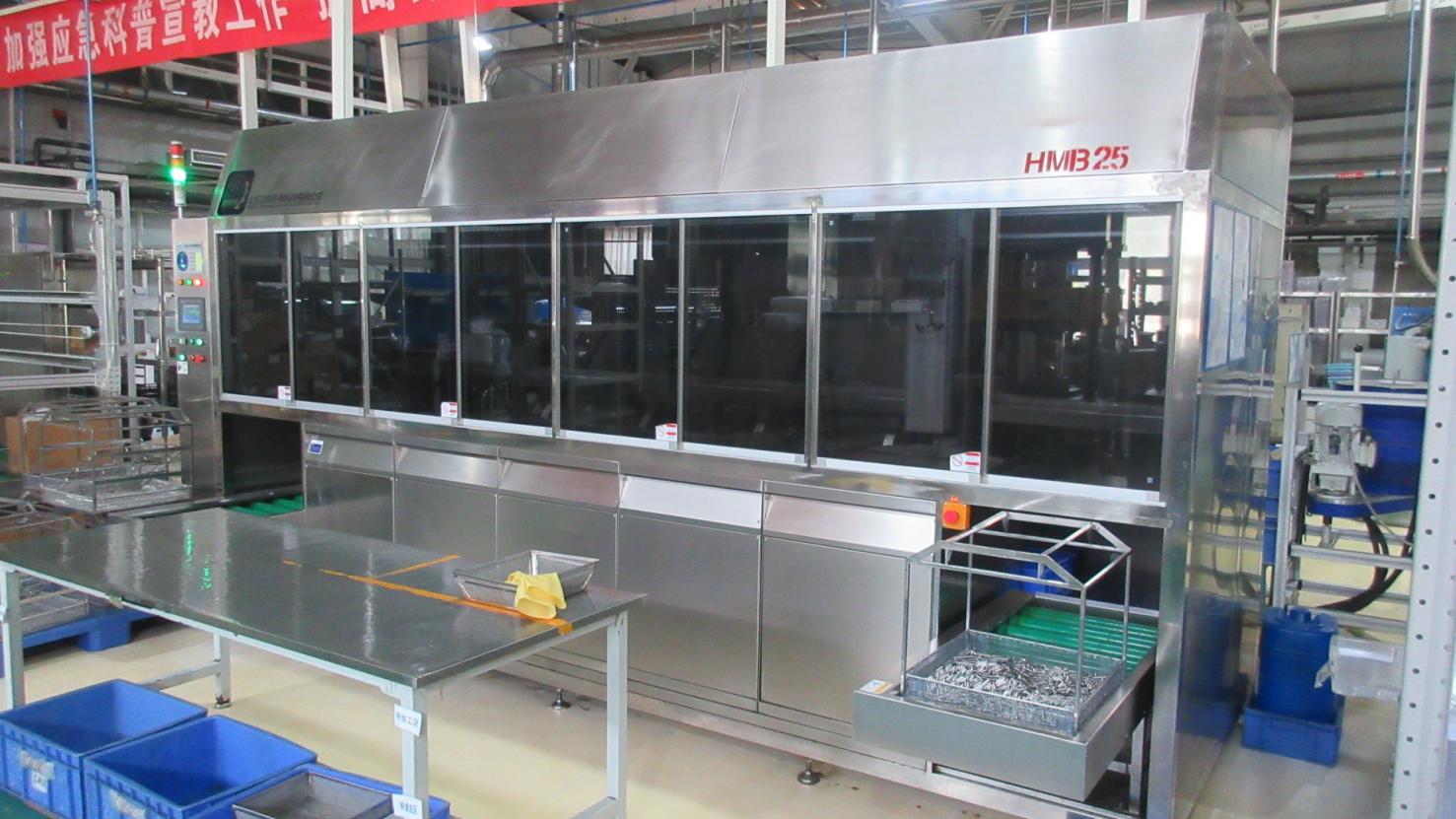
This automated workflow reduces human error during manufacturing. The integration of automatic slitting and multi-axis CNC lathe centers allows for the rapid prototyping of complex orthopedic systems. Post-machining steps like grinding and ultrasonic clearing ensure surfaces are free of particulate contaminants before cleanroom packaging.
Quality control at our facilities starts at the raw material phase. We source medical-grade titanium, PEEK, and synthetic ceramics from audited suppliers. Every lot undergoes chemical verification and mechanical validation to ensure raw materials meet international ASTM and ISO standards.
Our dedicated R&D testing laboratory monitors structural stability and fatigue profiles using specialized diagnostics, confirming that products can withstand physiological loads:
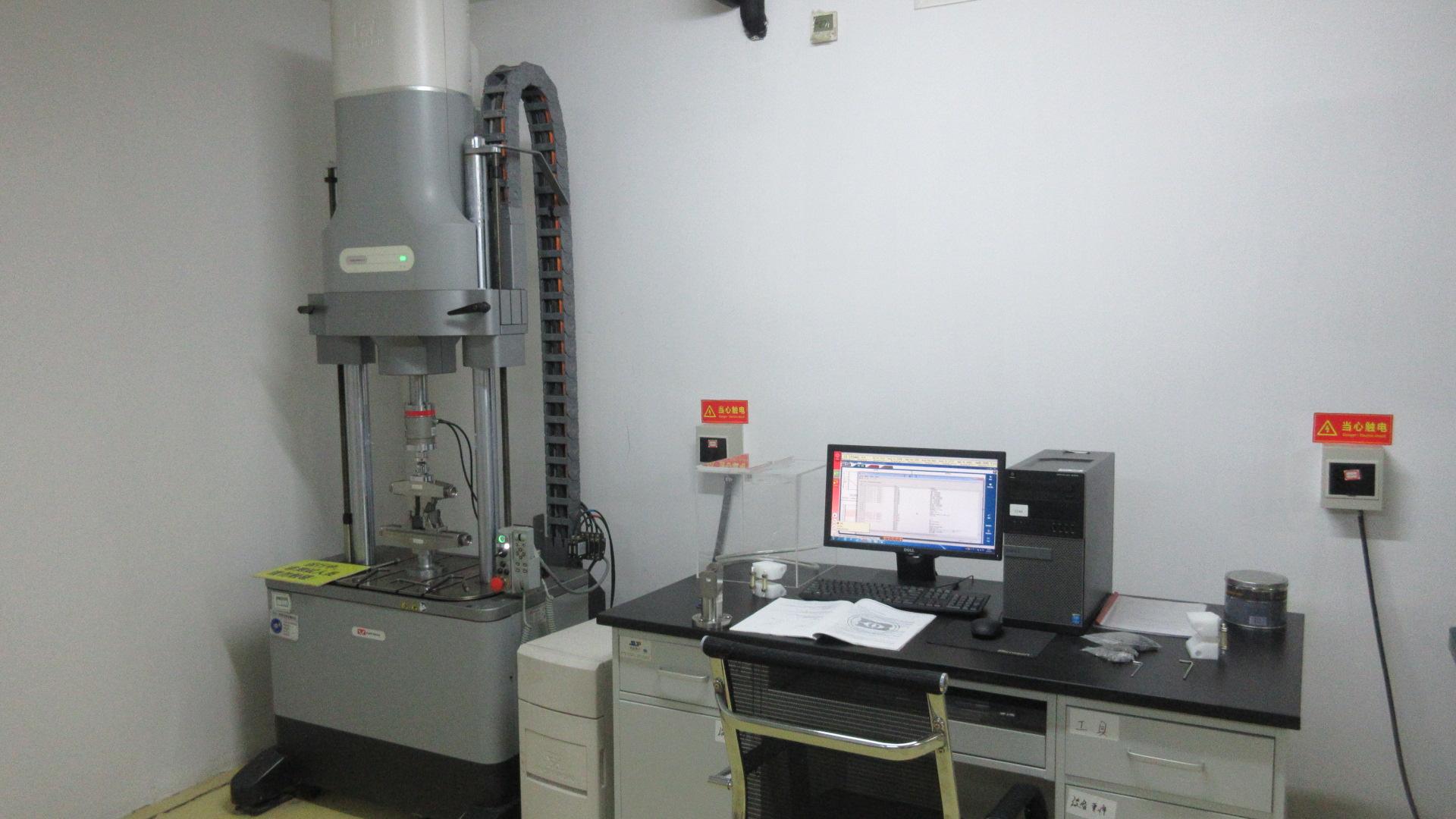
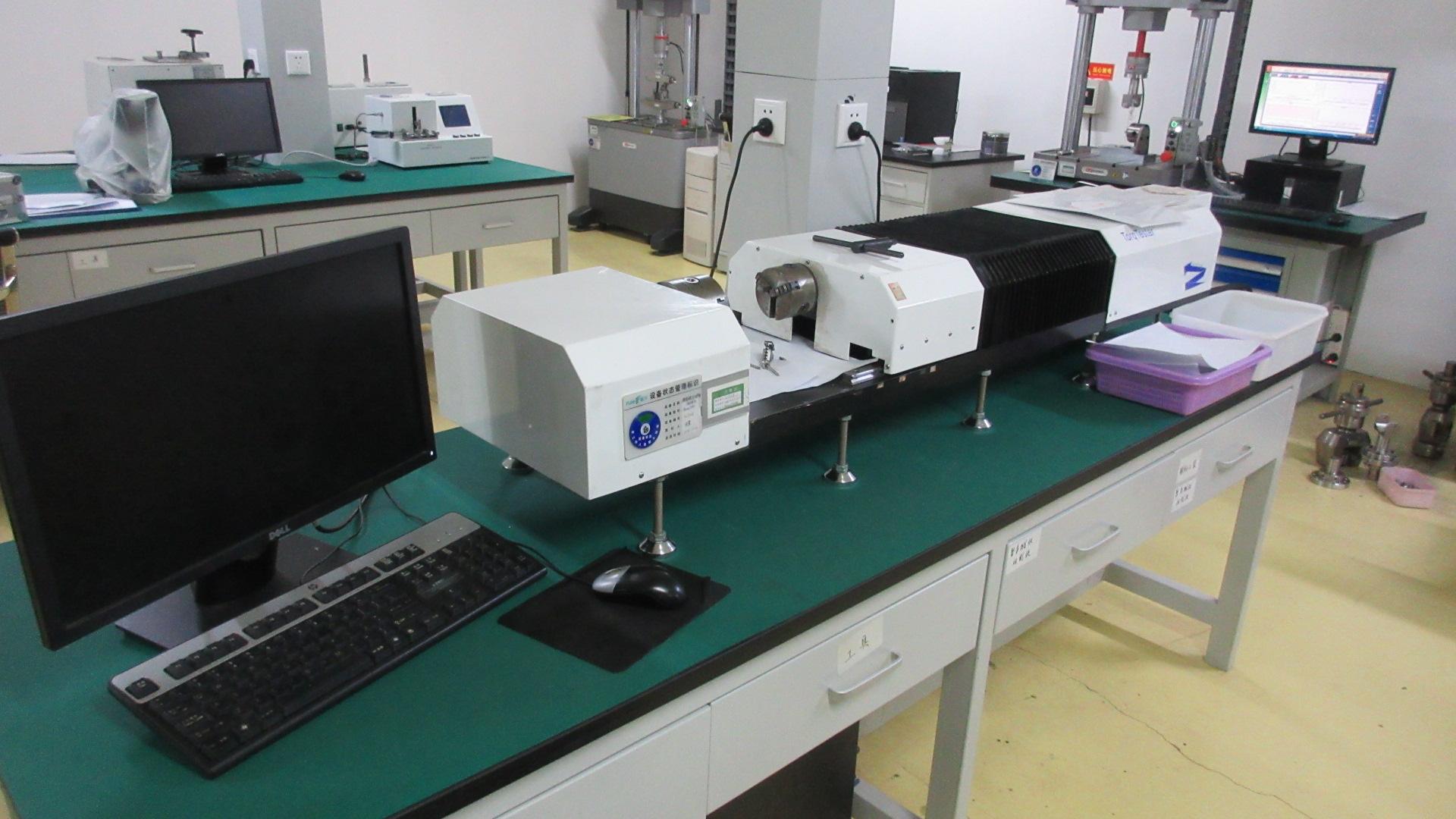
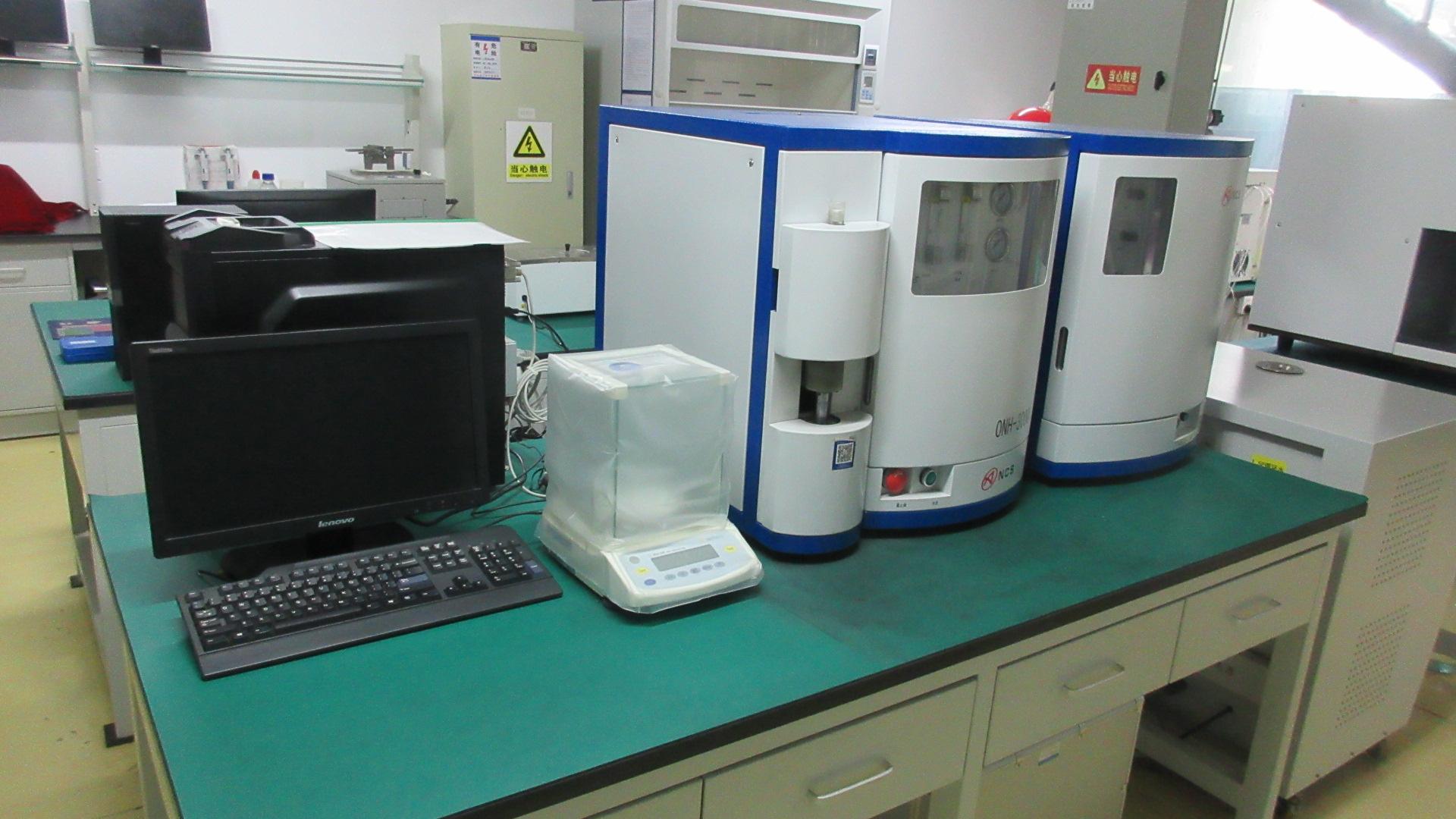
By using Fatigue Testers and Torsion Testers, we simulate millions of cycles of mechanical stress, ensuring implants resist failure in vivo. The ONH Series Analyzer quantifies trace gases (Oxygen, Nitrogen, Hydrogen) in metallic alloys, preventing embrittlement and verifying the chemical purity of implants before cleanroom release.
The field of bone reconstruction is progressing from passive scaffolds toward dynamic, instructive biomaterial interfaces. Our technology roadmap focuses on three main developmental vectors:
Future bone grafts will integrate beyond structural osteoconduction. We are developing functionalized surface coatings, including nanostructured calcium phosphate layers and biological peptides. These modifications recruit local stem cells and accelerate early vascularization, improving outcomes in compromised patients (e.g., those with osteoporosis or diabetes).
Utilizing high-resolution CT scan data, we are refining processes to 3D-print patient-specific bone graft substitutes. By printing combined polymer/ceramic materials, we can produce grafts that match the geometric configuration of the defect and feature a gradient of porosity: denser at the cortical exterior and highly porous at the cancellous core.
Incorporating bioactive silicate glass formulations allows for controlled ion release (silicon, calcium) that stimulates osteoblast gene expression. Furthermore, we are designing injectable graft systems that act as delivery vehicles for targeted antimicrobials, reducing the risk of post-operative implant-associated infections.
Successfully exporting medical devices to over 80 countries requires a deep understanding of local regulatory frameworks and distribution challenges. We operate a dedicated compliance department that supports our OEM partners through every phase of product registration:
For medical device companies, distributors, and hospital groups, choosing an OEM partner involves balancing product quality, production capacity, and supply chain stability. We provide several key advantages for our global partners:
Our synthetic bone grafts are composed of biphasic calcium phosphate (BCP), blending Hydroxyapatite (HA) and Beta-Tricalcium Phosphate (β-TCP). HA provides a stable, long-term osteoconductive scaffold, while β-TCP resorbs more quickly to release calcium and phosphate ions that support new bone deposition.
Consistency is maintained by combining automated manufacturing processes (such as CNC lathe machining and automated cleaning) with testing protocols in our ISO 13485 certified facility. Each batch undergoes testing for chemical composition, mechanical strength, and crystalline purity before release.
Our testing laboratory utilizes several key instruments, including Fatigue Testers to assess mechanical longevity under cyclic loading, Torsion Testers to measure rotational limits, and ONH Series Analyzers to verify the chemical purity and trace gas limits of titanium and alloy implants.
Yes. We offer comprehensive ODM and OEM customization. Partners can provide custom CAD designs, and our engineering team will optimize them for manufacturing, create prototypes, run structural simulations, and proceed to full-scale production.
Our quality management systems comply with ISO 13485:2016 and WHO:GMP standards. We provide documentation including raw material certificates, sterile validation studies, biocompatibility reports (ISO 10993), and technical files to support registrations in local jurisdictions worldwide.
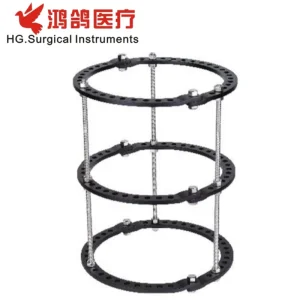
Explore our expanded catalog of orthopedic implants, spine systems, external fixators, and customized surgical components.
 Voila Orthopedic Implants