Precision-engineered fixation components, implant systems, and specialty trauma sets verified for modern arthroscopy, joint reconstruction, and sports medicine procedures.
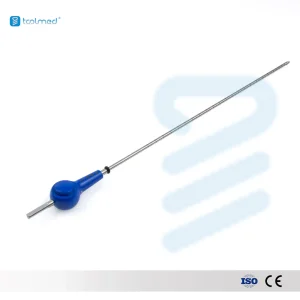
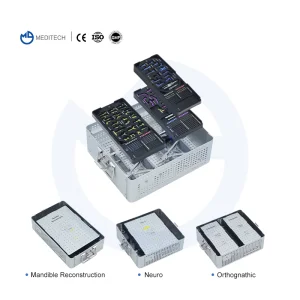
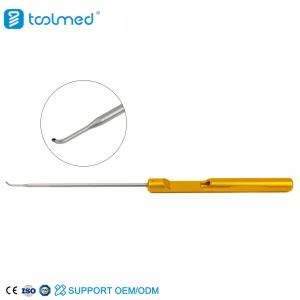
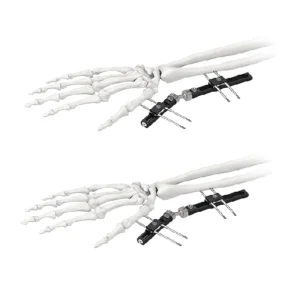
Suspensory fixation implants, commonly referred to as **Endobuttons**, have revolutionized modern arthroscopic ligament reconstructions. Primarily deployed in anterior cruciate ligament (ACL) and posterior cruciate ligament (PCL) reconstructions, these micro-scale titanium or biocomposite fixation loops establish the baseline anchor stability required for biological graft-to-bone integration.
Historically, interference screw fixation dominated the orthopedic trauma domain. However, clinical studies highlight the biomechanical advantages of suspensory fixation. By utilizing a cortical button mechanism resting on the femoral cortex, load distribution is optimized, reducing the risk of tunnel widening and revision surgeries. For medical device buyers, sourcing these implants demands a deep understanding of manufacturing accuracy, metallurgical purity, and testing protocols.
The global orthopedics market is shifting toward minimally invasive sports medicine protocols. This transition has placed a strict demand on manufacturing throughput and safety standards. Top-tier factories operate with high-precision Swiss-type CNC lathes and automated cleanrooms to eliminate contamination risk. As supply chain volatility challenges clinical institutions worldwide, procuring directly from certified export houses ensures a reliable pipeline of CE and ISO-compliant implants.
Unlike typical hardware fabrication, medical-grade Endobutton manufacturing involves strict trace-element testing (Oxygen, Nitrogen, Hydrogen analysis) to prevent implant rejection. Furthermore, loop configurations—whether fixed loop length or adjustable loop loop systems—must balance tensile strength with ease of intraoperative graft tensioning.
Quality control at our facilities begins at the raw material phase. We monitor every stage—from automated slitting to metallurgical inspection—to ensure our implants withstand physiological loading cycles.
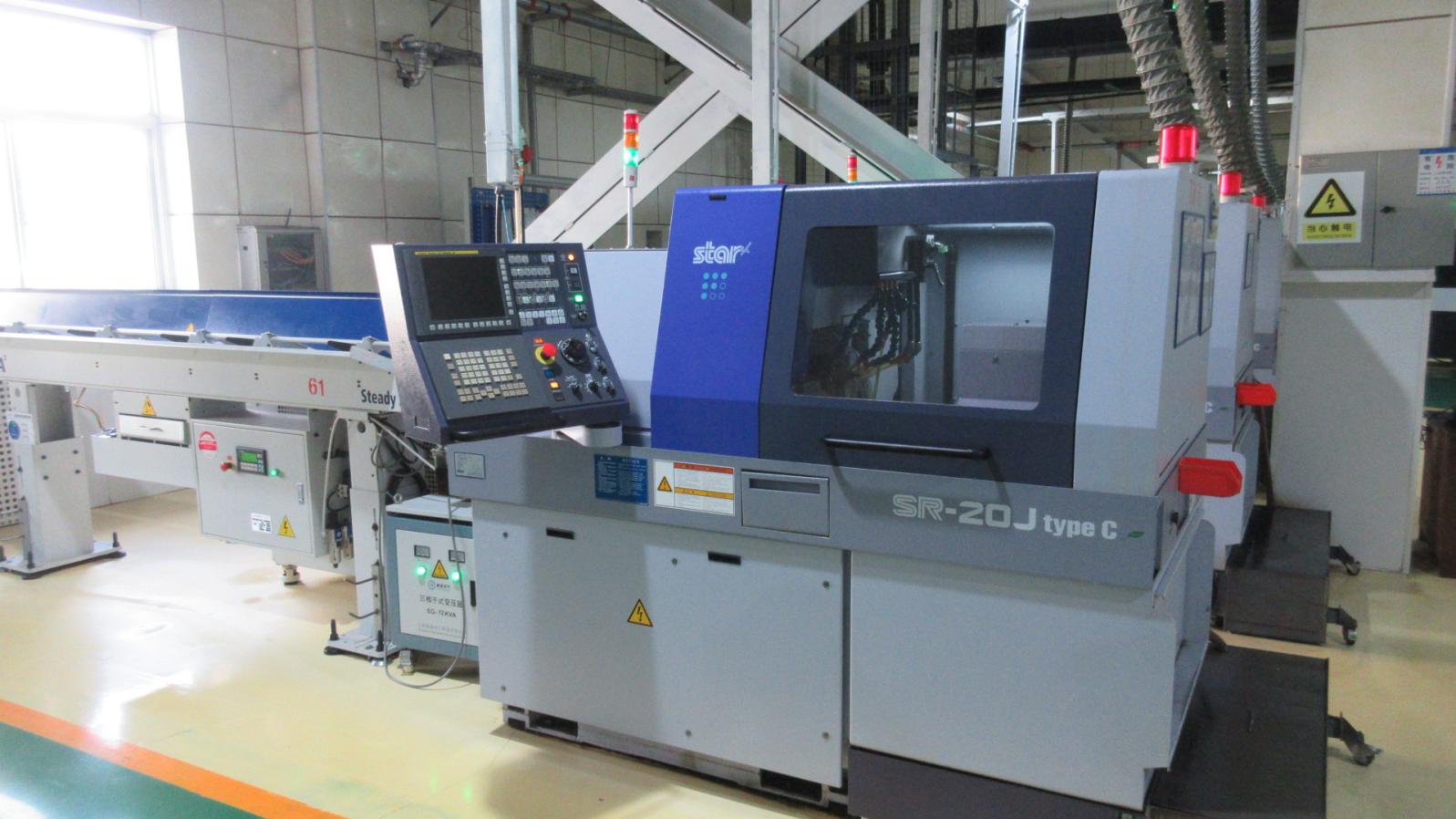
Automatic Slitting
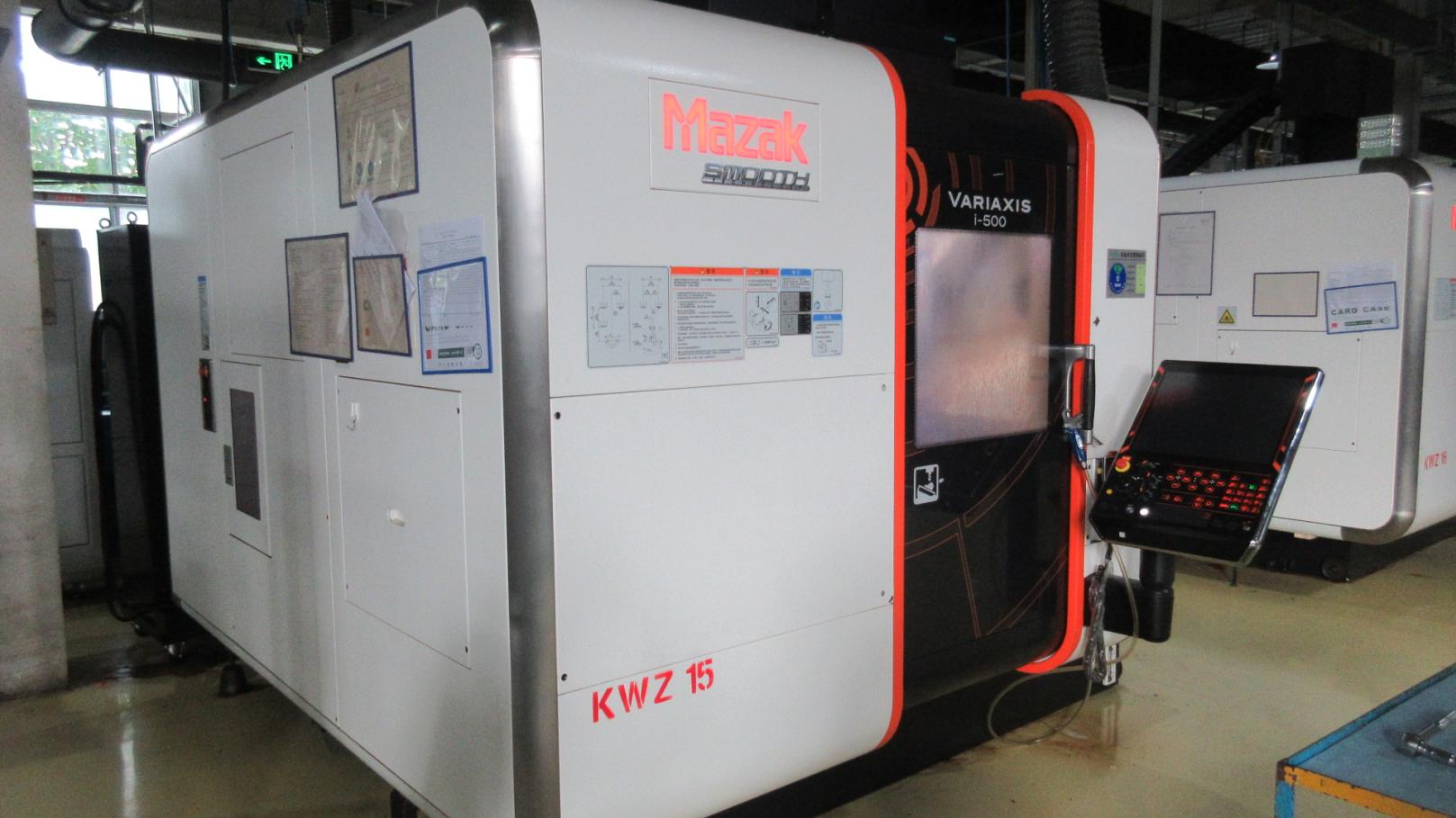
CNC Lathe
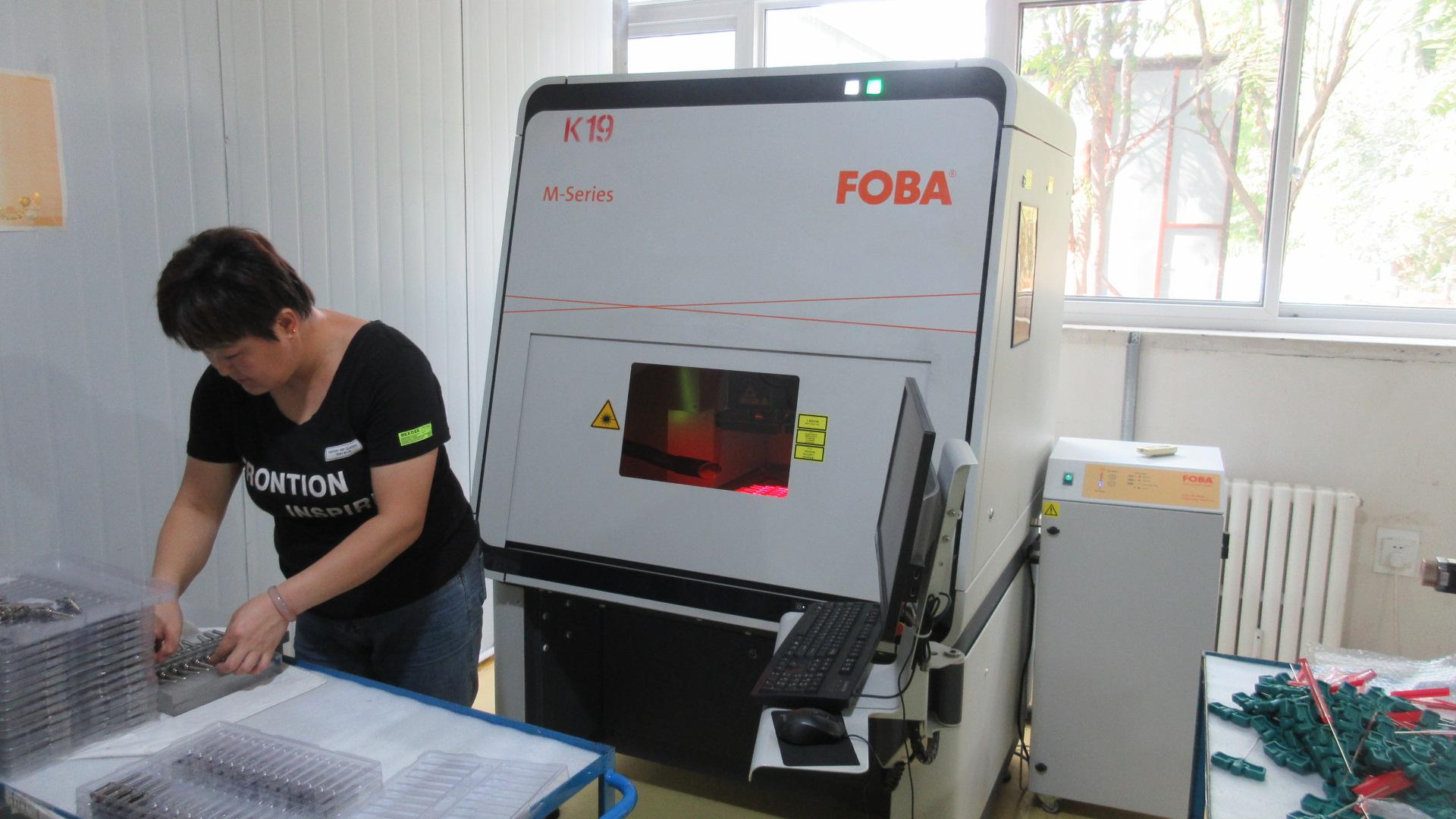
Laser Engraving
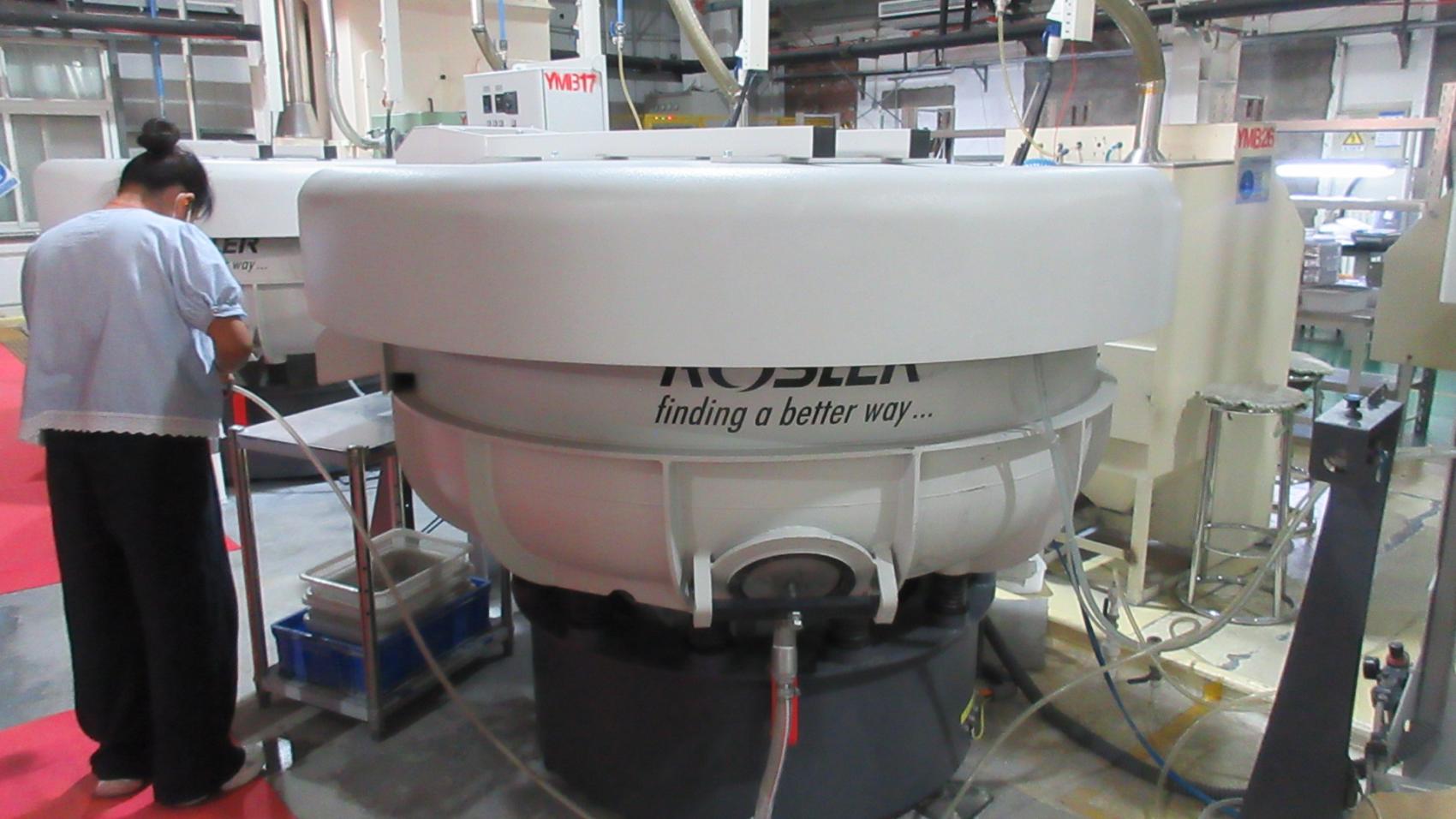
Grinding
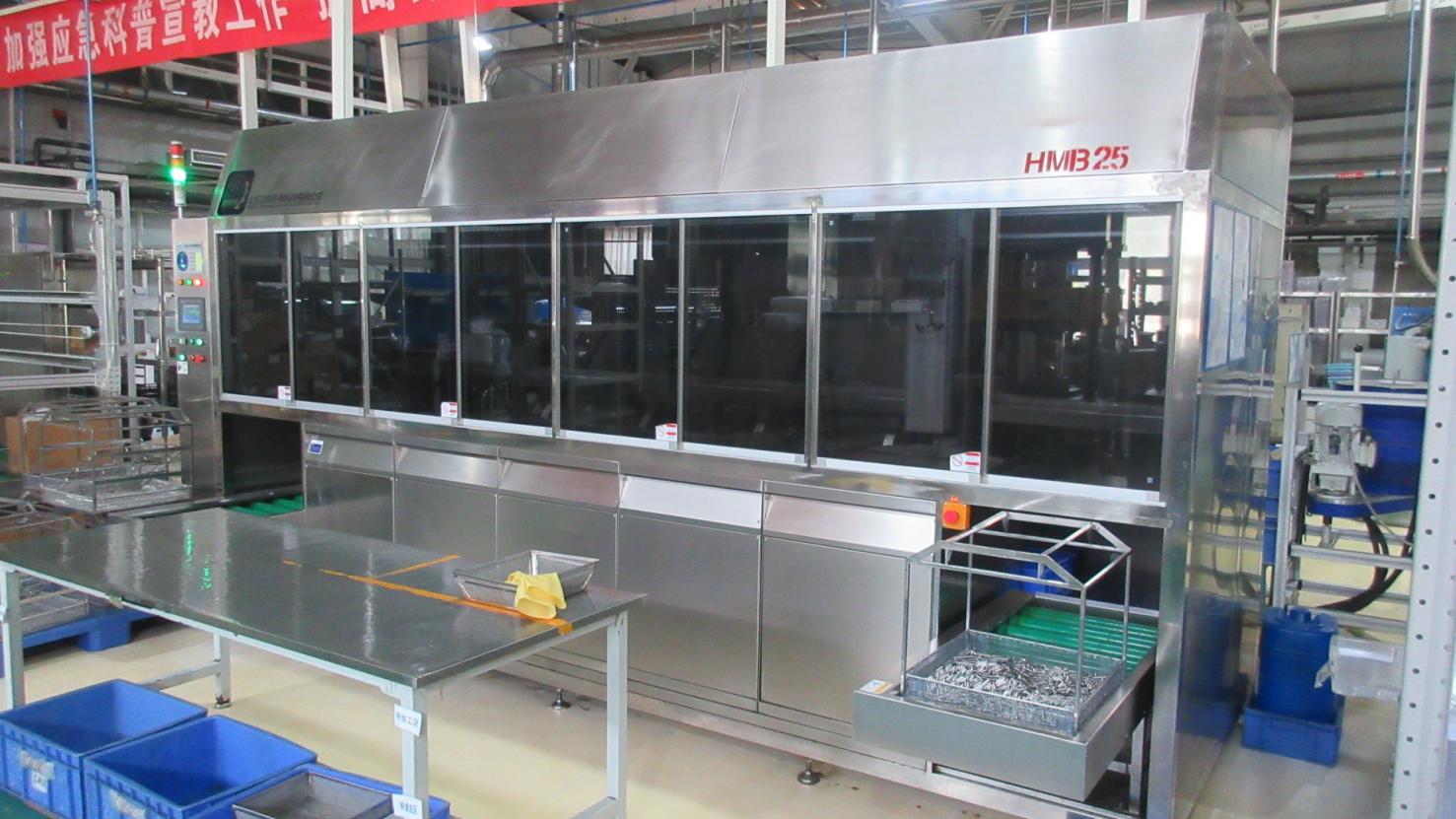
Ultrasonic Clearing
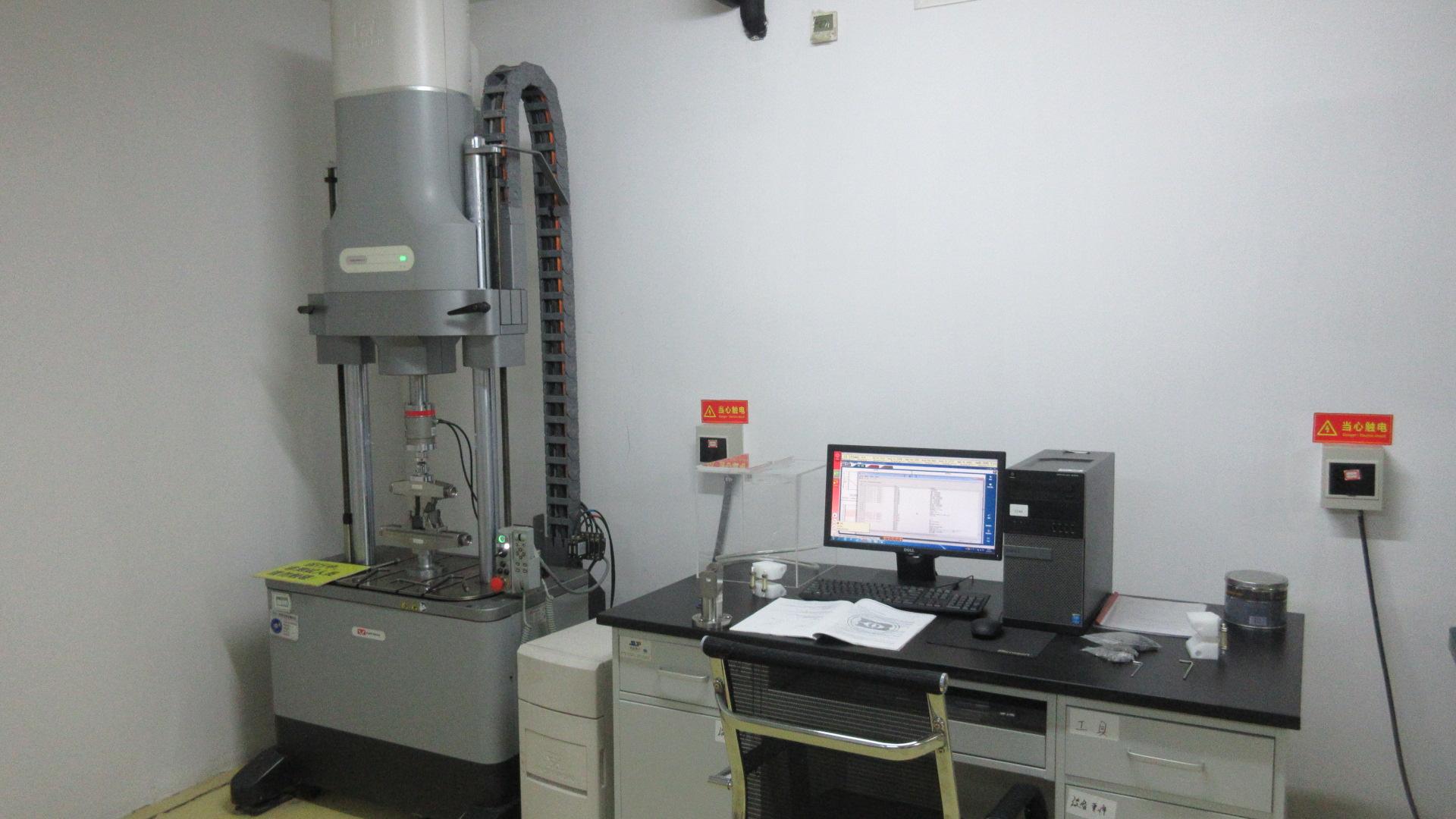
Fatigue Tester
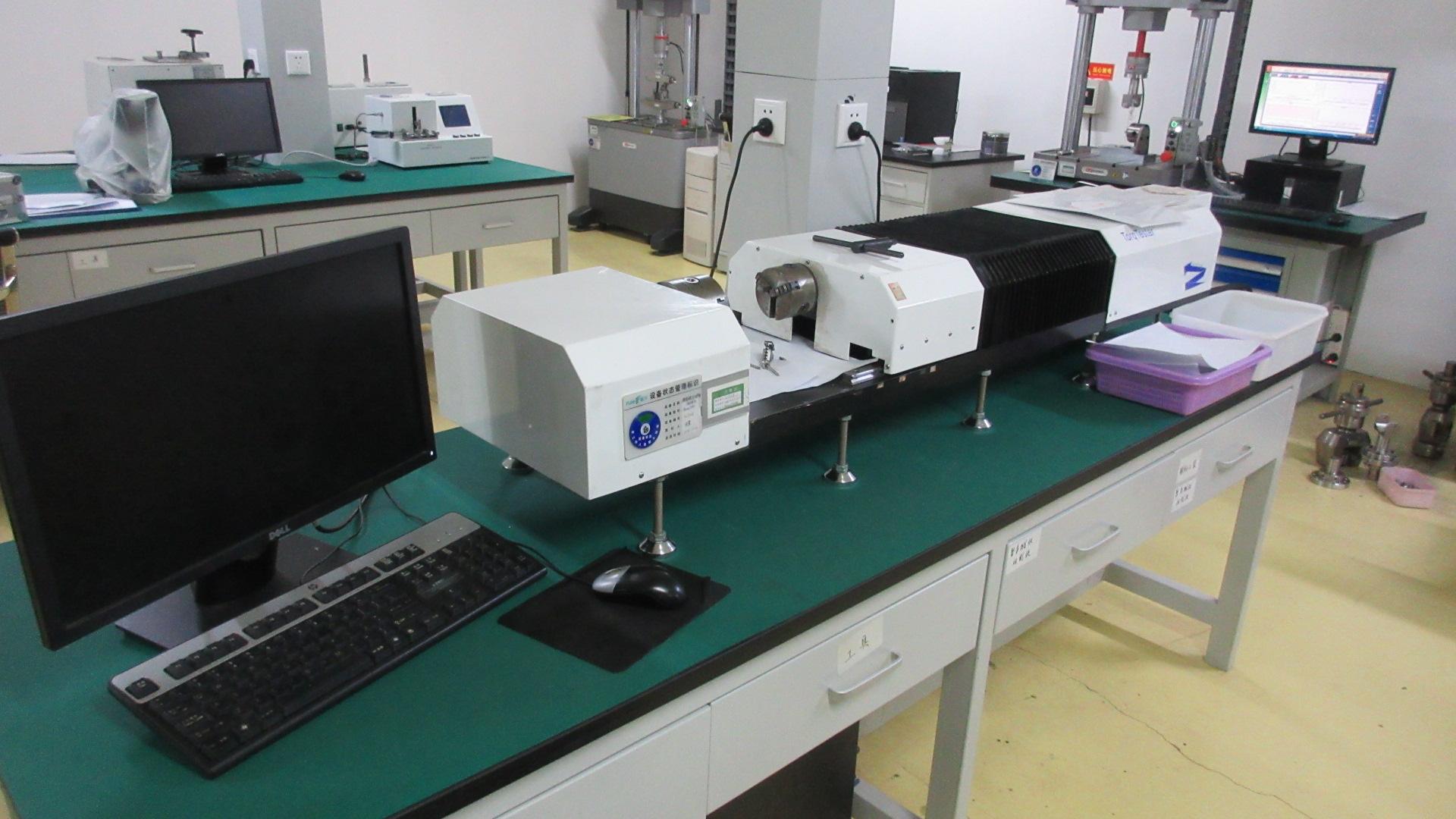
Torsion Tester
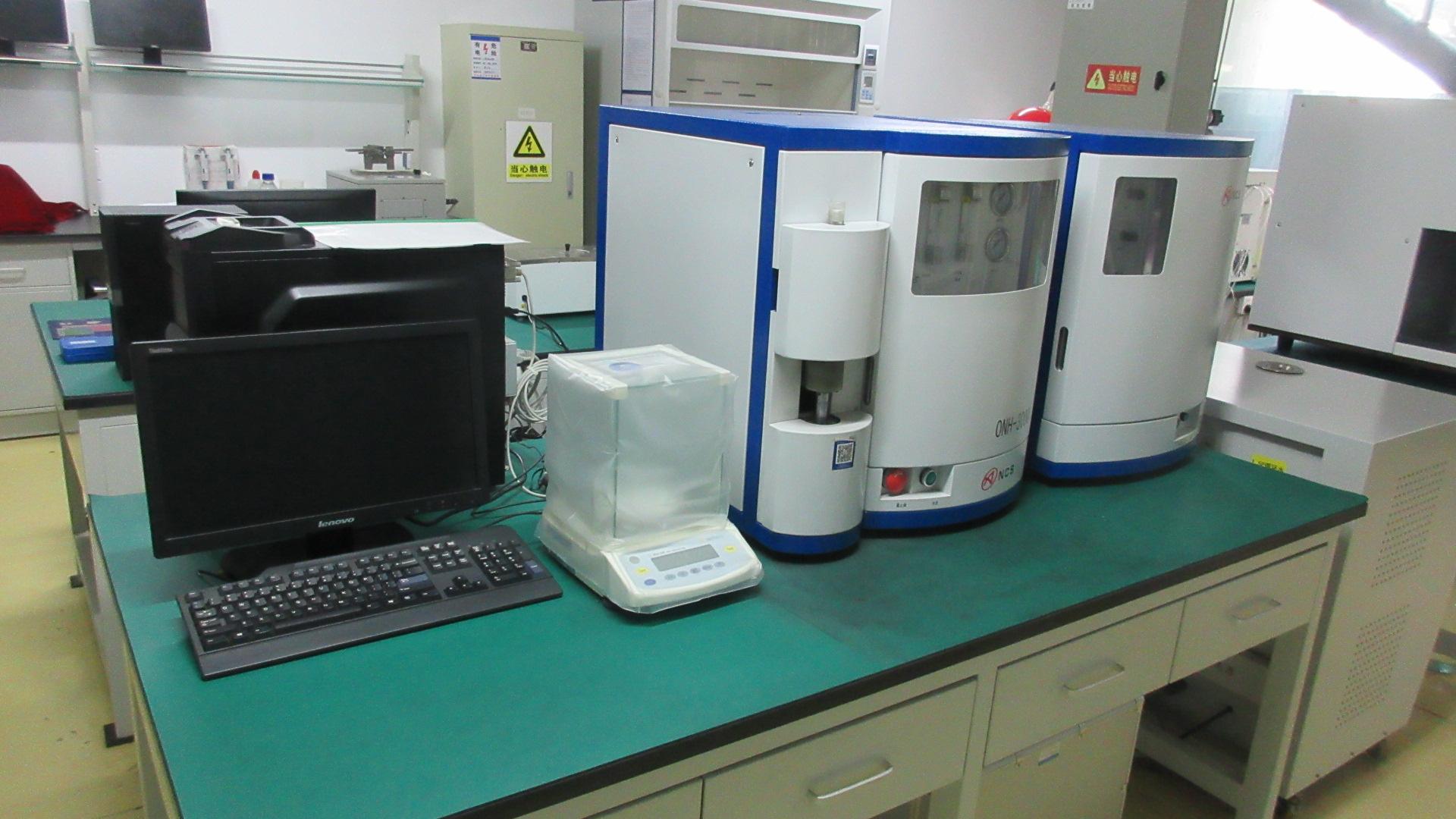
ONH Series Analyzer
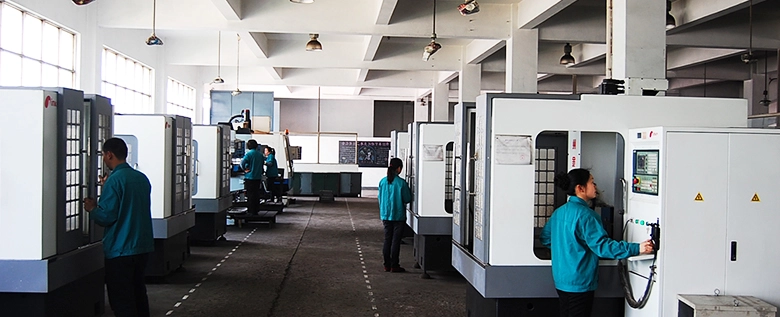
Our R&D team consists of qualified biomedical engineers who constantly integrate surgeon feedback into next-generation fixation systems.
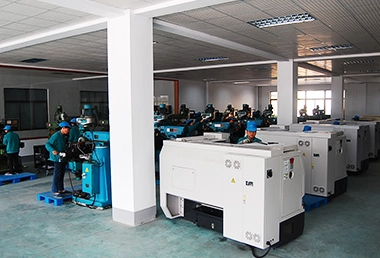
Exporting life-critical medical devices to over 80 countries requires strict compliance with diverse regional healthcare laws. Our regulatory department works in tandem with national authorities to facilitate seamless approvals under international standards.
Fully certified for sale across EU member states under the latest Medical Device Regulation. All technical documentation is audited for biocompatibility and clinical efficacy.
Manufactured from biocompatible materials meeting ASTM F136 specifications. This setup streamlines clearance pathways for medical suppliers in North America.
Our factories adhere to the World Health Organization’s Good Manufacturing Practices, maintaining complete trace-record parameters from raw titanium sponge to final sterilized packaging.
For regions requiring localized audit support (such as ANVISA in Brazil, SFDA in Saudi Arabia, or PMDA in Japan), our engineering team provides comprehensive dossiers, raw material certifications, and sterilization validation reports (e.g., ISO 11137-1/2/3). This level of support ensures that medical distribution companies can secure government tenders and hospital listings without regulatory delays.
As orthopedic surgeries demand faster recovery times, our design labs focus on biomaterial innovations that reduce physiological impact and improve pull-out resistance.
While titanium alloy (Ti-6Al-4V ELI) remains the clinical gold standard for cortical plates, Polyether ether ketone (PEEK) is increasingly favored for sports medicine implants. PEEK’s elastic modulus closely matches human cortical bone, reducing stress-shielding effects and allowing artifact-free post-operative MRI imaging. Our R&D pipeline focuses on integrating fiber-reinforced composites to create high-tensile buttons that accommodate adjustable loops.
The next generation of suspensory fixation aims to eliminate permanent foreign materials within the bone tunnel. We are researching polymer coatings (e.g., PLDLA, HA, and TCP composites) that encourage osteoblast proliferation directly along the suture channel. By promoting early osseointegration, these materials reduce micro-motion, which can lead to synovial fluid leakage and tunnel widening.
Technical answers to key concerns raised by orthopedic hospital buyers, distributors, and quality assurance engineers.
Our cortical buttons are manufactured using Titanium Alloy Grade 5 (Ti-6Al-4V ELI) conforming to ASTM F136. Biocompatibility is verified through cytocompatibility and systemic toxicity testing. The high fatigue resistance of this alloy ensures the implant can withstand cyclic physiological stresses without material failure.
Fixed-loop buttons provide high ultimate pull-out strength with zero loop slippage. This makes them ideal for standard anatomical tunnels where graft lengths are precisely known. Adjustable-loop designs allow surgeons to tension the graft intraoperatively. This simplifies graft placement and accommodates variations in tunnel depth, though it requires meticulous locking knot verification.
We perform high-precision mechanical chamfering and micro-polishing on the button eyelets. This removes micro-burrs and sharp transitions that could shred or abrade the braided UHMWPE sutures under tension. Every batch undergoes microscope-assisted visual inspections.
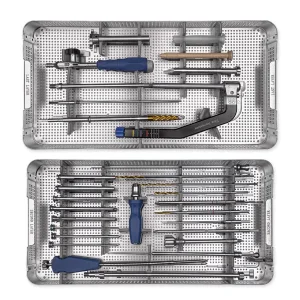
Yes. We offer complete OEM services for orthopedic distributors, including customized laser markings, custom loop lengths, sterile/non-sterile bulk packaging, and matching instrumentation (such as depth gauges, femoral drill guides, and passing pins).
Explore our complete range of trauma fixators, specialized plating systems, and bio-absorbable components for osteotomy and joint reconstruction.
 Voila Orthopedic Implants