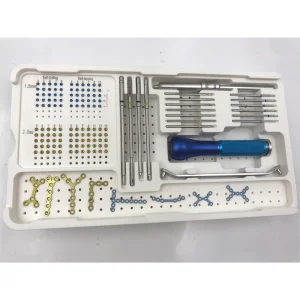
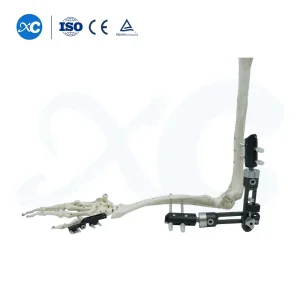
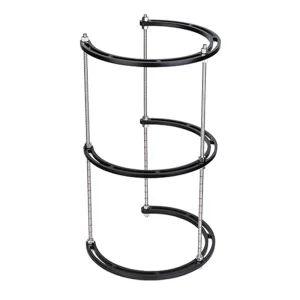
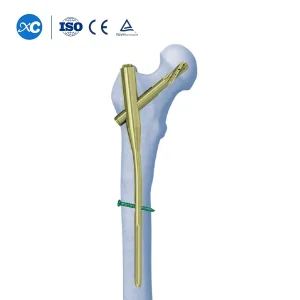
Explore our elite range of precision-manufactured fracture plates, external fixators, and clinical surgical systems.
Exporting Countries
Raw Material Traceability
Medical Quality Certified
Industry R&D Experience
The global market for orthopedic trauma devices has seen a paradigm shift over the past decade. Historically, simple dynamic compression plates served as the standard of care. Today, the clinical focus has turned to anatomically pre-contoured locking compression plates (LCPs) and polyaxial locking systems. These systems preserve local vascular supply, support biological osteosynthesis, and offer biomechanical stability superior to conventional plating systems.
Key drivers behind this transition include the aging global population, the rise in traffic accidents, and the growing demand for rapid clinical rehabilitation. High-performance materials like Grade 5 Titanium (Ti-6Al-4V ELI) and Medical Grade Stainless Steel (316LVM) are now standard requirements, demanding advanced metallurgical control during the manufacturing process. As hospital procurement teams face tightening budgets, the need for cost-efficient, highly reliable medical implant solutions has positioned China as the primary hub for global orthopedic implant production.
China's orthopedic manufacturing sector has evolved from simple component fabrication to highly sophisticated, end-to-end industrial clusters. The key competitive edge rests on three critical pillars:
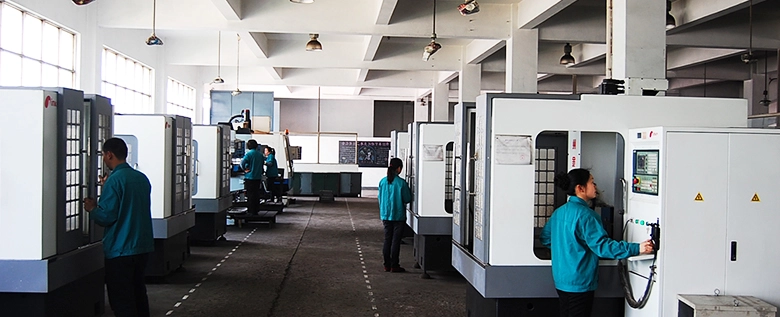
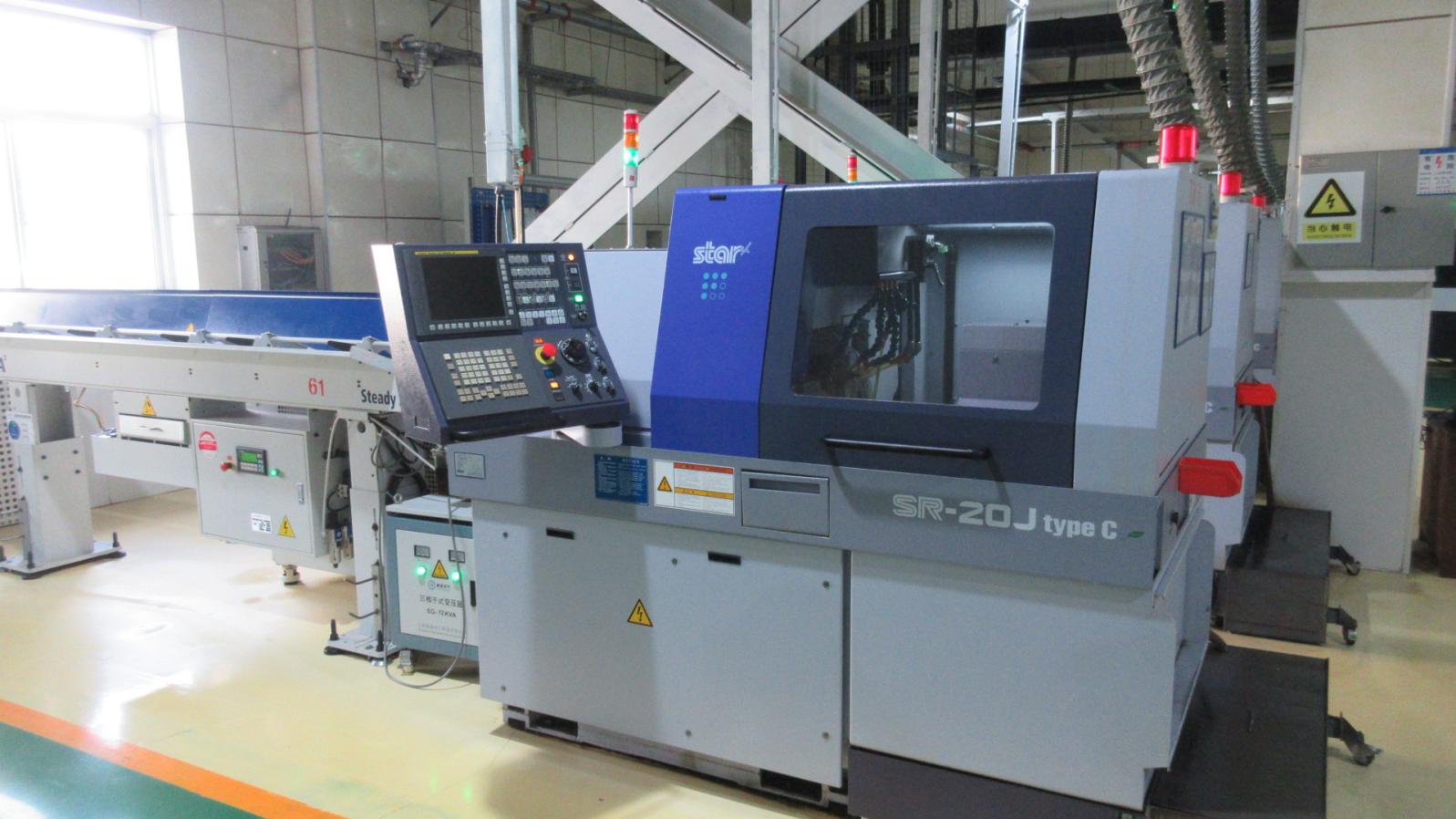
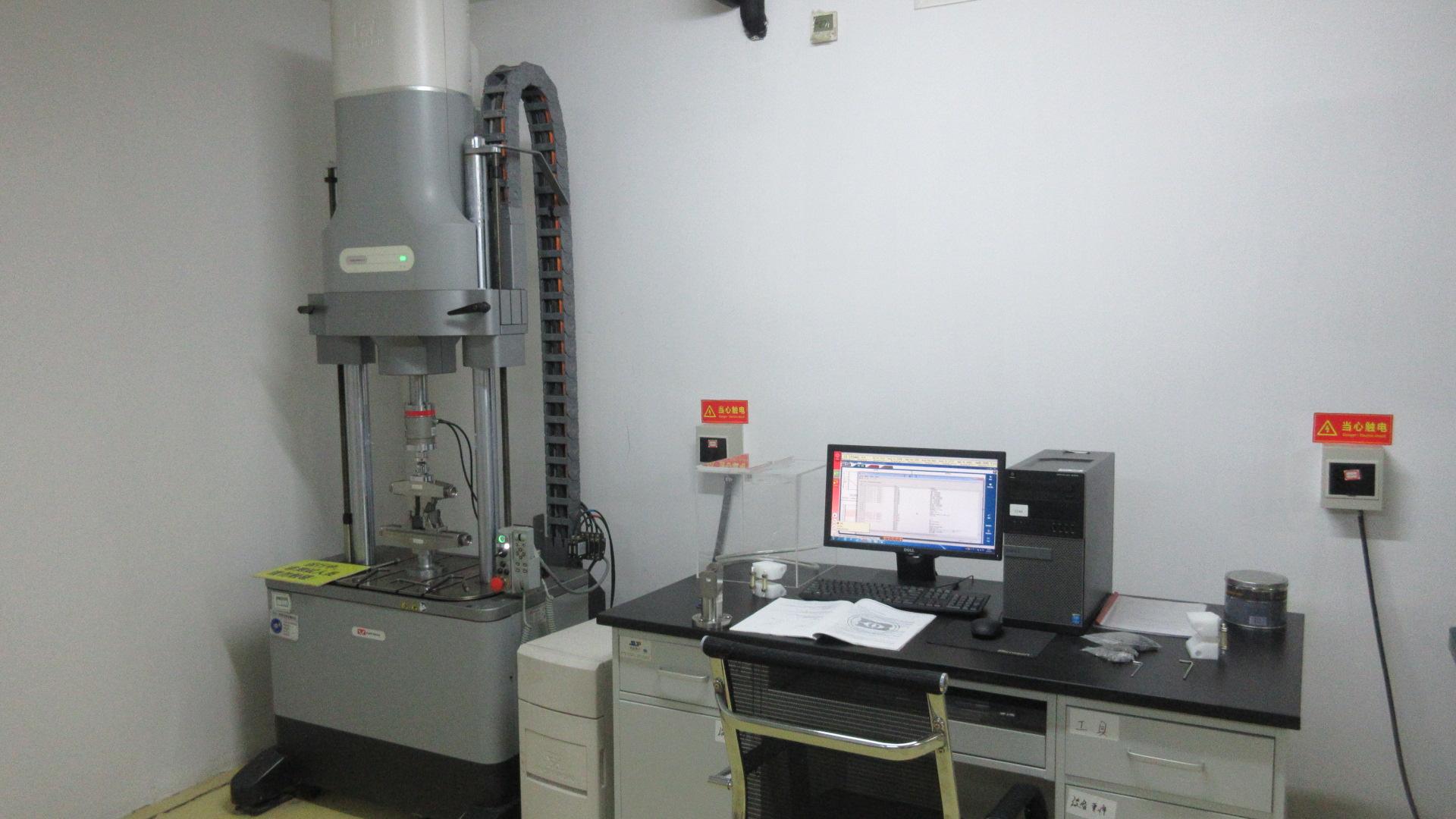
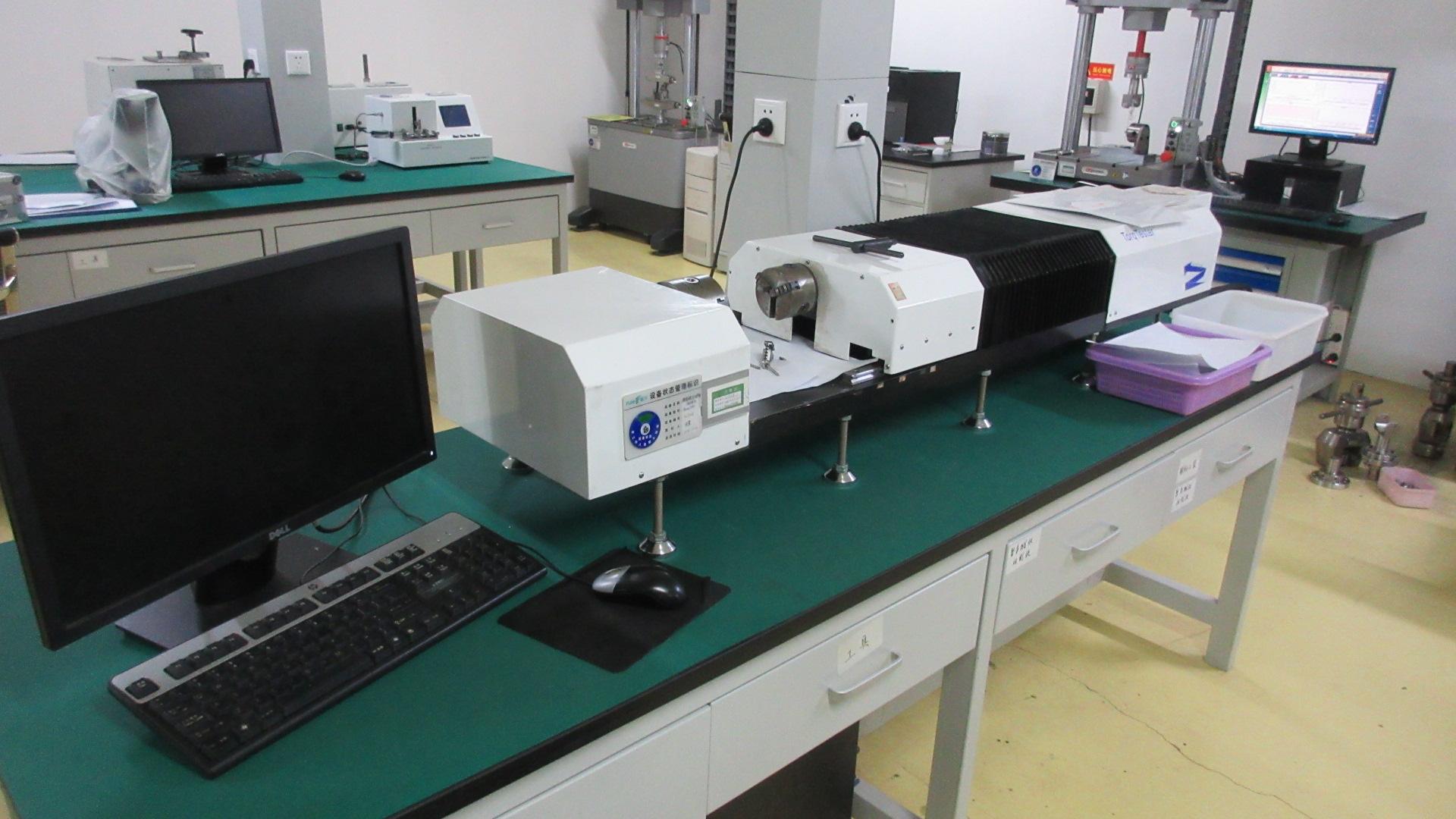
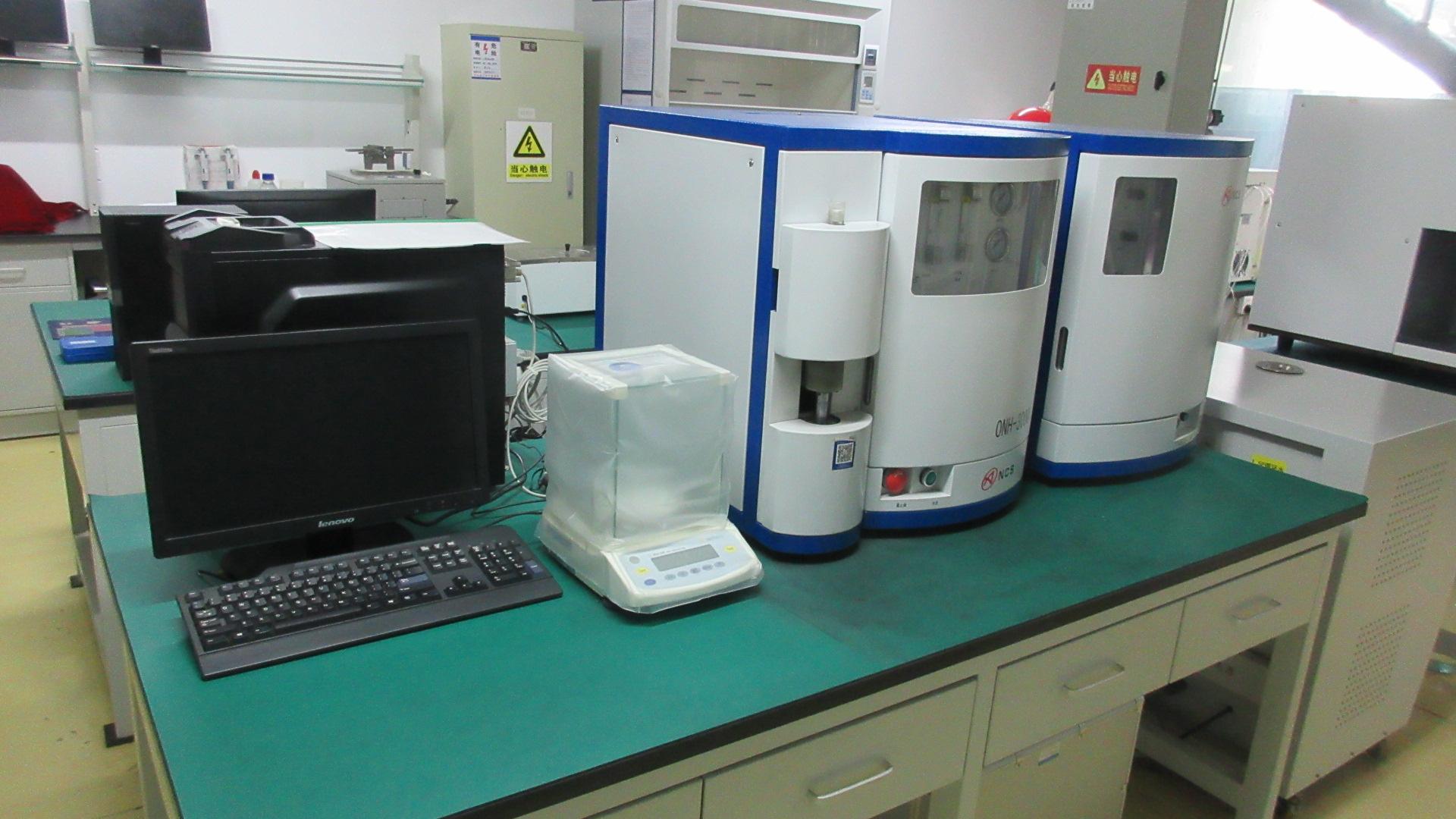
Every step of our production workflow is subjected to stringent international testing standards, ensuring 100% compliance with ISO 9001, ISO 13485, and CE directives.
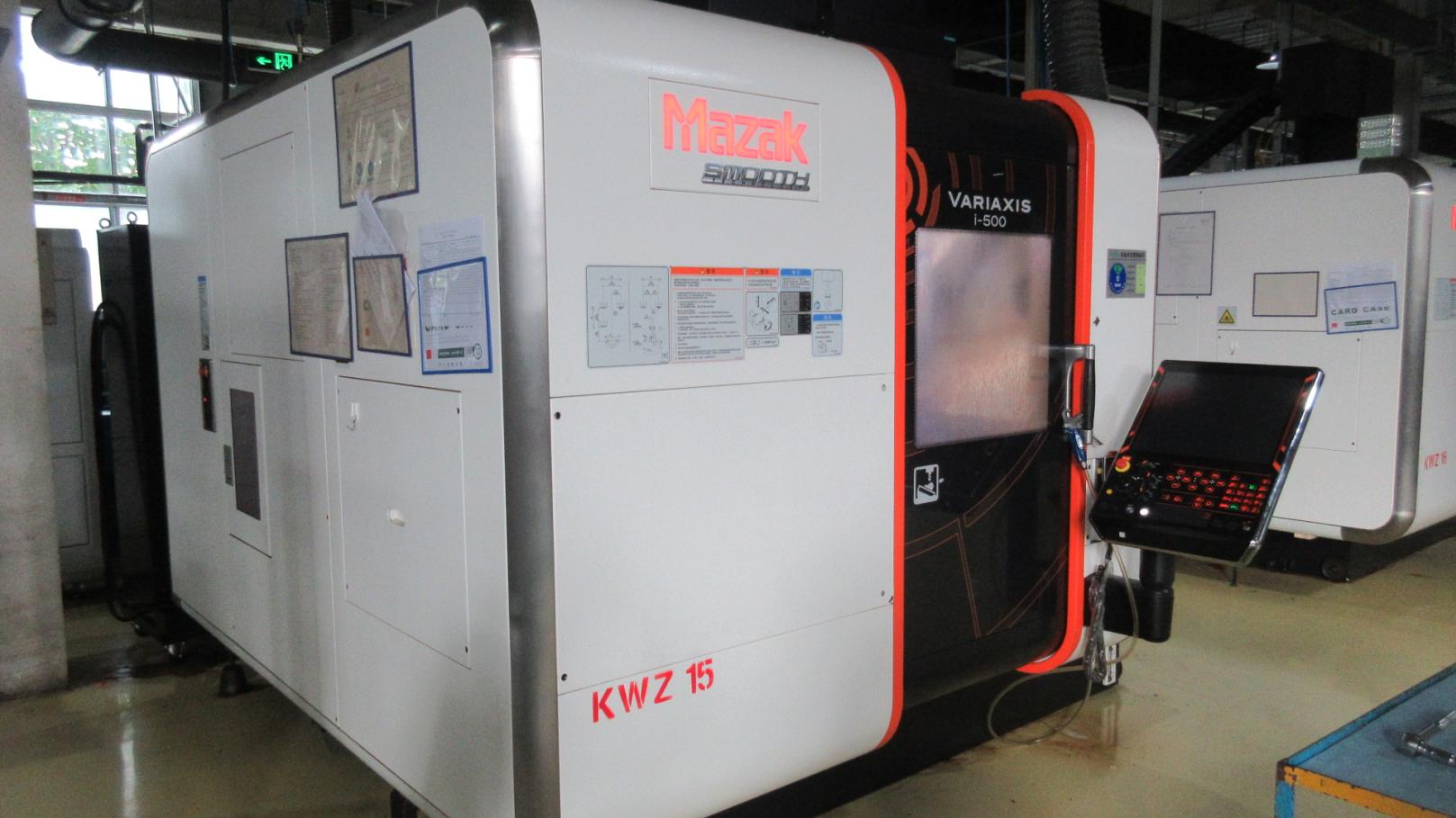
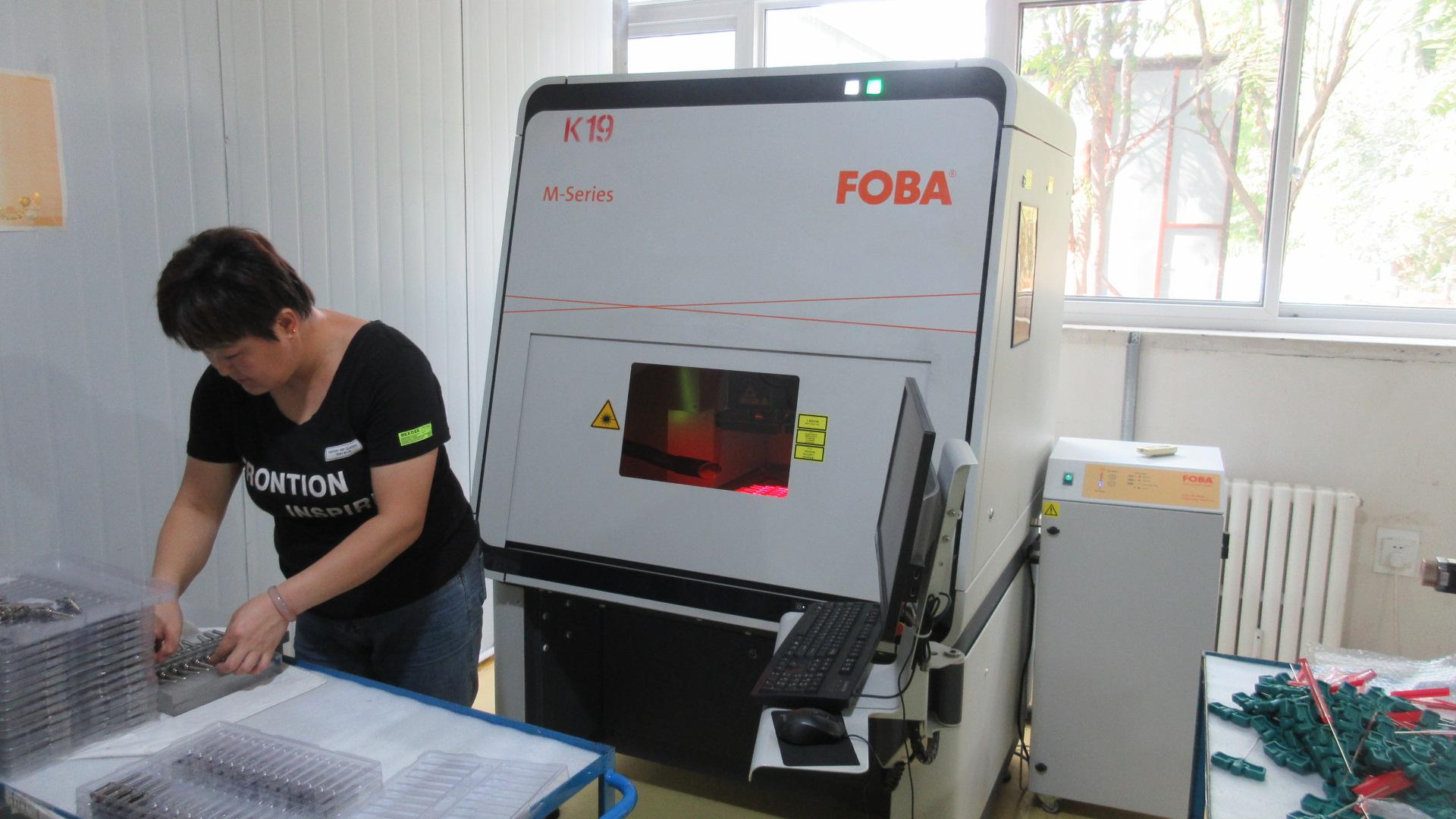
Quality control at our facility starts right from the raw material stage. This makes it possible to monitor and control the quality of every single component that goes into the final package. Our R&D team consists of highly qualified engineers who persist in research and constantly seek clinical feedback to refine implant geometry for global orthopedic surgeons.
From emergency trauma wards to high-volume veterinary clinics, our products are engineered for specific clinical applications.
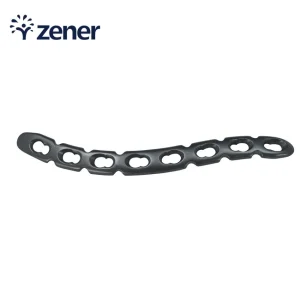
Designed for polytrauma surgeries where anatomical contouring is critical. Our low-profile clavicle, humerus, and tibial locking plates reduce the need for manual intraoperative bending, cutting down operating time.
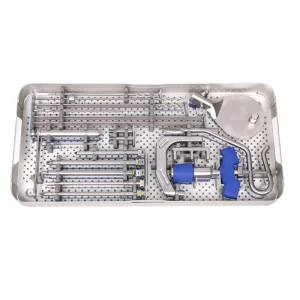
Providing high-durability external fixator systems (such as the Ilizarov Fixator) that offer reusable components, keeping orthopaedic healthcare accessible and affordable without reducing quality.
Specially customized, micro-sized locking plates and dedicated instruments for companion animal patellar luxation and femoral osteotomy procedures (e.g., Toolmed PGR system for dogs and cats).
The future of fracture fixation is digital, biological, and customized. As a forward-thinking manufacturer, we align our R&D roadmap with the following technological trends:
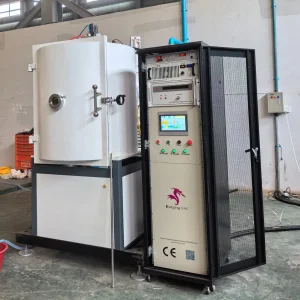
Surgical site infections remain a severe risk in open fractures. Research is focused on applying nano-silver or antibiotic-releasing anodic coatings to the surface of titanium plates. These coatings inhibit bacterial colonization while promoting direct bone cell attachment (osteointegration).
To eliminate the need for a secondary implant removal surgery, biodegradable magnesium-based alloys are being developed. These materials offer the necessary mechanical strength during the healing phase and slowly dissolve, safely absorbing into the body as the bone regenerates.
For complex articular reconstructions or oncology cases, standard off-the-shelf plates are sometimes insufficient. Using patient CT scans, 3D printing enables the production of custom titanium plates that fit the patient's unique anatomy, minimizing surgical revisions.
For medical device distributors and hospital purchasing managers, sourcing fracture plates requires balancing clinical efficacy, legal compliance, and supply chain security. Consider the following criteria during your evaluation:
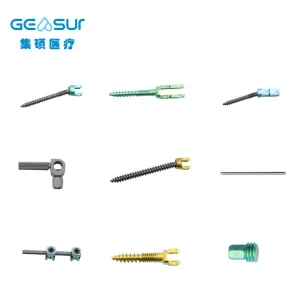
Discover our comprehensive range of specialized nails, spinal instrumentation, and orthopedic surgical sets.
Find direct, professional answers to your queries regarding manufacturing standards, material choices, and lead times.
 Voila Orthopedic Implants