Engineered to support precise intraoperative imaging protocols, clinical navigation, and complex surgical reconstructions.
We are the most reputed manufacturers/exporters of Orthopedic Implants and Instruments & Star Export House company certified by Government. Operating as a critical partner for global medical brands, we are exporting to more than 80 countries worldwide. We pride ourselves on Superior Quality and Competitive Pricing, and we operate under a quality system that complies with ISO 9001:2015, EN ISO 13485:2016, CE & WHO: GMP Compliance. Many reputed companies in Europe and USA regularly buy from us.
Exploring the convergence of digital radioscopy, high-resolution imaging, and structural implant accuracy.
Modern surgical suites are rapidly evolving from static theaters to dynamically integrated visualization hubs. The adoption of intraoperative imaging (IOI)—encompassing intraoperative 3D fluoroscopy, mobile C-arms, intraoperative CT (iCT), and real-time surgical navigation—has redefined the surgical benchmark. Historically, surgeons relied on pre-operative planning scans combined with post-operative verification. Today, the clinical standard demands real-time validation to verify implant placement, trajectory alignment, and decompression margins prior to closure.
From an orthopedic and spinal perspective, this shift reduces revision rates, limits radiation exposure through precise targeting, and minimizes surgical trauma. The integration of intraoperative imaging relies heavily on the mechanical specifications of implants and instruments. Implants must feature optimized radiopacity profiles, spatial compatibility with navigation arrays, and design geometries that do not create scatter or artifact under X-ray, fluoroscopy, or CT reconstruction. As a custom OEM partner, we stand at the intersection of material science and diagnostic imaging alignment.
Modern hospitals are scaling up hybrid ORs that demand implants and instrumentation designed to reduce optical interference and CT artifacting. Custom surgical assemblies must incorporate low-scatter materials like PEEK, carbon fiber composites, and surgical-grade titanium alloys.
Robotic guidance and navigation tracking systems require high-precision surgical instruments featuring calibrated optical trackers and electromagnetic sensor mounts to allow instant real-time stereotactic registration.
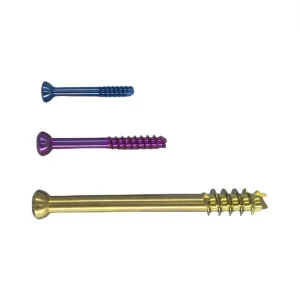
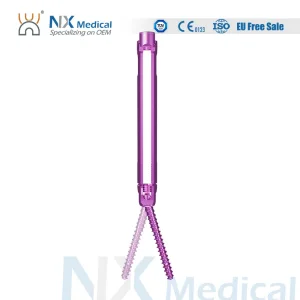
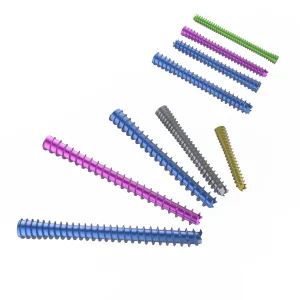
MIS procedures require targeted instrumentation like percutaneous pedicle screws, cannulated compression screws, and specialized C-clamps that are optimized for intraoperative fluoroscopy tracking, avoiding large open incisions.
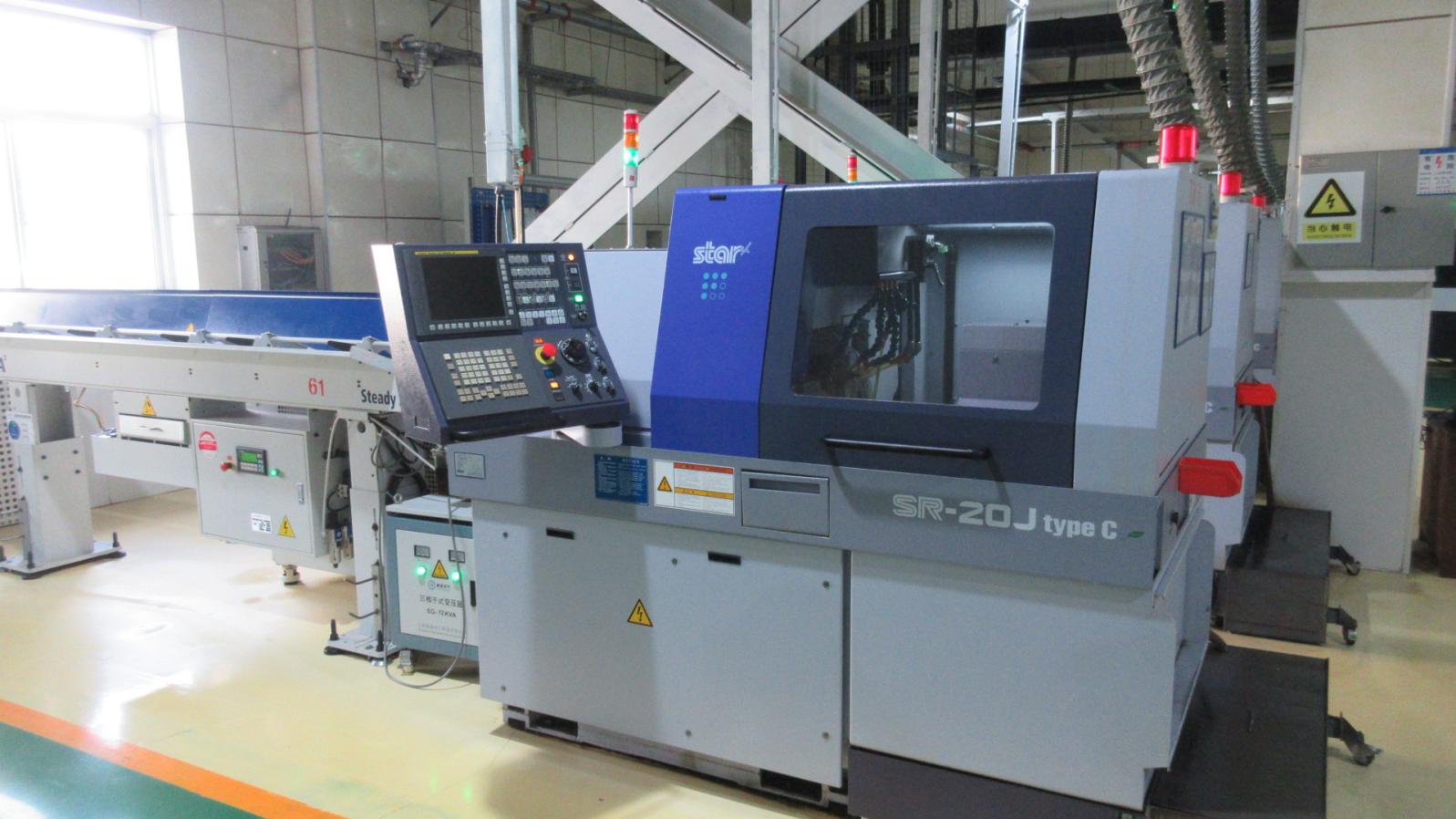
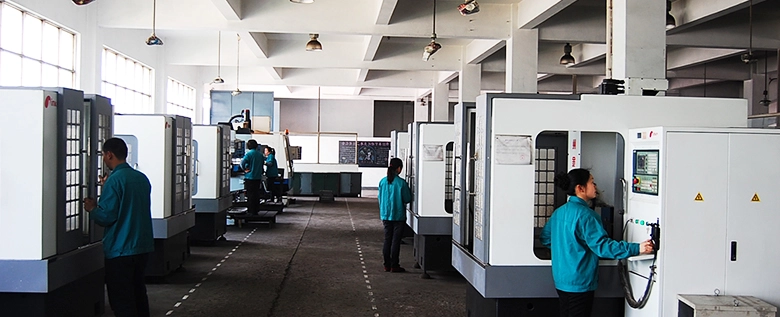
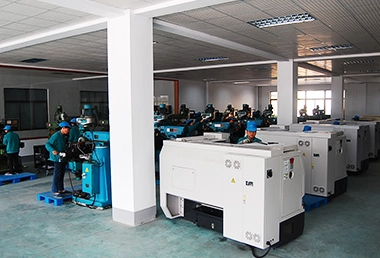
Inside our state-of-the-art production facilities, where raw medical materials are transformed into life-changing implants.
Automatic Slitting
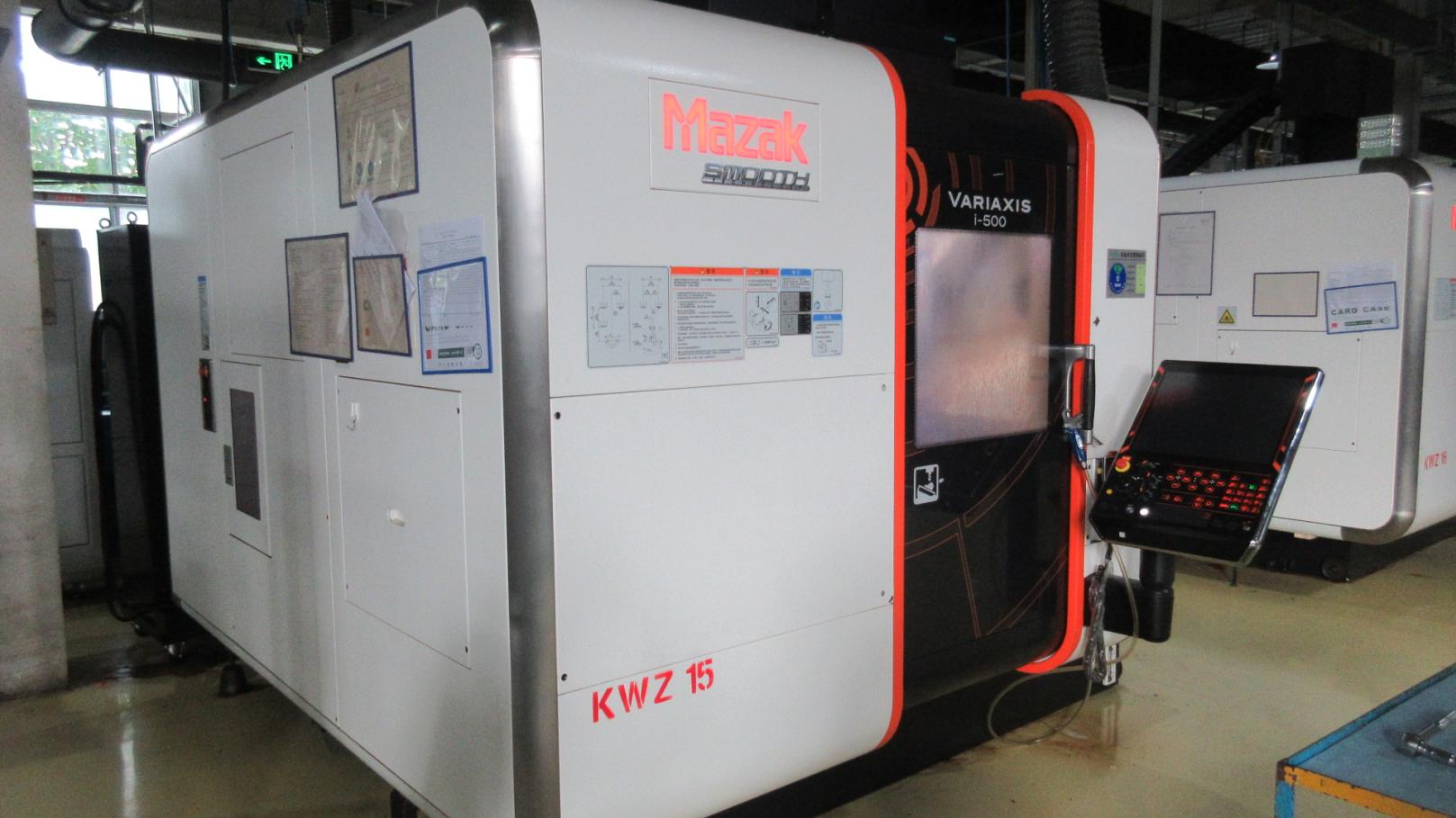
CNC Lathe
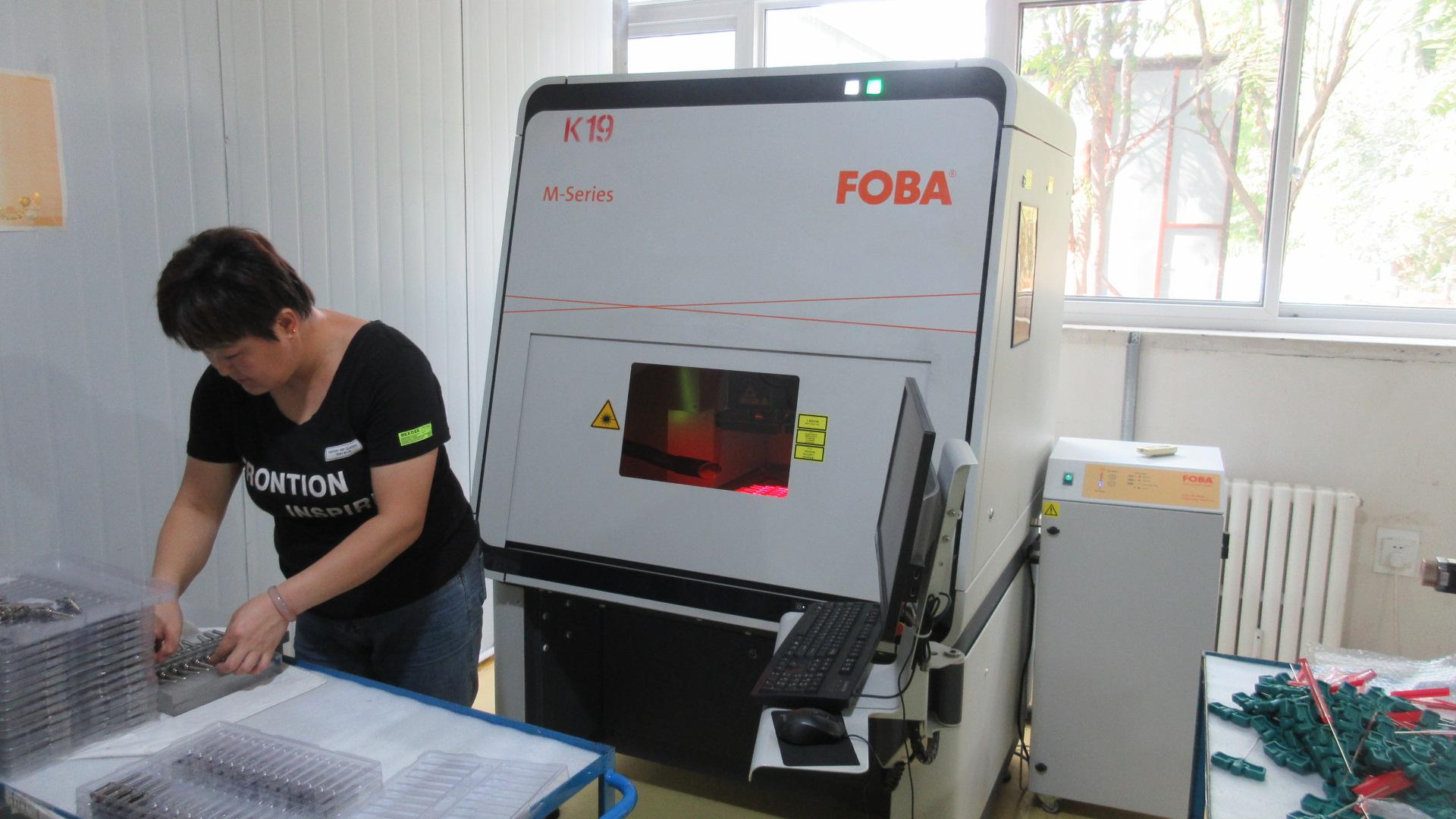
Laser Engraving
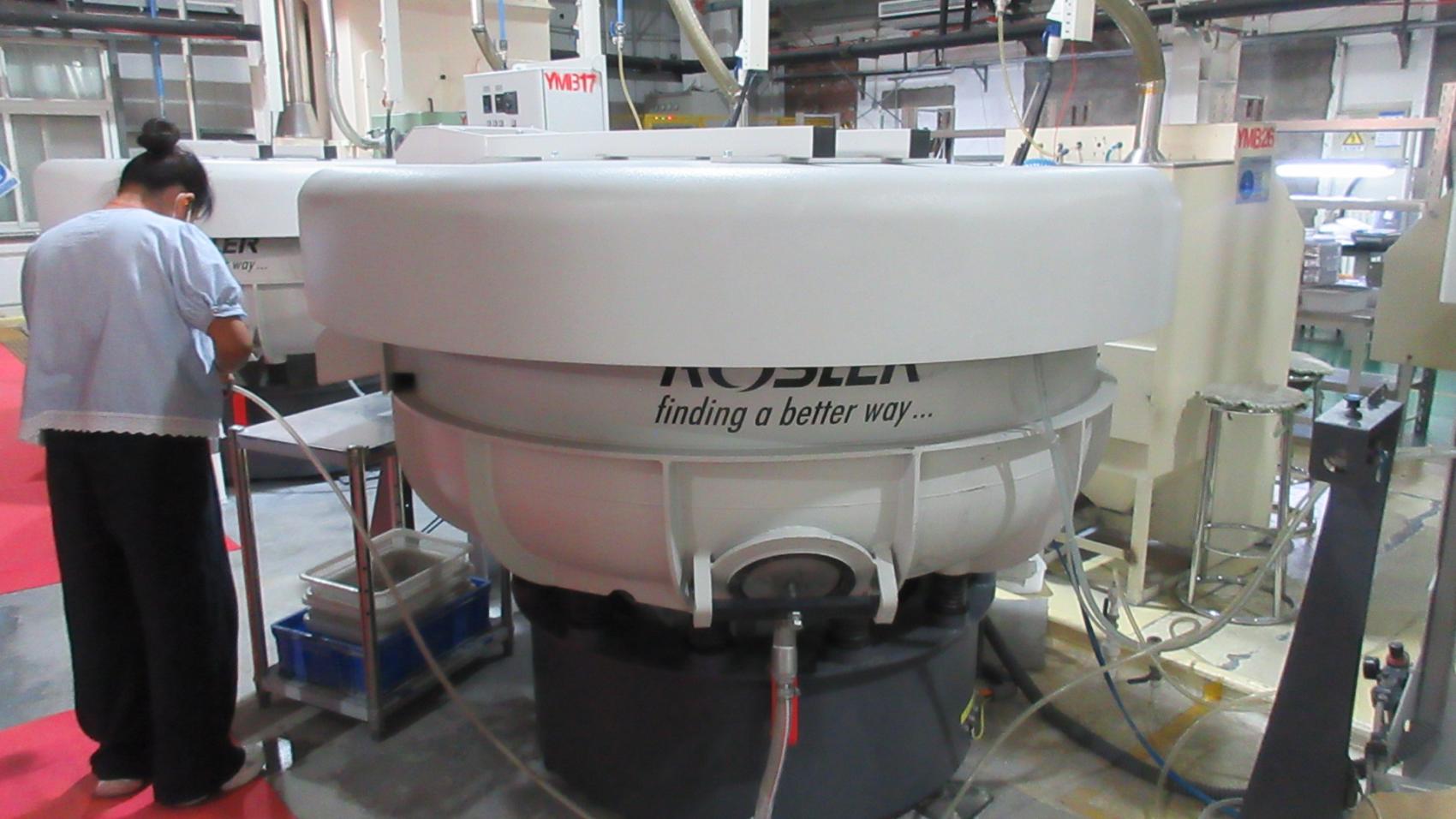
Grinding
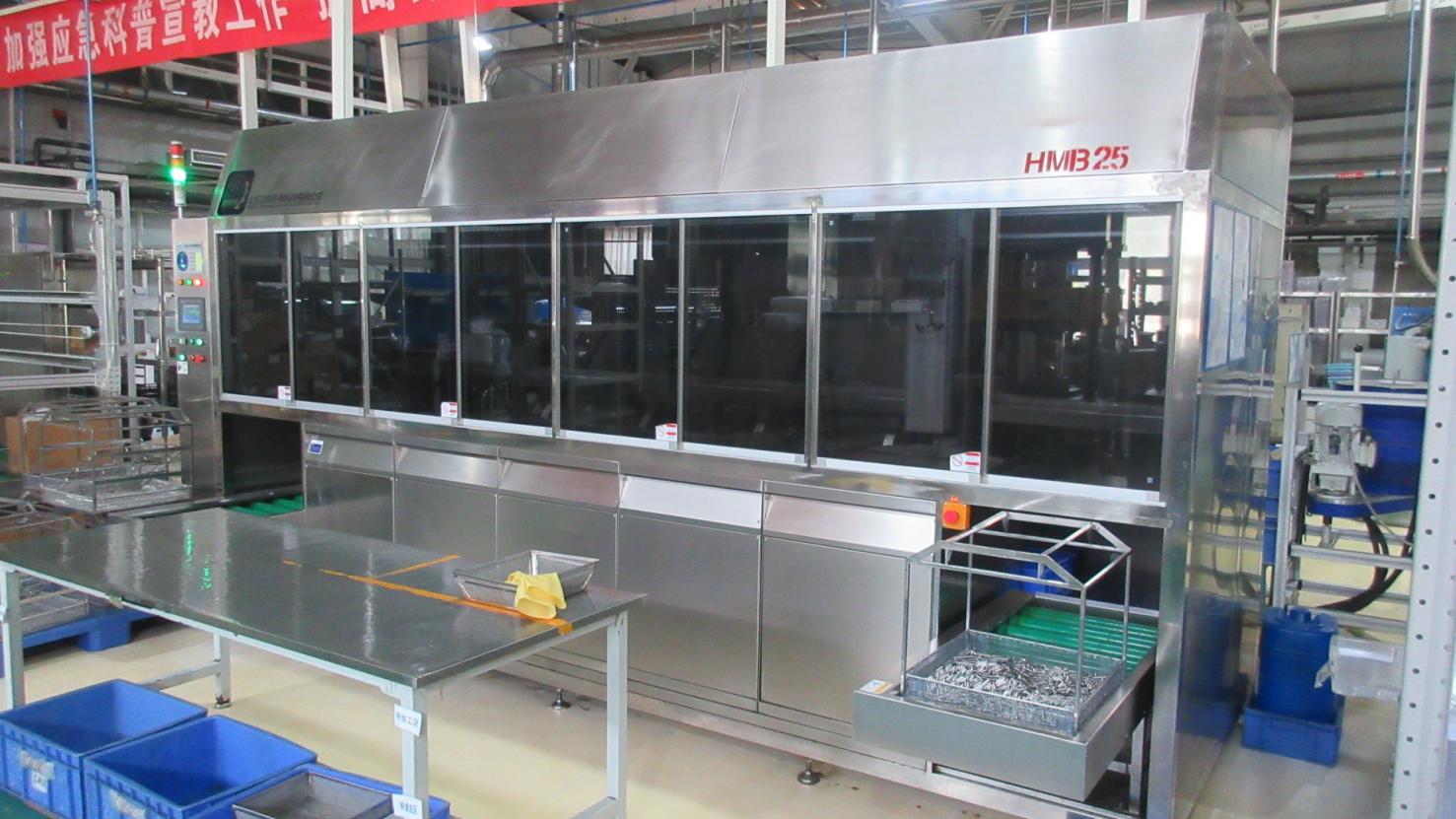
Ultrasonic Clearing
Our OEM manufacturing line is structured to provide high structural integrity and dimension tolerance. The Automatic Slitting process ensures precise feedstock dimensions, feeding advanced multi-axis CNC Lathes capable of micro-precision orthopedic machining. To facilitate serial traceability and optical tracking validation in clean fields, all components undergo ultra-high-resolution Laser Engraving. Post-machining, critical contact surfaces undergo rigorous Grinding to meet mirror-finish guidelines, concluding with an validated Ultrasonic Cleaning cycle within controlled cleanroom boundaries to eliminate any particulate residues before packaging.
Every implant design is subjected to aggressive mechanical stressors and chemical profiling to assure lifetime performance.
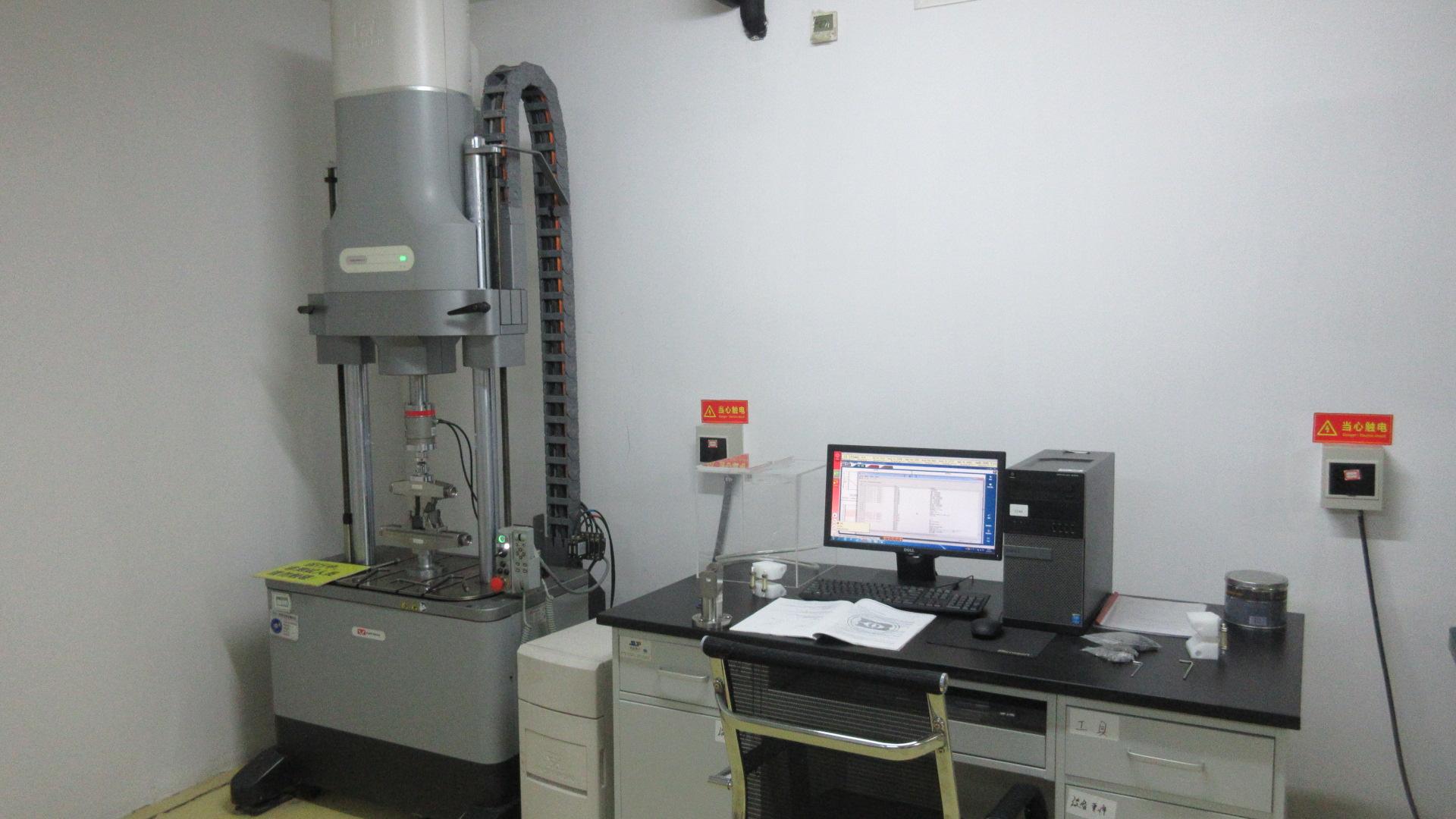
Fatigue Tester
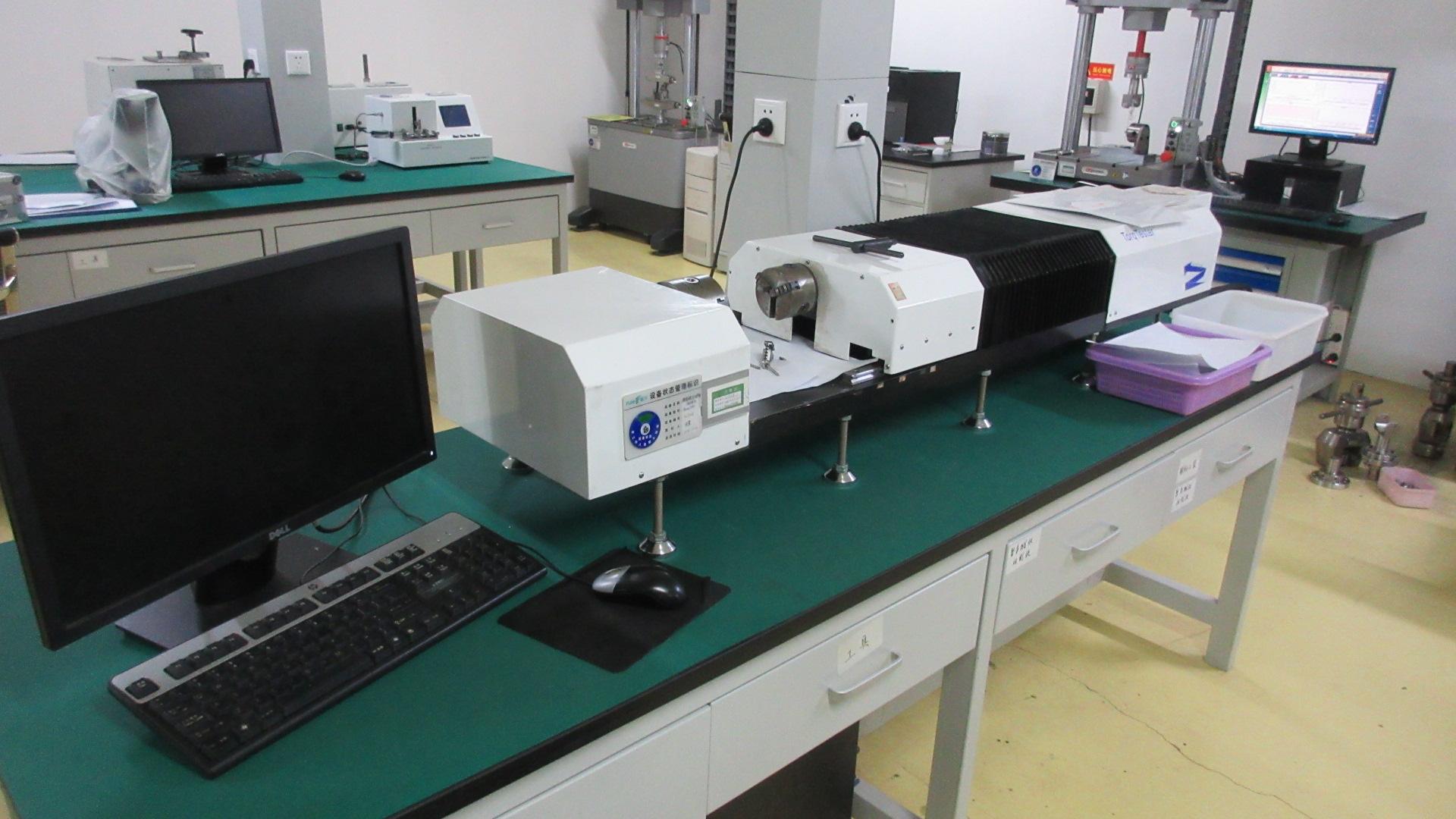
Torsion Tester
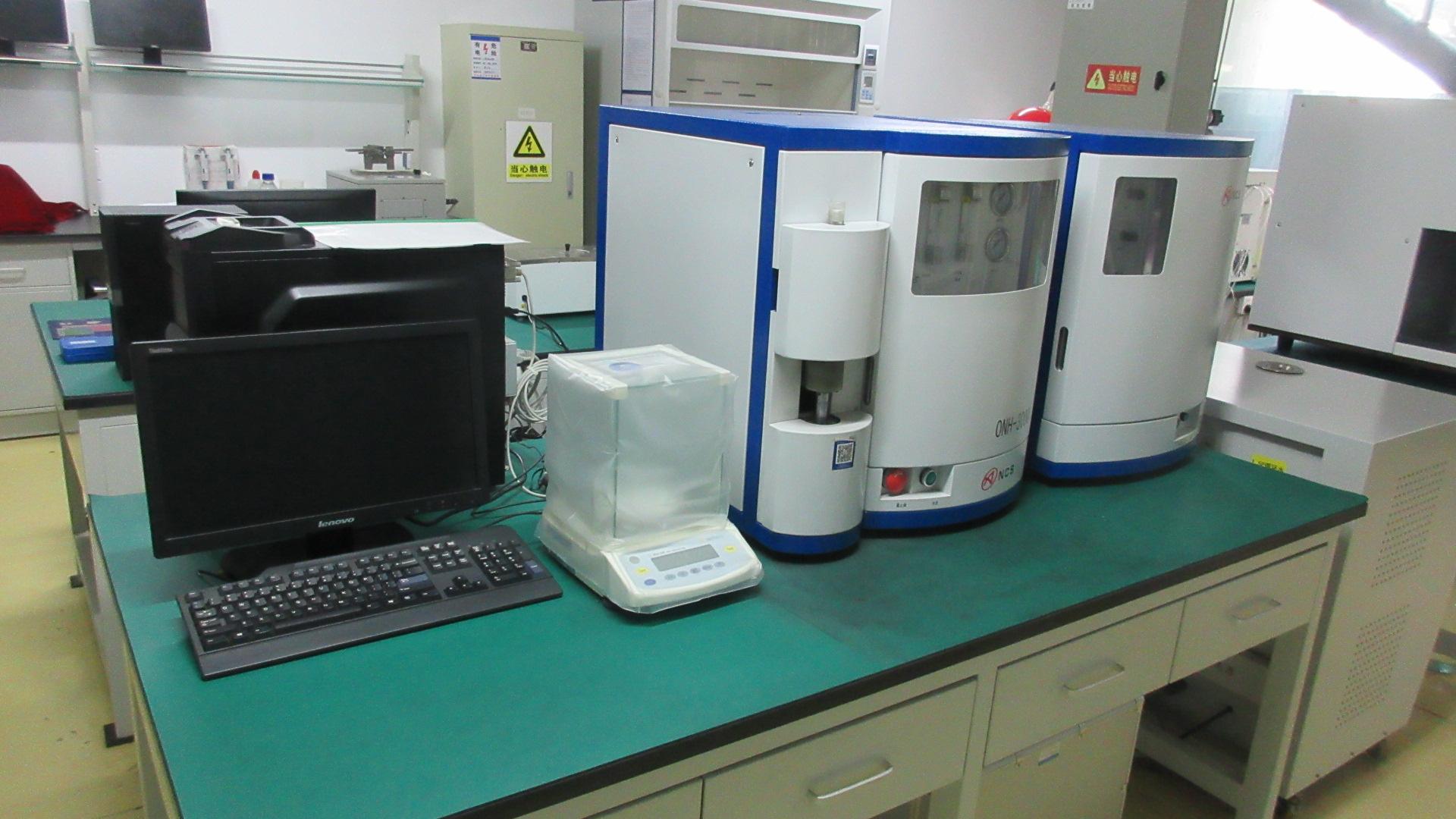
ONH Series Analyzer
Quality Control and R&D: We have a highly equipped R&D lab and stringent quality control standards to ensure quality of our products as per international standards. Quality Control starts from the raw material stage. This makes it possible for us to control the quality of every component that goes into manufacture of the finished product. Our R&D team consists of highly qualified engineers who persistently conduct research and constantly seek feedback from the customers as they create new designs to meet the future needs of Orthopedic Surgeons worldwide. We are thus considered as a top Trauma & Orthopedic Implants company.
Within our R&D diagnostic lab, our engineering teams perform mechanical characterizations. The Fatigue Tester replicates millions of anatomical load cycles to predict fatigue life profiles of structural locking plates and spinal hardware. Our Torsion Tester certifies shear strength metrics of cannulated compression screws under maximum insertion torque profiles. Concurrently, chemical composition verification is performed by our ONH Series Analyzer, which detects trace levels of Oxygen, Nitrogen, and Hydrogen in titanium alloys to prevent premature stress corrosion cracking (SCC) or micro-embrittlement.
Analyzing challenges faced by healthcare networks, global distributors, and OEM medical device brands.
Procuring surgical implants and matching instrumentation bundles is a complex process. Strategic sourcing leads at multinational orthopedic companies and hospital purchasing networks require a balance of regulatory clearance, manufacturing volume capability, material traceability, and cost-containment support. Additionally, with the transition towards intraoperative-guided procedures, sourcing managers seek vendors capable of modifying classical implant designs into "navigation-ready" configurations without extending regulatory cycle times.
Key procurement pain-points addressed by our production framework include:
Unified hardware ecosystems bridging the gap between classical trauma repair and high-definition clinical guidance.
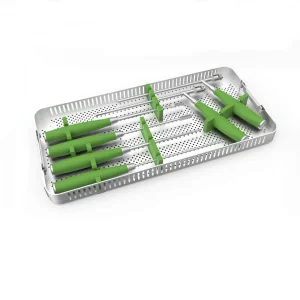
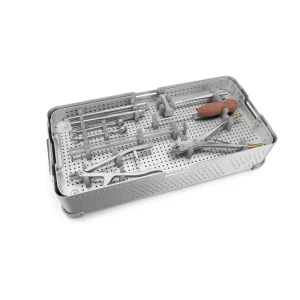
Orthopedic surgeries require a cohesive interaction between implants and the surgical instrumentation used to place them. As a custom OEM partner, we design and produce implants alongside their corresponding instrumentation sets, ensuring seamless compatibility inside the operating room. This unified approach eliminates mechanical slippage, guarantees correct locking dynamics, and ensures predictable intraoperative visualization.
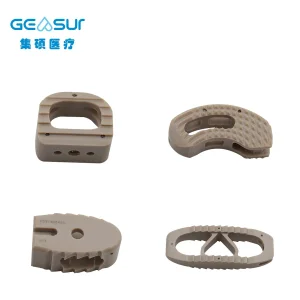
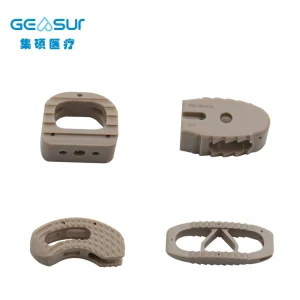
Our posterior lumbar interbody fusion (PLIF) and transforaminal lumbar interbody fusion (TLIF) peek cage configurations are coupled with complete titanium-coated surgical instrument kits. During spinal implantation, the visualization of cage placement under C-arm fluoroscopy is critical. By embedding precise radiopaque titanium markers inside structural PEEK cages, we enable surgeons to accurately confirm placement depth, rotation, and alignment under real-time intraoperative guidance.
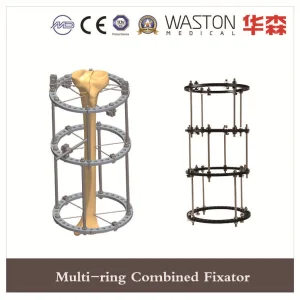
Pelvic ring fractures and severe femoral non-unions present challenging structural scenarios. Our combined Multi-Ring Cobra External Fixators and Pelvic C-Clamp instrument sets provide immediate stabilization. The mechanical clearance design of our structural frames allows uninhibited C-arm access, enabling surgeons to capture high-clarity AP, inlet, and outlet pelvic views without experiencing radiographic interference from the stabilization hardware.
Future-proofing our OEM manufacturing services to support global healthcare markets.
Distributing medical devices globally requires a deep commitment to regulatory standards. Every implant batch we ship features complete material certification sheets, lot-traceability documentation, and validation logs that comply with WHO: GMP regulations. By aligning our production quality systems with ISO 13485:2016 and CE guidelines, we ensure that our global partners can seamlessly integrate our technical files into their local regulatory applications, expediting time-to-market.
Our engineering division is focused on incorporating several upcoming technologies into our OEM production lines:
Answers to critical technical, manufacturing, and regulatory questions from procurement managers and surgical engineering leads.
High-durability implants and surgical instruments engineered to meet rigorous clinical standards.
 Voila Orthopedic Implants