Posterior Cruciate Ligament (PCL) injuries represent a significant segment of joint pathologies. Achieving optimal biomechanical outcomes in PCL reconstruction requires state-of-the-art fixation techniques.
Unlike ACL reconstructions, PCL reconstruction faces unique mechanical loads due to the posterior translation of the tibia. This demands superior pull-out strength, rigid graft fixation, and minimal graft slippage over time. Global orthopedic hubs utilize advanced materials like PEEK (Polyetheretherketone) and Titanium Alloy (Ti-6Al-4V ELI) to ensure maximum biocompatibility and structural integrity.
As dynamic medical standards progress globally, the emphasis is rapidly shifting towards suspensory fixation designs. These designs distribute stress evenly across the bone tunnels, minimizing the "killer turn" graft attenuation effect at the posterior tibial outlet. High-end clinical centers in Europe, the USA, and Asia-Pacific require suppliers to deliver customized surgical kits that facilitate both aperture fixation (via interference screws) and cortical suspensory loops.
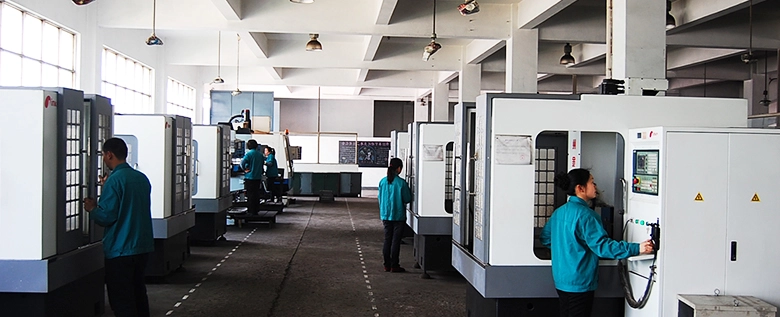
Chinese medical device manufacturing hubs combine precision engineering, vertical supply chain integration, and rapid production scaling to offer unmatched cost-to-performance advantages.
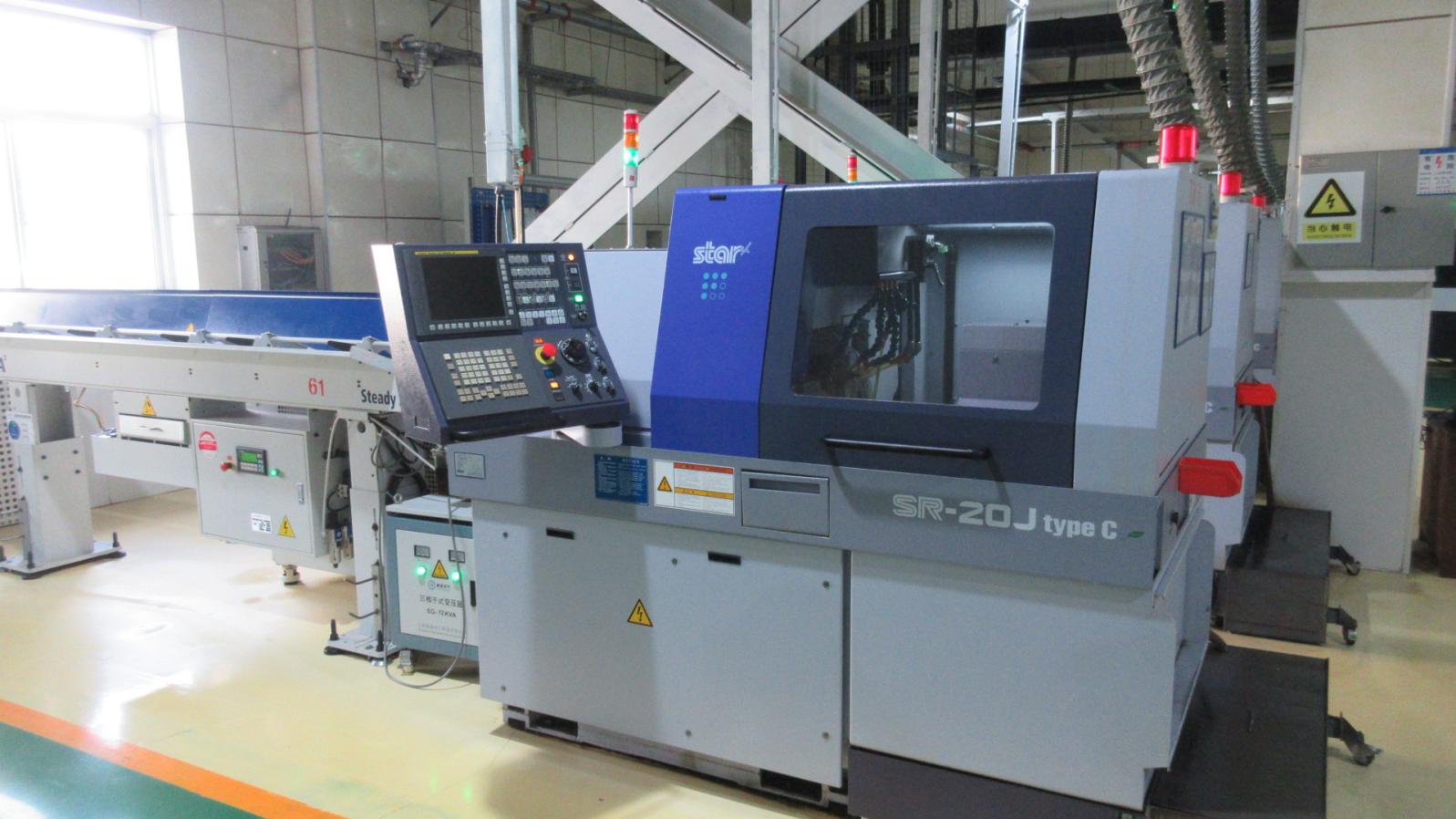
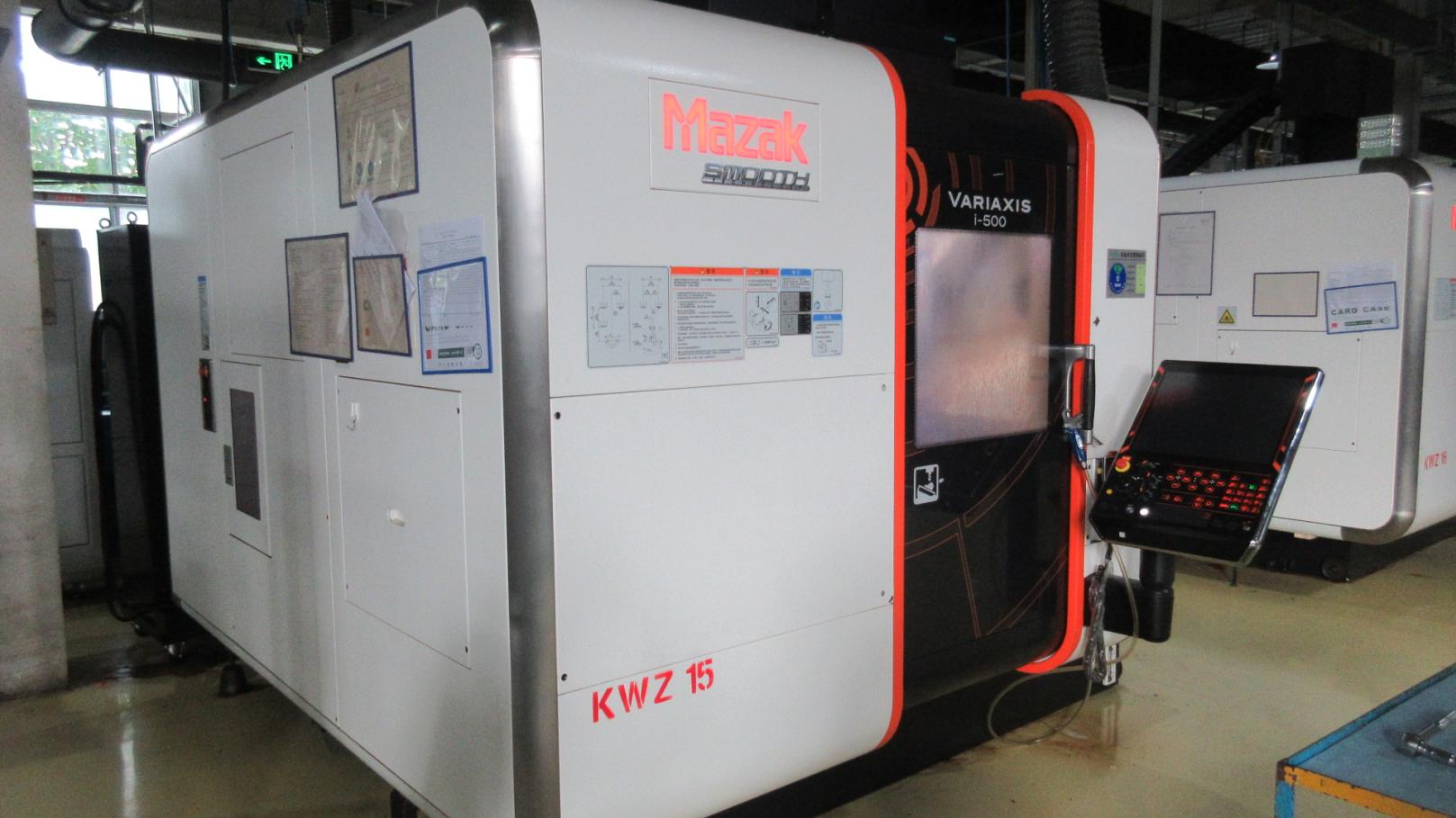
By employing multi-axis CNC swiss machining and automatic slitting, our factories eliminate human variability, delivering sub-micron tolerances for orthopedic implants.
Direct localization with certified titanium and PEEK raw-stock producers minimizes transit delays, ensuring steady production pipelines even during global logistics shortages.
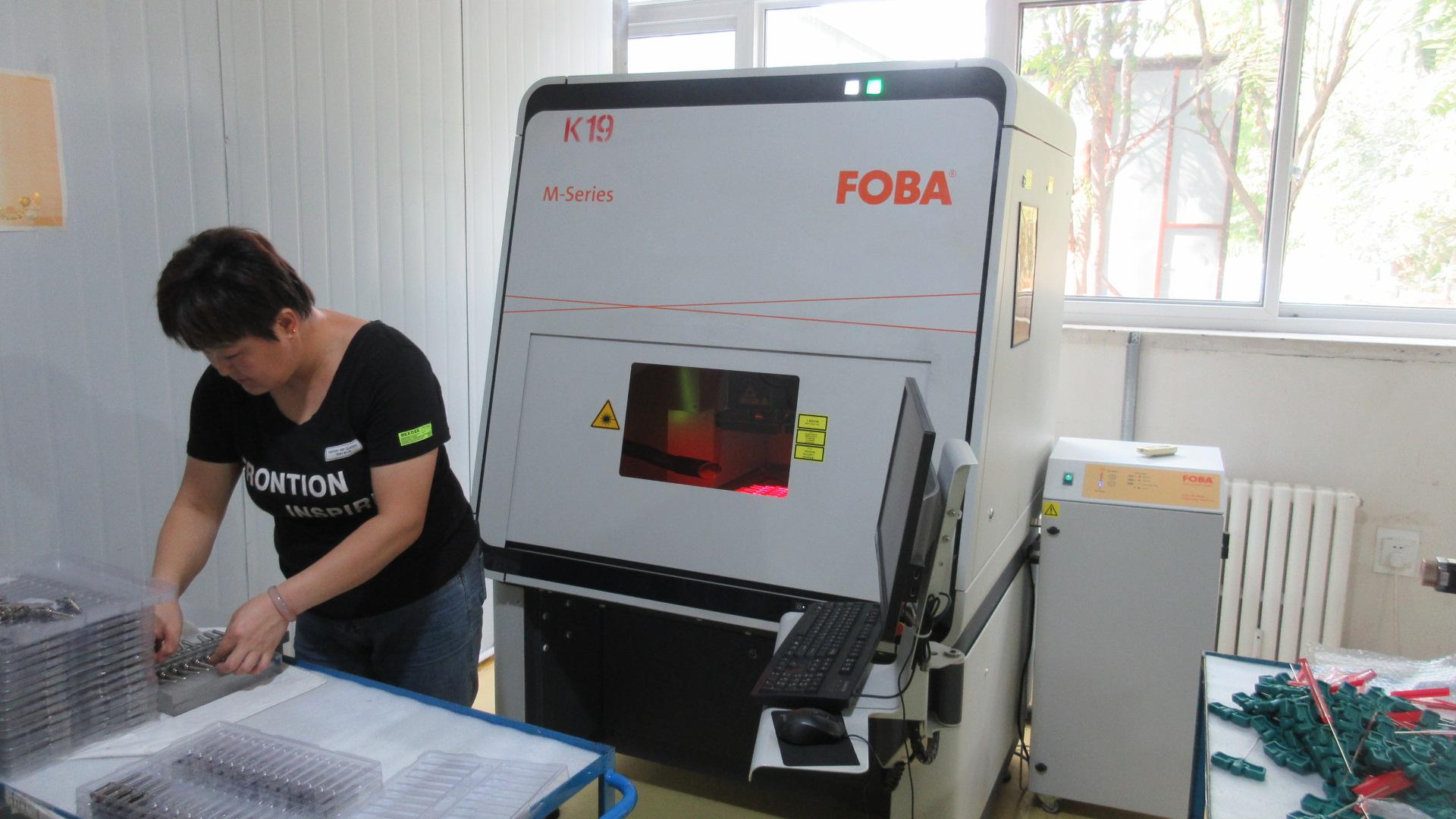
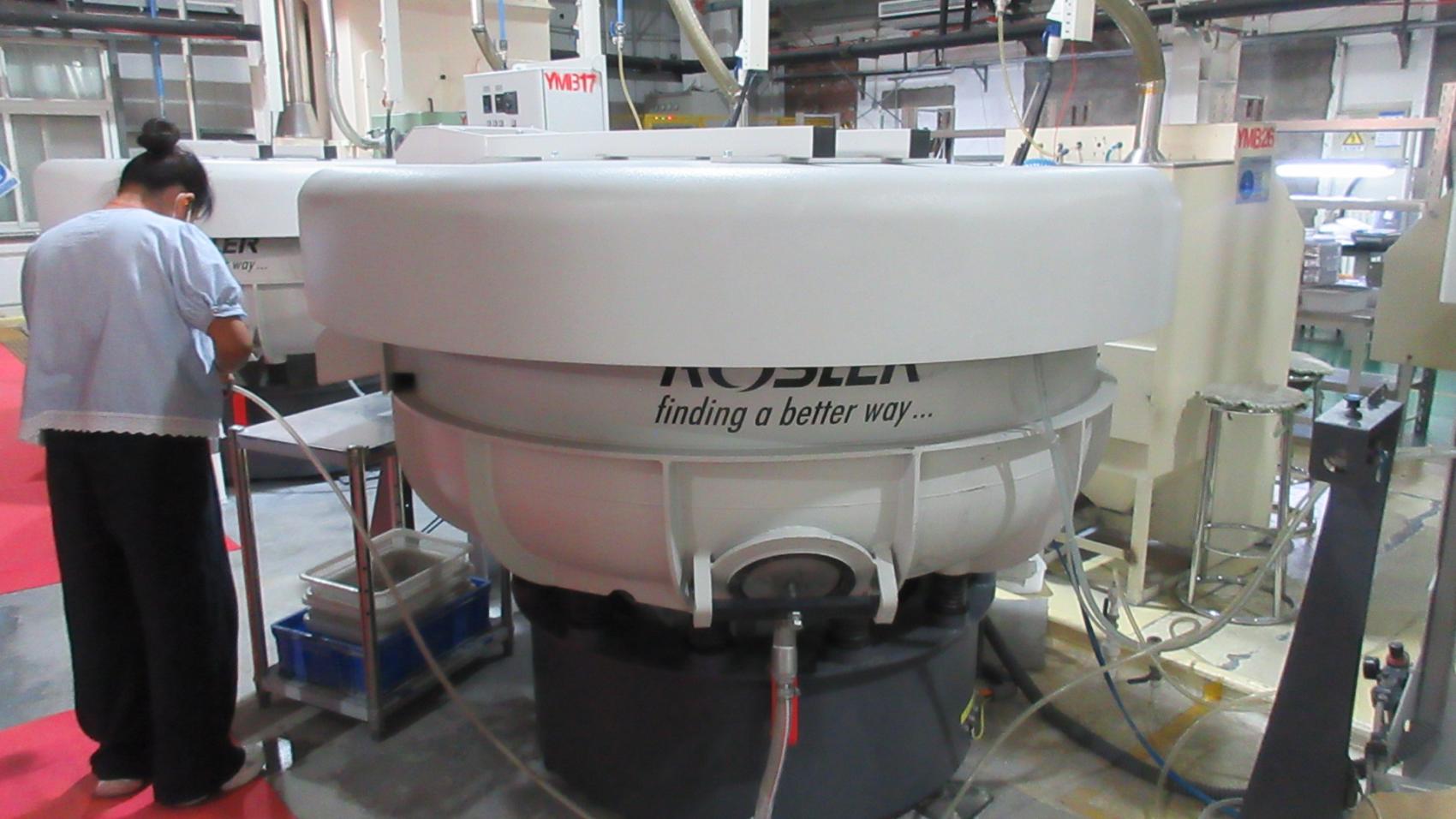
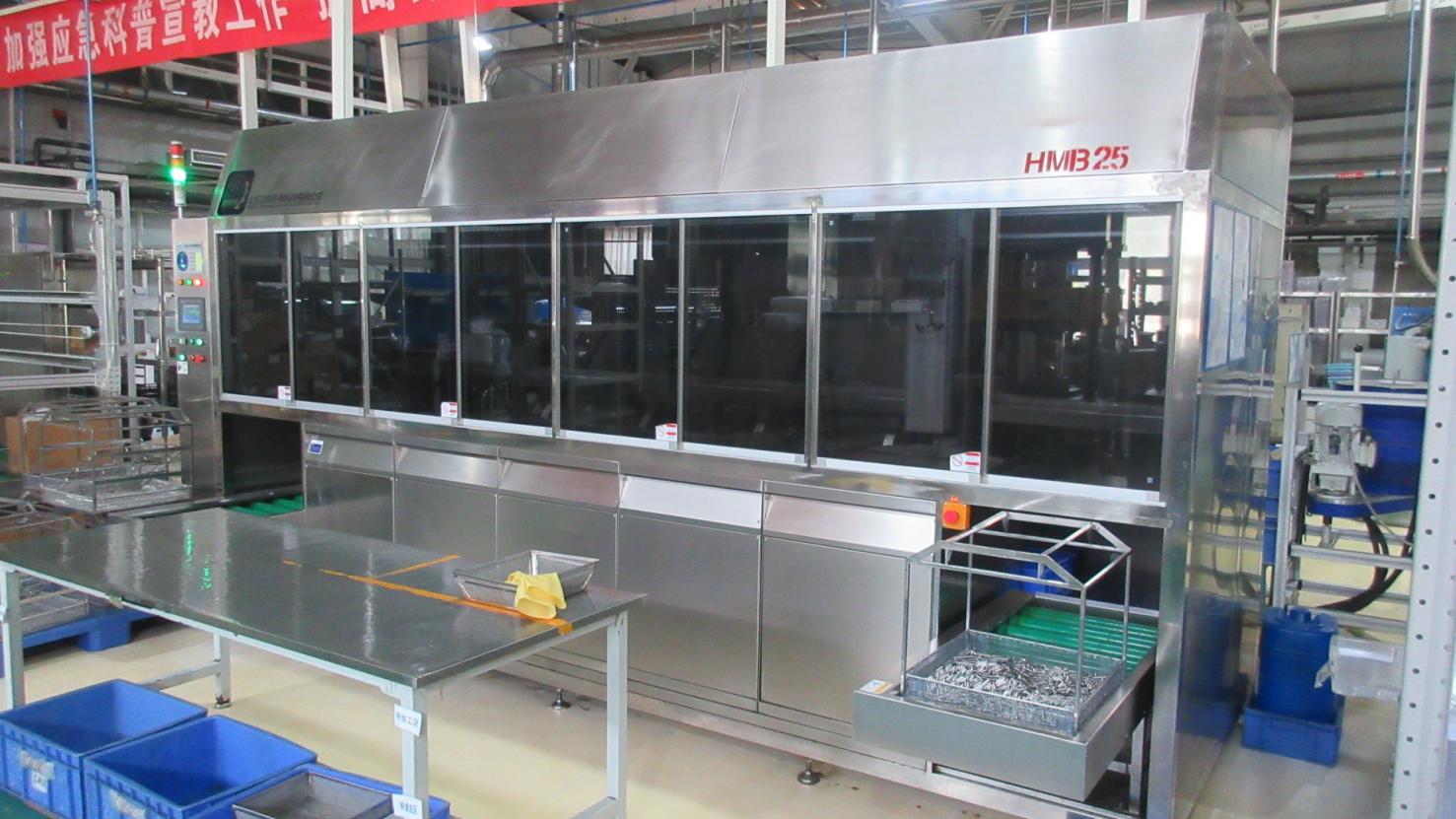
From bar slicing to post-process polishing, ultrasonic clearing, and laser engraving, every stage occurs under one roof to maintain a strict, auditable chain of custody.
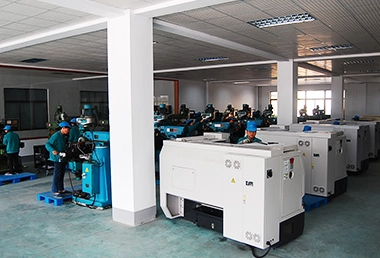
We are most reputed manufacturers/exporters of Orthopedic Implants and Instruments & Star Export House company certified by Government.
Exporting to more than 80 countries worldwide, we pride ourselves on Superior Quality and Competitive Pricing. Our robust operations strictly comply with ISO 9001:2015, EN ISO 13485:2016, CE, & WHO: GMP regulations. Reputed healthcare supply companies throughout Europe, the USA, and Latin America consistently rely on our medical-grade implants for trauma and joint surgeries.
Unlike many of our competitors, we don't compromise on quality in exchange for a cheaper price! We believe human life is invaluable. We understand your stringent clinical specifications and recognize your procurement needs. Partner with a manufacturing pioneer that values patient safety above all else.
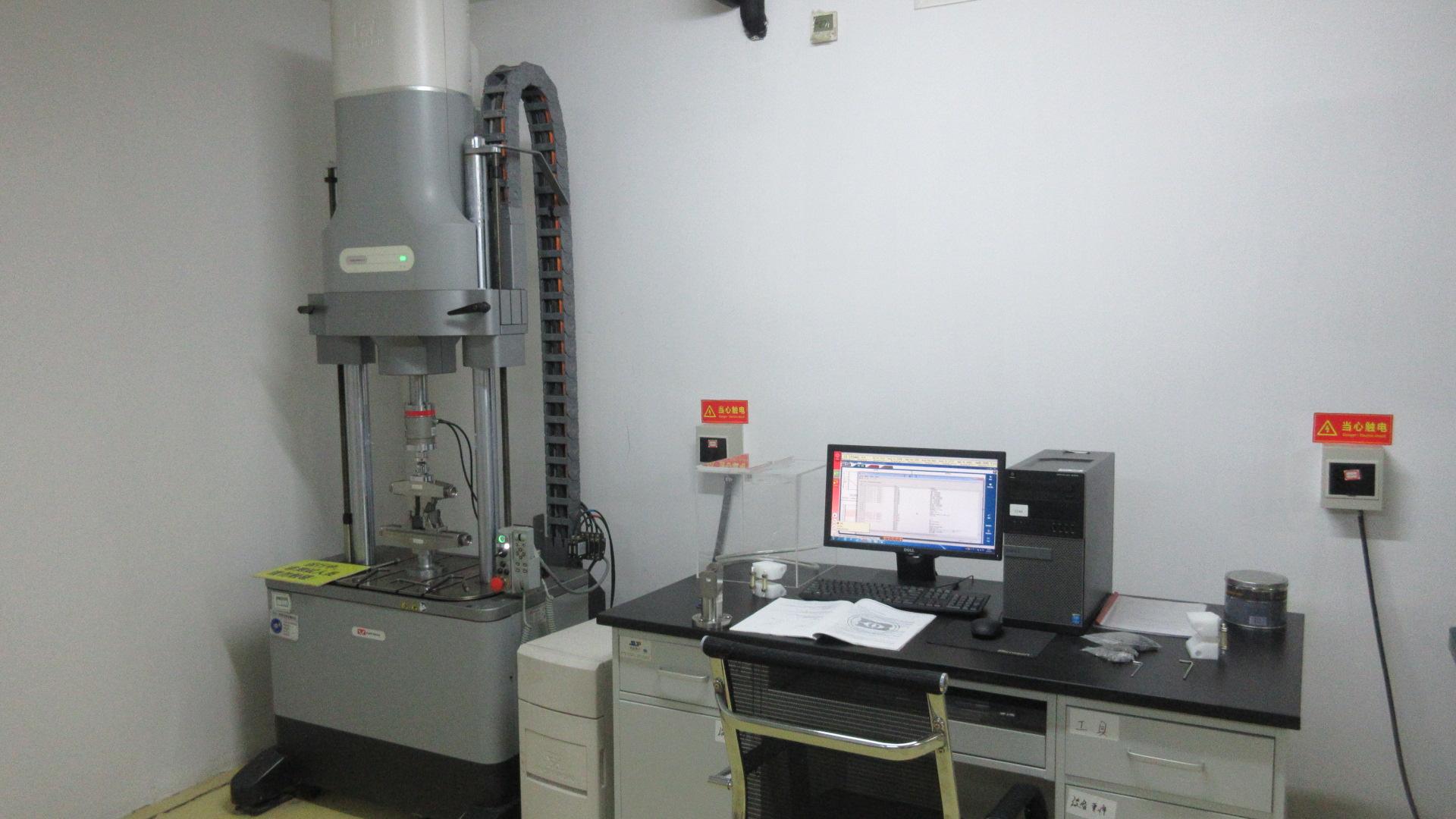
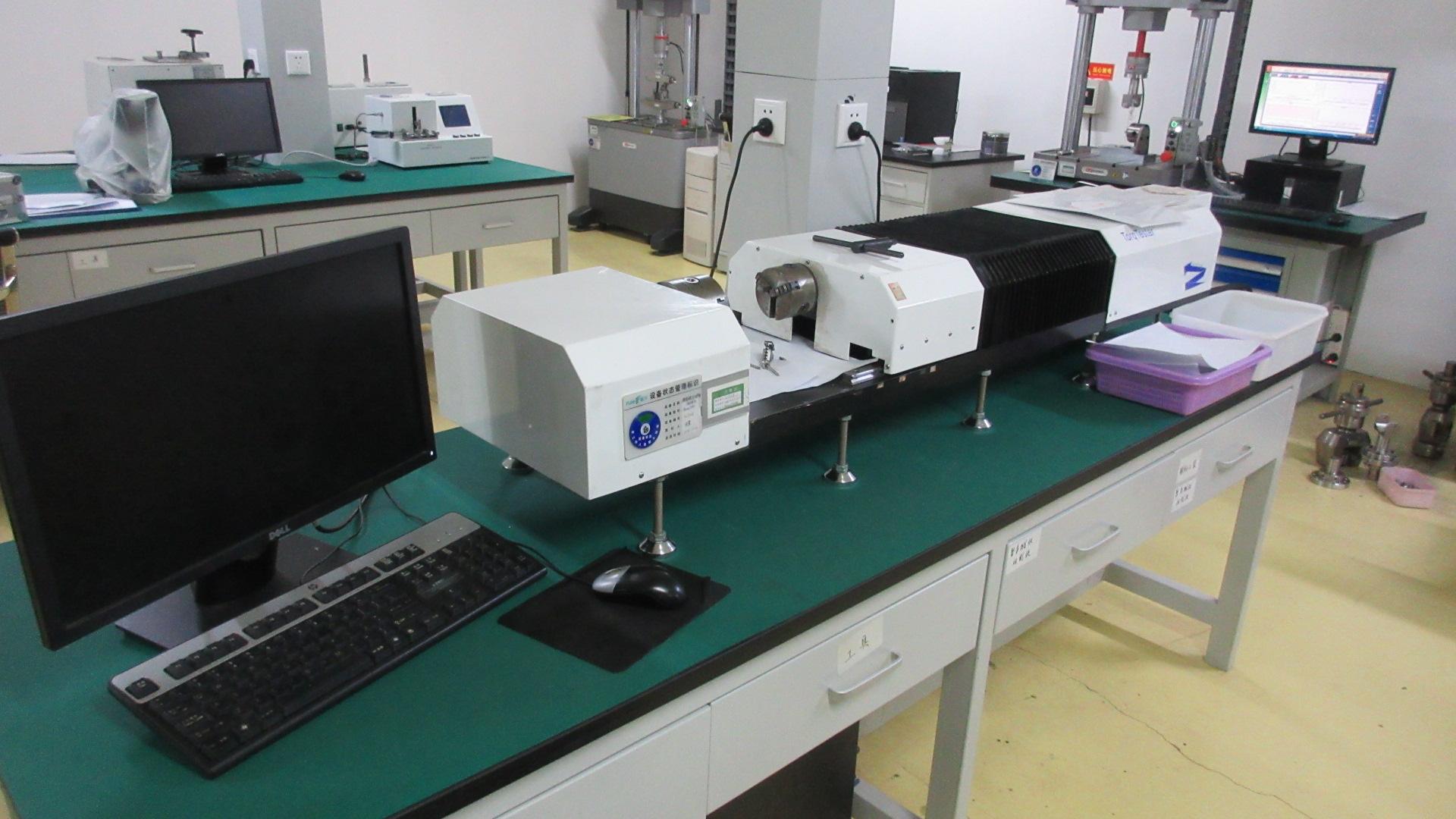
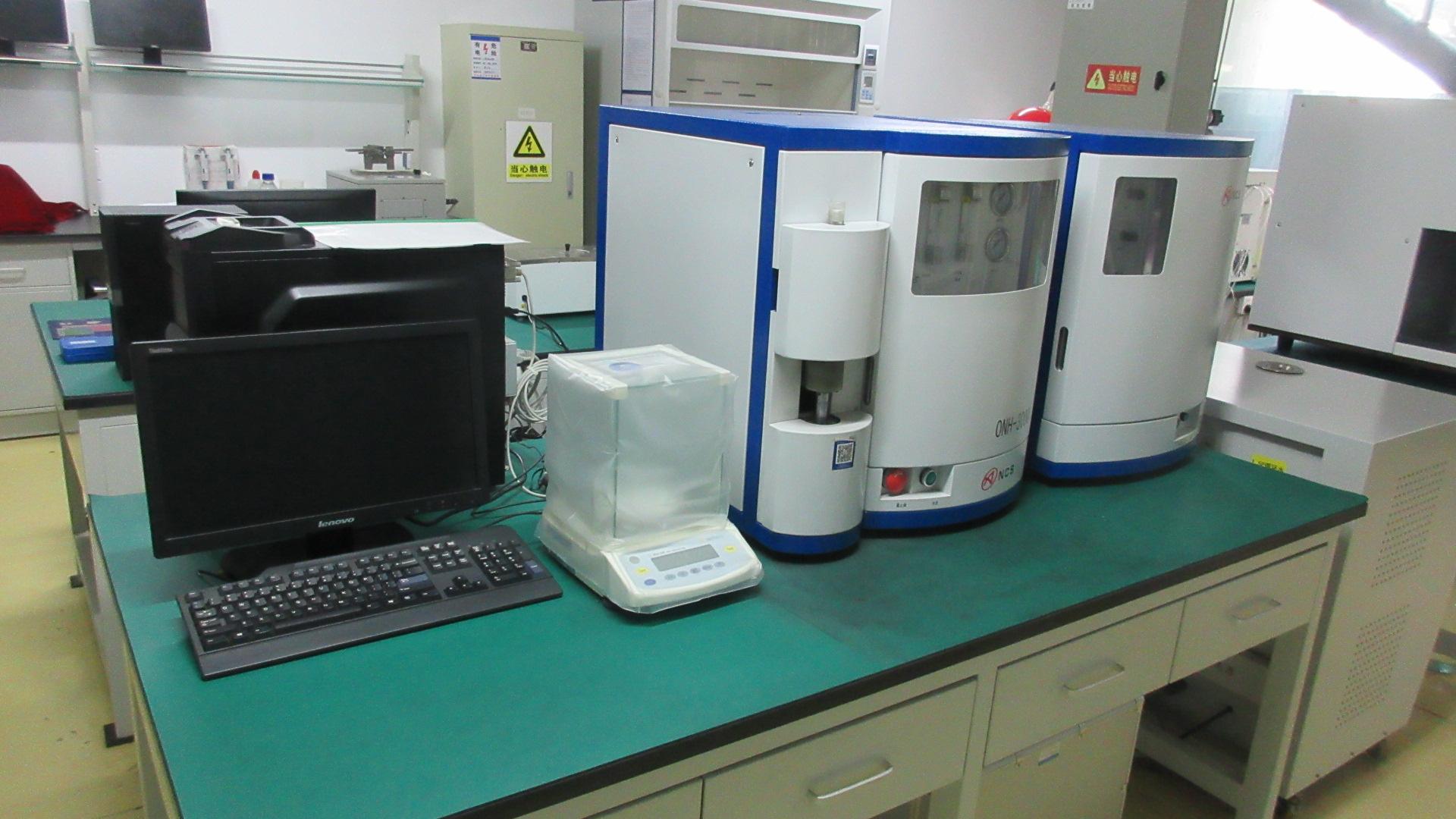
Our R&D team consists of highly qualified engineers who persistently conduct biomechanical research and gather clinician feedback to create future-ready solutions for orthopedic surgeons worldwide. Below is a detailed look at our internal production and rigorous testing workflows:
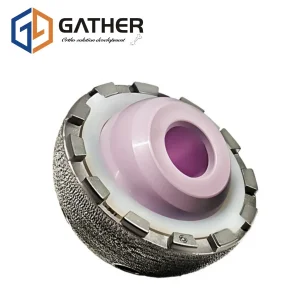
As a major manufacturing partner, we supply surgical implants for diverse clinical environments globally, catering to customized regional and regulatory configurations.
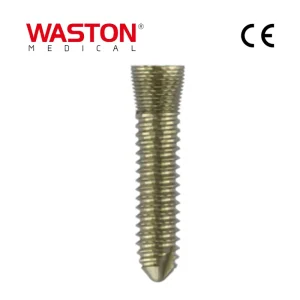
Our interference screws, peek anchors, and suspensory fixation buttons are engineered for reconstructive procedures such as PCL/ACL repairs, assuring strong graft placement and fast bone integration.
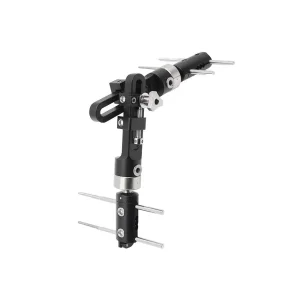
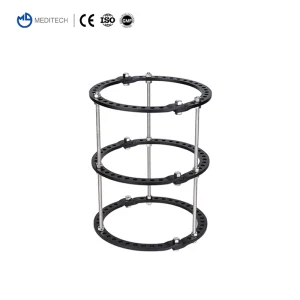
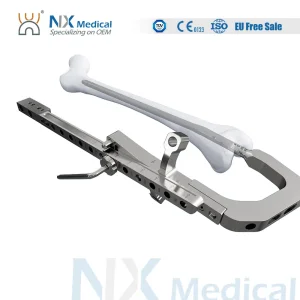
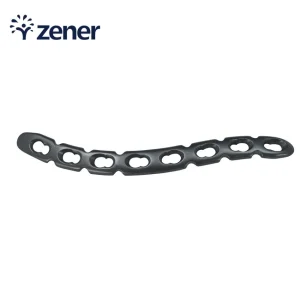
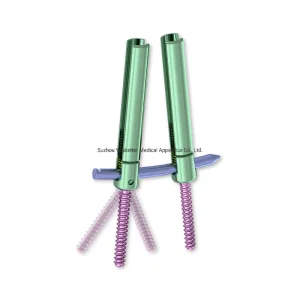
For high-impact multiligament injuries, pelvic fractures, and long-bone trauma, we produce locking systems, retrograde intramedullary nails, and external fixators that handle substantial postoperative biomechanical stress.
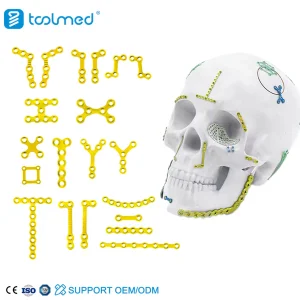
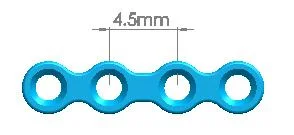
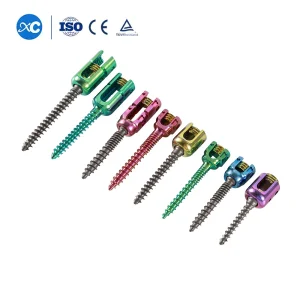
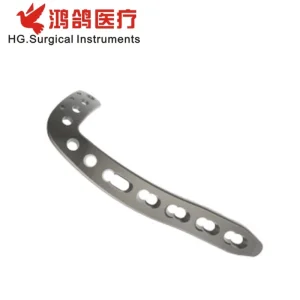
We offer tailored OEM/ODM configurations to meet local market needs. This includes producing specific plate configurations, custom thread pitches, and offering personalized branding and packaging.
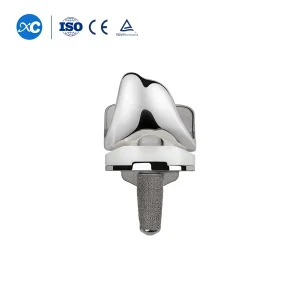
We manufacture our PCL fixation implants using medical-grade Titanium Alloys (Ti-6Al-4V ELI) conforming to ASTM F136 standards and high-performance thermoplastic PEEK (Polyetheretherketone). These materials provide optimal fatigue strength, mechanical properties, and biocompatibility, minimizing the risk of adverse tissue reactions.
Each batch of raw titanium or PEEK undergoes initial validation using our ONH Series Analyzer to ensure chemical purity. Post-production, every implant is laser-marked with a unique identifier (UDI) to provide full traceability from production through clinical sterilization and surgical implantation.
Standard OEM/ODM orders are typically manufactured, sterilized, and packaged within 30 to 45 days. Our shipping department handles logistics to over 80 countries, and we maintain standard configurations in stock to ensure rapid delivery.
Yes, our quality assurance lab features advanced Fatigue Testers and Torsion Testers. We test every implant design to confirm its performance matches or exceeds the load demands of the human joint environment.
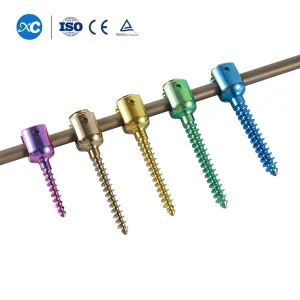
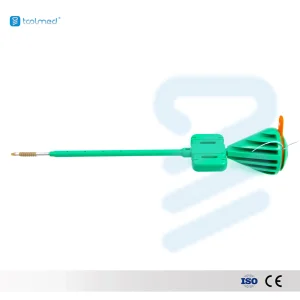
 Voila Orthopedic Implants