Explore our primary implant systems, certified for international clinical use and designed with optimal biomechanical compliance.
Spinal fusion remains the gold standard treatment for degenerative disc disease, spinal stenosis, spondylolisthesis, and deformities such as scoliosis. By eliminating motion between unstable vertebral segments, spinal fusion devices mitigate chronic pain and prevent neurological deterioration. The structural integrity of these implants dictates immediate post-operative stability and long-term osseointegration.
As a premier OEM/ODM manufacturer, we align our product developments with mechanical performance requirements outlined by surgeons globally. Designing pedicle screws and interbody fusion cages demands deep knowledge of structural load-bearing capacity, stress-shielding mitigation, and biological interface optimization. Our implants promote rapid osteogenesis while maintaining anatomical alignment under extreme physiological loads.
Spinal pathologies and patient demographics vary significantly across global markets. We customize implant profiles to match localized clinical preferences.
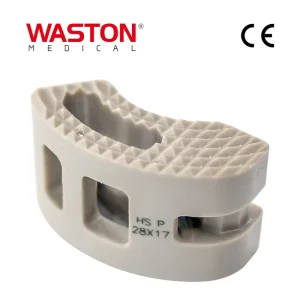
For load-bearing restorations in Western countries with higher average patient BMIs, our cages feature reinforced lateral walls, wide bone graft windows, and high-roughness surfaces to resist subsidence. Designs are customized to withstand robust mechanical loads while offering superior anatomical stability.
In East Asian clinics where bone morphogenetic profiles demand lower-profile designs, we supply zero-profile anterior cervical plates and space-optimized PEEK cages that minimize dysphagia risks and maximize cervical lordosis restoration.
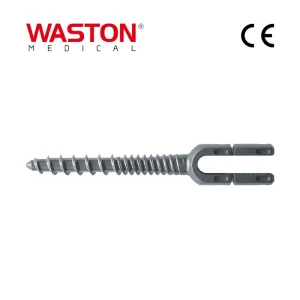
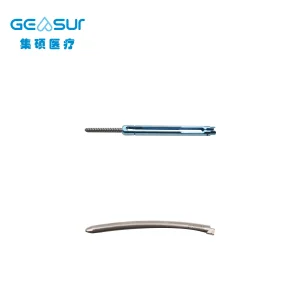
Our cannulated pedicle screws are engineered for percutaneous insertion. They are fully compatible with image-guided navigation systems, reducing soft-tissue trauma and supporting rapid post-operative recovery in modern outpatient surgery centers.
The rising geriatric population, expanding access to healthcare in emerging economies, and the trend toward complex spinal reconstructions drive the global market for spinal fusion devices.
We supply to medical device brands and distributors across more than 80 countries, delivering cost-efficient, high-precision orthopedic implants that meet or exceed stringent global standards. Leading medical brands in Europe and the USA source OEM components from us to strengthen their supply chains, reduce regulatory overhead, and maintain competitive pricing without sacrificing patient safety.
The global commercial orthopedic market requires manufacturers to react quickly to changing surgical trends. Our production system handles both high-volume runs for national tenders and custom small-batch production for specialized clinical research projects.
| Target Region | Core Requirements | OEM/ODM Adaptations |
|---|---|---|
| North America | FDA 510(k) Approval, MISS Compatibility | Cannulated Polyaxial Screws, PEEK-Optima® Cages |
| European Union | MDR Compliance, Clinical Data Richness | Porous Titanium 3D-Printed Implants |
| Asia Pacific | Competitive Cost, Anatomic Scalability | Low-Profile Cervical Systems, Custom instrument sets |
| Latin America & MEA | Robust Durability, Turnkey Solutions | Pre-assembled pedicle screw constructs, sterile packaging |
Our engineering team continuously innovates to meet the needs of next-generation spine surgeries.
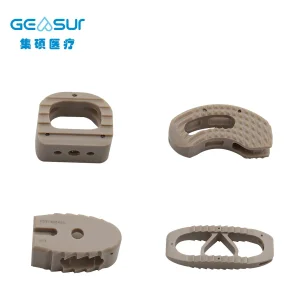
Polyetheretherketone (PEEK) is the material of choice for radiolucent spinal cages. It allows clean postoperative visualization of bone growth. We use medical-grade PEEK-Optima® to ensure biocompatibility, stable elastic modulus, and excellent chemical resistance.
We are expanding our 3D-printing capabilities to manufacture porous titanium structures. These trabecular surfaces mimic human cancellous bone, encouraging bone ingrowth directly into the implant to accelerate long-term mechanical stability.
To combine the structural strength of PEEK with the osteoconductivity of titanium, we apply Titanium Plasma Spray (TPS) and Hydroxyapatite (HA) coatings. This hybrid approach significantly improves early implant stability.
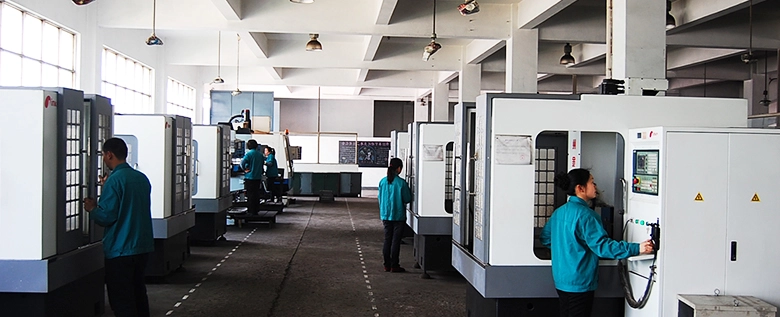
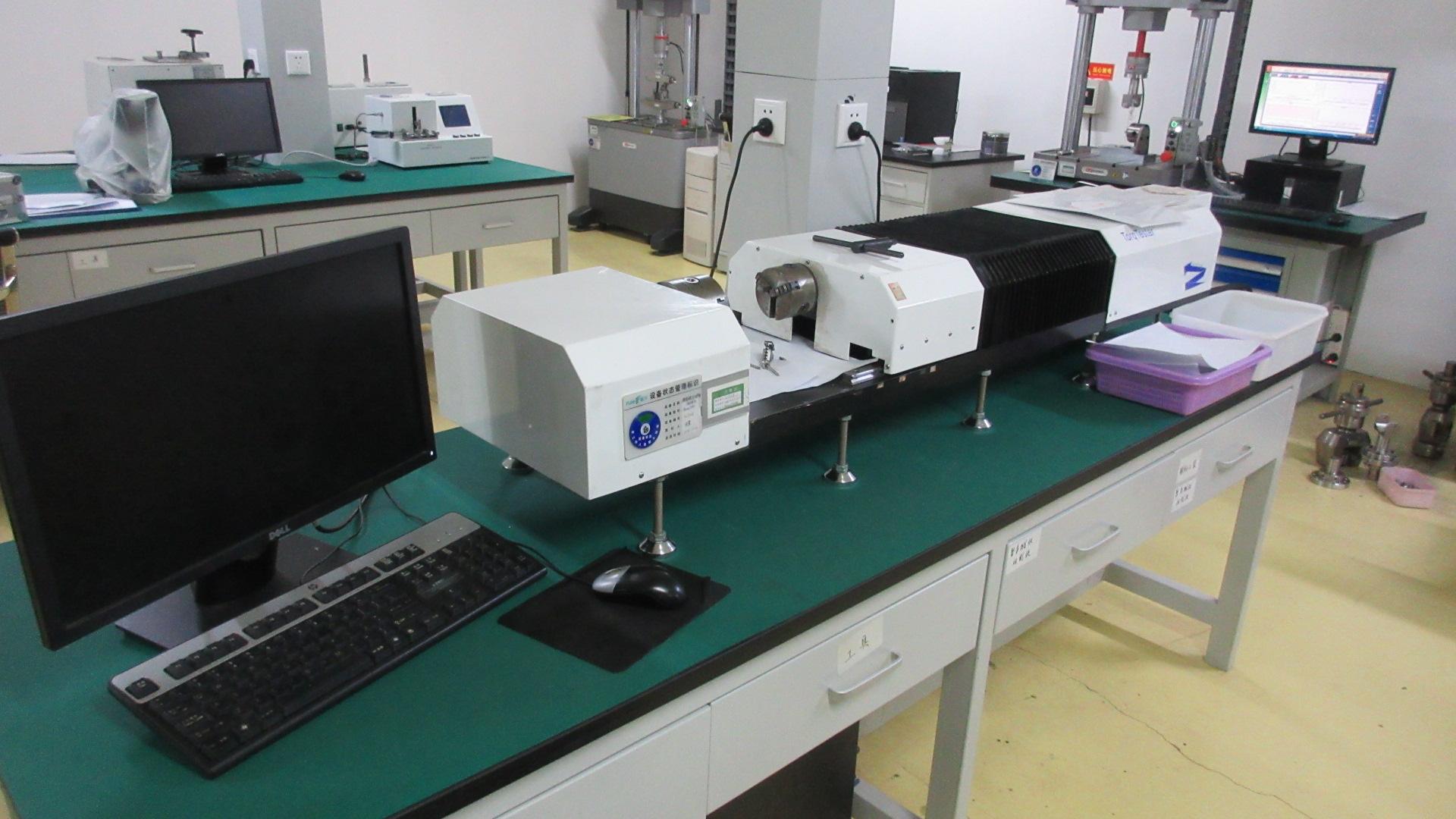
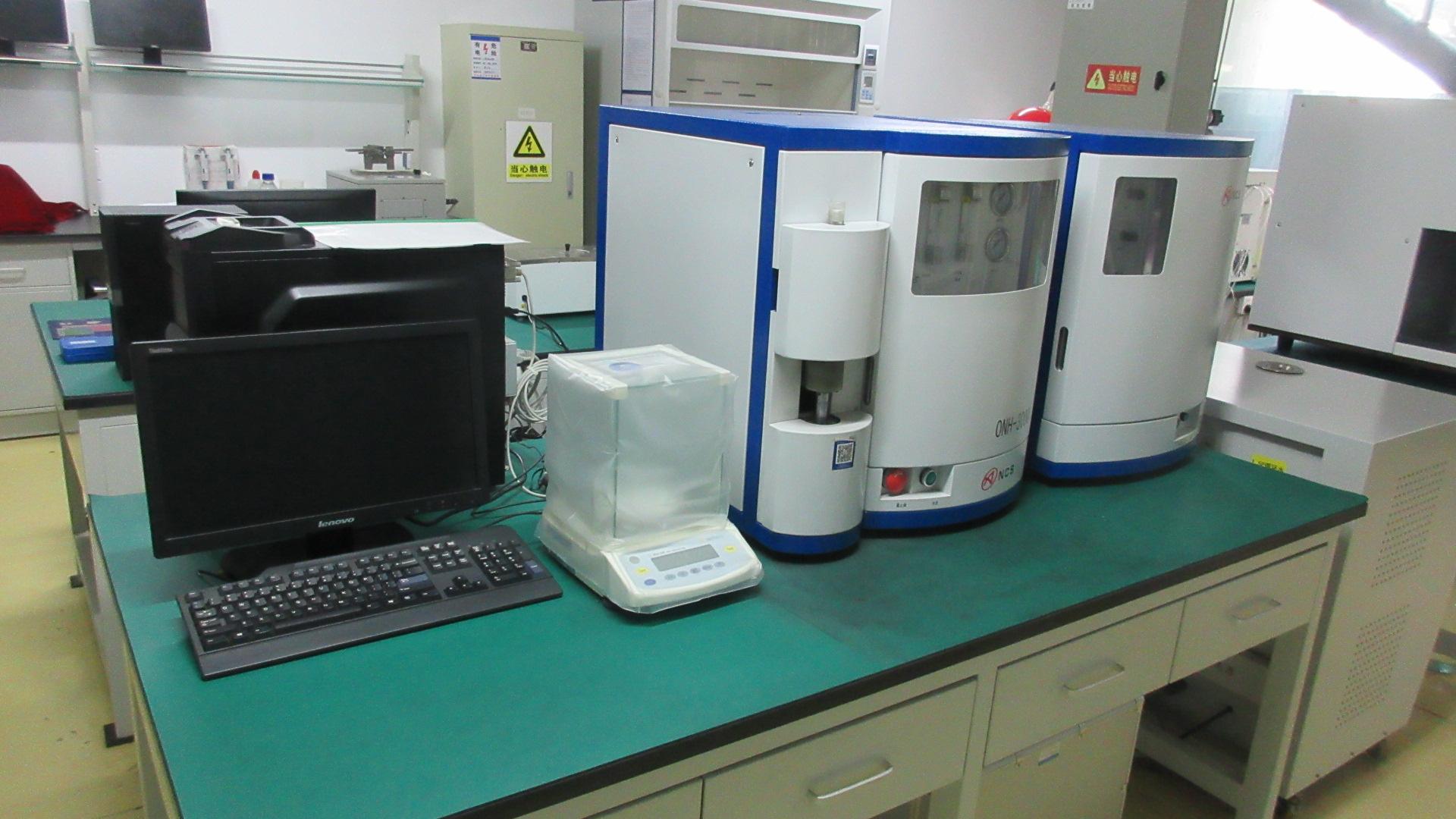
Our state-of-the-art facility integrates advanced machinery and testing laboratories to ensure every spinal device meets the highest safety tolerances.
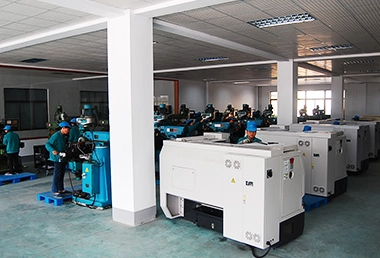
Quality control starts at the raw material stage. We source high-grade titanium alloys (Ti6Al4V ELI) and PEEK from verified global suppliers. We monitor every step of the production process—from slitting and CNC machining to cleanroom cleaning and final inspection—ensuring full traceability and consistent quality across all production batches.
Our cleanrooms are built to ISO Class 7/8 standards. Implants are cleaned, assembled, and packed in sterile barrier systems to ensure they are ready for hospital sterilization and operating room use.
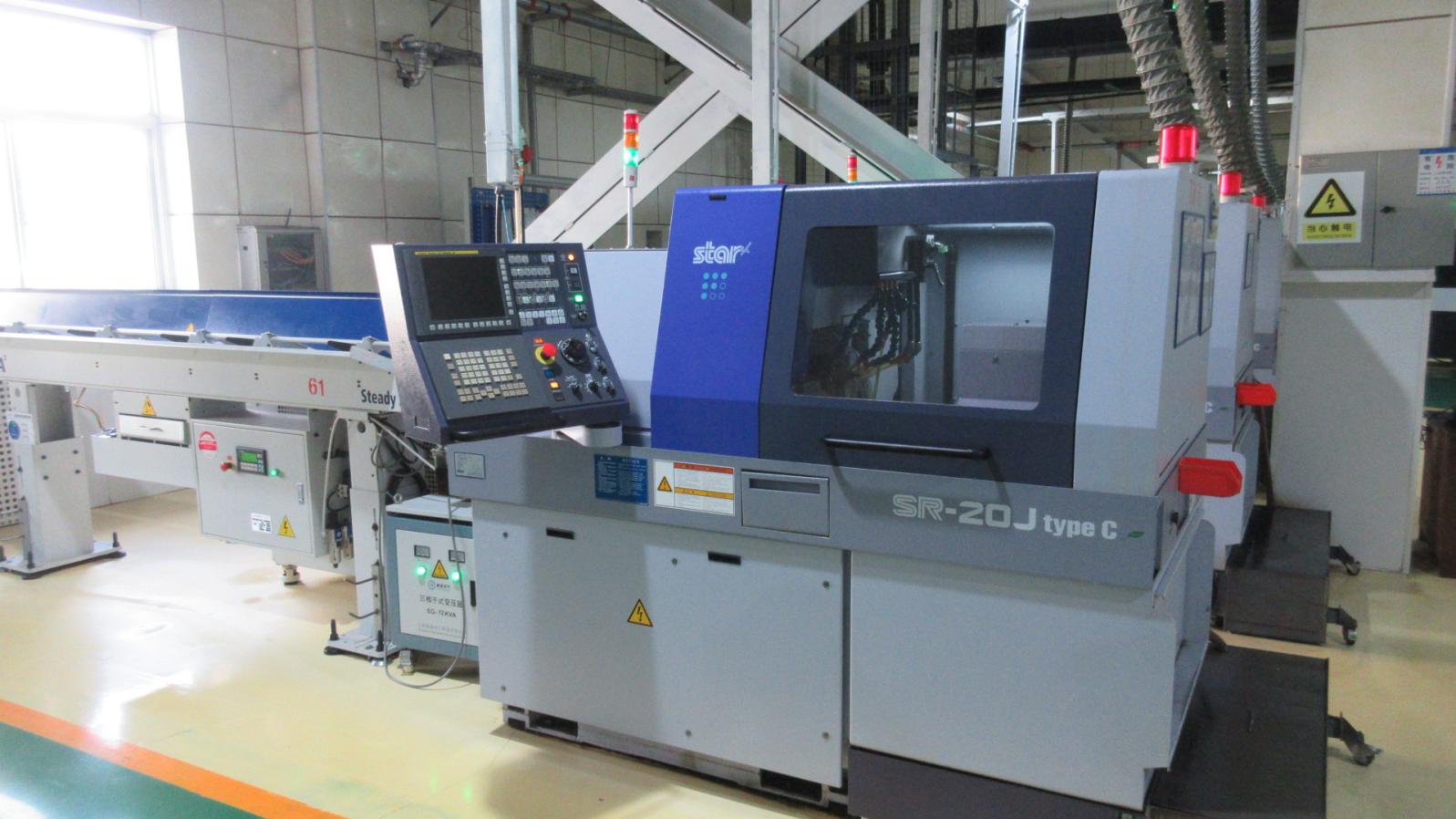
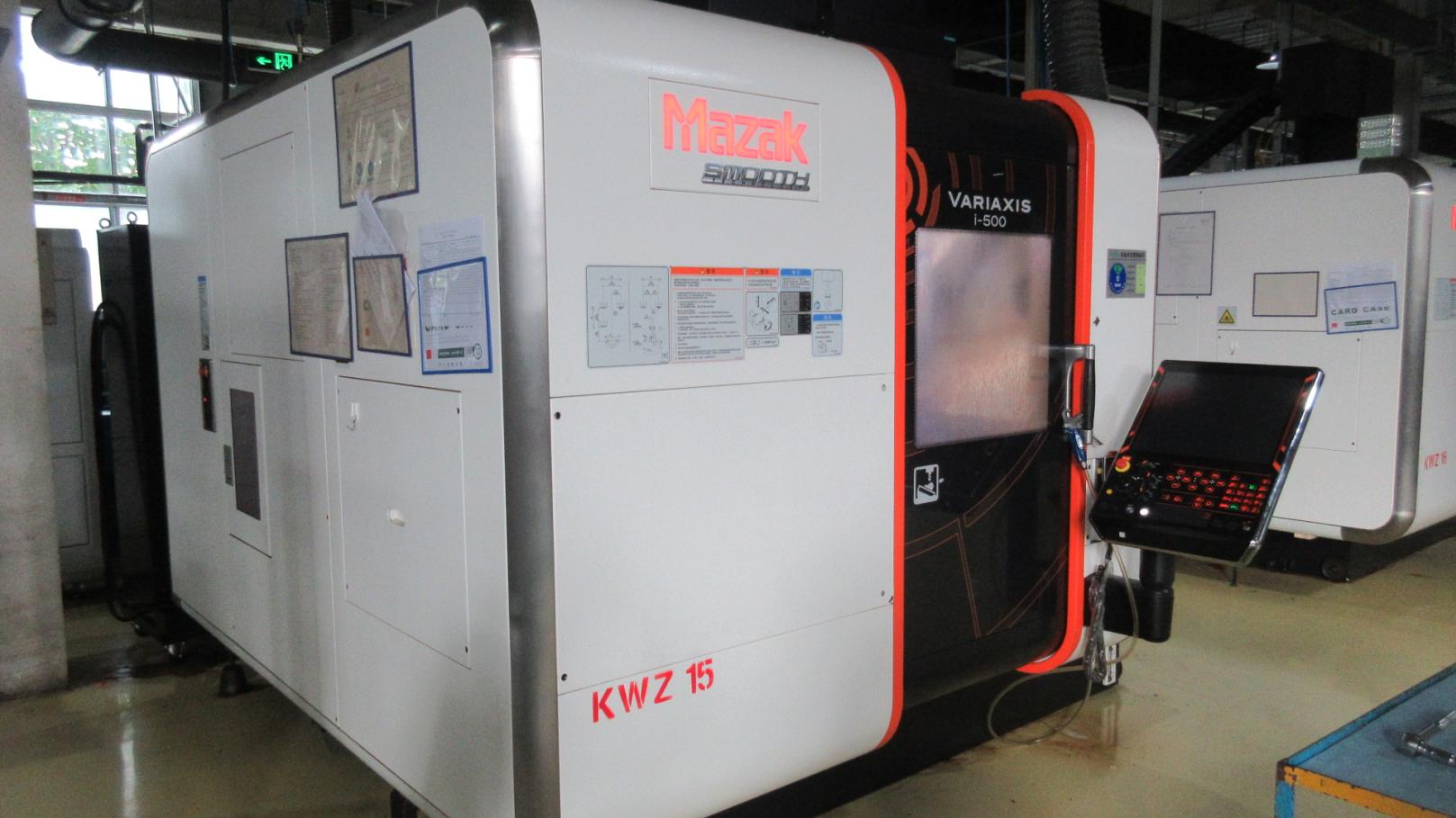
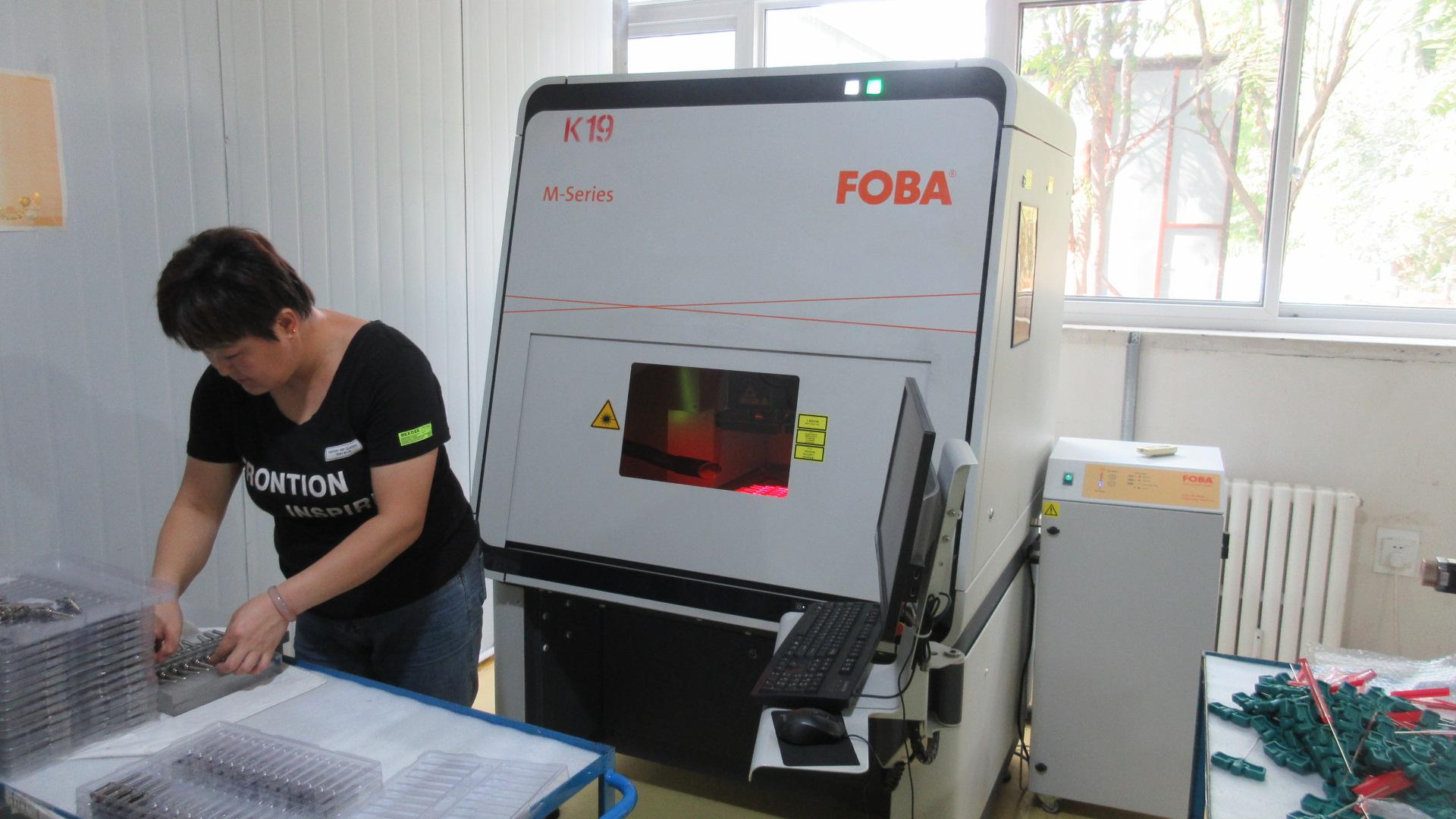
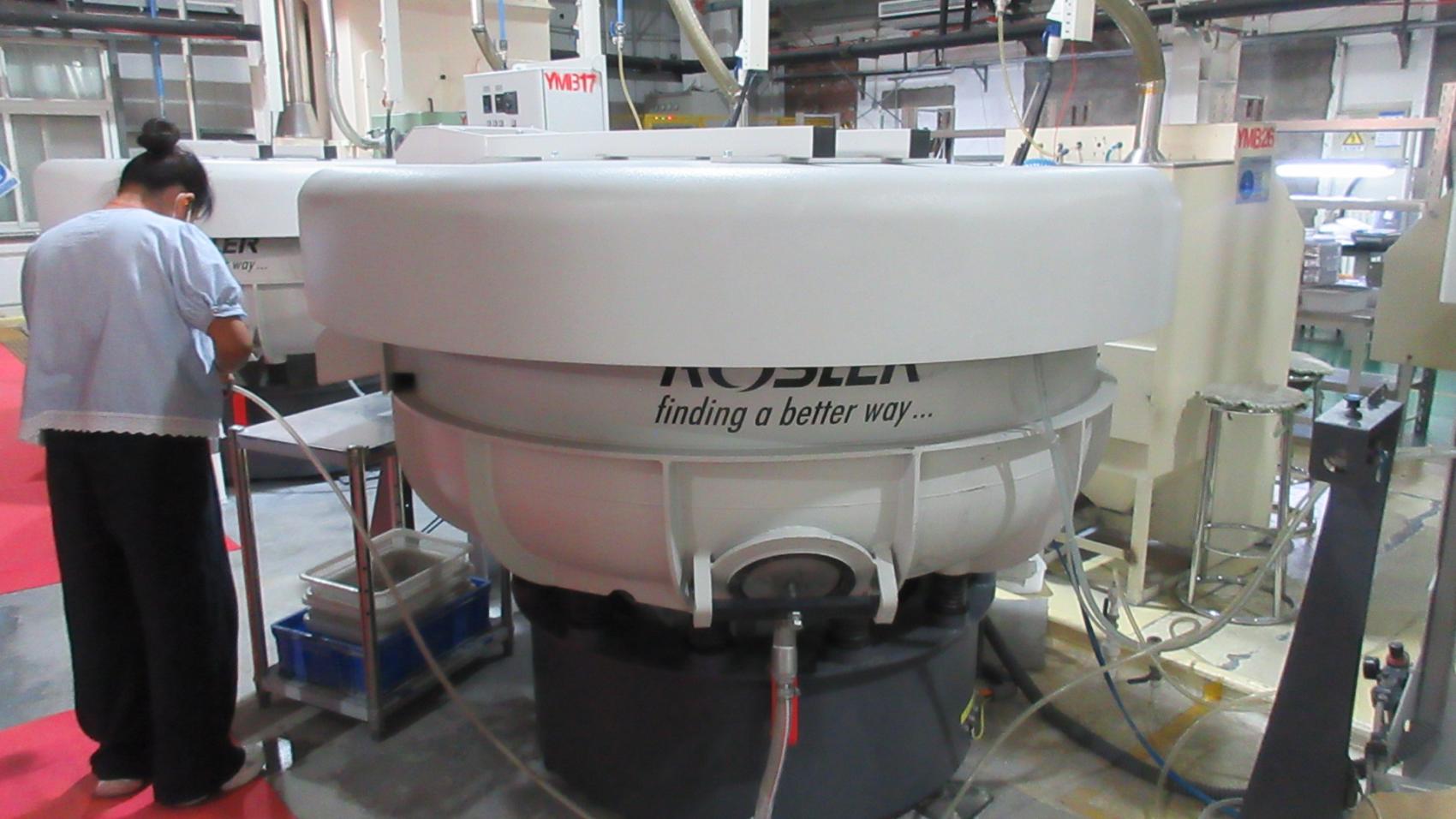
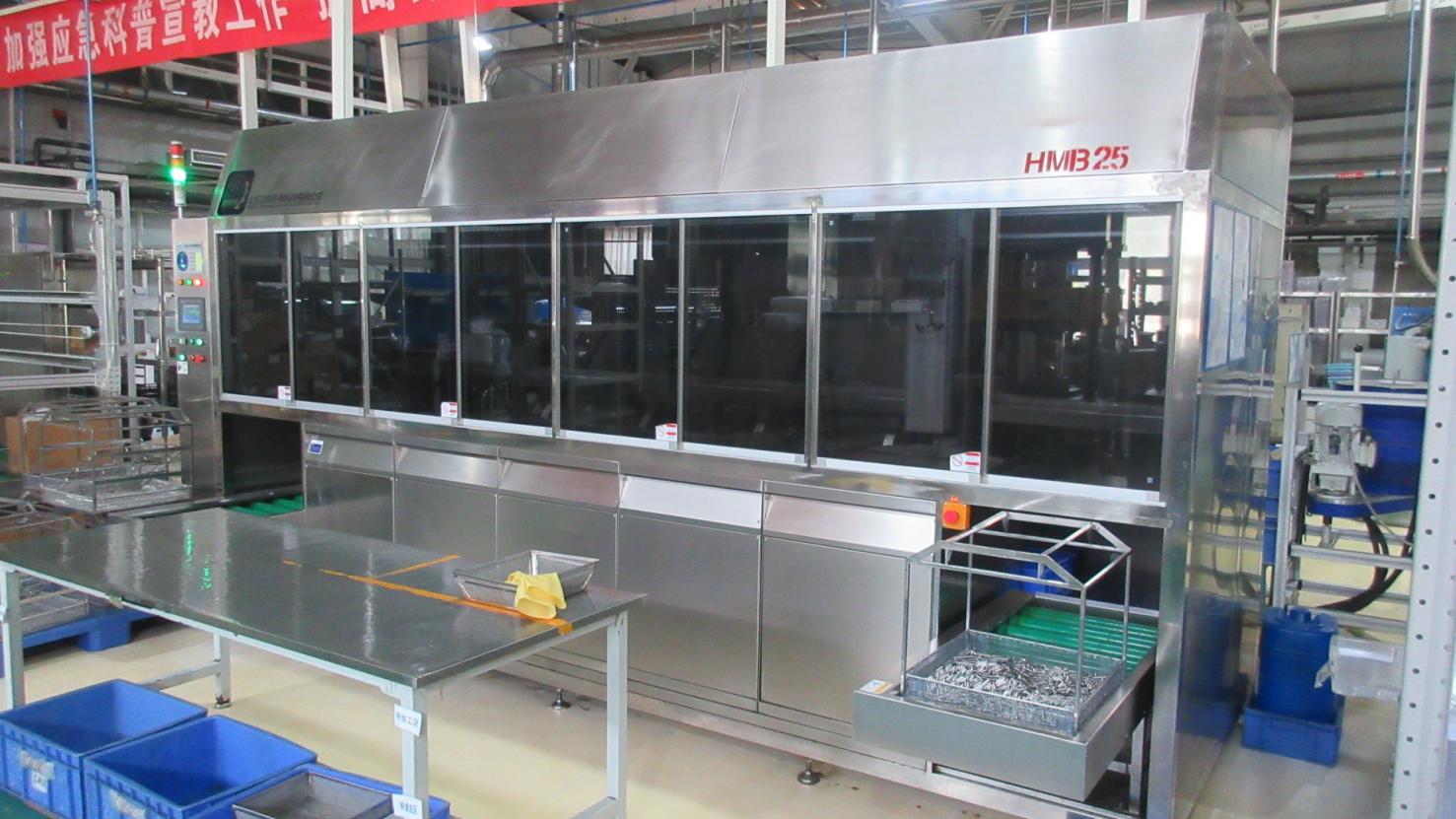
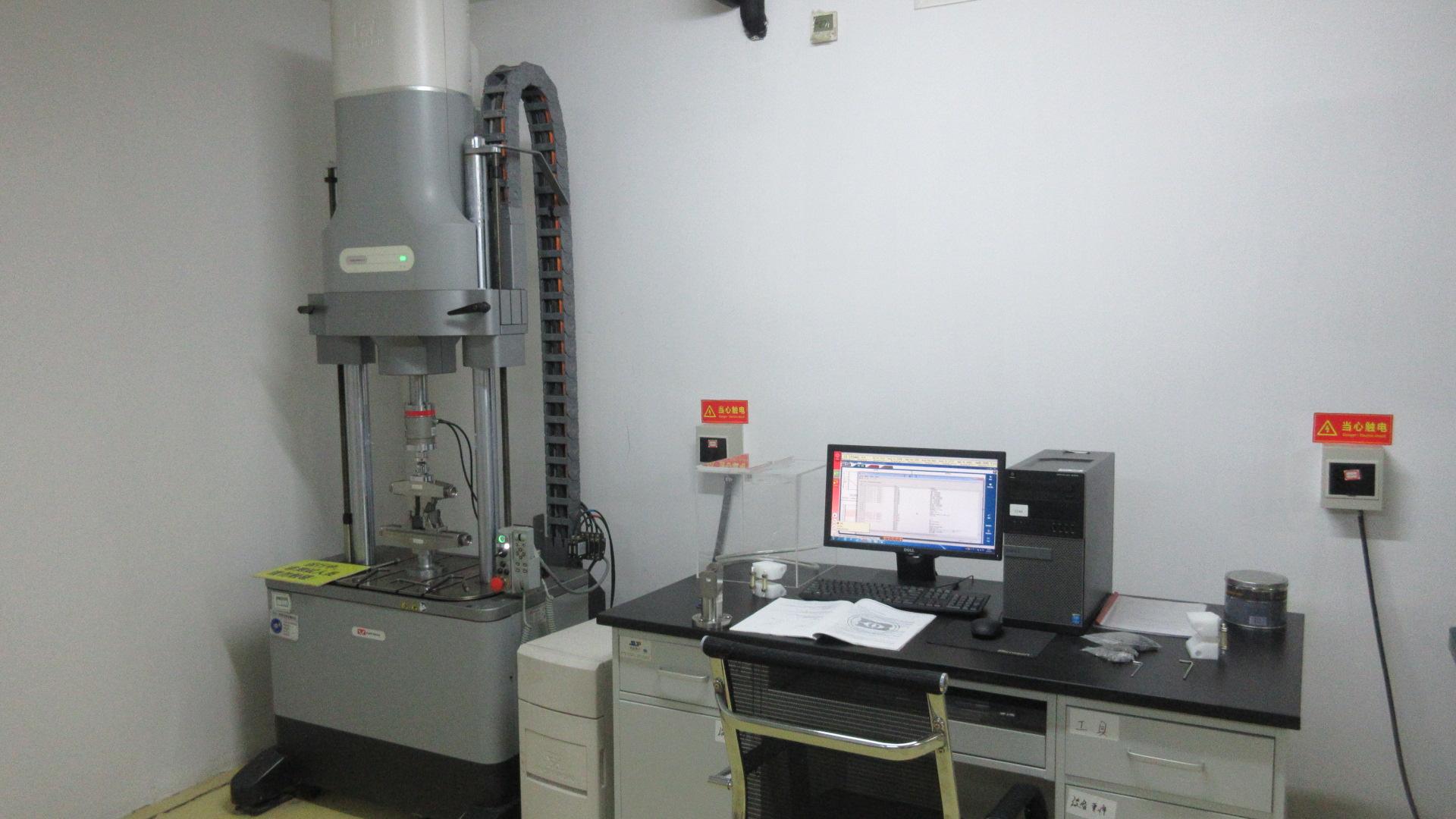
Our production hub utilizes regional supply chain networks to deliver reliable, high-volume manufacturing with rapid lead times.
Our factory is located within a major medical device cluster in China. This proximity gives us direct access to high-purity raw materials, precision heat treatment facilities, certified testing centers, and fast logistics networks. This localized supply chain reduces lead times for complex spinal implants from months to weeks.
By integrating automated manufacturing systems, Swiss-type CNC machines, and high-efficiency material slitting, we reduce labor costs while maintaining high precision. We pass these cost savings on to our global OEM partners, helping them maximize market share in competitive tender systems.
We maintain safety stock levels for medical-grade PEEK and Titanium rods to protect against raw material supply fluctuations. Our plant features dual-line production redundancies, backup power generators, and long-term partnerships with global logistics providers. This ensures your delivery schedules remain secure, even during global supply chain disruptions.
Our quality management system is audited and certified by leading international notified bodies, ensuring smooth global distribution.
Navigating complex medical device regulations can delay product launches. We provide comprehensive documentation support, including mechanical test reports (ASTM F1717 / ASTM F2077), biocompatibility files, cleanroom environmental monitoring reports, and packaging validation data. This technical documentation helps streamline the regulatory approval process for our partners.
Get answers to common technical, manufacturing, and regulatory questions about our OEM/ODM spinal fusion services.
We use medical-grade PEEK-Optima® (from Invibio) and high-purity Titanium Alloys (Ti6Al4V ELI conforming to ASTM F136). We also manufacture hybrid designs featuring Titanium Plasma Spray (TPS) and Hydroxyapatite (HA) coatings to enhance osseointegration.
Yes. Our in-house testing lab features fatigue testers, torsion testers, and ONH analyzers. All mechanical tests for our spinal fusion systems are conducted in accordance with ASTM F1717 (standard test methods for spinal implant constructs in a vertebrectomy model) and ASTM F2077 (test methods for interbody fusion devices).
Yes. Our R&D team works closely with surgeons and orthopedic brands. We offer end-to-end ODM services, including CAD design, finite element analysis (FEA), prototyping, cleanroom tooling, mechanical validation, and pilot production runs.
Standard production runs for existing implant profiles range from 4 to 6 weeks. For custom designs or new instrument configurations, the typical timeline is 8 to 12 weeks, which includes prototype validation and regulatory documentation packaging.
Every raw material batch undergoes chemical analysis using our ONH analyzer before production. Material certificates are recorded and linked to the batch tracking numbers, ensuring full traceability from the initial material melt to the finished sterile implant.
Our production capabilities extend across trauma, joint reconstruction, sports medicine, and spinal stabilization systems.
 Voila Orthopedic Implants