Pioneering precision medical implants, surgical instrumentation, and allied high-performance components engineered to the strictest international standards.
The global orthopedics and neurosurgery landscape is experiencing an unprecedented structural transformation. Driven by an aging population, rising clinical preferences for Minimally Invasive Spine Surgery (MISS), and demanding regulatory benchmarks, the sourcing of spinal implants has evolved from a transaction-based model into a high-stakes strategic partnership. For medical device distributors, OEM buyers, and clinical purchasing groups, selecting a manufacturing partner is no longer just about per-unit costs—it is about mitigating regulatory risks, securing clinical efficacy, and ensuring supply chain resilience.
Contemporary spine surgery demands implants that harmonize biomechanical stability with native bone biology. The market has shifted significantly from traditional mass-produced, rigid stabilization systems toward dynamic, load-sharing constructs and bio-active materials. Titanium Alloys (specifically Ti-6Al-4V ELI) and PEEK (Polyetheretherketone) remain the primary choices for structural integrity. Titanium provides outstanding tensile strength, corrosion resistance, and osseointegration, while PEEK mimics the elasticity of human cortical bone, reducing stress shielding and artifacts under MRI and CT scans.
Additionally, 3D printing and surface modification technologies (such as plasma-sprayed titanium on PEEK and acid-etched micro-topographies) are redefining implant design. In posterior cervical and lumbar surgeries, pedicle screw fixation systems must integrate seamlessly with spinal rods, hooks, and cages. These advancements require manufacturing facilities to feature advanced high-speed milling, wire EDM cutting, and specialized surface treatment protocols to achieve the micron-level tolerances demanded by spine surgeons worldwide.
Global medical device purchasing groups operate in a highly regulated, zero-tolerance environment. When sourcing spinal fixation systems, cervical fusion cages, and surgical instrumentation, buyers prioritize the following key parameters:
Unlike standard industrial hardware, medical implants interface directly with human physiology. We operate under the foundational belief that human life is invaluable. We do not compromise on raw material purity or machine validation protocols to achieve cheaper price points. Our engineering decisions are guided by clinical outcomes, surgeon feedback, and patient safety.
China's medical manufacturing sector has transitioned from manual, high-volume production to smart, highly automated ecosystems. "China Factory 4.0" combines advanced CNC technology with strict quality control systems. While Western medical device firms face soaring labor and energy costs, our specialized manufacturing base offers distinct operational advantages:
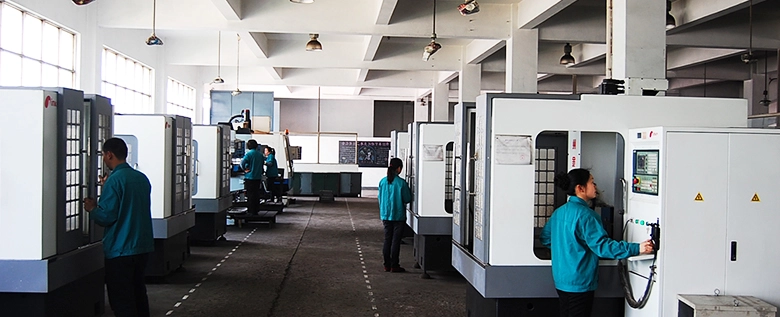
Rigorous mechanical testing & quality validation
Take a look inside our ISO-compliant manufacturing center, featuring advanced machining and testing technologies that ensure absolute precision for every component.
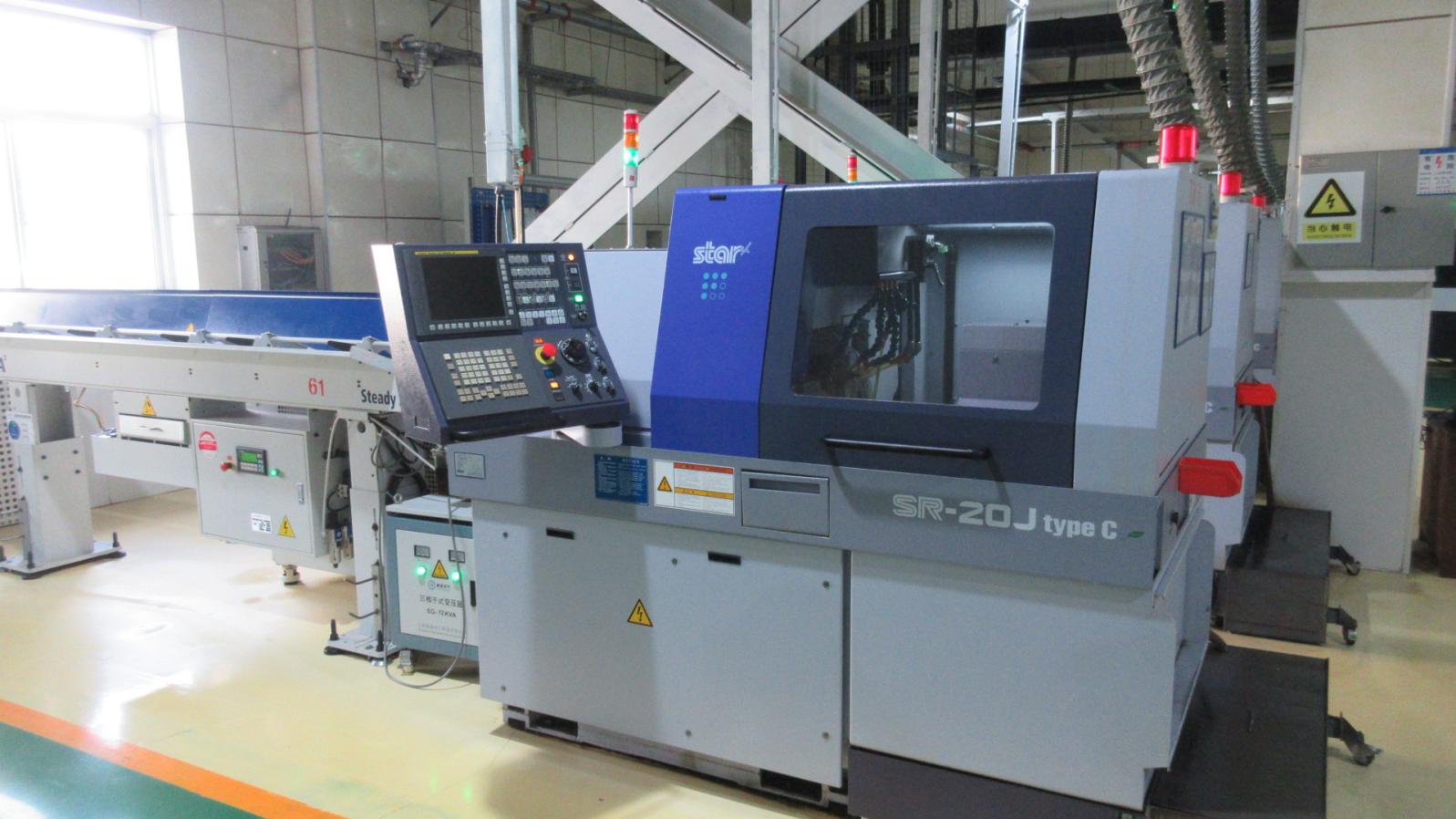
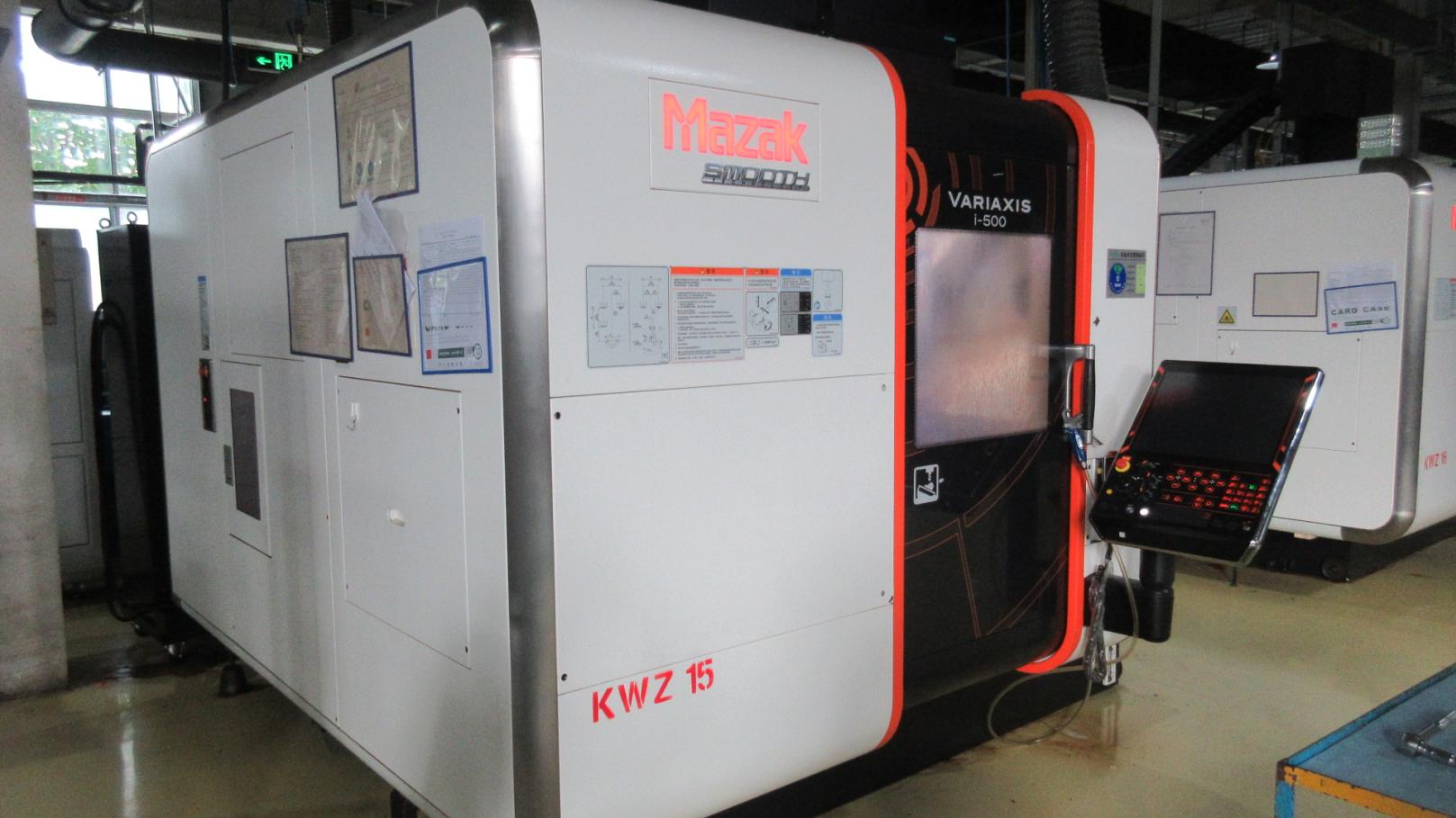
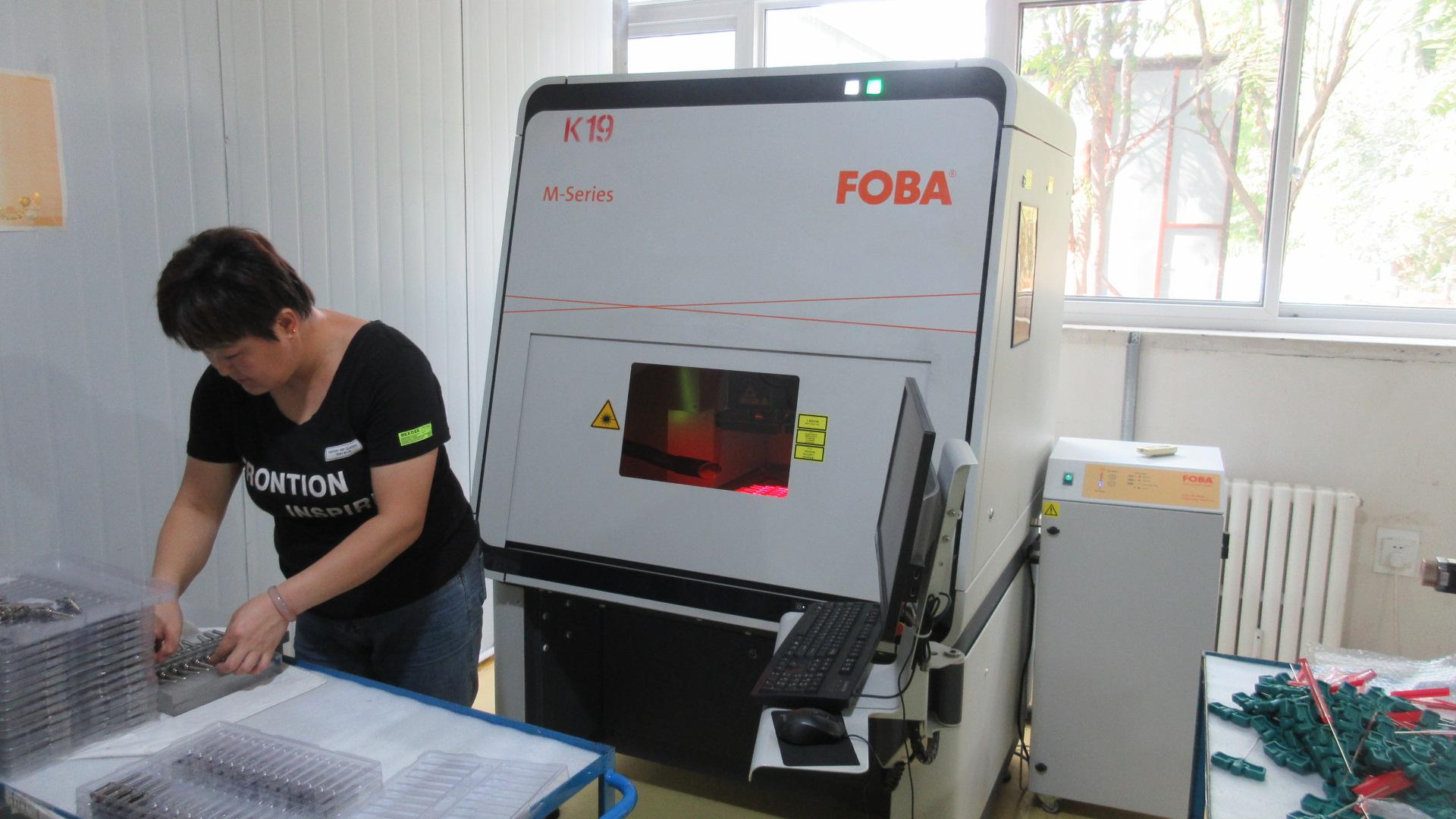
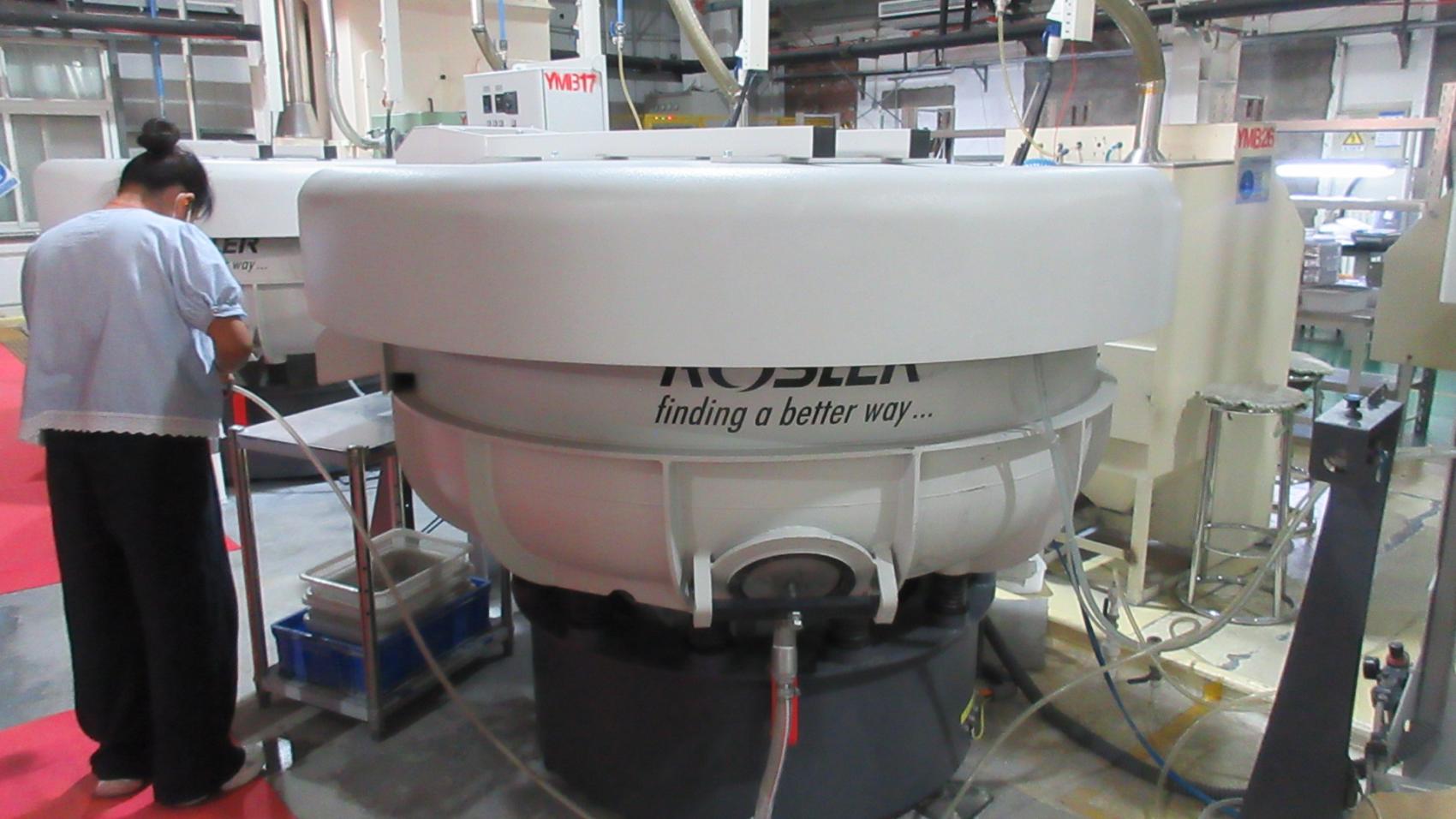
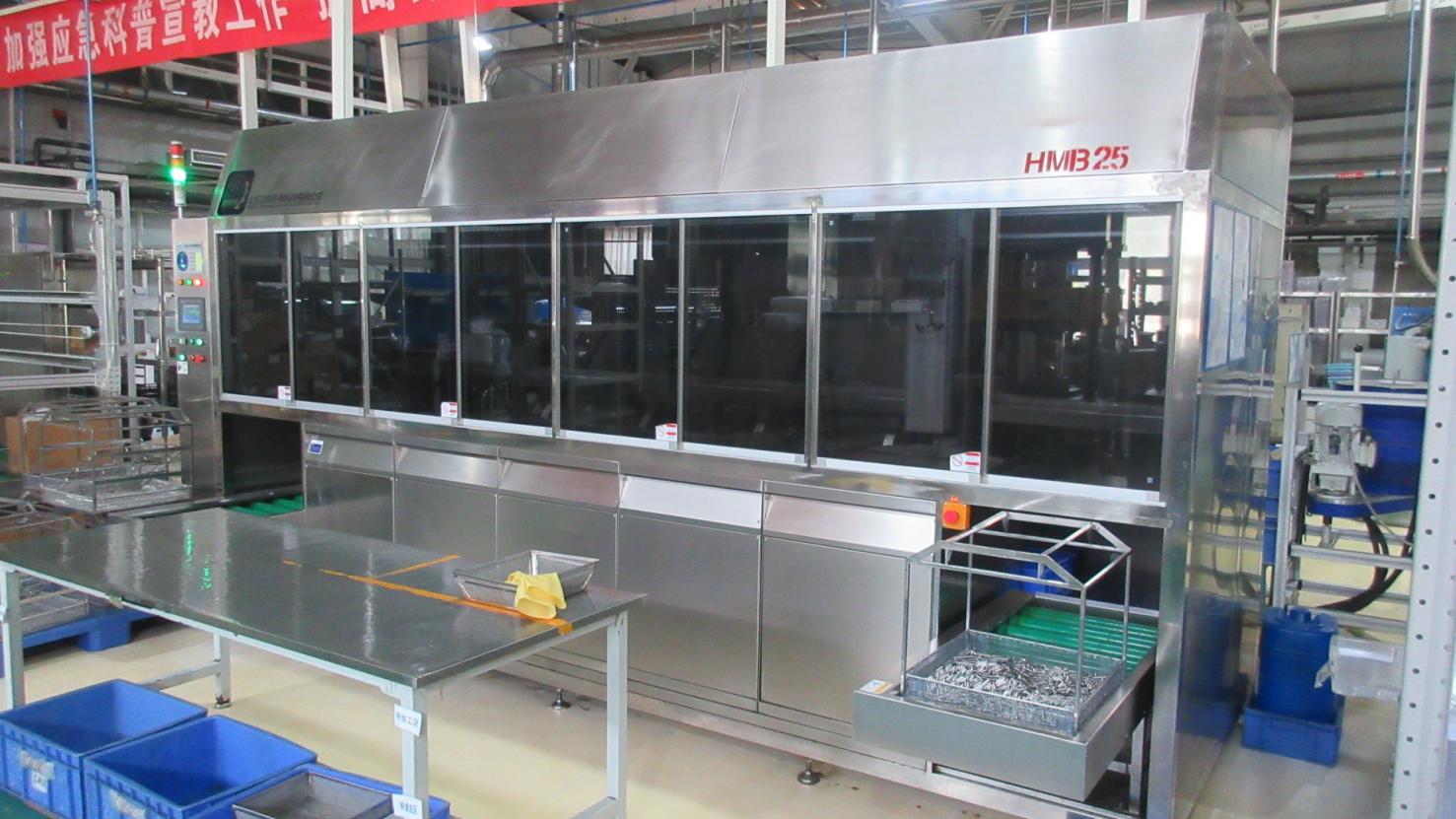
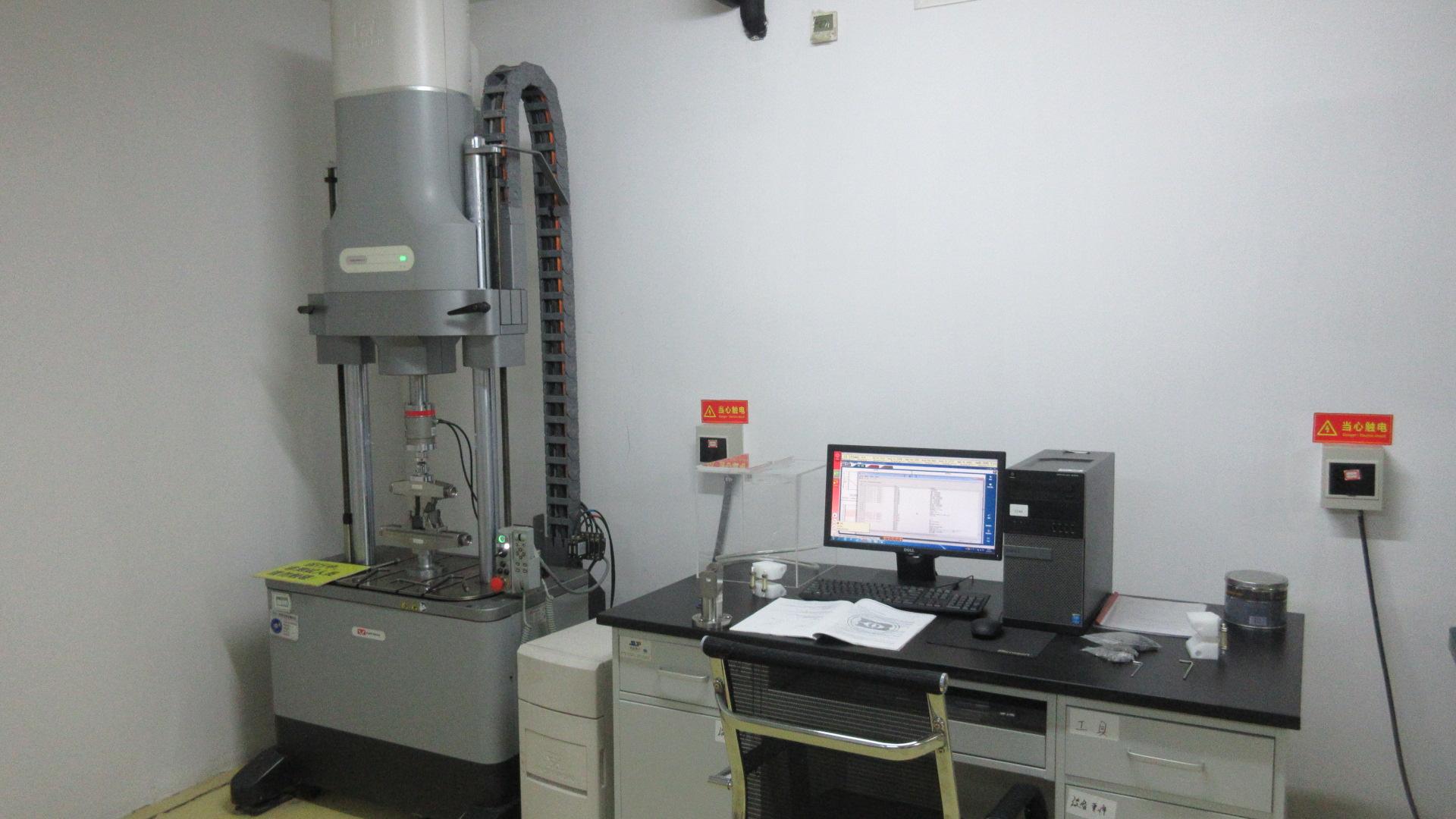
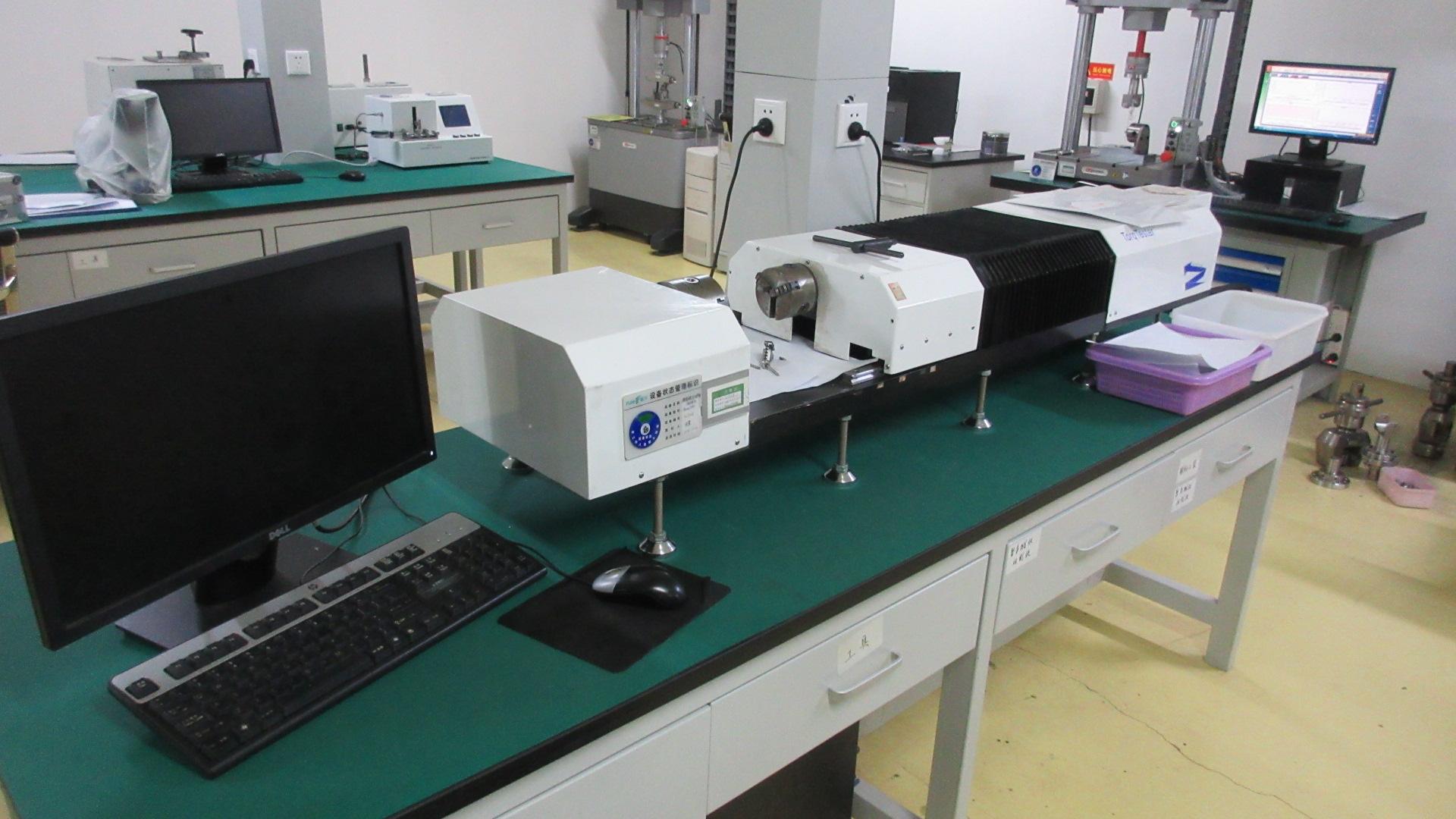
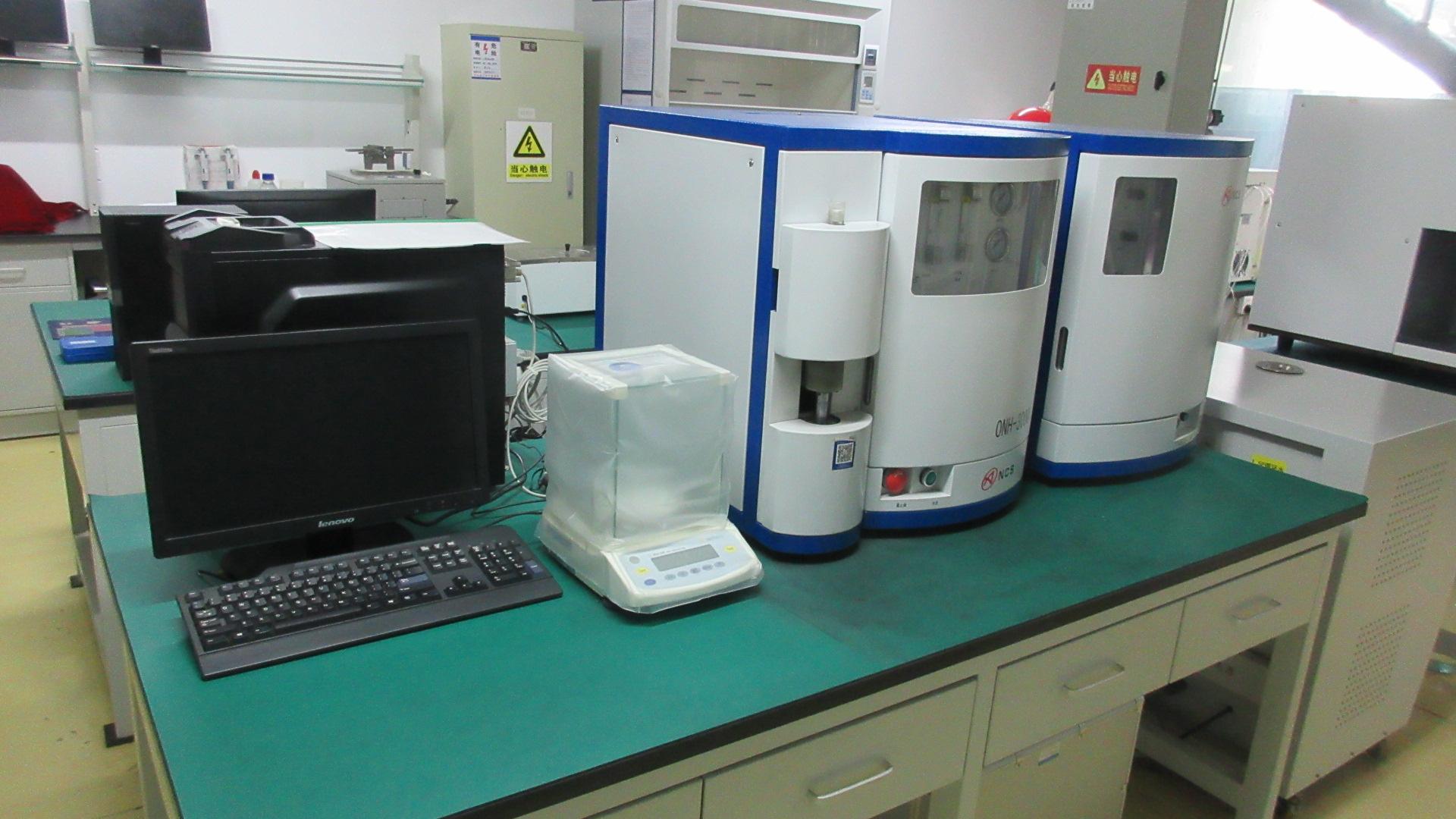
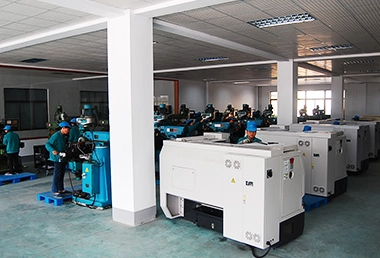
How our engineering decisions translate directly into clinical performance, operating room safety, and long-term implant survival rates.
For anterior or posterior lumbar interbody fusion (ALIF/PLIF), our PEEK and titanium cages offer optimal elasticity and mechanical support. They restore disc height, prevent graft extrusion, and encourage natural bone fusion.
Our pediatric and adult scoliosis correction systems use low-profile lamina hooks, polyaxial pedicle screws, and cobalt-chrome rods. These systems provide the high corrective torque needed to safely realign the spine.
When dealing with unstable vertebral fractures, our posterior fixation systems deliver rigid stabilization. This protection shields injured neural structures and supports rapid patient mobilization.
Our quality control starts at the raw material stage. We source titanium, medical polymers, and cobalt-chromium alloys exclusively from verified global suppliers. Each material shipment undergoes spectroscopic confirmation and mechanical testing before entering production. Our R&D team works closely with orthopedic surgeons worldwide to capture user feedback, translating clinical insights into precise engineering enhancements that meet real-world operating room demands.
Clear, authoritative answers to critical compliance, metallurgy, OEM capacity, and logistics questions.
Our comprehensive range of bone fixators, fusion systems, power tools, and precision industrial components.
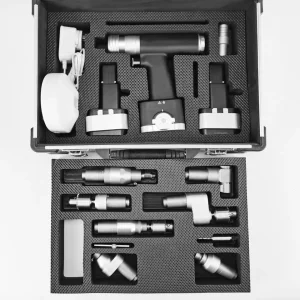
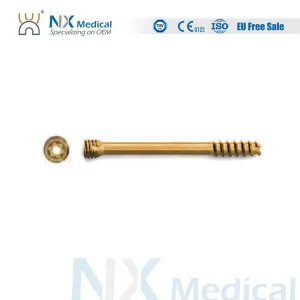
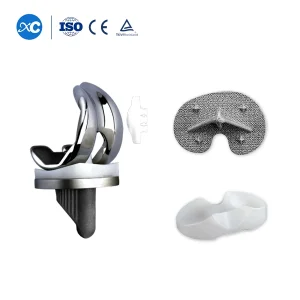
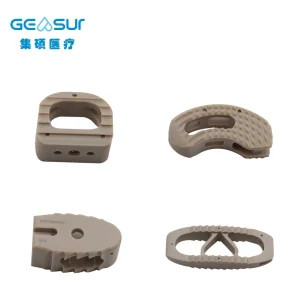
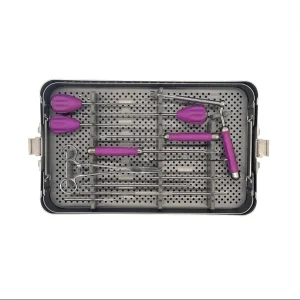
 Voila Orthopedic Implants