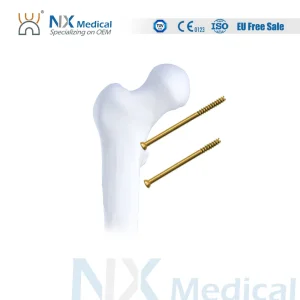
Explore our leading catalog of surgical implants, instrumentation kits, and advanced deposition systems manufactured to comply with stringent global regulatory frameworks.
How Modern Digital Integration and Localized China Manufacturing are Reshaping Surgical Accuracy and Implant Ergonomics.
In modern operating environments, the integration of Surgical Navigation Systems (SNS) and high-performance orthopedic implants is no longer optional—it is the foundation of precision medicine. Historically, surgeons relied heavily on tactile feedback and static preoperative scans. Today, real-time spatial digitizers, coupled with advanced optical sensor arrays and electromagnetic tracking, guide clinicians down to sub-millimeter tolerances.
As a leading Chinese manufacturer and government-certified Star Export House, we represent the nexus of advanced manufacturing and digital healthcare. We operate under a highly regulated, international-standard quality management system compliant with ISO 9001:2015, EN ISO 13485:2016, CE, and WHO: GMP. Exporting to over 80 countries worldwide, our footprint reaches top-tier clinical settings across Europe, North America, and emerging markets, offering a robust portfolio of trauma, spine, joint reconstruction, and micro-invasive instruments without compromising cost-efficiency.
A direct, scientific comparison of the core modalities powering modern surgical navigation consoles.
Surgical navigation systems rely on tracking systems that continuously feed spatial coordinates back to a central registration workstation. Understanding the trade-offs of these systems is crucial for global medical distributors and hospital procurement boards:
| Technical Parameters | Optical Tracking Systems (OTS) | Electromagnetic Tracking Systems (EMTS) |
|---|---|---|
| Operating Principle | Uses dual/triple infrared camera arrays to track passive retroreflective spheres or active LEDs. | Uses low-frequency magnetic field generators and sub-millimeter sensor coils embedded in instruments. |
| Accuracy | Highly precise (typically 0.1 mm to 0.3 mm spatial resolution). | Highly precise but susceptible to distortion (typically 0.5 mm to 1.0 mm). |
| Line-of-Sight Requirements | Absolute requirement. Obstruction of camera path breaks spatial tracking instantly. | No line-of-sight required. Tracker can be completely concealed inside the patient's anatomy. |
| Interference Vulnerability | Minimal. Highly immune to metal or electrical interference in the OR. | High vulnerability to ferromagnetic materials (e.g., surgical steel, heavy retraction systems). |
| Clinical Applications | Orthopedic Joint Arthroplasty, Spine Fusion, Neurosurgery Cranial Mapping. | ENT Procedures, Bronchoscopy, Catheter-based Cardiovascular Interventions. |
Our R&D pipeline focuses on resolving these standard limitations through Sensor Fusion Protocols. By combining optical cameras with high-frequency IMUs (Inertial Measurement Units) and smart electromagnetic coils, our hybrid tracking prototype ensures zero latency and continuous tracking, even during transient line-of-sight blockages.
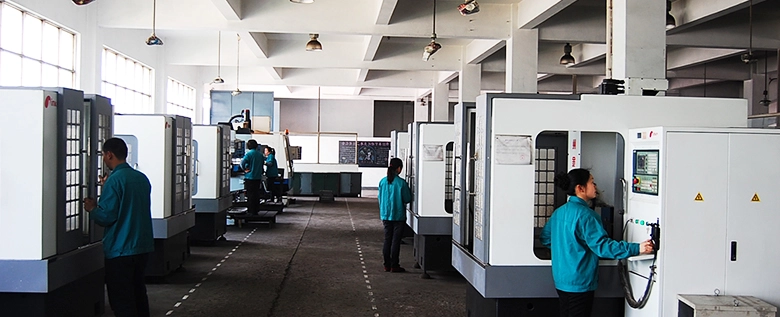
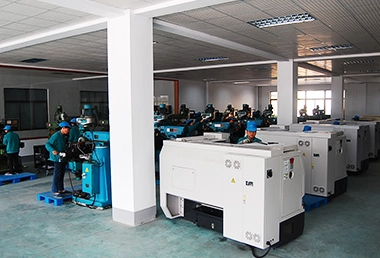
Inside our advanced production lines where automated precision meets uncompromising mechanical testing.
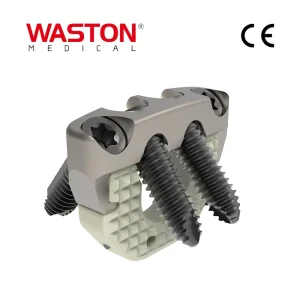
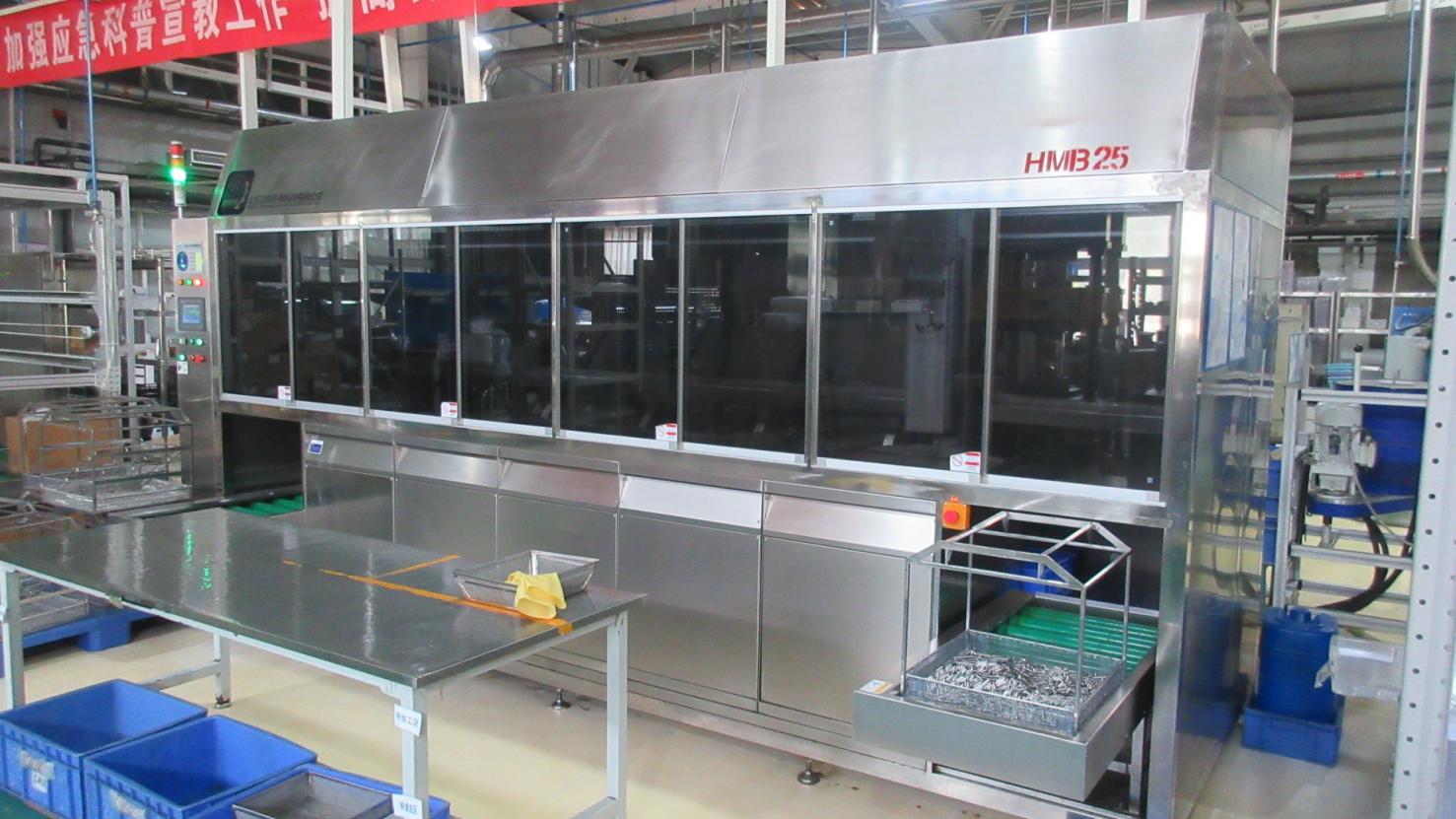
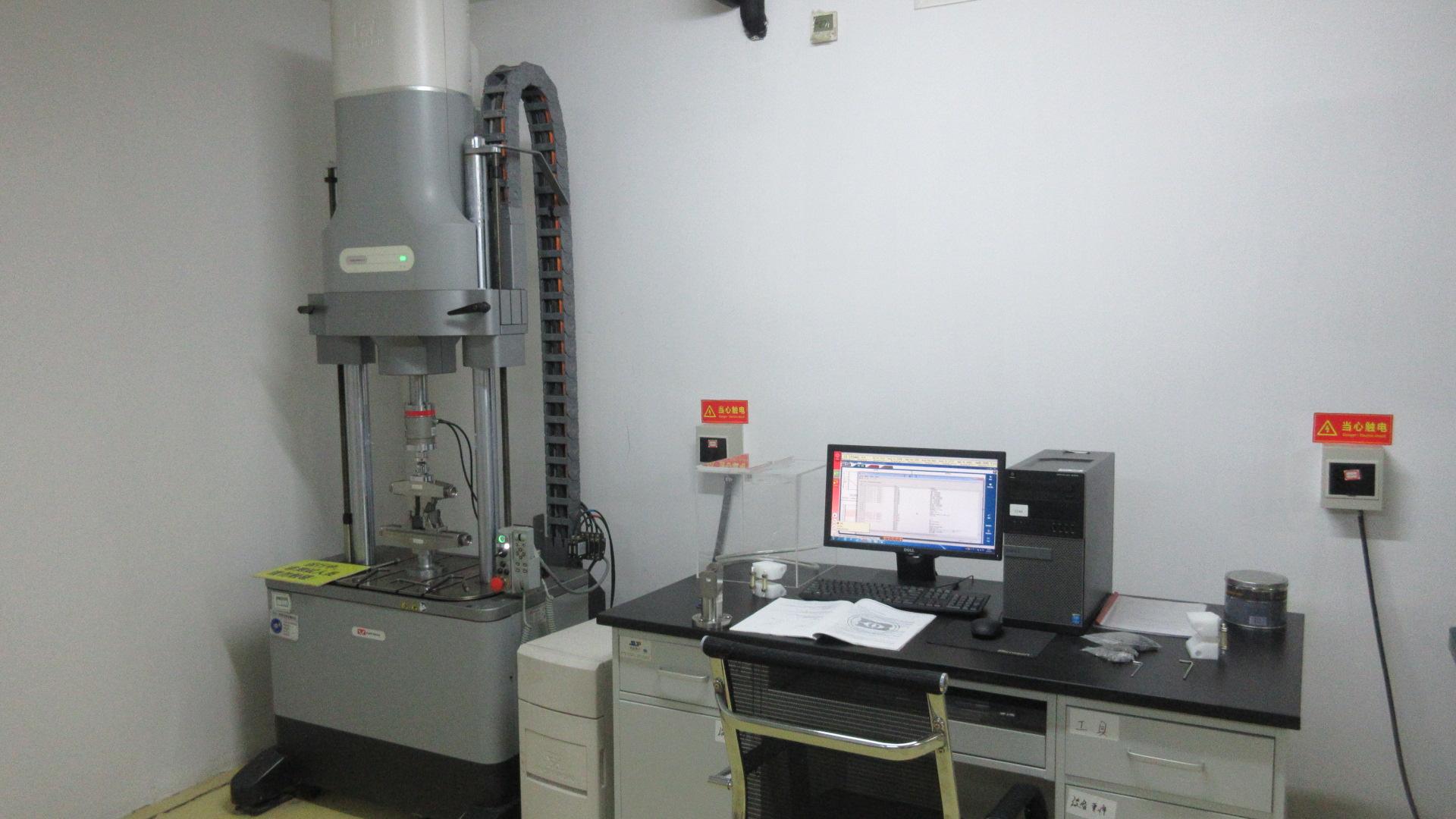
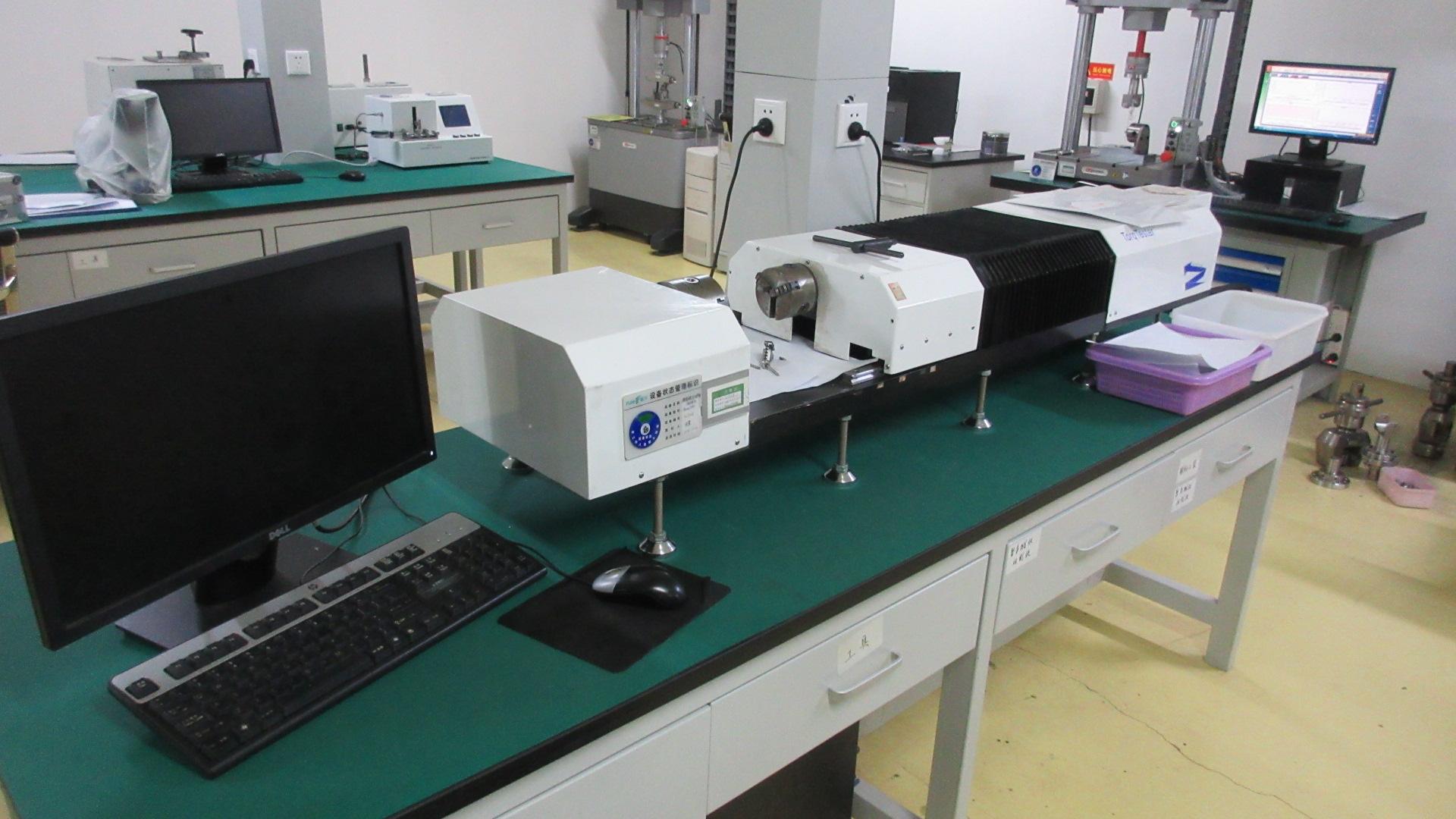
Precision orthopedic instruments and surgical navigation trackers demand absolute dimensional repeatability. Our factory floor integrates automated CNC machining, high-performance cleanroom chemical processing, and rigorous physical testing suites to ensure that raw medical-grade titanium (Ti-6Al-4V ELI) and PEEK polymers are transformed into implants of unmatched quality.
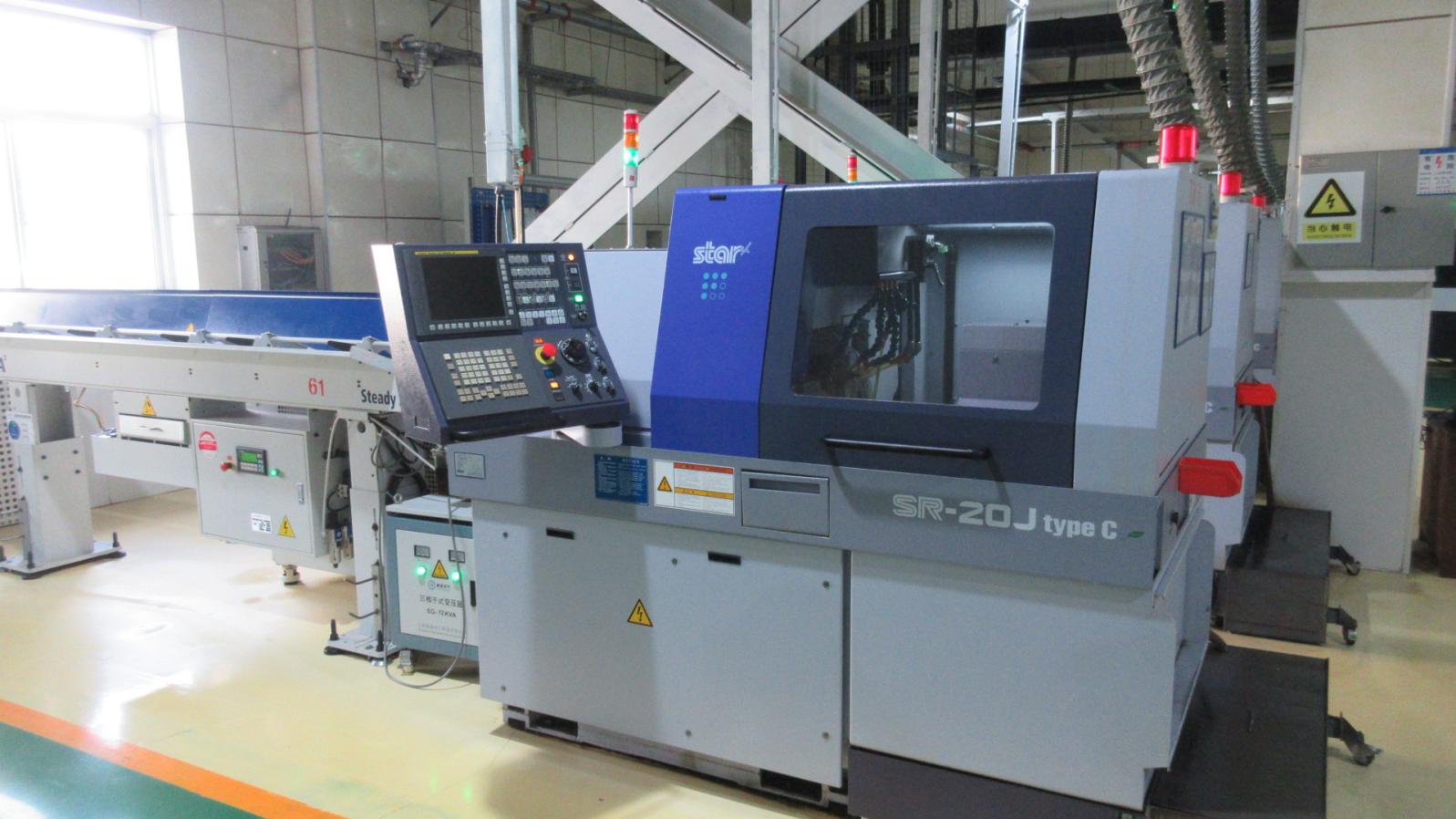
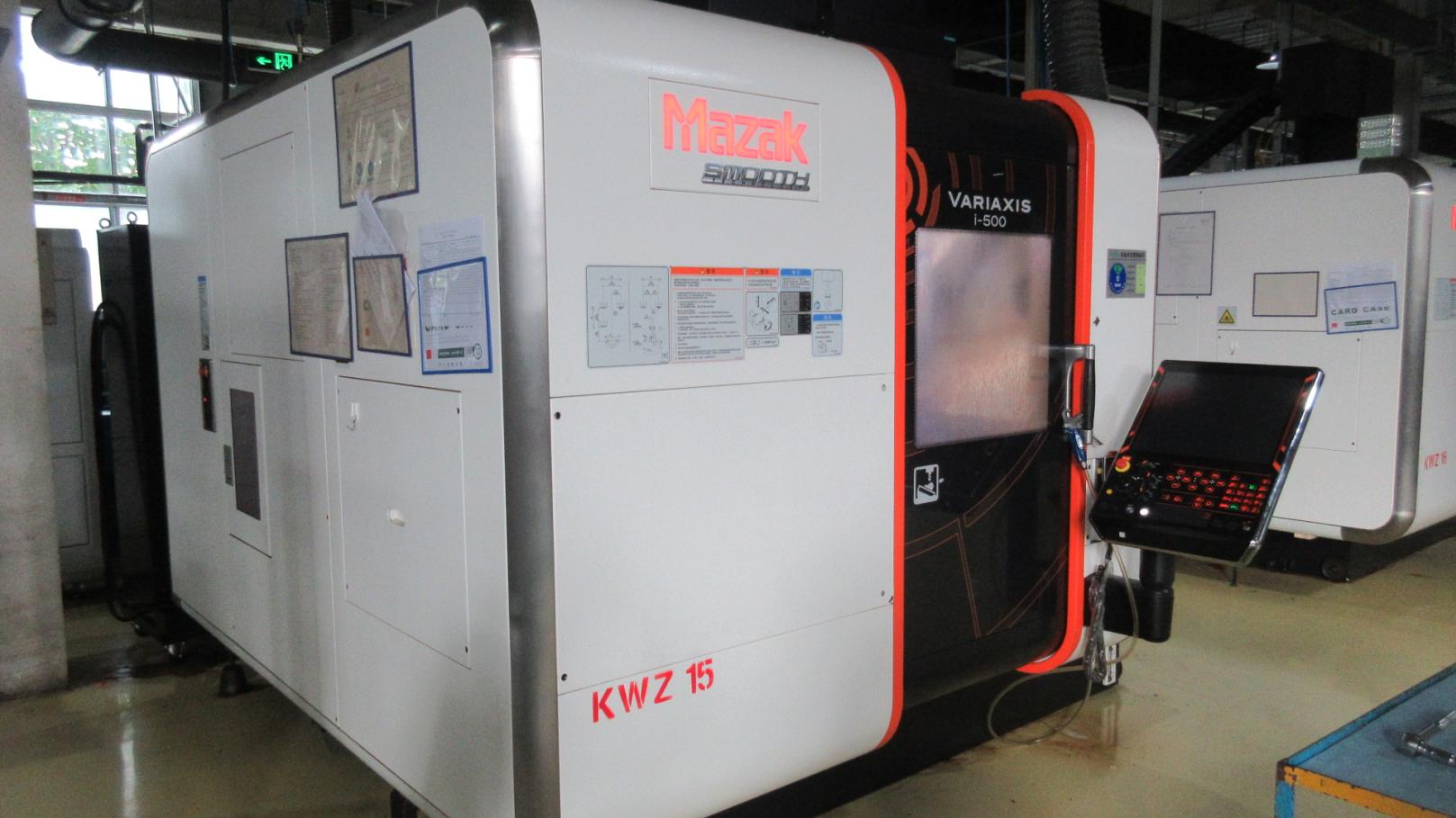
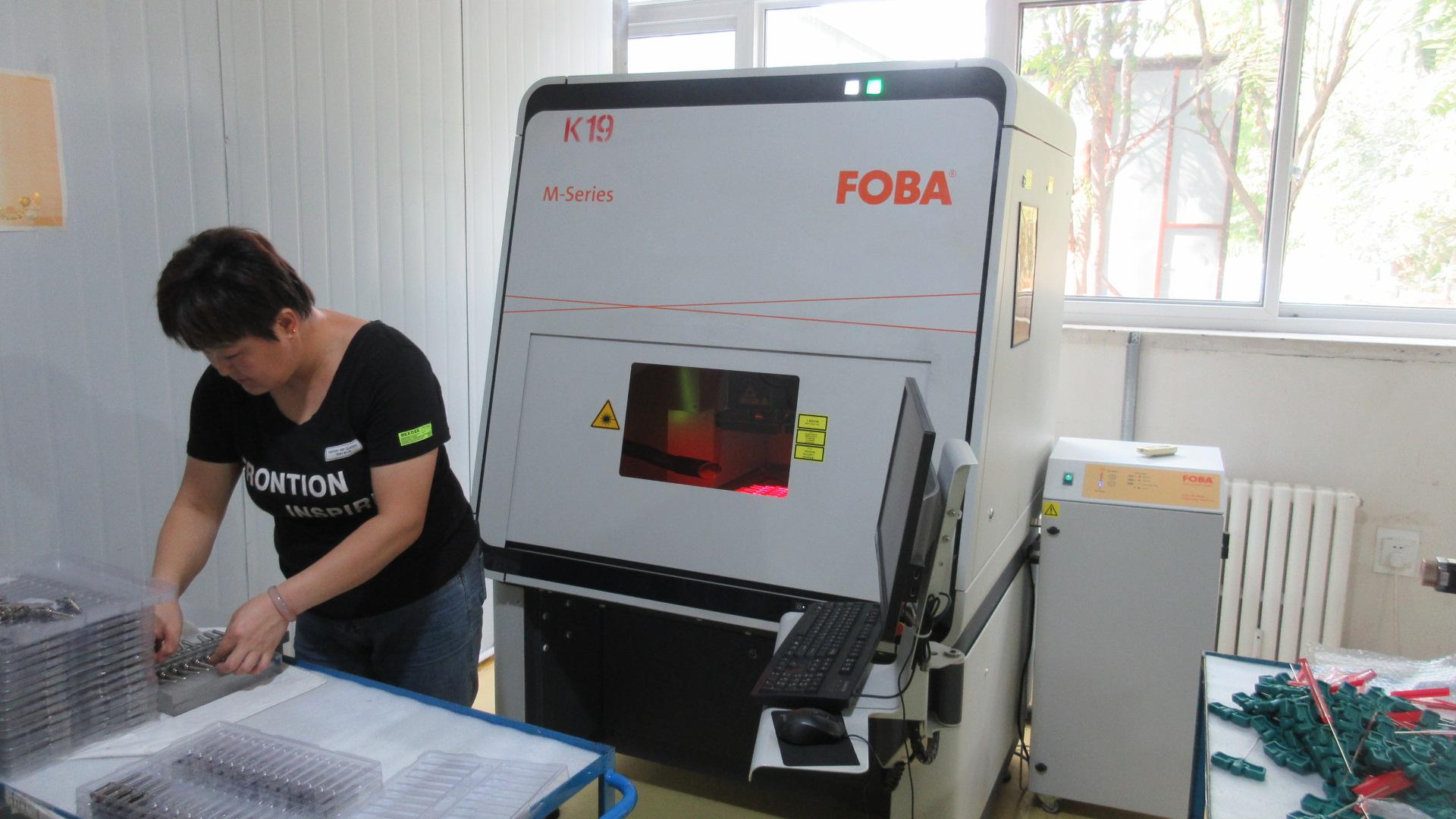
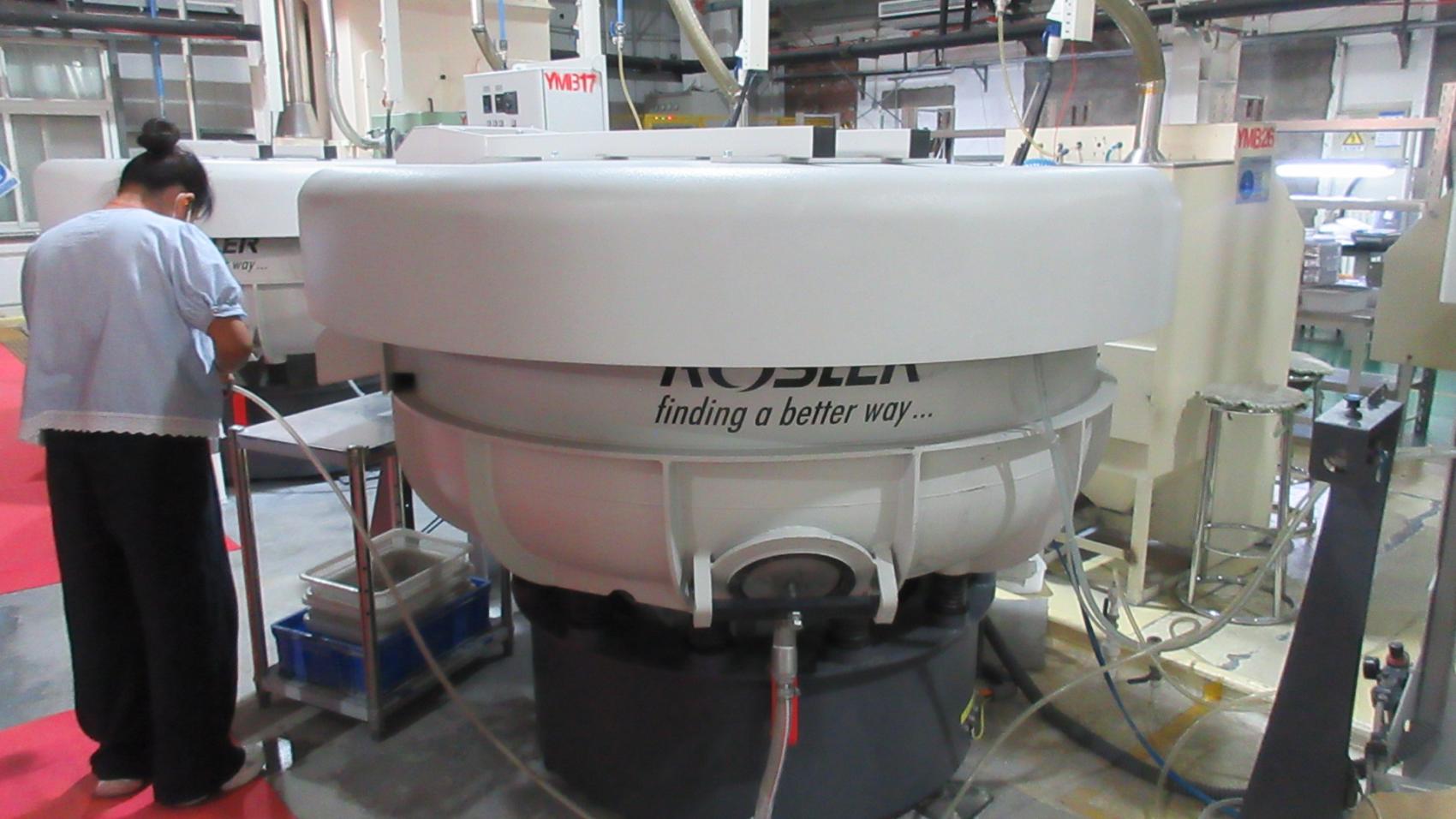
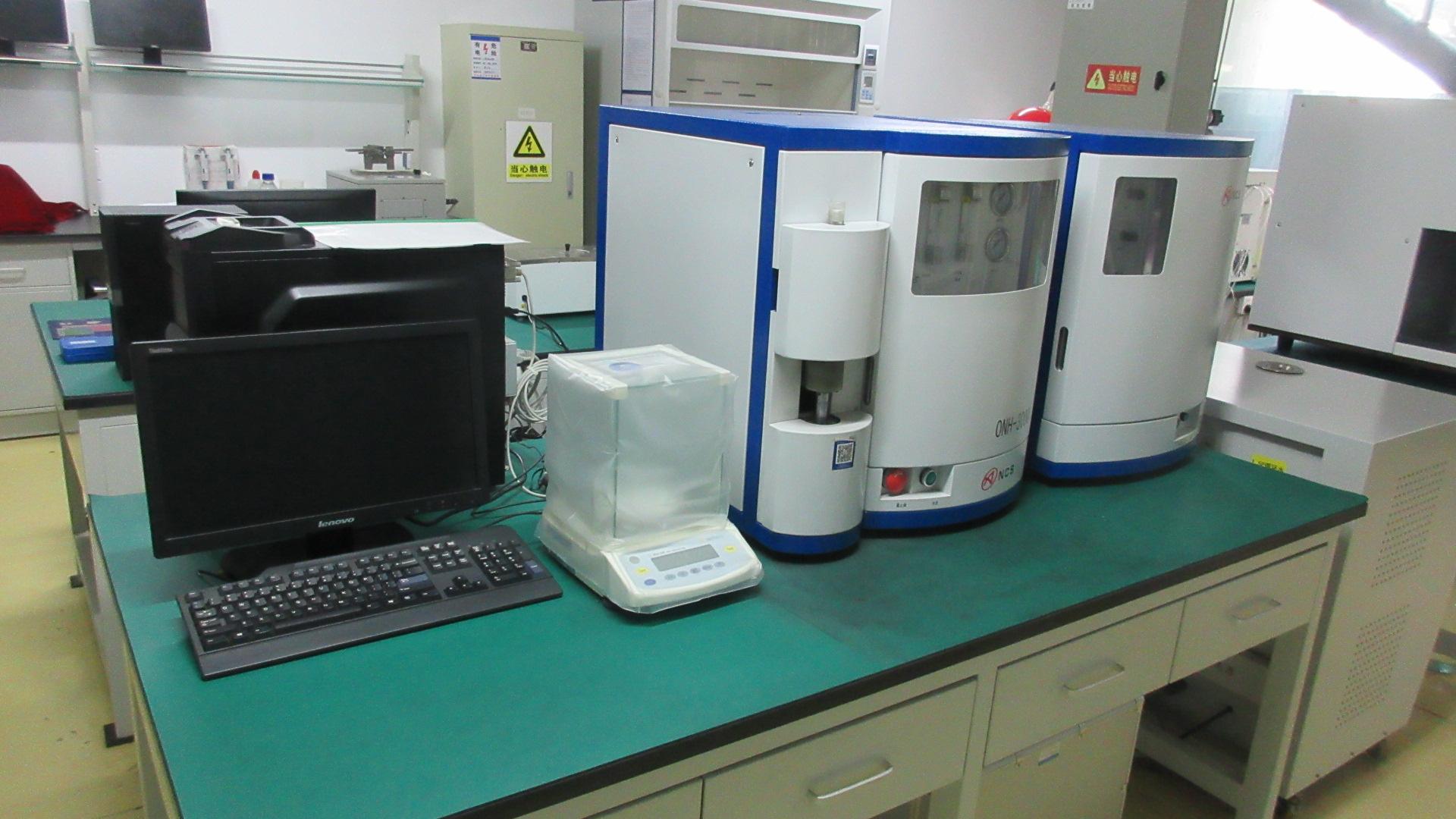
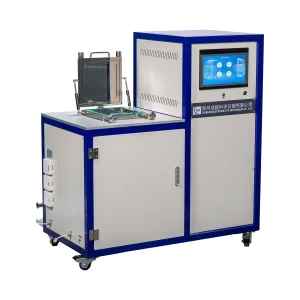
Our raw material incoming inspection leverages our internal ONH Series Analyzer to measure interstitial gas contents (Oxygen, Nitrogen, Hydrogen) in titanium alloys, preventing hydrogen embrittlement before manufacturing begins. Precision components are formed via Swiss-type CNC Lathes and automated slitting lines, followed by automated robotic Grinding to ensure perfect surface finishing.
After mechanical shaping, every instrument undergoes multi-stage Ultrasonic Clearing inside an ISO Class 7 cleanroom to eliminate residual lubricants and particles. Trackers and implants are marked using ultra-precise Laser Engraving for complete UDI (Unique Device Identification) traceability. Finally, batch validation tests are conducted on our Fatigue Testers and Torsion Testers to guarantee structural integrity over millions of loading cycles, simulating real-life patient anatomy stresses.
Why leading healthcare brands in Europe and the USA choose us as their strategic manufacturing partner.
We comply fully with ISO 9001:2015 and EN ISO 13485:2016 quality systems. Our products carry CE certificates and conform to stringent WHO: GMP guidelines, ensuring rapid customs clearance and regulatory alignment in highly demanding medical markets.
Quality begins at the source. We source raw materials (Titanium, Peek, medical-grade Stainless Steel) only from ISO 9001 validated mills. Every batch includes chemical composition certificates and mechanical property mapping before production release.
Our dedicated R&D lab is staffed by experienced biomedical engineers. We collaborate with international orthopedic surgeons and hospital networks to constantly refine instrument ergonomics, tracking markers, and implant stability.
"Unlike many of our competitors, we do not compromise on quality in exchange for a cheaper price. We deeply believe that human life is invaluable. We strive to deeply understand your local clinical requirements and regulatory hurdles, providing a reliable partnership that guarantees patients receive high-performance implants and devices."
Addressing the technical, regulatory, and logistical considerations of global medical procurement.
Maintaining raw material lineage and structural endurance across all product classifications.
 Voila Orthopedic Implants