High-precision orthopedic implants engineered to international standards (ISO 13485, CE, WHO-GMP) for reliable surgical outcomes.

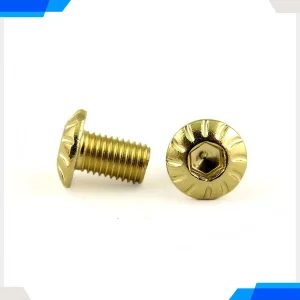
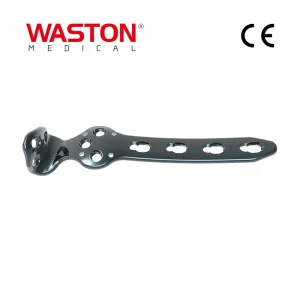
We are the most reputed manufacturers and exporters of Orthopedic Implants and Instruments, holding the prestigious status of a Star Export House certified by the Government. Our global operational footprint reaches over 80 countries, making us a primary supply chain partner for tier-1 hospitals, distribution organizations, and medical device brands across Europe, North America, and the Asia-Pacific region.
Operating under a strict, world-class quality management framework, we guarantee full compliance with ISO 9001:2015, EN ISO 13485:2016, CE, and WHO: GMP. These regulatory baselines ensure that every instrument we ship aligns with the exacting mechanical and biological safety demands of modern operating theaters.
"Unlike many of our competitors, we don't compromise on quality in exchange for a cheaper price. We believe human life is invaluable. We understand your requirements, we recognize your needs! Come partner with us."
Our Quality Control and R&D operations are founded on scientific validation. With a highly equipped laboratory and strict testing standards, we manage product quality from the raw material receipt stage. This active monitoring allows us to trace and control the properties of every alloy component that forms our finished orthopedic implants.
Our dedicated R&D team consists of highly qualified engineers who systematically execute material research and integrate clinical feedback from orthopedic surgeons worldwide. This ongoing feedback loop drives the design and optimization of our trauma products, establishing our reputation as an authority in trauma and orthopedic implant manufacturing.
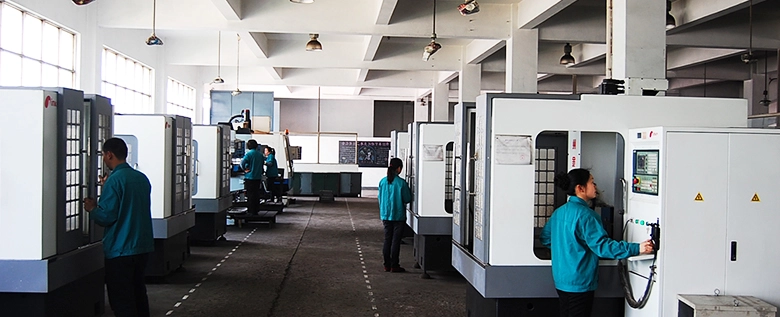
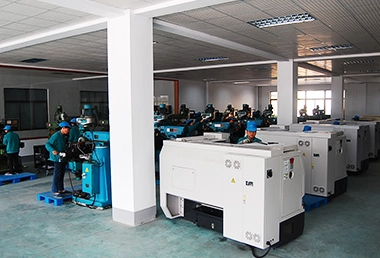
Our state-of-the-art facility integrates advanced machinery and metallurgical testing systems to manufacture surgical tools with micron-level tolerances.
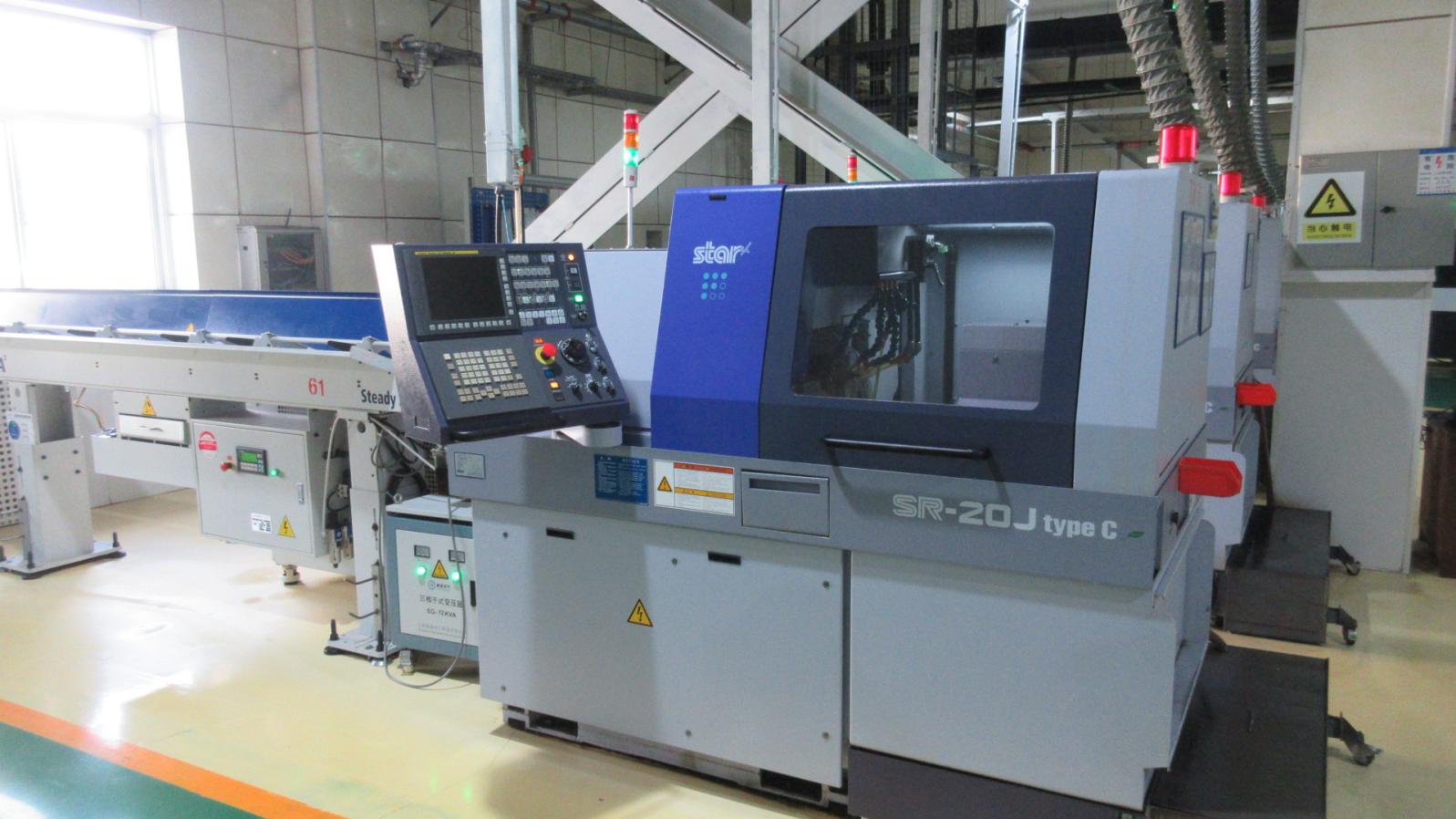
High-speed automated coil slitting ensuring uniform raw material strip width and edge preparation, critical for down-the-line forming processes.
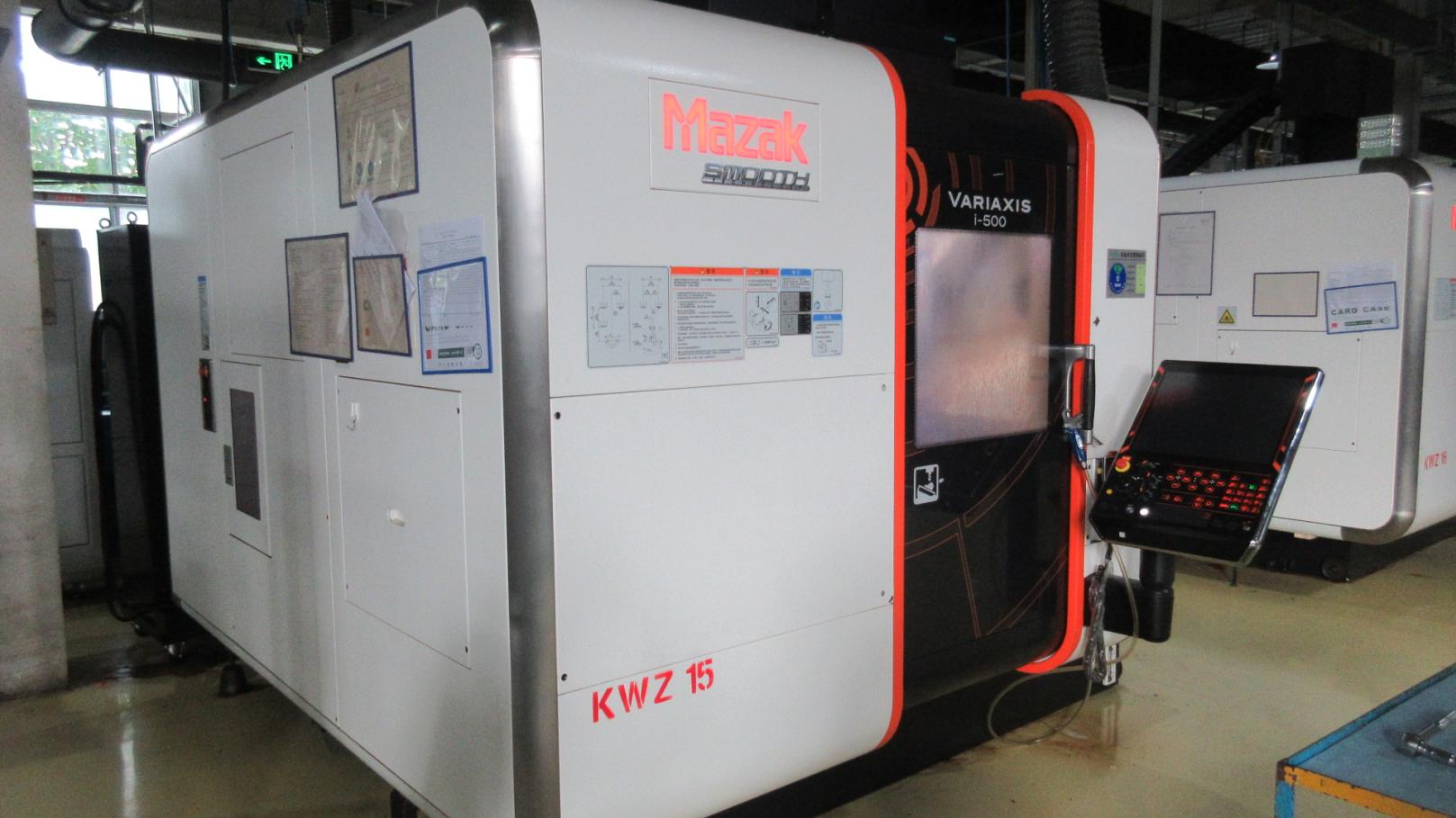
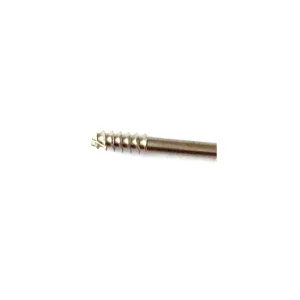
Multi-axis CNC Swiss machining centers turning medical-grade titanium bars into orthopedic screws with precise thread geometries.
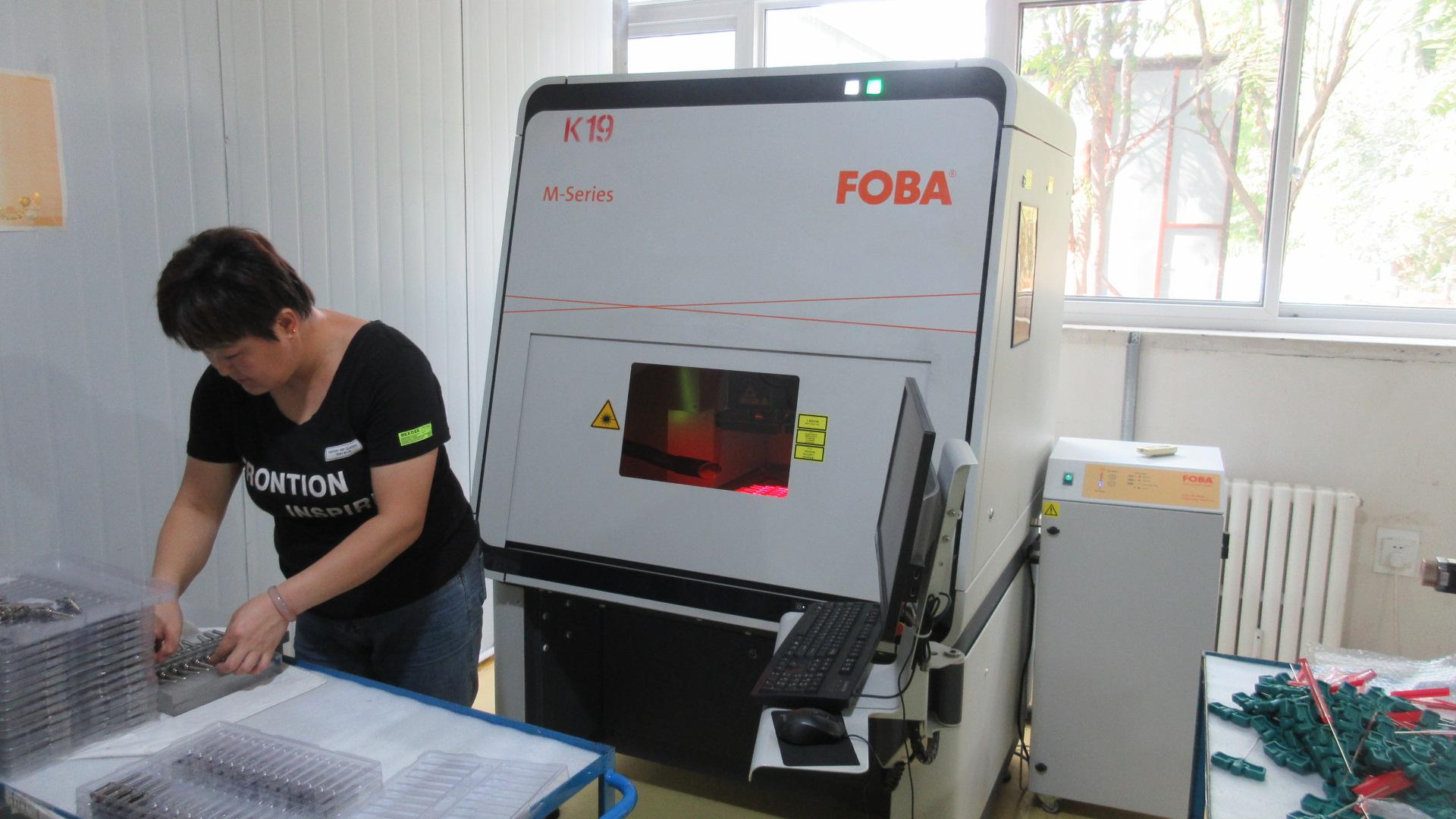
Computer-controlled laser markers etching indelible UDI (Unique Device Identifier) codes, batch numbers, and logos without altering surface chemistry.
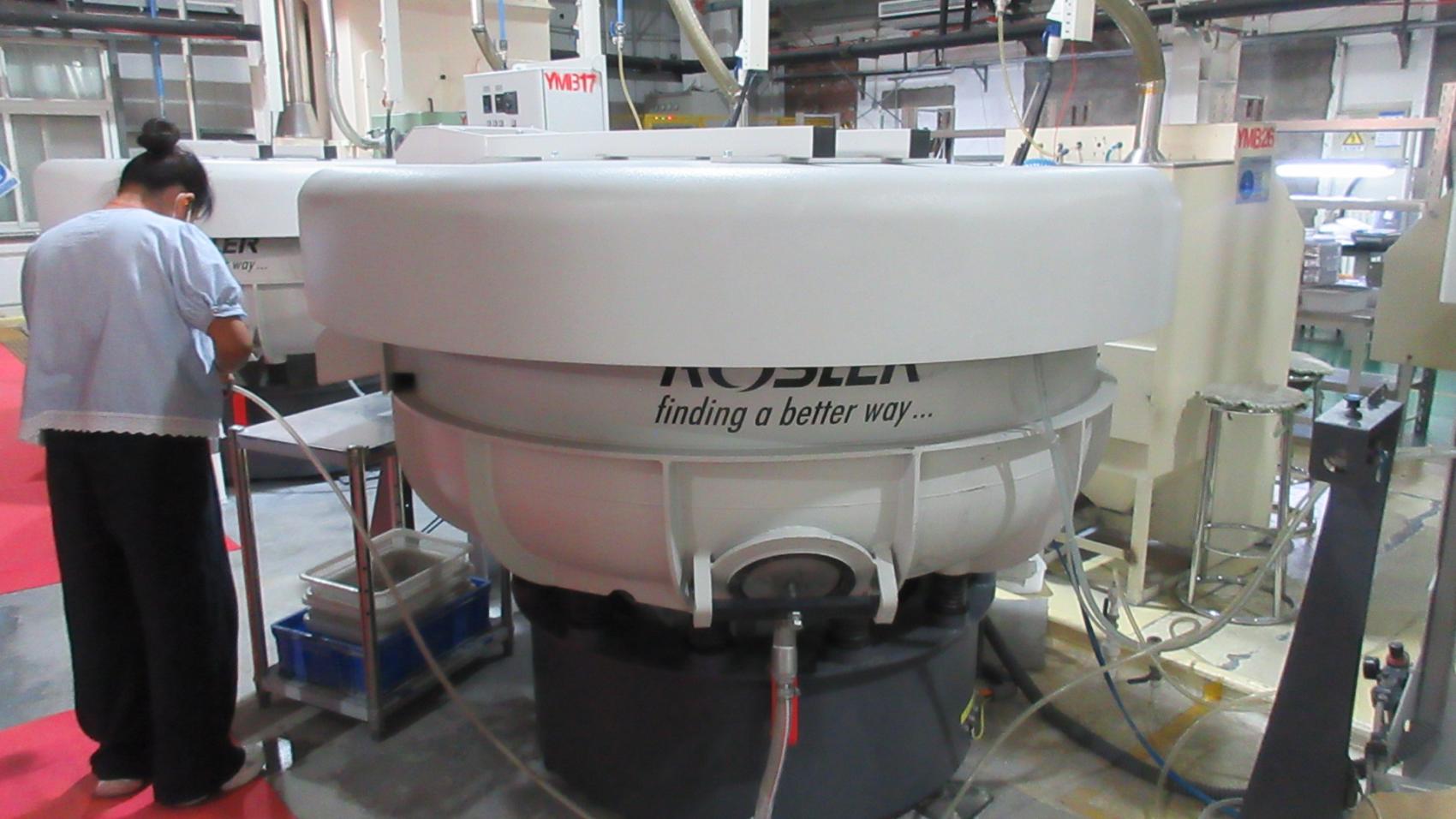
High-precision centerless and surface grinding processes ensuring mirror-smooth finishes and eliminating surface irregularities.
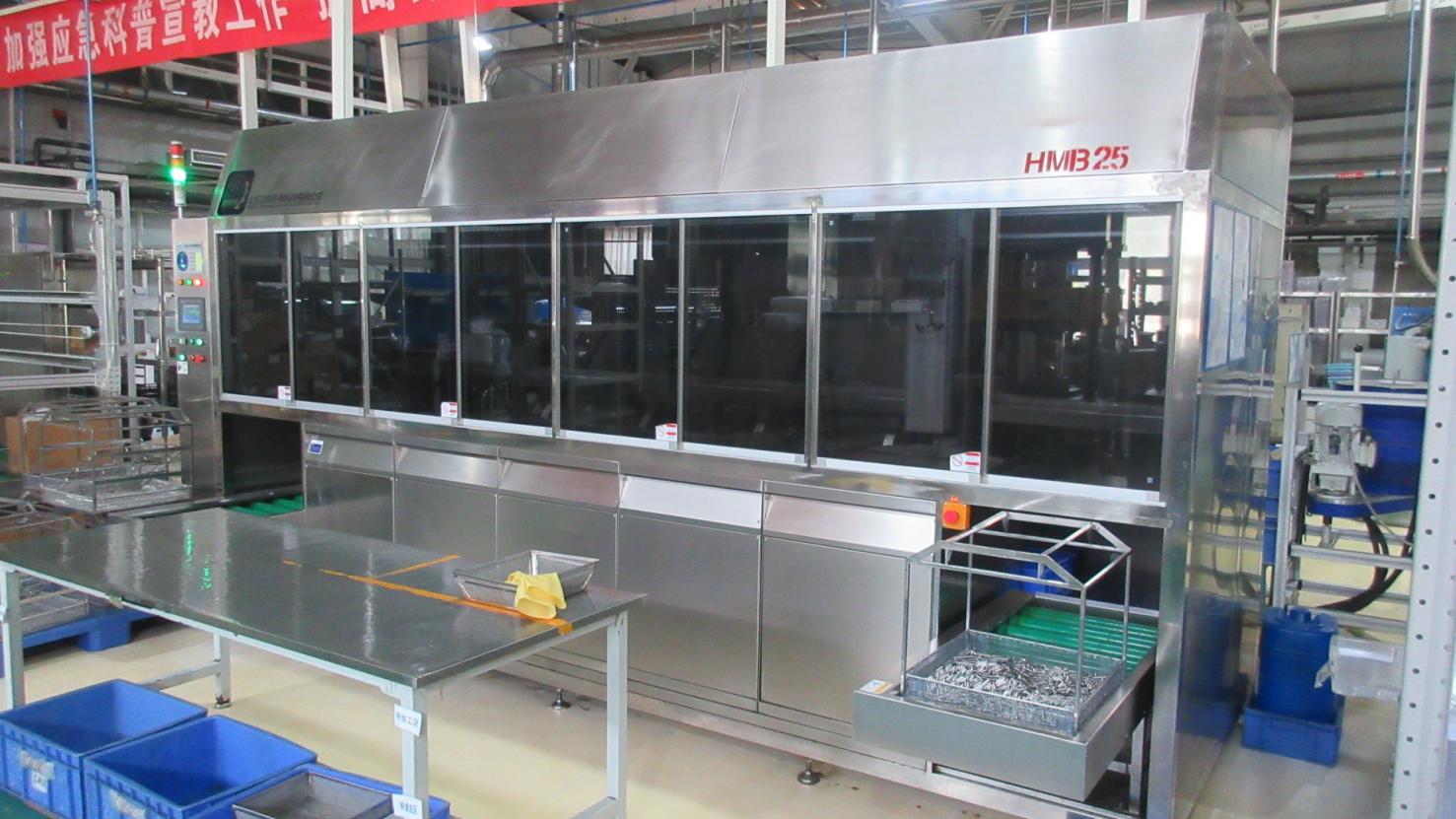
Multi-stage ultrasonic cleaning baths removing processing lubricants, micro-shavings, and dust prior to cleanroom packaging.
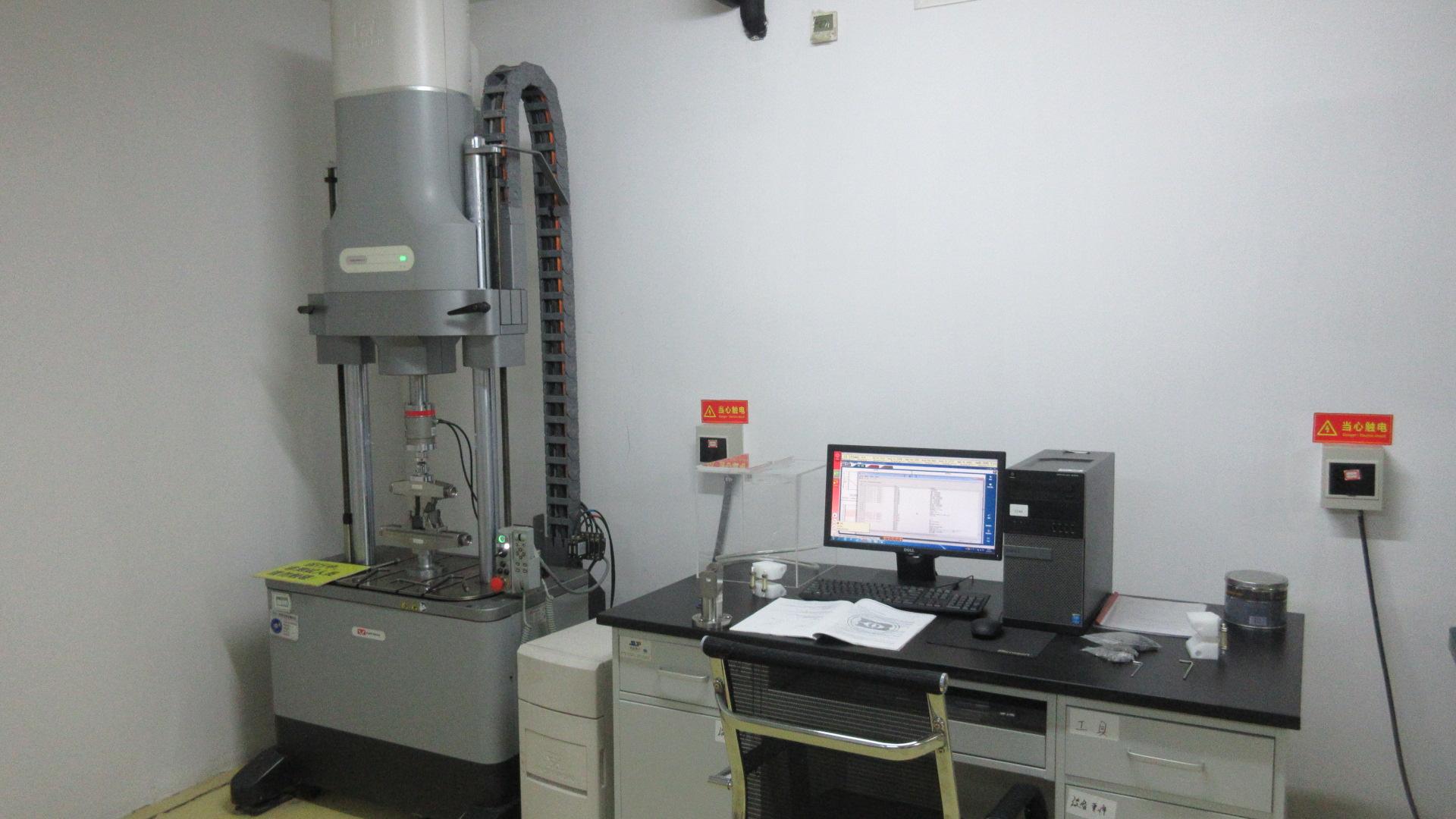
Subjecting load-bearing implants to millions of stress cycles to verify physiological fatigue limits and prevent clinical failures.
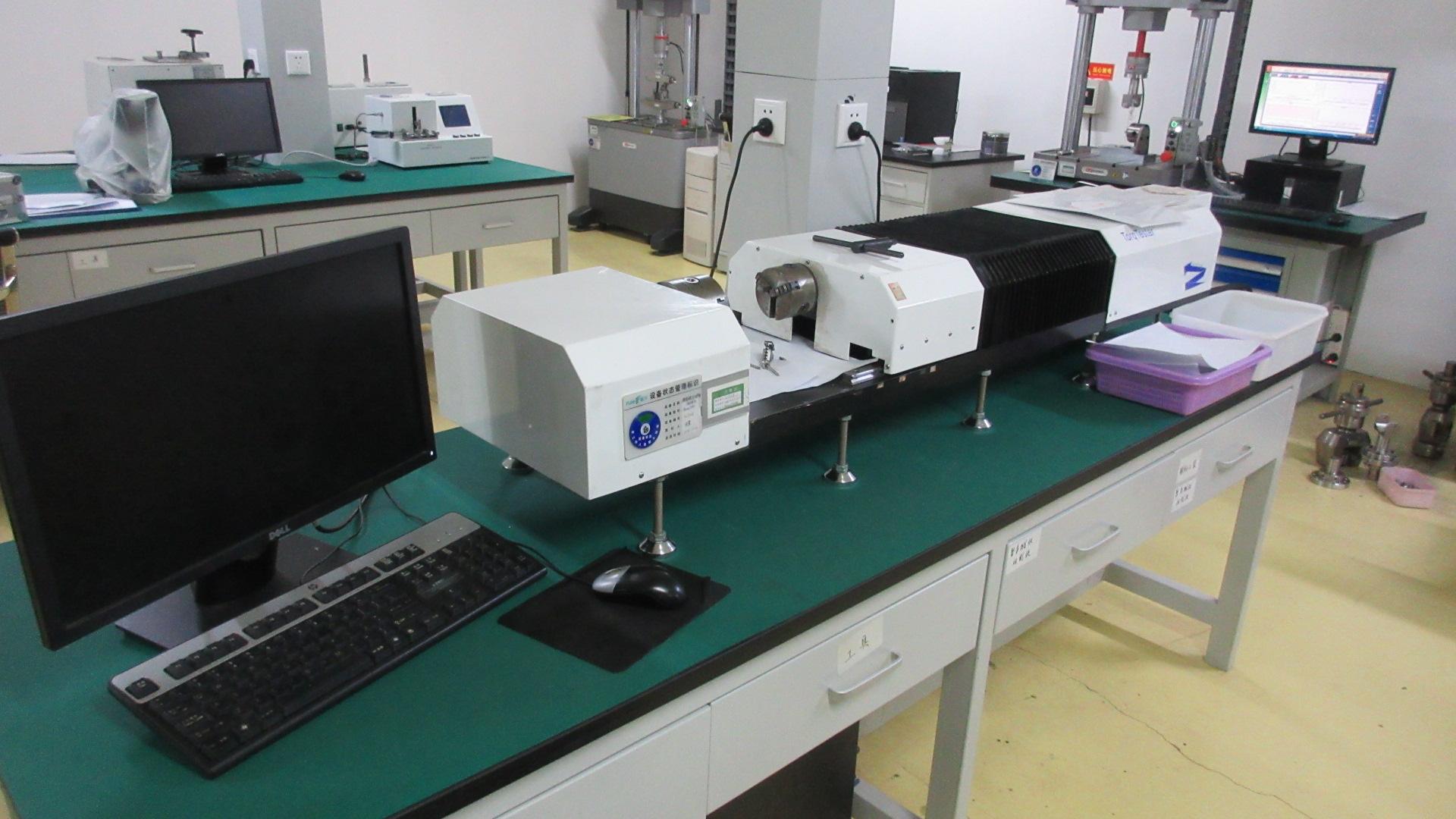
Evaluating the twisting strength of bone screws to guarantee they withstand insertion torque during surgical fixation.
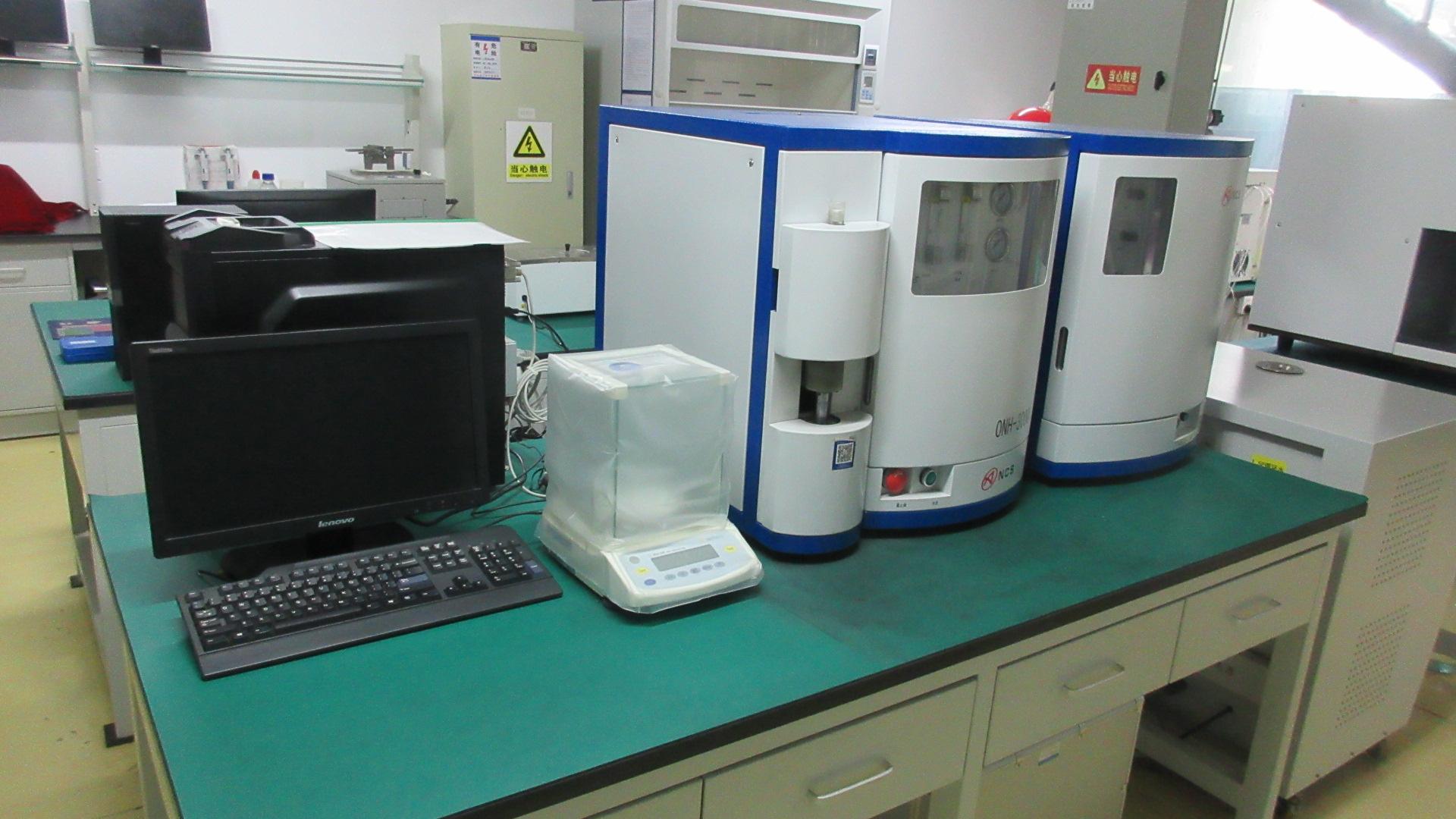
Measuring interstitial Oxygen, Nitrogen, and Hydrogen content in titanium alloys to prevent brittle fractures and ensure bio-inertness.
The global surgery paradigm is shifting towards minimally invasive procedures, robot-assisted surgical operations, and patient-specific implant designs. Our product research and development roadmap focuses on these industry developments through three target initiatives:
We are scaling up the deployment of advanced surface modification technologies, including anodic oxidation, physical vapor deposition (PVD) titanium nitride coatings, and hydroxyapatite coatings. These treatments improve osteointegration speed and lower the release rate of metal ions in long-term implants.
Integrating Electron Beam Melting (EBM) and Direct Metal Laser Sintering (DMLS) technologies allows our factory to transition from standard geometries to customized, patient-specific orthopedic solutions. This capability permits the design of irregular trabecular titanium meshes that mimic natural human bone patterns.
As robotic surgical systems become standard in hospitals, we are refining our manufacturing tolerances to meet the requirements of robotic arms. Our instruments feature precise alignment notches and calibrated mechanical surfaces to interface seamlessly with surgical navigation systems.
Medical procurement organizations operate in a complex environment of shifting regulations, material shortages, and unpredictable logistics costs. We offer localized support and structural risk mitigation to build a reliable supply pipeline:
By securing direct procurement agreements with certified medical-grade titanium ingot mills, we shield our clients from fluctuations in the metals market. Every batch of Grade 5 (Ti-6Al-4V ELI) and implant-grade 316LVM stainless steel is backed by complete material test reports (MTR), ensuring traceability back to the original melt.
With distribution channels operating across 80 countries, we maintain dedicated shipping corridors to Europe and North America. Our logistical framework minimizes customs clearance times by preparing pre-cleared regulatory paperwork, matching commercial documentation to local standards, and keeping transit windows predictable.
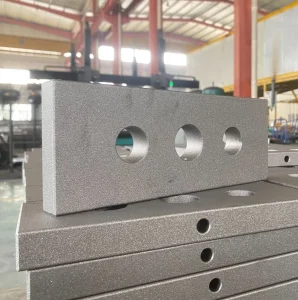
In addition to our precision medical micro-machining and implant divisions, our factory operates a dedicated high-capacity heavy metallurgy and casting division. This segment manufactures heavy-duty infrastructure components, including specialized railway accessories and track tie plates.
By applying the same metallurgical control, spectroscopic analysis, and quality assurance processes required for surgical implants to our casting lines, we produce rail components capable of withstanding decades of dynamic environmental loading. This division highlights our comprehensive metalworking capabilities, ranging from micron-scale bio-implants to structural transport castings.
Our heavy metallurgy division supports public transport networks and logistics corridors with high-grade spheroidal graphite cast iron components. These parts conform to international railway standards (including EN, UIC, and ASTM specifications) and are designed to survive thermal cycling and physical wear.
Compliance is essential in medical manufacturing. We operate under audits from third-party registrars, certifying that our facilities, safety protocols, and manufacturing processes align with the demands of European and American health authorities.
We invite medical device procurement officers, hospital executives, and clinical engineers to review our compliance documentation. Our quality control division can provide material inspection sheets, fatigue test results, and cleanroom validation data for every delivery batch.
Browse our broader portfolio of orthopedic instrumentation, trauma system assemblies, and specialty engineering components.
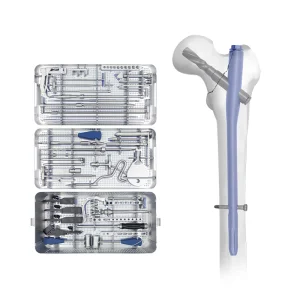
Answers to common technical, logistics, and quality assurance questions from hospital groups and device distributors.
 Voila Orthopedic Implants