Engineered to meet the absolute limits of mechanical performance and biological integration.
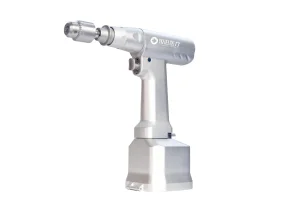
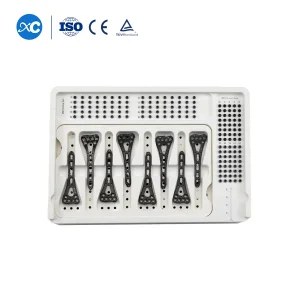
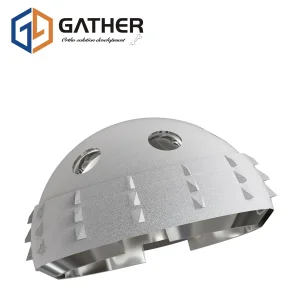
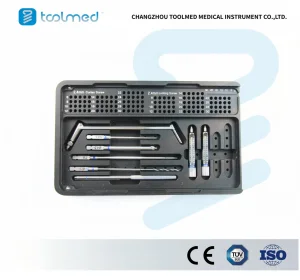

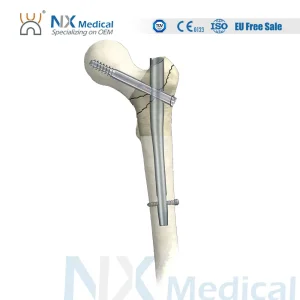
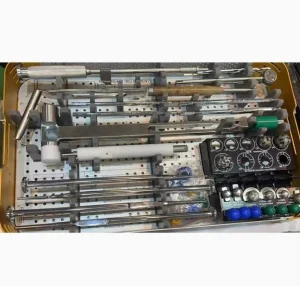
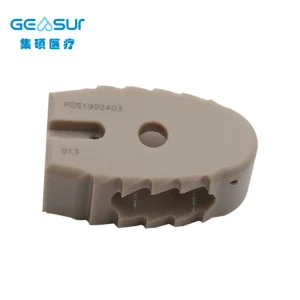
As a Star Export House certified by the Government, we supply critical orthopedic solutions to over 80 countries worldwide, earning trust across European and American medical networks.
Operating under stringently monitored protocols: ISO 9001:2015, EN ISO 13485:2016, and full CE & WHO: GMP Compliance. Quality is never compromised.
Led by highly qualified materials engineers, collaborating directly with orthopedic surgeons to continuously evolve implant biomechanics and bio-integration properties.
In modern orthopedic reconstruction, the interface between artificial load-bearing components and living bone tissue demands absolute material integrity. We recognize that human life is invaluable. Unlike market competitors prioritizing cost reduction over structural durability, our engineering team adheres to a strict principle: implant safety is non-negotiable. This commitment forms the core of our partnership model with surgeons and medical device distributors across Europe, North America, and emerging economies.
Our raw material supply chain begins exclusively with implant-grade Titanium Alloy (Ti-6Al-4V ELI conforming to ASTM F136 and ISO 5832-3). This alloy exhibits the optimal elastic modulus, minimizing the risk of stress shielding while ensuring exceptional fatigue limits and biocompatibility. By systematically eliminating surface defects during manufacturing, we ensure that every locking plate, intramedullary nail, and prosthetic component withstands the complex biomechanical forces of the human body.
From raw medical-grade titanium bars to sterilized, implant-ready surgical components.
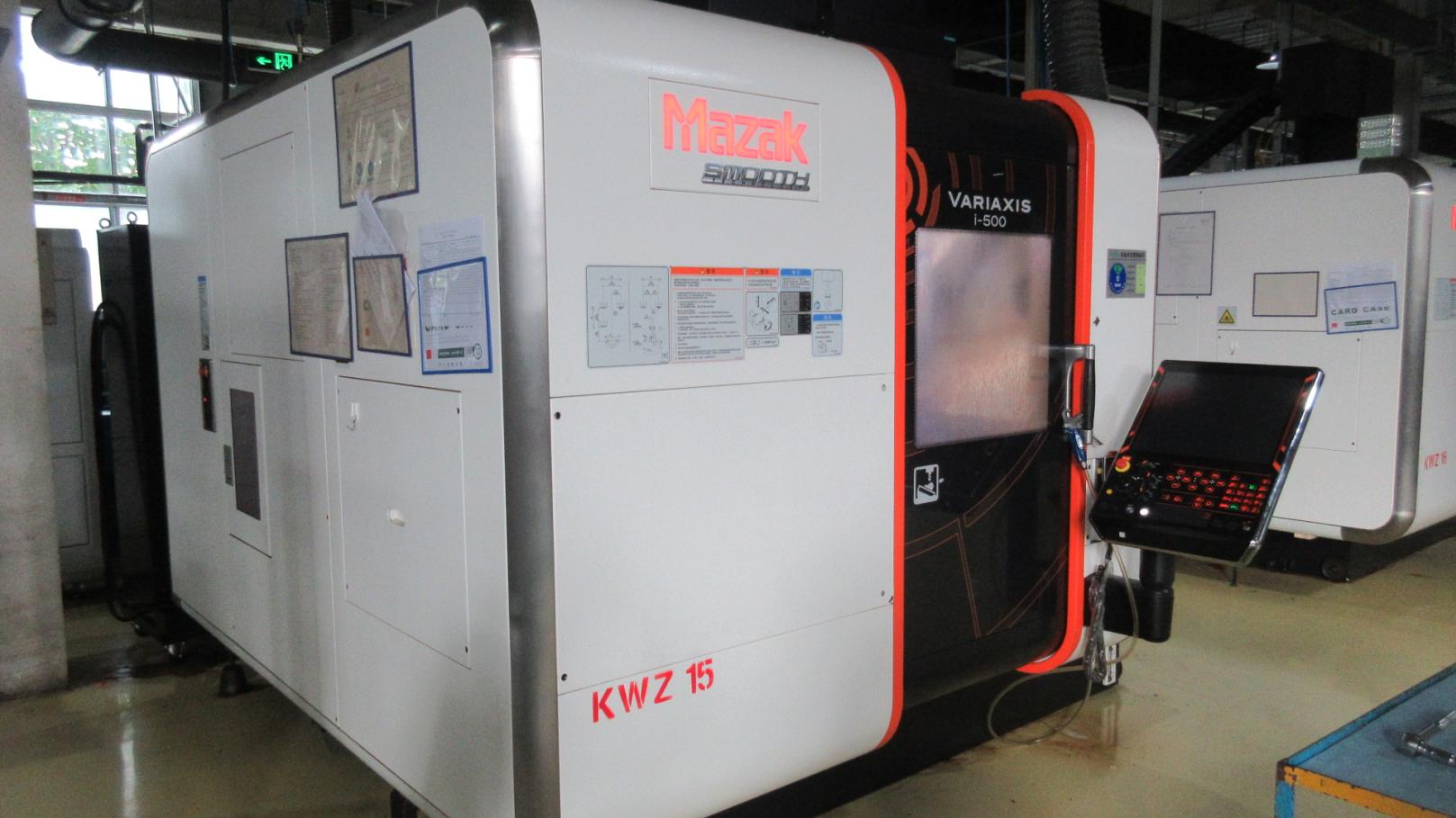
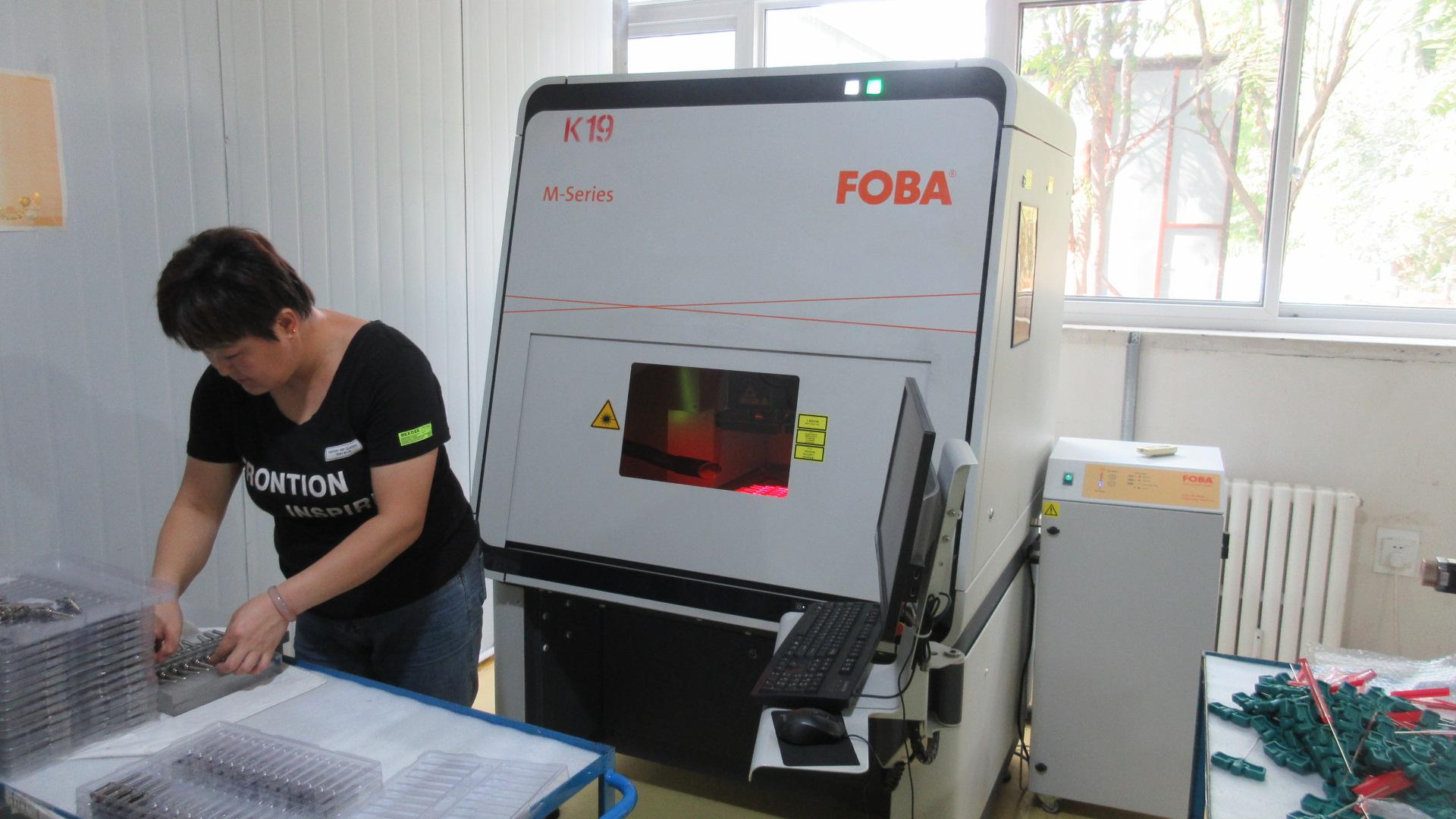
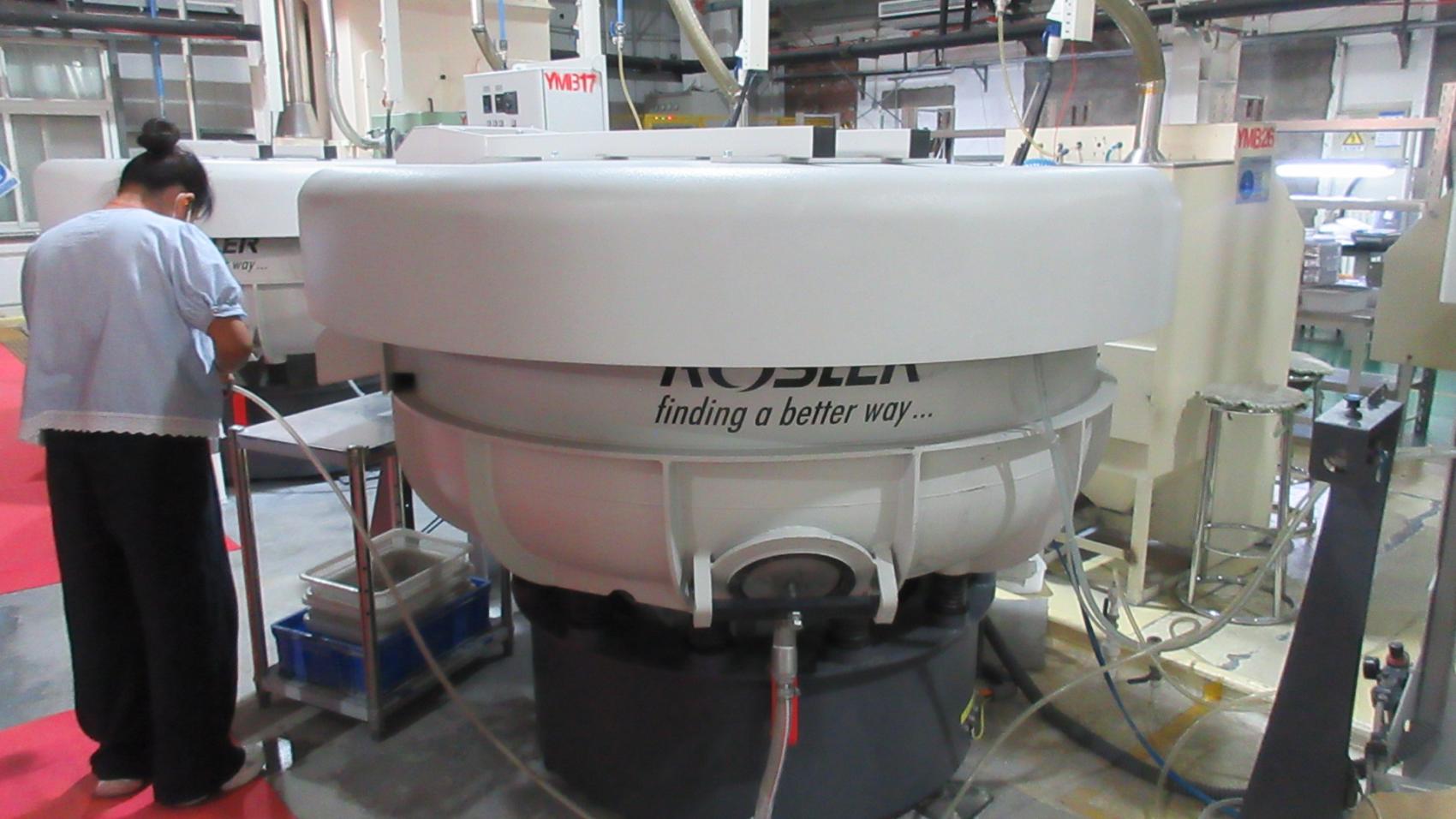
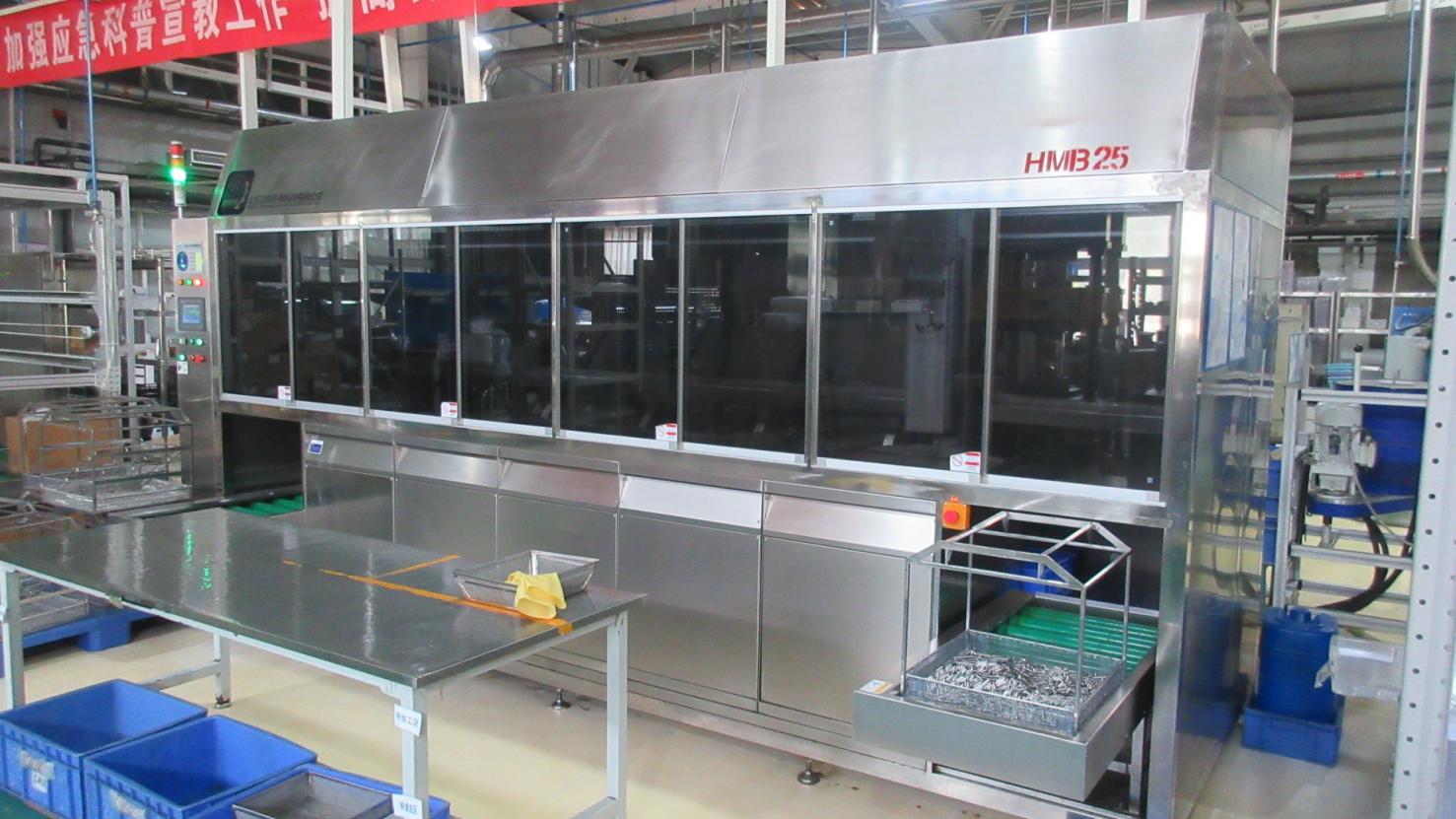
Our in-house R&D facilities verify the structural limit and biochemical purity of every batch.
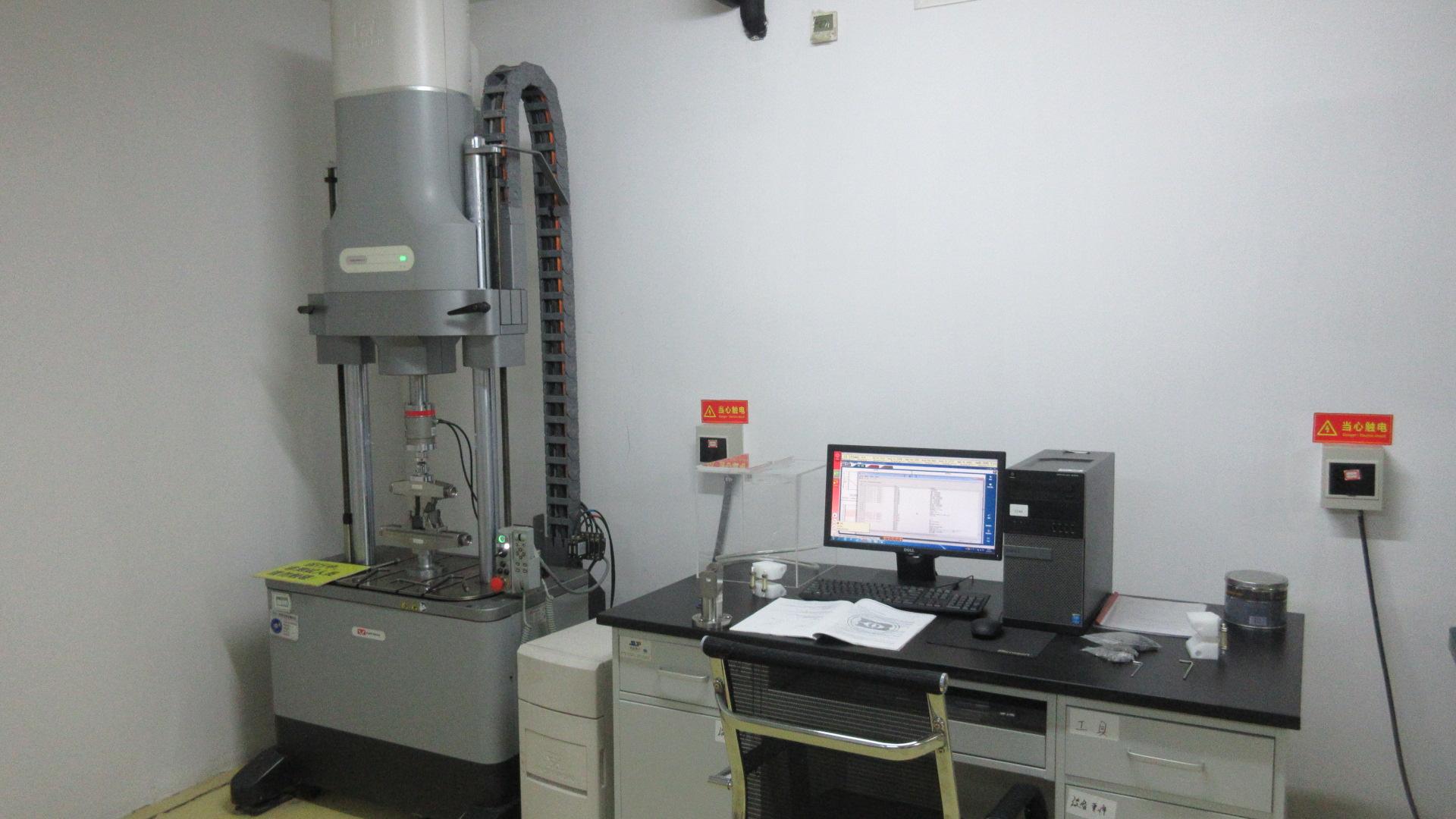
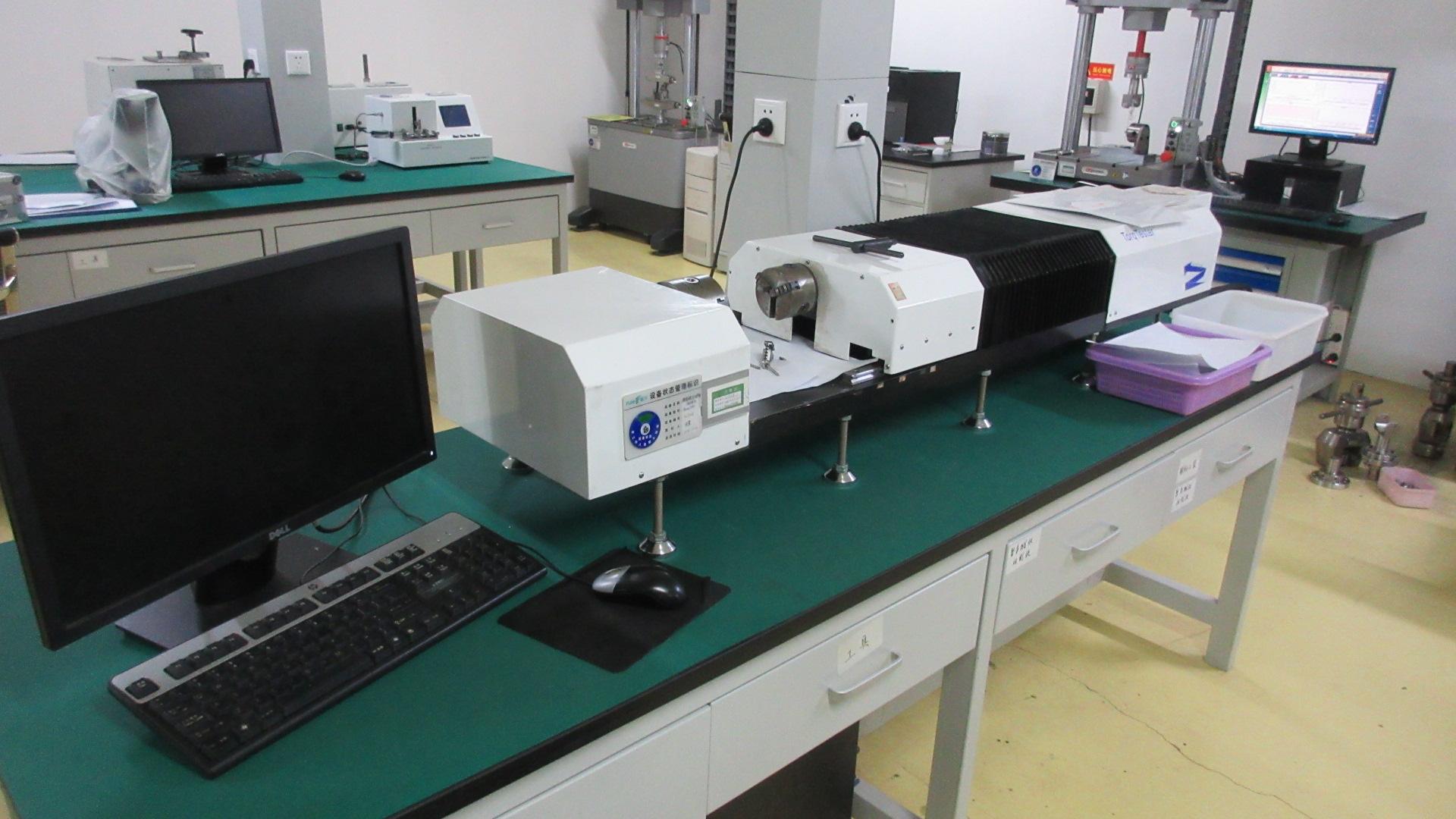
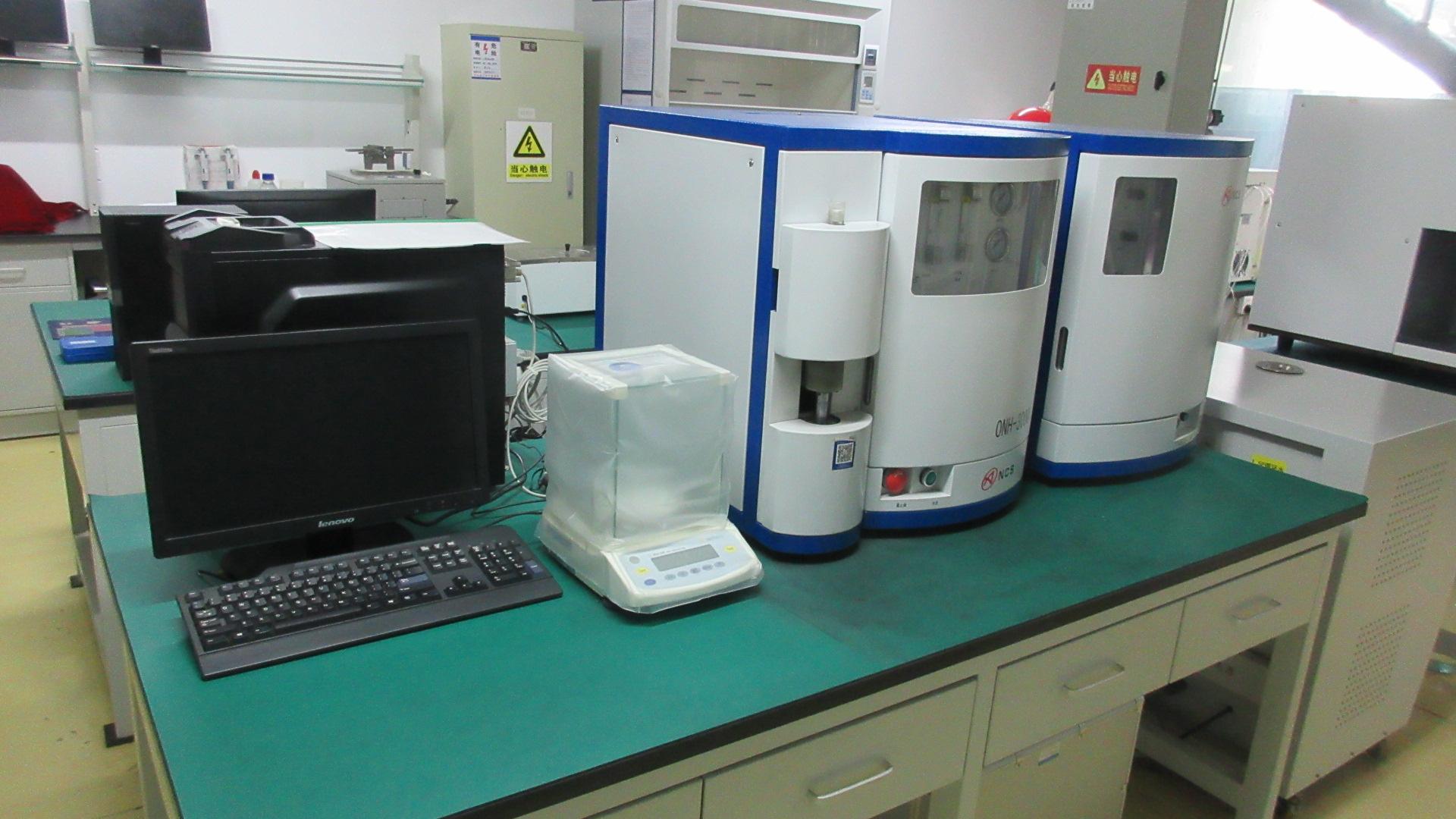
As surgical science moves toward personalized medicine, our R&D roadmap focuses on three main developments: additive manufacturing, smart bioactive coatings, and customizable topology optimization. Traditional subtractive milling processes, while precise, are limited when attempting to mimic the trabecular architecture of natural bone. Our integration of selective laser melting (SLM) 3D printing enables us to design implants with a controlled porous network, promoting rapid vascularization and osseointegration.
The biological response to a metallic implant is determined within the first millisecond of biological fluid contact, where the titanium dioxide layer interacts with surrounding proteins. Our next-generation implants utilize electrochemical anodization to create highly ordered titanium dioxide nanotube arrays. These nanostructures act as controlled release reservoirs for antibacterial silver nanoparticles, growth factors, or anti-inflammatory compounds, reducing post-operative infection risks and accelerating tissue repair.
A mismatch in modulus of elasticity between the implant (typically 110 GPa for Ti-6Al-4V) and cortical bone (10-30 GPa) causes stress shielding, often leading to bone resorption around the implant. Our engineering team is currently testing low-modulus Titanium alloys (such as Titanium-Niobium-Zirconium systems) that match the natural mechanical strain profile of bone, ensuring long-term implant stability and reducing the need for revision surgeries.
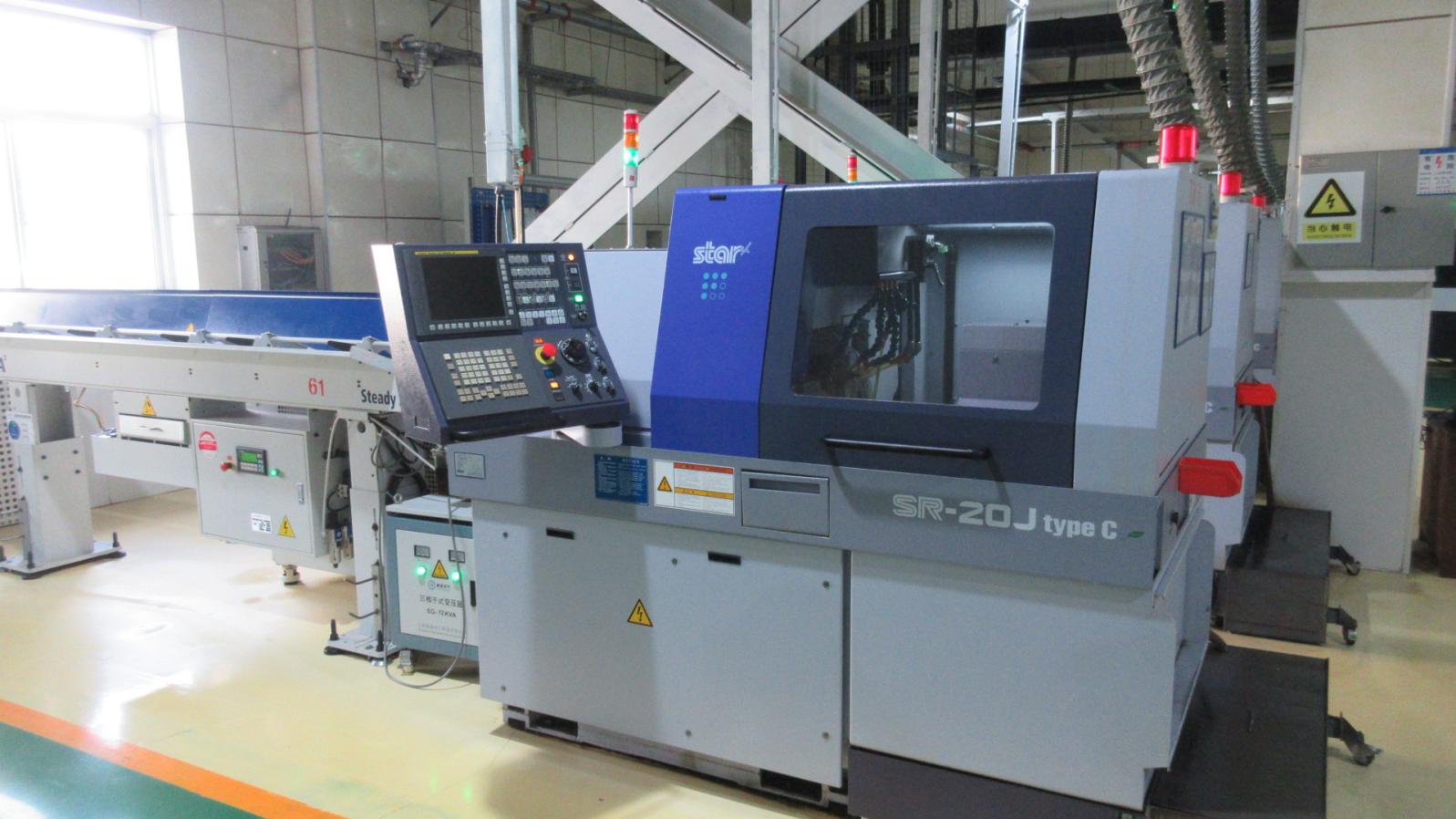
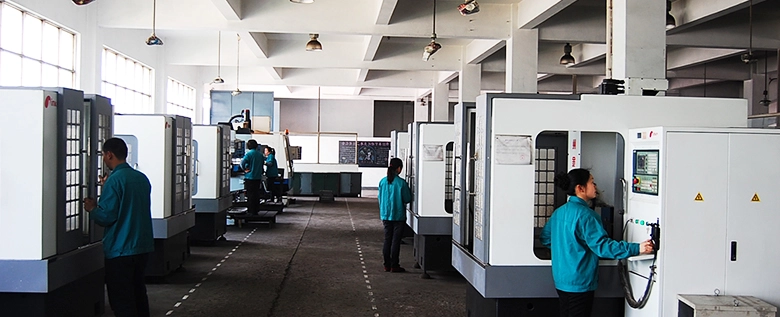
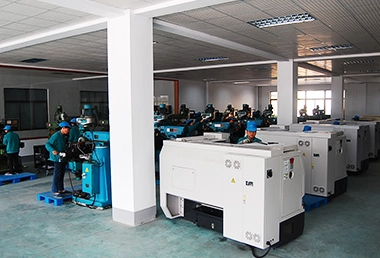
Our manufacturing complex utilizes the Industry 4.0 framework, combining automated Swiss-type lathe machining, smart warehouse logistics, and sensor-based quality monitoring. In medical manufacturing, precision must be paired with scalability. By establishing a fully digitalized manufacturing execution system (MES), we monitor batch numbers, cutting tool wear, and cleanroom environment metrics in real time. This ensures our global distributors receive predictable lead times and consistent product quality.
Our vertical integration provides significant logistics resilience. From initial bar cutting to vacuum-sealing in sterile barrier packaging, every step is performed inside our facility. This minimizes external logistics dependencies and shields our clients from global supply chain disruptions. With buffer inventory configurations for emergency trauma demands, we ensure medical centers receive urgent implant replenishments without delay.
B2B medical procurement requires balancing clinical safety, regulatory compliance, and cost efficiency. As a trusted OEM/ODM partner and exporter, we structure our manufacturing agreements to address the specific priorities of healthcare administrators and procurement directors:
Every implant shipment includes certified chemical composition analyses, heat treatment records, and mechanical testing profiles. This complete data history ensures smooth audits and regulatory clearance.
Our automated production lines scale rapidly to fulfill large government tenders, while remaining flexible enough to process custom configurations for specific clinical requirements.
We provide complete regulatory documentation to support registration with regional health ministries, minimizing time-to-market for our local distributors.
Operating as a global medical device exporter requires complying with evolving international regulations. Under the European Medical Devices Regulation (MDR 2017/745), technical documentation requirements have expanded significantly. We support our distribution partners by providing comprehensive clinical evaluation reports, post-market clinical follow-up data, and risk management documentation conforming to ISO 14971.
We work closely with local regulatory agents to secure local market compliance. Whether dealing with MDD-to-MDR migrations in the EU, FDA 510(k) applications in the United States, or regional registrations across Latin America and Southeast Asia, our regulatory affairs department manages the validation and technical review processes needed to secure import clearances.
Technical clarifications on materials, certifications, procurement processes, and customization capabilities.
Engineered to support bone healing and restore mobility.
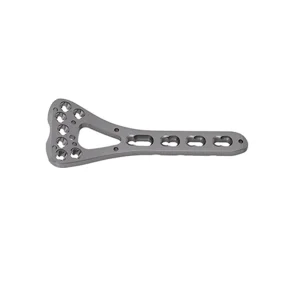
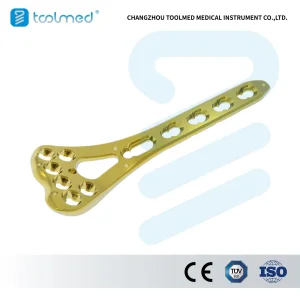
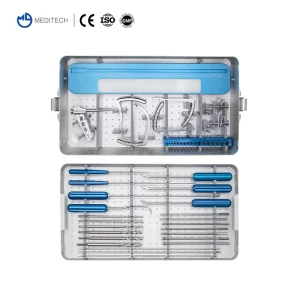
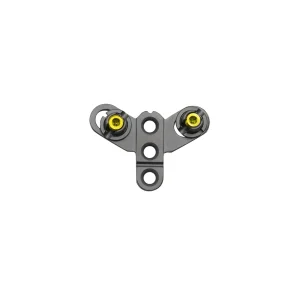
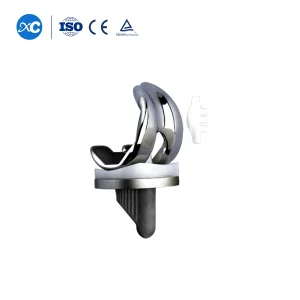
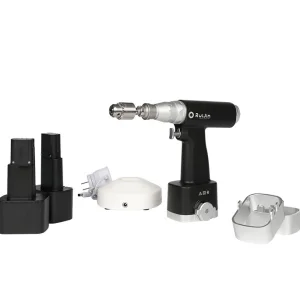
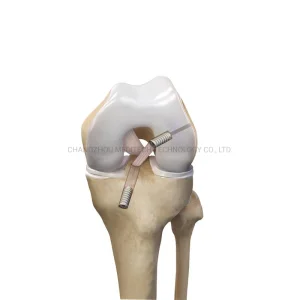
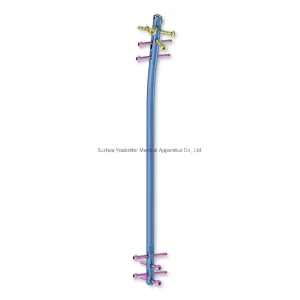
 Voila Orthopedic Implants