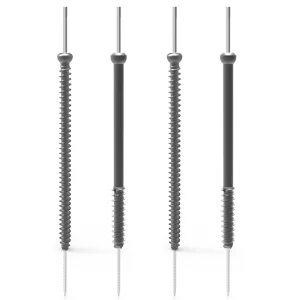
High-performance clinical components designed for ACL/PCL ligament reconstruction and specialized medical imaging applications.
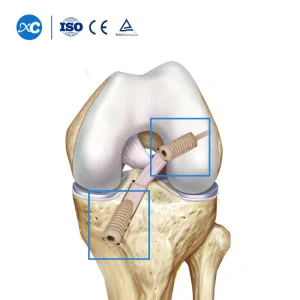
Namibia is currently undergoing a structural transformation within its healthcare infrastructure. With major tertiary centers such as the Windhoek Central Hospital, Katutura State Hospital, and high-end private medical facilities like the Lady Pohamba Private Hospital and Roman Catholic Hospital upgrading their clinical units, there is a distinct transition toward advanced orthopedic procedures. Specifically, sports medicine, joint arthroscopy, and anterior cruciate ligament (ACL/PCL) reconstructions are becoming increasingly standard across both public and private health sectors.
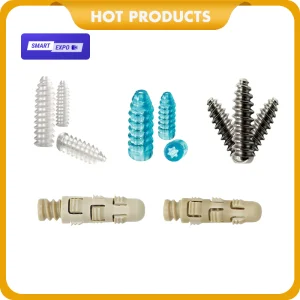
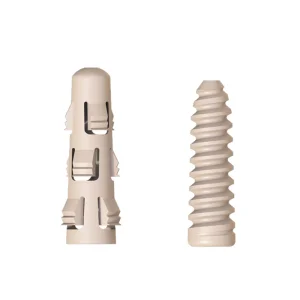
This modernization has prompted surgical teams in Namibia to demand orthopedic implants that match international benchmarks. High-quality PEEK (Polyether ether ketone) and bioabsorbable interference screws are essential to achieve stable anatomical fixation of soft-tissue or bone-tendon-bone grafts. The clinical focus is on maximizing mechanical pull-out strength, minimizing postoperative revision rates, and eliminating inflammatory bone resorption. As a result, sourcing direct from verified manufacturers with robust quality management systems has become a priority for Namibian distributors and hospital procurement boards.
Exploring the mechanical dynamics of PEEK, bioabsorbable polymers, and non-magnetic materials in critical applications.
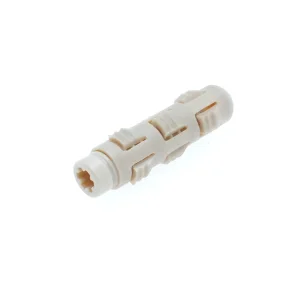
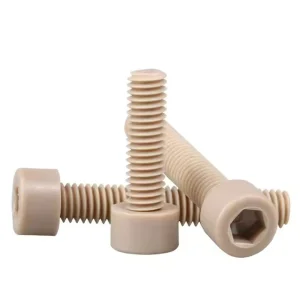
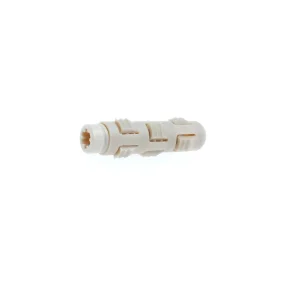
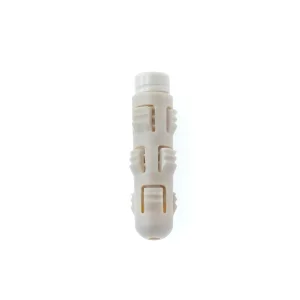
Features an elastic modulus closely matching human cortical bone. Exceptional biostability, radiolucency to prevent artifacts during CT/MRI scans, and zero tissue reaction for lifetime fixation integrity.
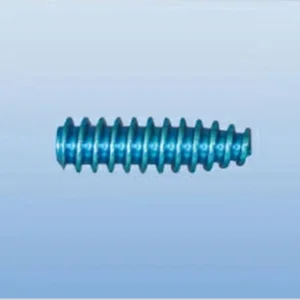
Formulated with PLLA, PLDLA, and Osteoconductive Biocomposites (Beta-TCP). Engineered degradation profiles promote progressive bone growth and eliminate the need for secondary implant removal.
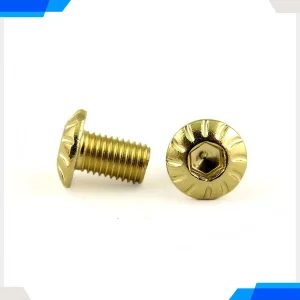
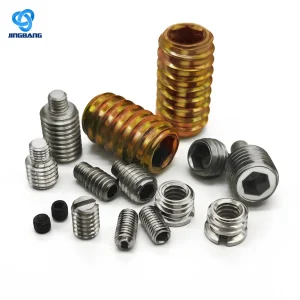
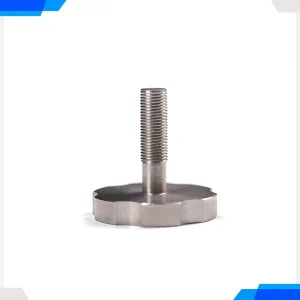
Engineered with non-magnetic 316L stainless steel and technical polymers for precision labs and MRI imaging bays. Prevents signal distortion, maintaining system calibration and imaging accuracy.
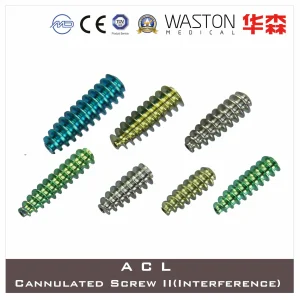
Our manufacturing protocol leverages medical-grade raw materials sourced from leading chemical firms (such as Invibio for PEEK). The thread pitch and geometry of our cannulated interference screws are designed to maximize initial fixation strength while protecting the soft-tissue graft from shear stress during insertion. By offering both round-thread and sharp-thread profiles, surgeons in Namibia can customize fixation based on patient bone quality, whether dealing with dense tibial bone or softer cancellous structures in femoral tunnels.
We are one of the most reputable manufacturers and exporters of Orthopedic Implants and Instruments. Recognized as a Star Export House certified by the Government, our commercial footprints span over 80 countries worldwide. We pride ourselves on delivering superior quality implants with highly competitive pricing structures.
Our quality management protocols comply with global standards, including ISO 9001:2015, EN ISO 13485:2016, CE Mark, and WHO: GMP Compliance guidelines. Major medical device providers and clinical procurement corporations throughout Europe and the USA regularly source from our product portfolios. Unlike many of our competitors, we do not compromise on component safety for price reductions. We believe human life is invaluable; thus, we focus on understanding your clinical demands and fulfilling your local procurement criteria in Namibia.
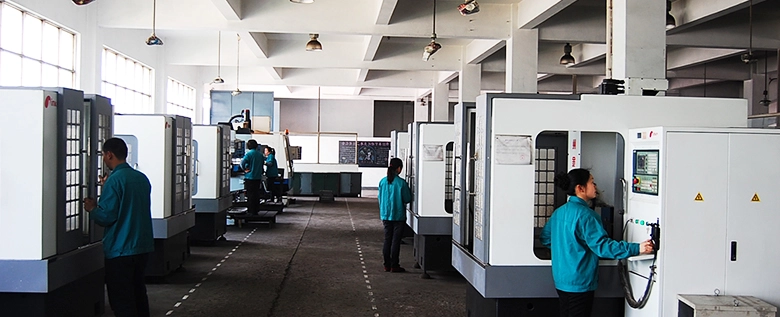
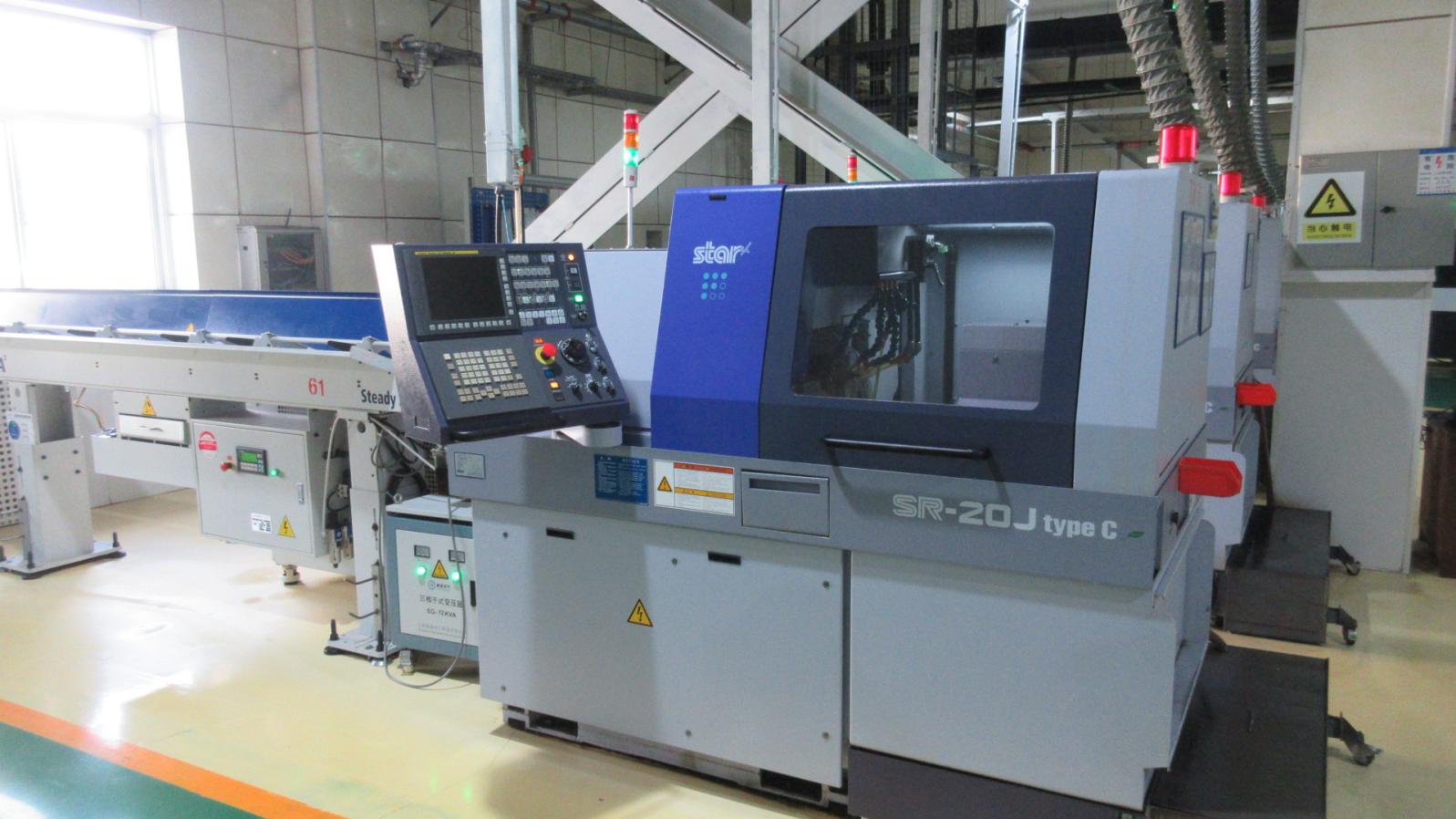
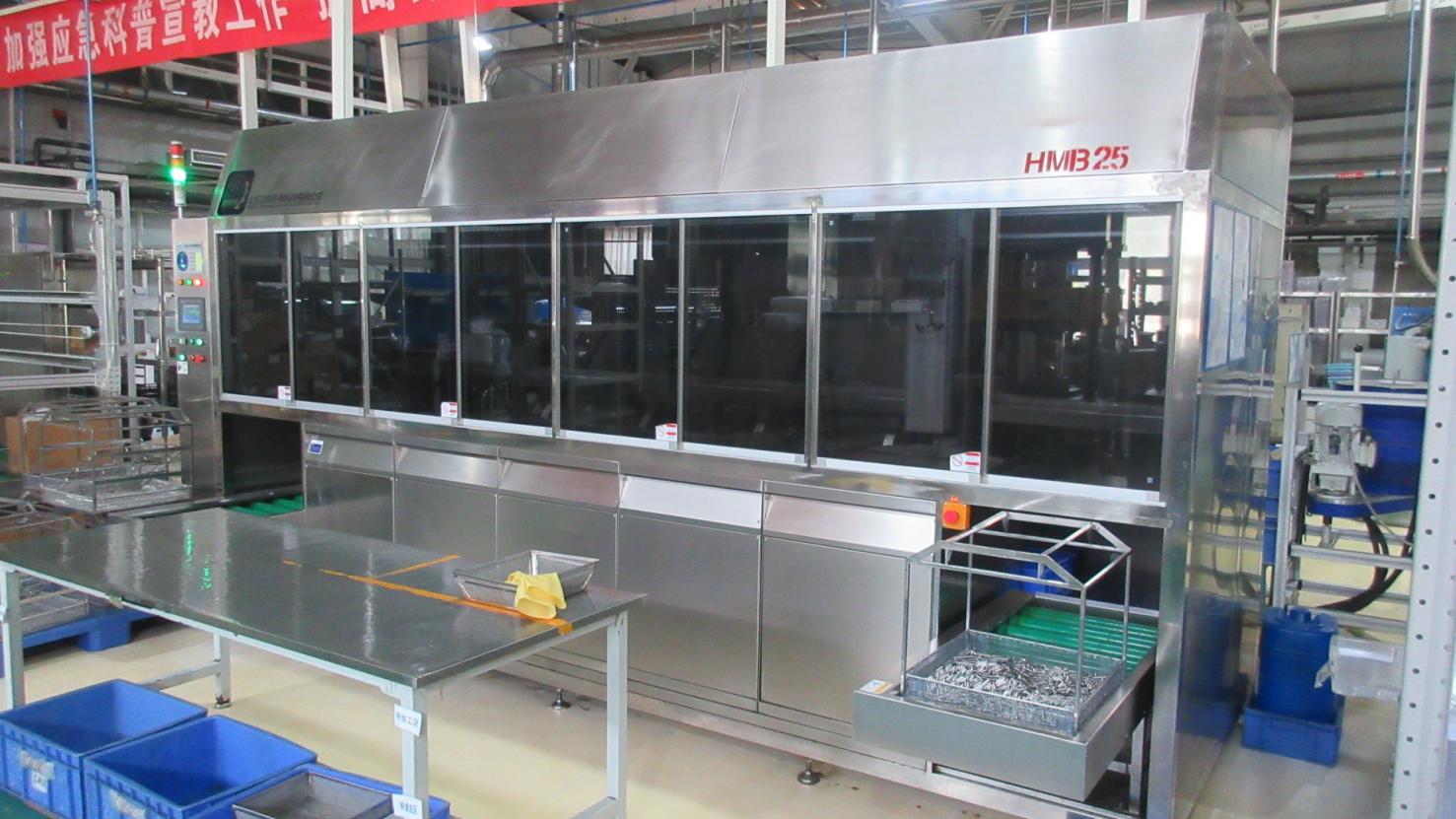
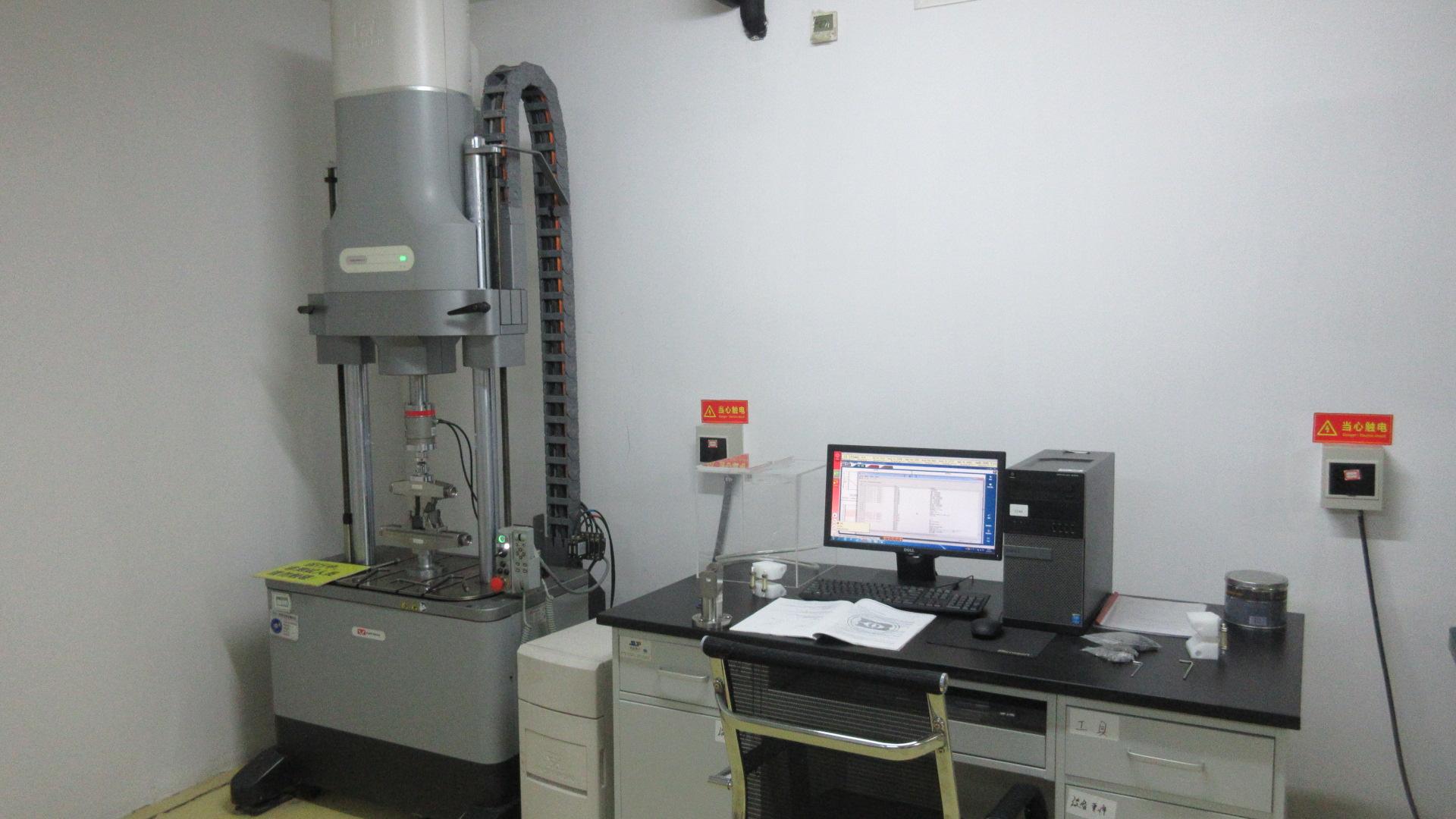
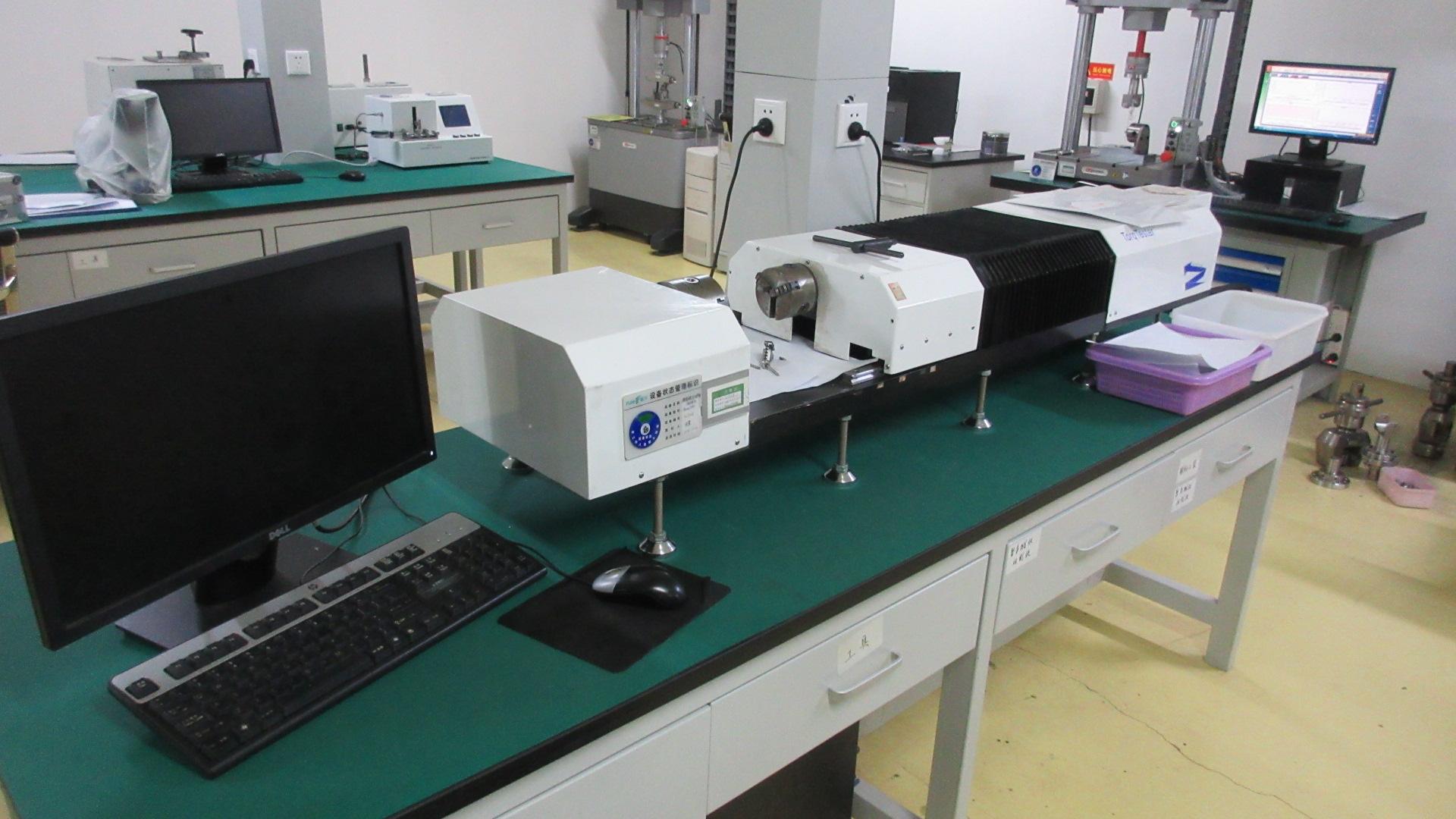
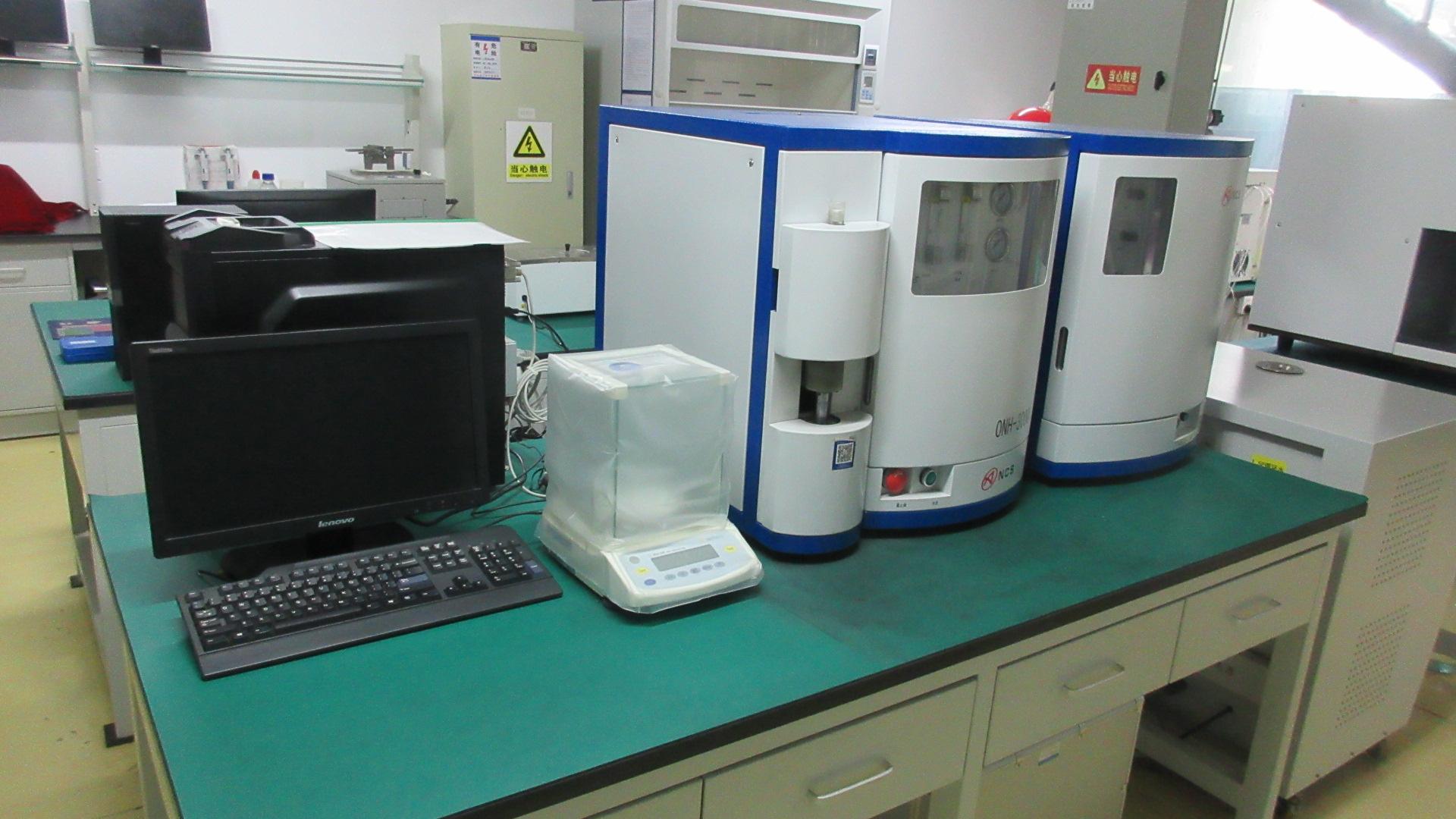
A look into our state-of-the-art laboratory testing, high-precision machining, and validation systems.
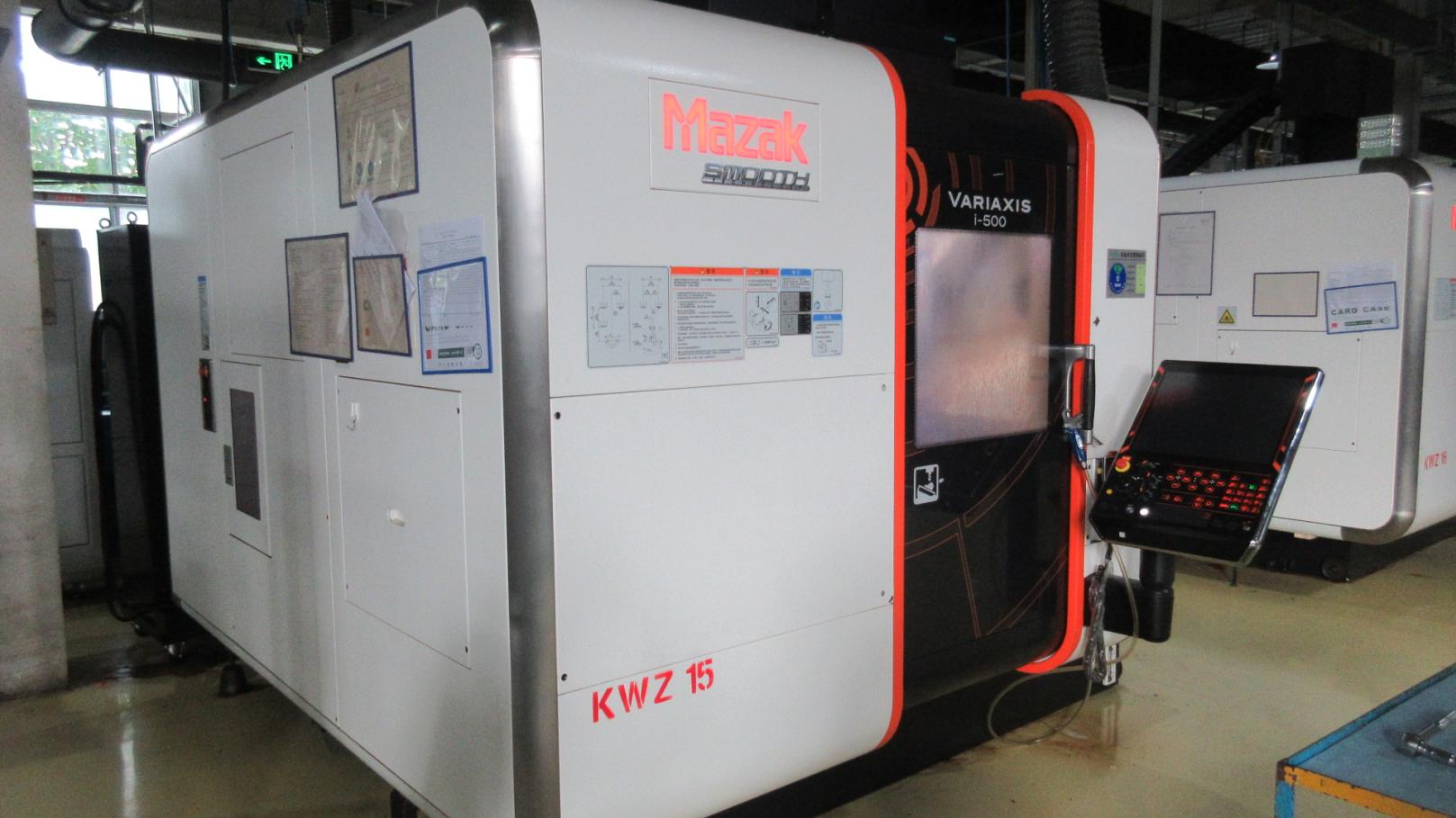
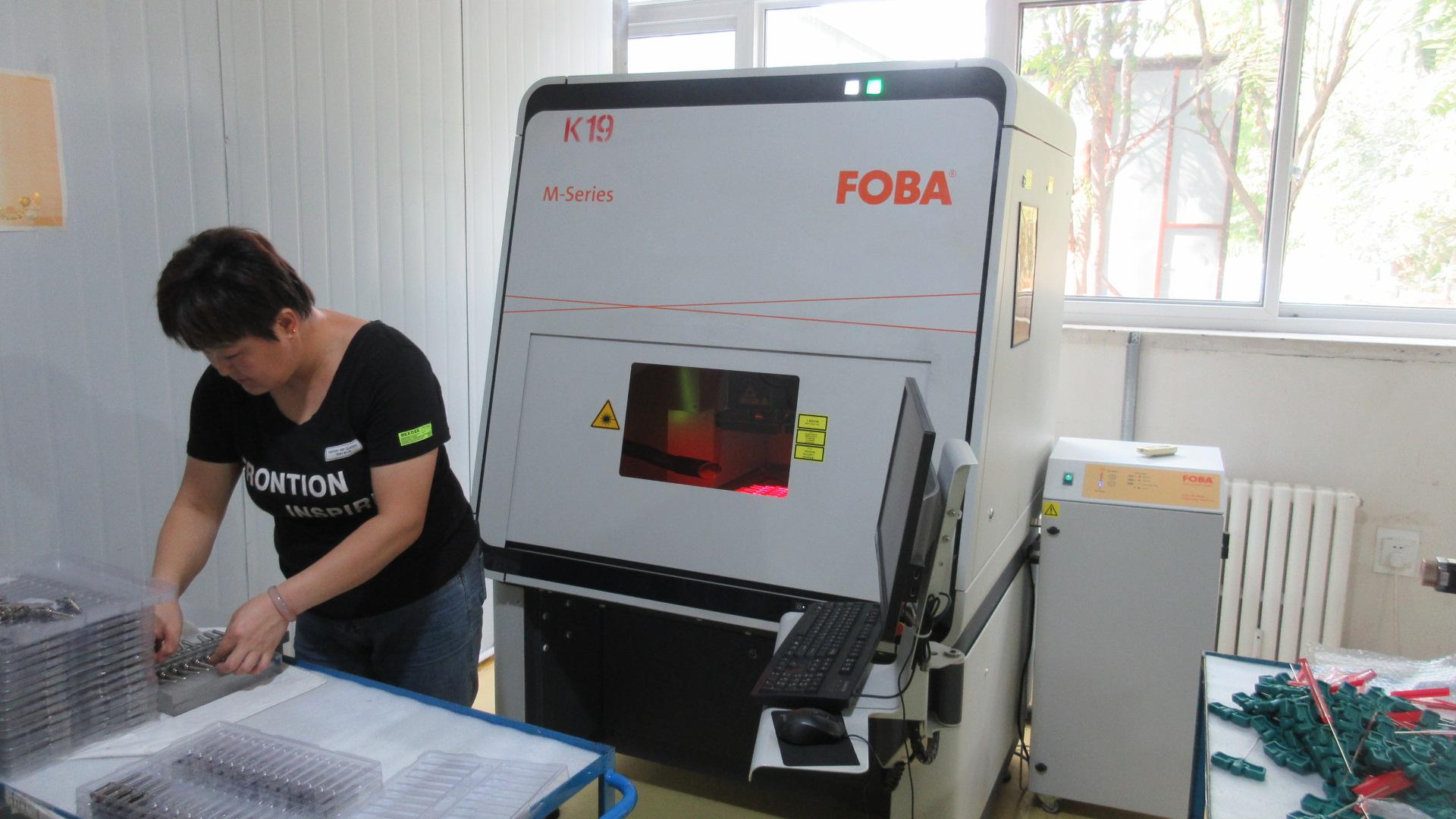
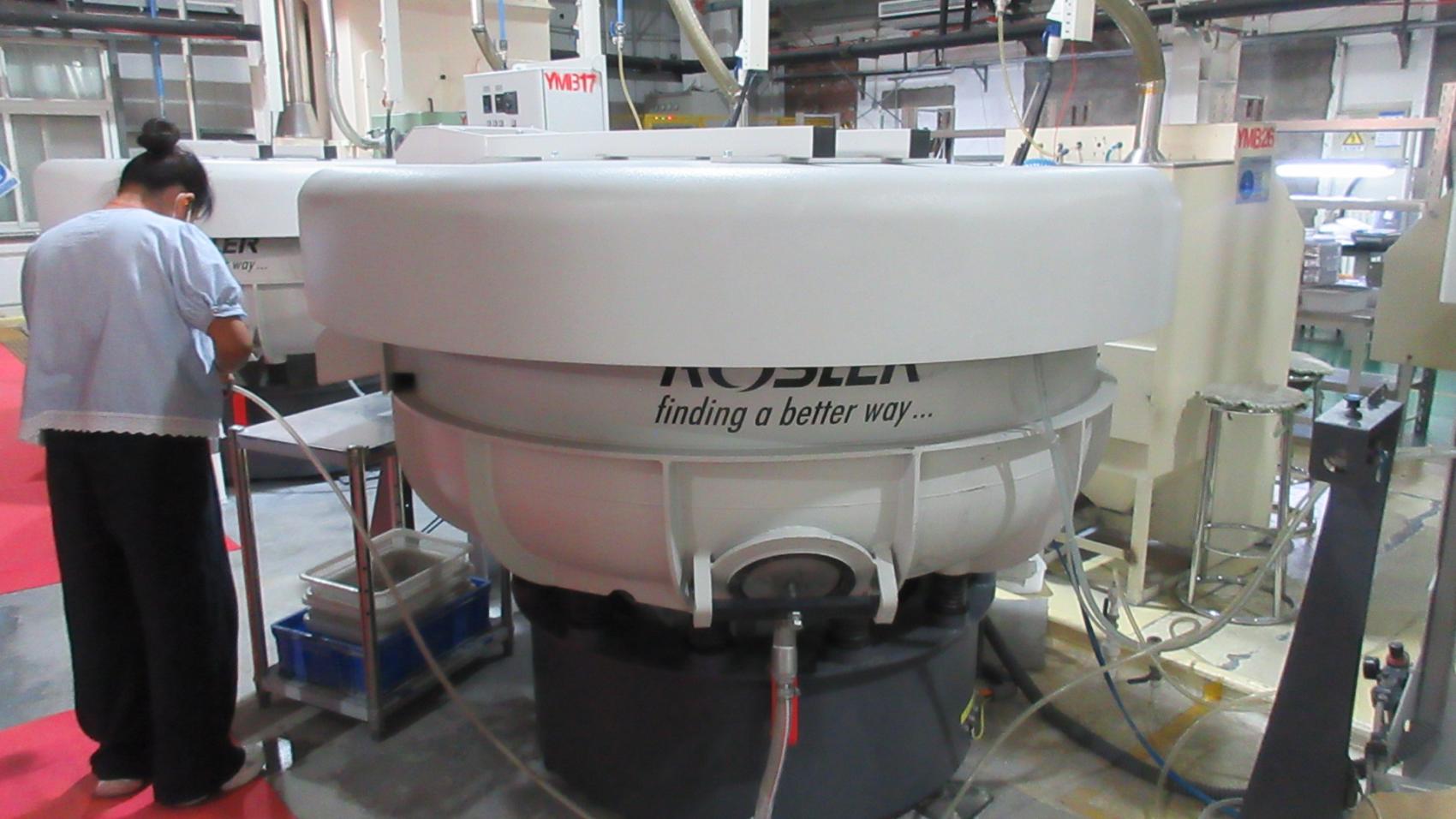
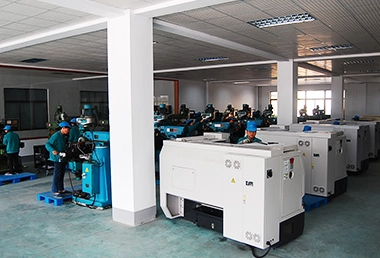
Quality Assurance starts at the raw material inspection stage. Our R&D team consists of highly qualified biomechanical engineers who analyze surgeons' feedback to optimize implant geometries. We maintain an advanced facility featuring high-speed CNC centers, laser etching, and validation systems to ensure every batch aligns with performance standards.
Ensuring consistent component delivery, regulatory compliance, and localized medical distribution channels.
For medical facilities in Windhoek, Walvis Bay, and other regional centers in Namibia, supply chain delays can impact surgical schedules. Our manufacturing ecosystem offers direct logistical routes to the Southern African region, utilizing air freight connections straight to Hosea Kutako International Airport.
Implants are packaged within ISO Class 7 cleanrooms using dual-barrier sterile pouching, preserving integrity during long-distance transit to Namibia's coastal and desert climates.
We provide full regulatory files, CE certificates, and declarations of conformity required for registration with the Namibia Medicines Regulatory Council (NMRC).
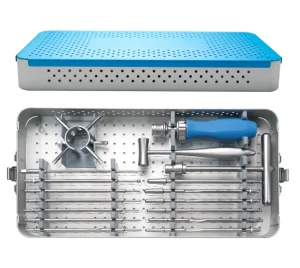
Custom sizing and branding options for large Namibian distributors, including custom surgical instrumentation kits configured to local orthopedic preferences.
Explore our full selection of surgical implants, instrumentation kits, and non-magnetic laboratory components.
Direct and technical answers regarding material features, order fulfillment, and delivery parameters to Namibia.
 Voila Orthopedic Implants