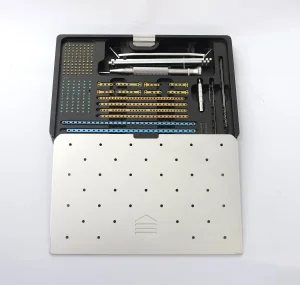
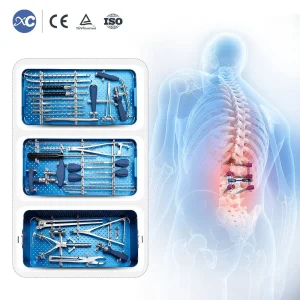
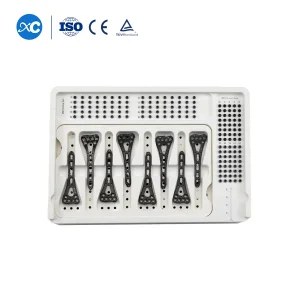
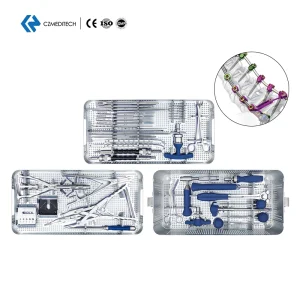
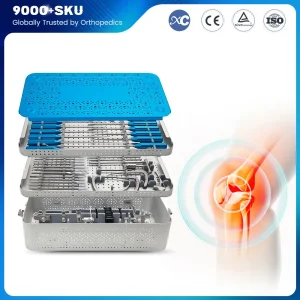
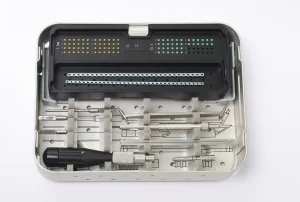
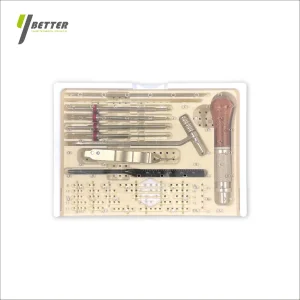
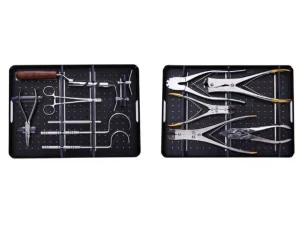
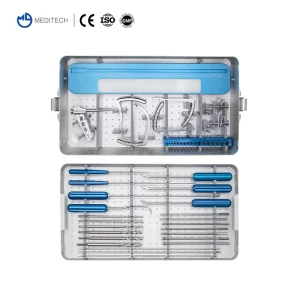
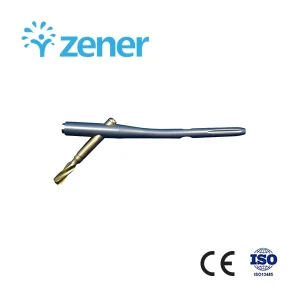
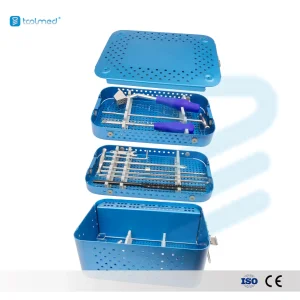
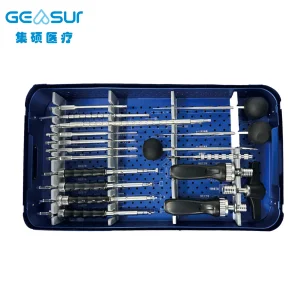
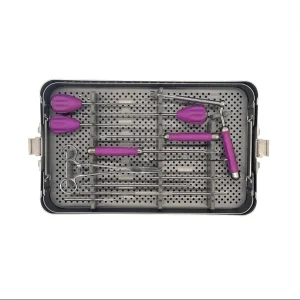
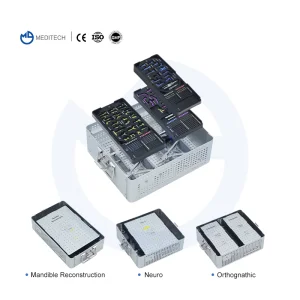
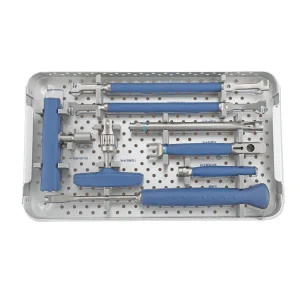
Nepal's unique geographical terrain and rapid urbanization have led to a high incidence of orthopedic and trauma cases. From high-altitude trekking injuries in the Himalayas to road traffic accidents along the highways linking Kathmandu, Pokhara, and Lalitpur, the clinical demand for immediate, reliable internal fixation systems has escalated dramatically. Because local manufacturing of class-III medical devices remains highly limited in the region, Nepalese healthcare institutions rely heavily on trusted international exporters who can supply ISO-compliant and CE-marked orthopedic implants and instrument sets.
For top-tier medical institutions like the National Trauma Center in Kathmandu, Tribhuvan University Teaching Hospital (TUTH), and various regional referral hospitals, compromising on instrument precision is out of the question. Quality instruments translate directly to reduced surgical fatigue, minimized patient anesthesia times, and significantly lower revision surgery rates—issues that are economically vital in South Asian healthcare infrastructures.
"We do not compromise on quality in exchange for a cheaper price. We believe human life is invaluable." This core tenet underpins every instrumentation kit shipped to Kathmandu, Birgunj, and beyond.
As orthopedic surgeons in Nepal adopt minimally invasive surgeries (MIS) and complex joint and spinal reconstructions, the requirement for dedicated, specialized instrumentation has become a primary bottleneck. The trend is moving rapidly from generalized bone surgery sets to highly specialized, modular systems that enable precise, repeatable biomechanical placement.
Transitioning from dynamic compression plates to locking plate configurations. Specialized 1.6mm/2.4mm/3.2mm locking screw instruments offer superior angular stability in osteoporotic bone structures frequently seen in geriatric populations in South Asia.
With the increase of complex spinal surgeries for degenerative diseases and spine fractures, our 5.5/6.0mm pedicle screw sets provide the exact torque limits and distraction devices needed to achieve coronal and sagittal balance safely.
Sports-medicine and arthroscopy systems are advancing rapidly. Nepalese centers are demanding reliable guide wires, drill bits, tibial/femoral templates, and graft-preparation stations to execute precise ligament reconstructions.
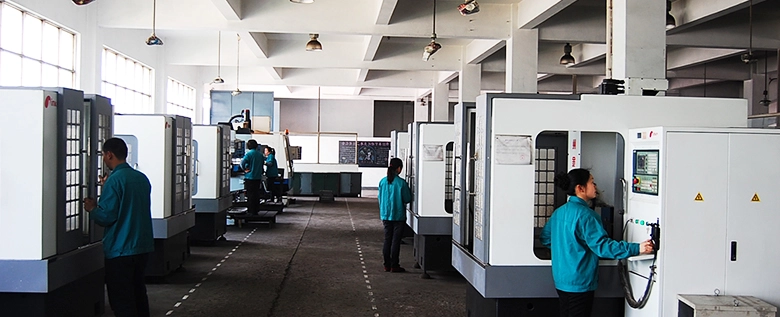
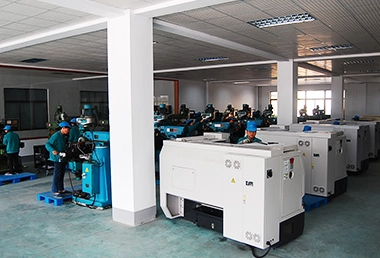
The foundation of medical-grade surgical instruments relies completely on rigorous processing, meticulous engineering, and cutting-edge material science. By leveraging smart manufacturing workflows, our automated lines optimize metallurgy to ensure safety and precision. We implement comprehensive testing starting right from raw-material validation to the final instrument verification.
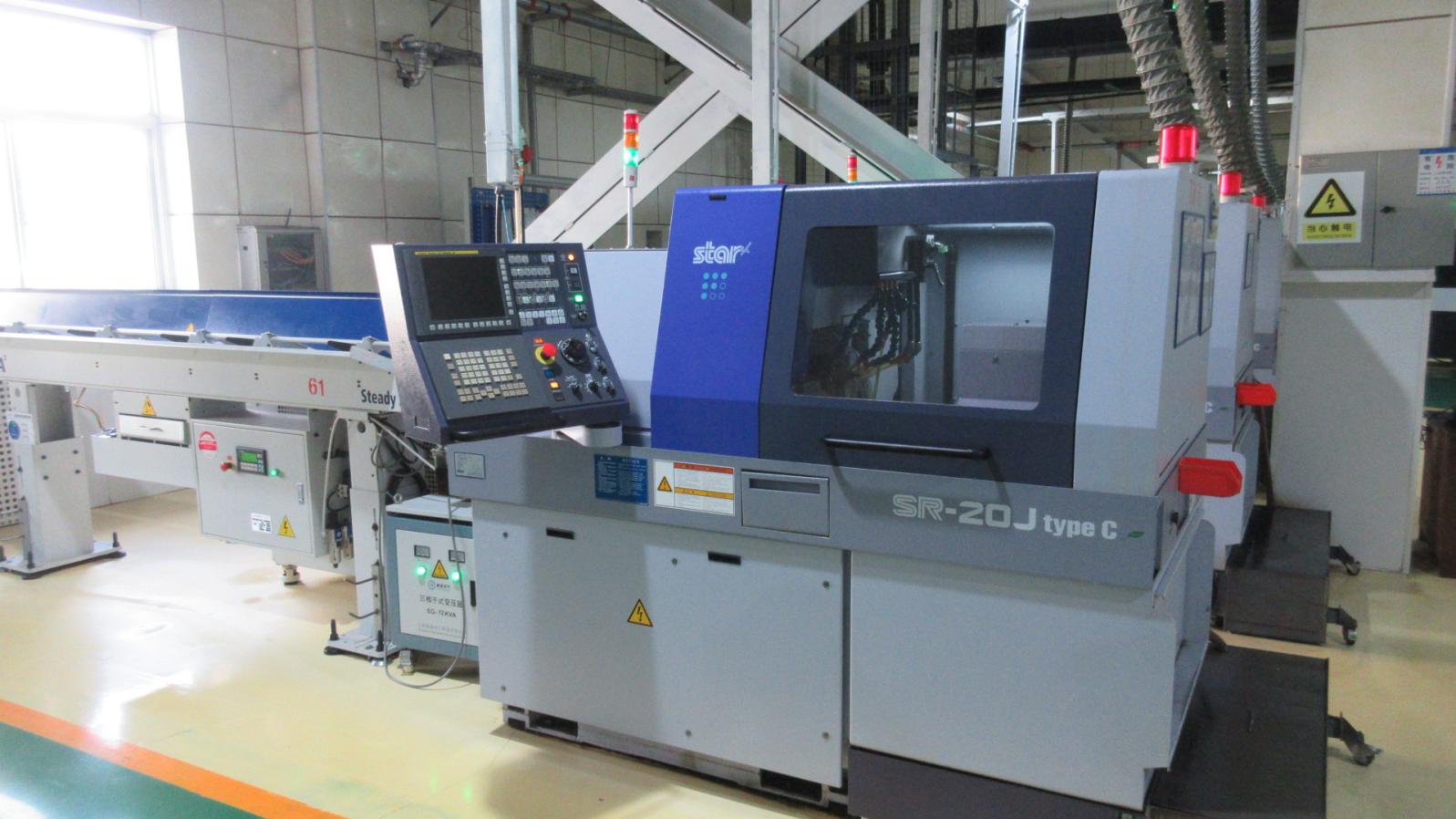
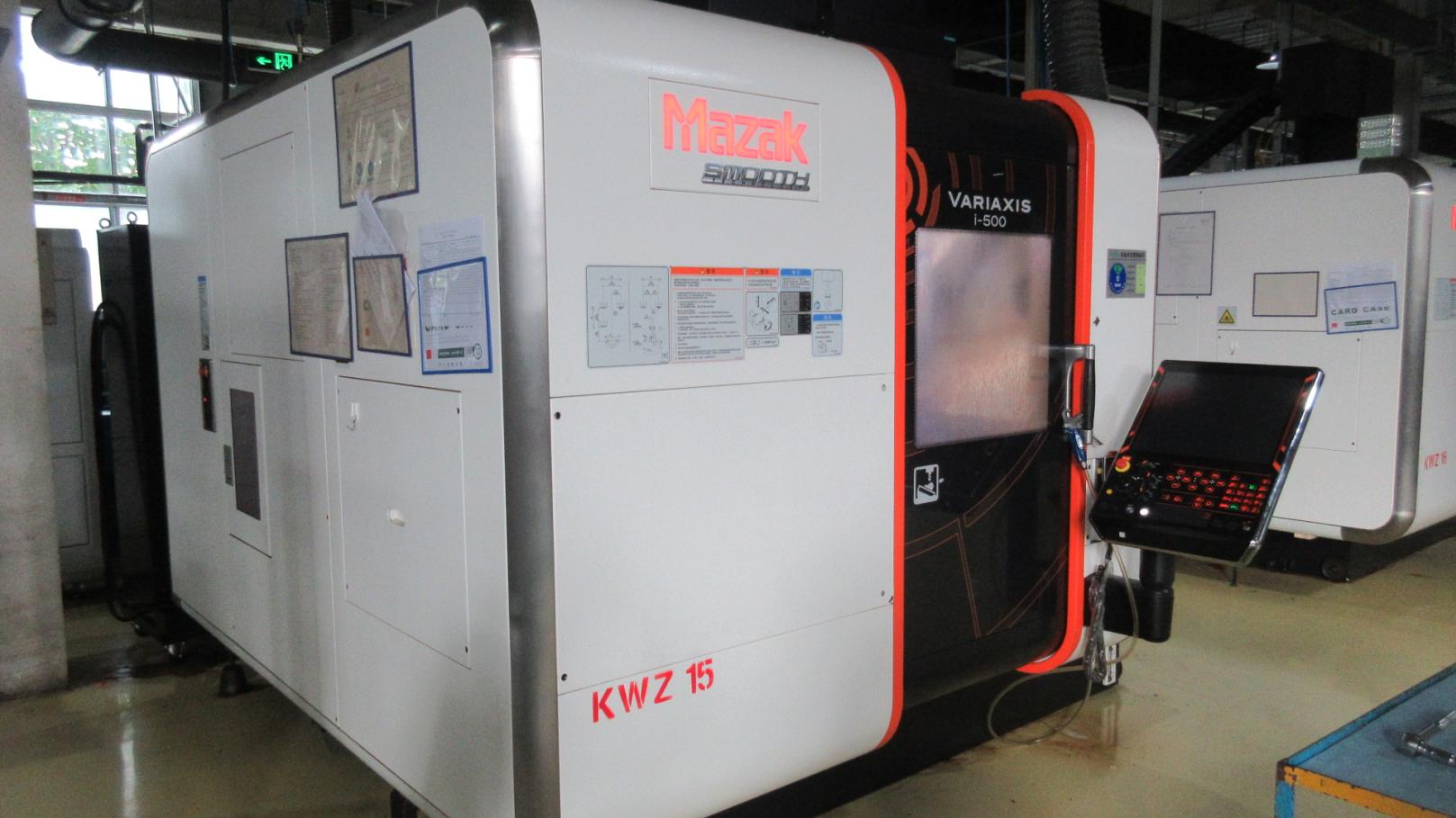
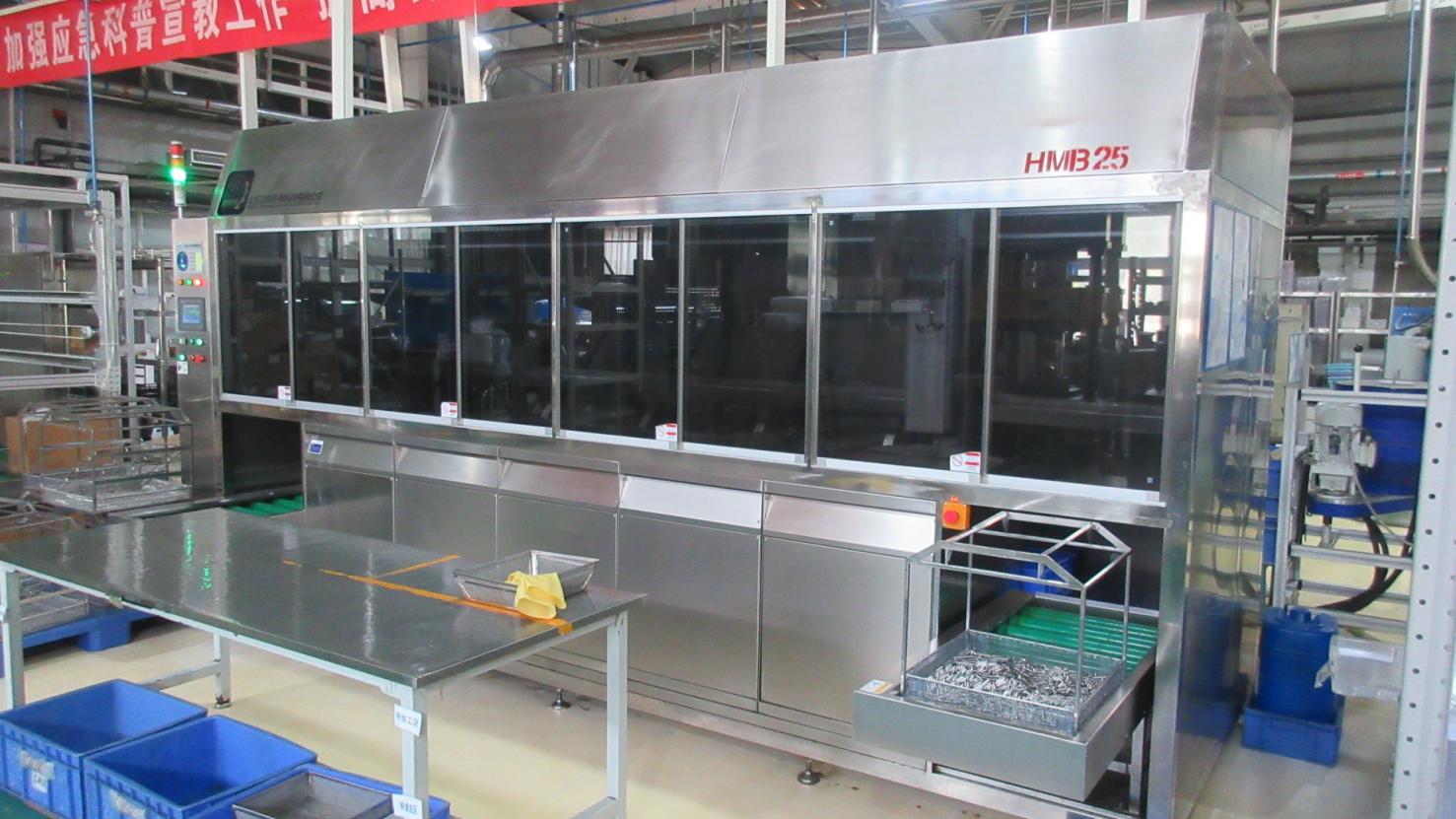
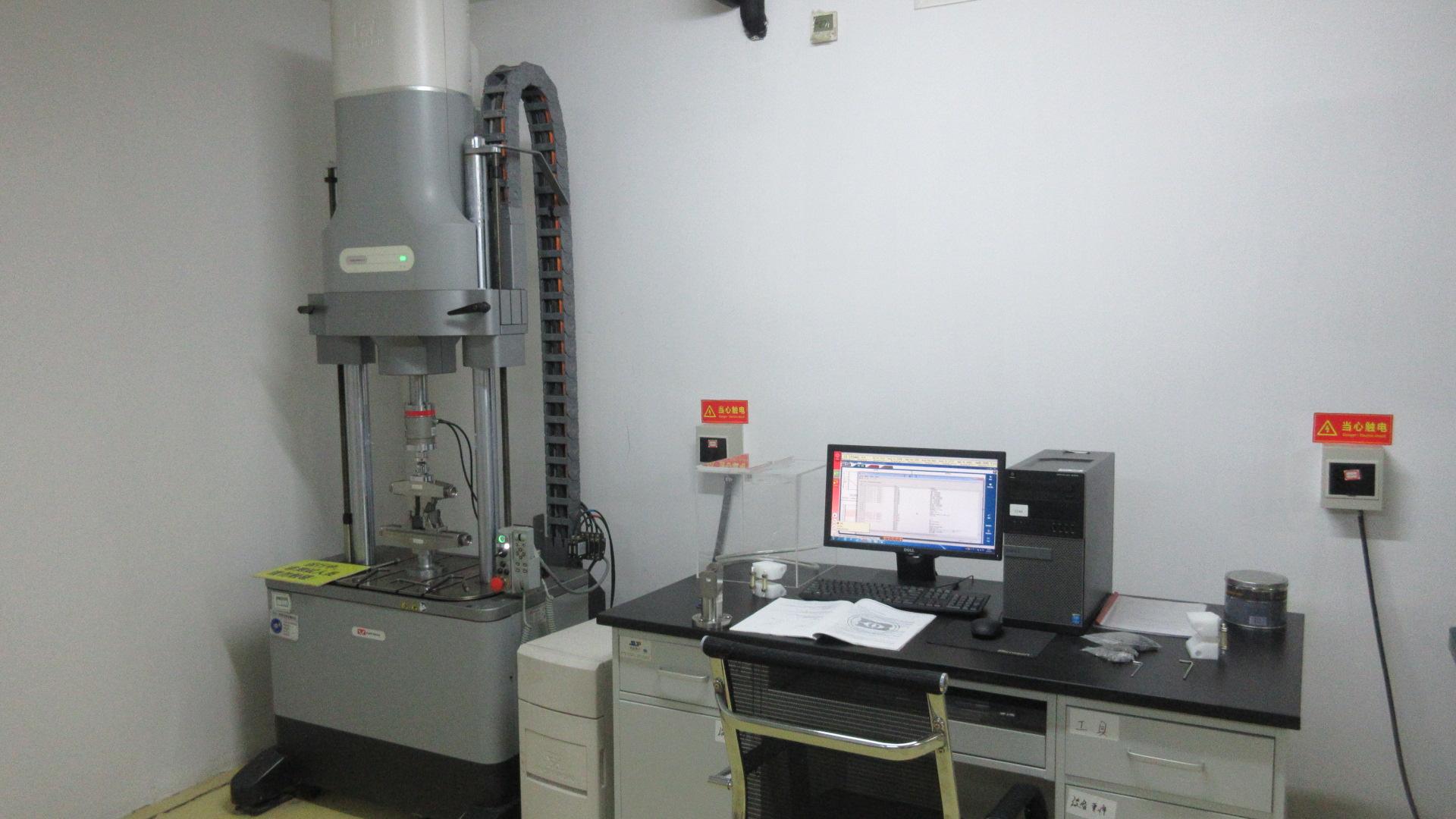
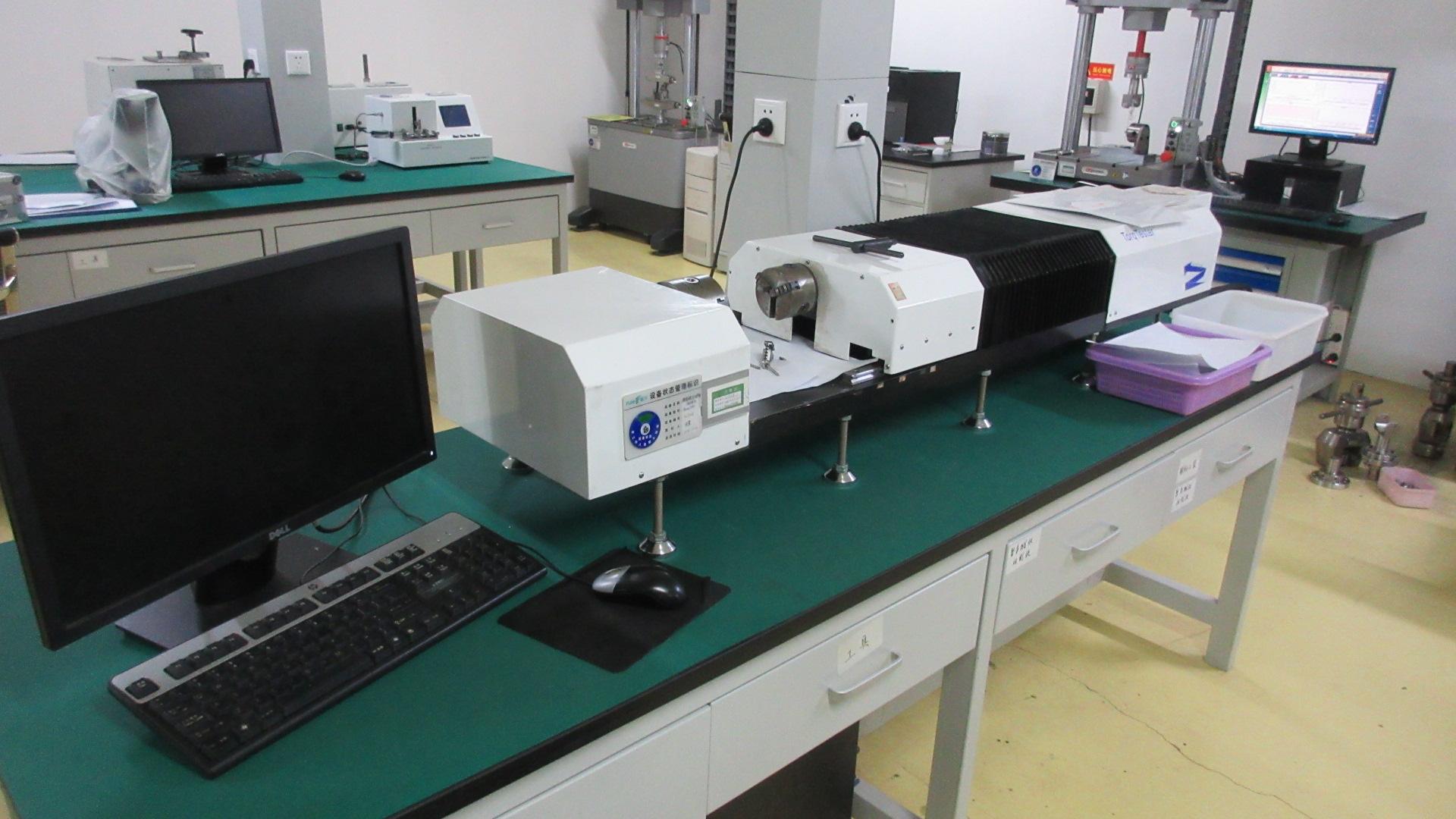
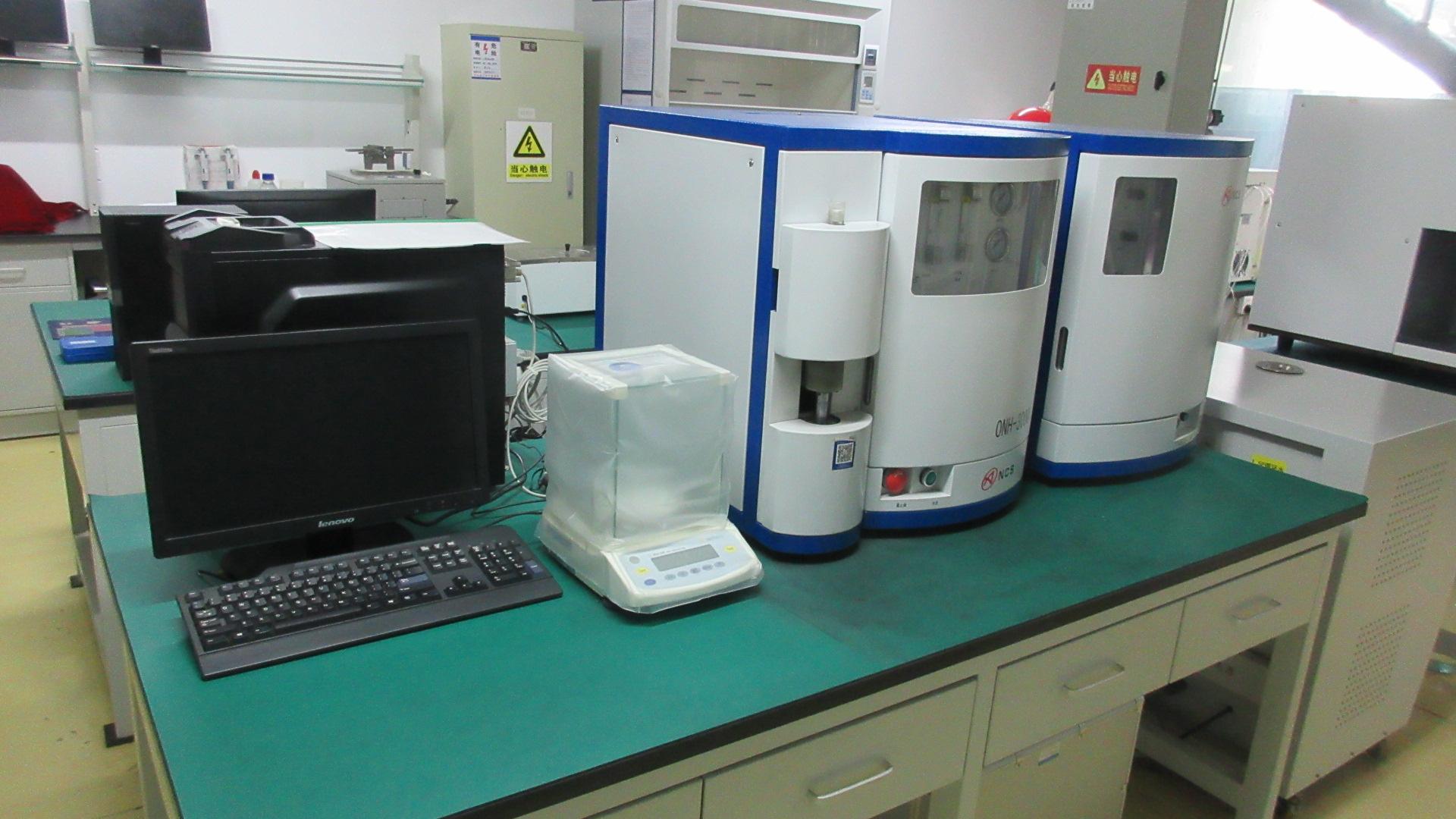
Our Quality Control starts right at the raw material phase. We import and process premium titanium alloy (Ti-6Al-4V ELI) and implant-grade stainless steel (316LVM) to guarantee high tensile strength, supreme corrosion resistance, and superb biocompatibility. In our advanced R&D lab, qualified biomedical engineers routinely subject batches to fatigue and torsion tests. This prevents breakage during high-torque bone fixation, giving Nepalese surgeons peace of mind during highly demanding procedures.
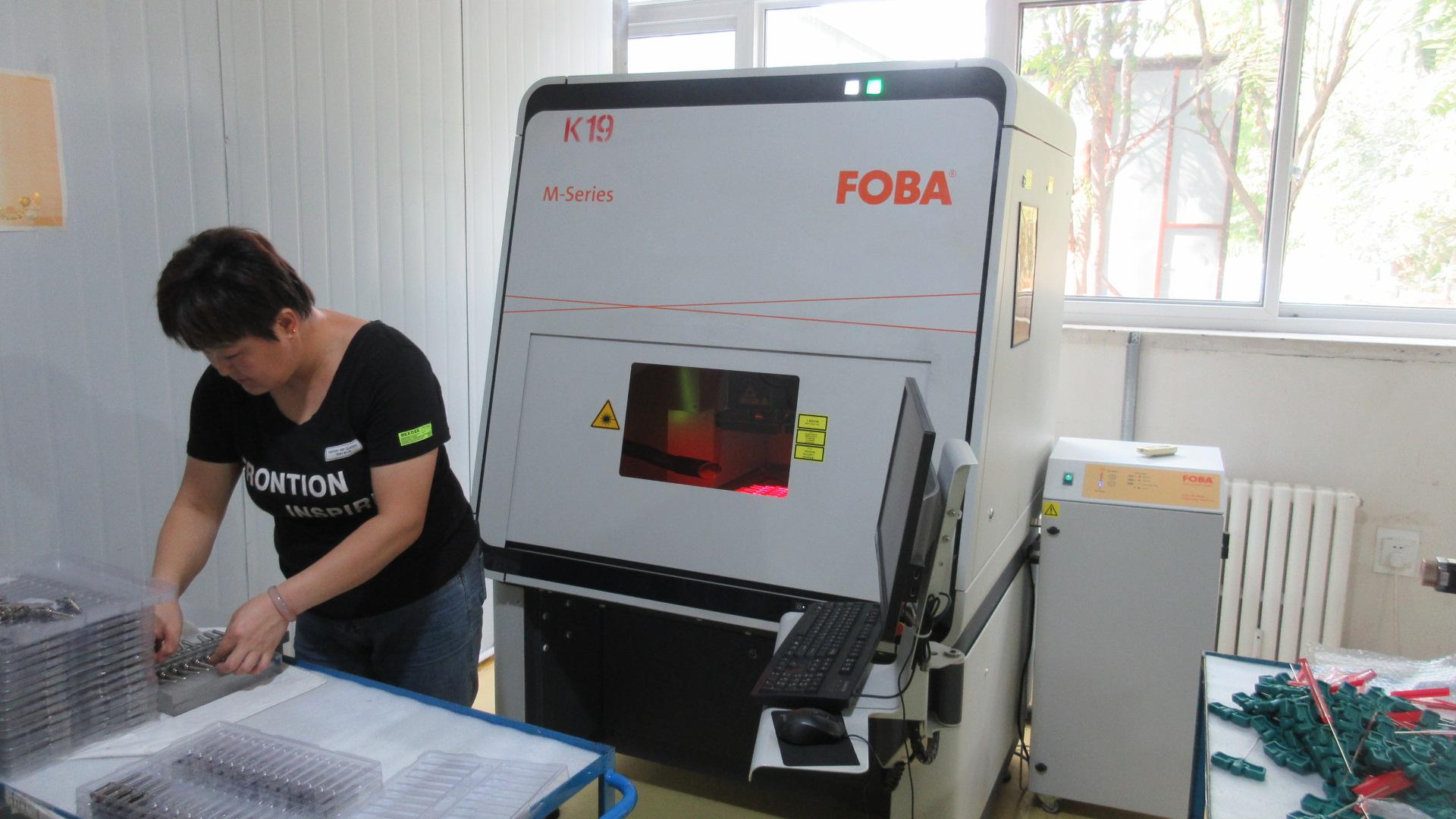
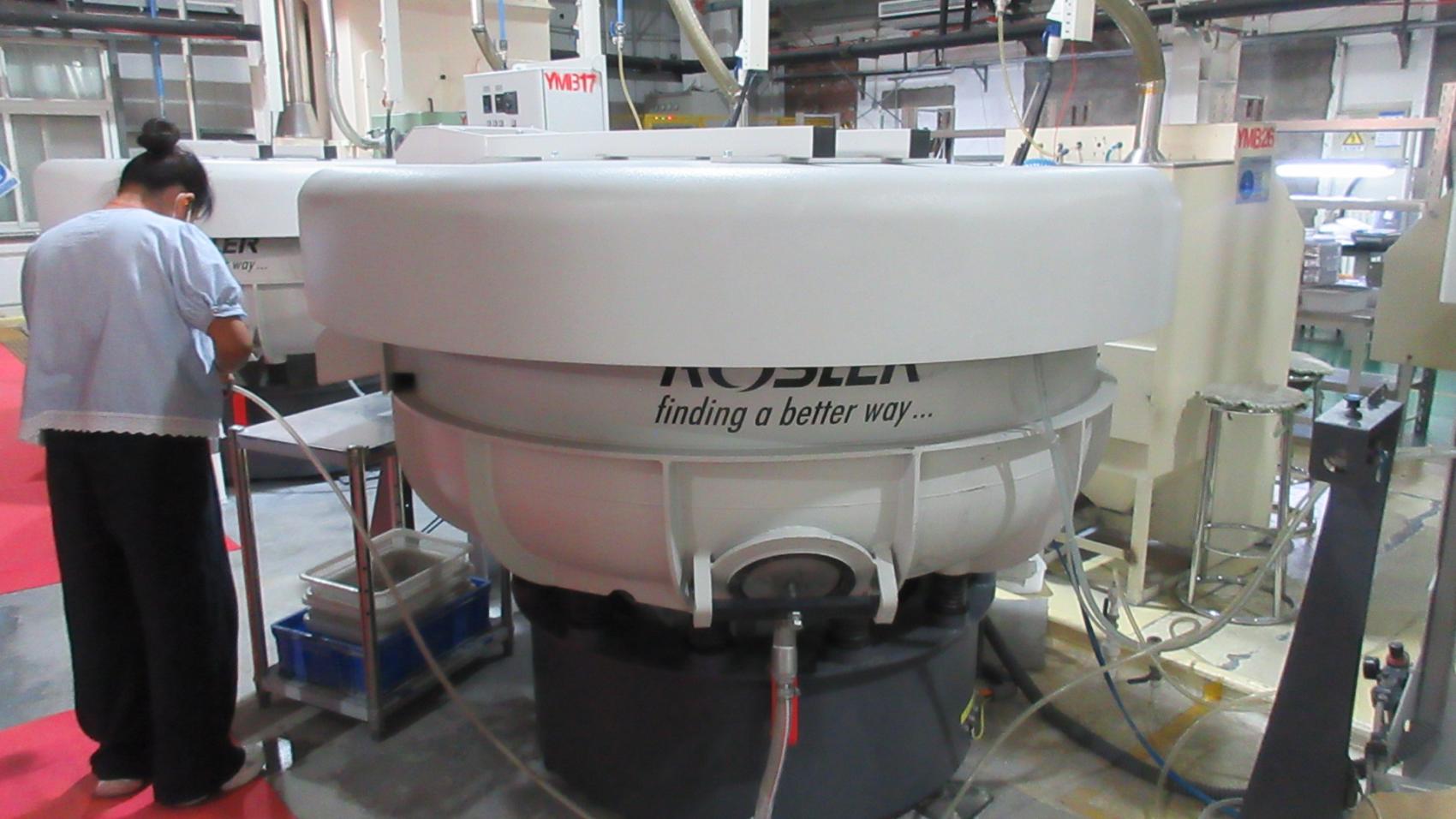
Furthermore, each instrument is polished and goes through high-frequency ultrasonic clearing to remove any microscopic residues before sterilization. The size, batch number, and reference markings are permanently inscribed utilizing ultra-precise laser engraving, ensuring comprehensive clinical traceability throughout the lifecycle of the instrument kit.
To support this high standard, we provide original factory views showing our manufacturing scale and specialized testing facilities:
Importing orthopedic medical devices into Nepal involves navigating specific regulatory processes and logistic challenges. All orthopedic implants and instruments must be approved and registered with the Department of Drug Administration (DDA) under the Ministry of Health and Population. Our dedicated export division is highly experienced in preparing the requisite dossier packages—including Certificates of Analysis, ISO 13485:2016 certifications, CE certificates, and free-sale declarations—to streamline the DDA registration process for local agents.
Regarding transit logistics, we offer tailored shipment pathways to minimize lead times for public and private healthcare procurement tenders:
As a recognized Star Export House certified by the government, we have exported to more than 80 countries worldwide. Many reputable medical device companies in Europe and the USA regularly source from us, recognizing that our manufacturing facilities meet their demanding domestic standards.
To ensure the longevity of high-precision stainless steel and titanium instrument sets in Nepal's diverse clinical environments, hospitals must adhere to strict reprocessing protocols. Our technical team recommends the following clinical guidelines:
Clean instruments immediately after surgery using pH-neutral detergents. Avoid chlorine-based cleaning solutions, which trigger pitting corrosion on surgical-grade stainless steel.
Run a cycle in an ultrasonic bath for 10-15 minutes to reach internal pathways of hollow instruments like cannulated drills, guide wires, and screw-sleeves.
Use steam sterilization at 134°C for at least 4 minutes (or 121°C for 20 minutes) with a drying cycle to prevent post-autoclave oxidation.
Whether you represent a private orthopedic hospital group in Lalitpur, a regional distributor in Pokhara, or a government health procurement agency in Kathmandu, we offer the technical expertise and manufacturing capacity to support your surgical needs.
Send Inquiry Now Voila Orthopedic Implants