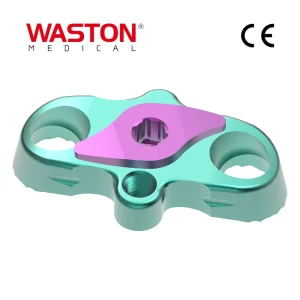
High-performance implants and sterile instrumentation systems designed for precision posterior fixation and stability.
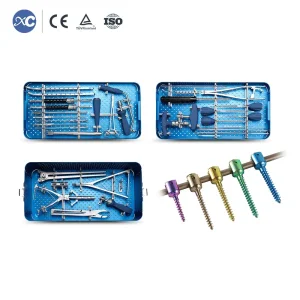
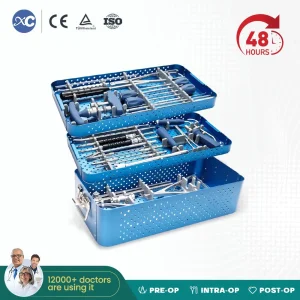
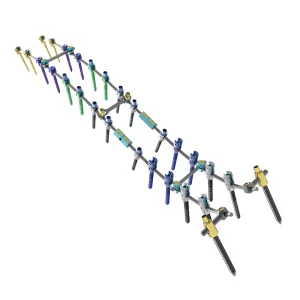
Kiribati, comprising 32 atolls and one raised coral island across 3.5 million square kilometers of the Pacific Ocean, faces unique geographical challenges in providing advanced surgical care. Infrastructure constraints at clinical hubs such as Tungaru Central Hospital (TCH) in Tarawa require orthopedic and spine implants that deliver extreme reliability without complex maintenance overheads.
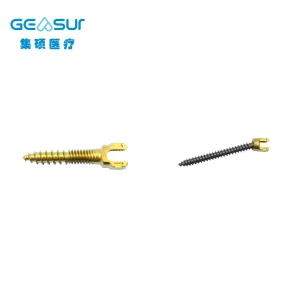
Our pedicle screw systems address the specific pain points of remote island medicine: high humidity, salt-spray exposure during transit, and limited on-site autoclave capacity. By providing robust packaging, exceptional corrosion resistance (via anodized biomedical titanium and high-strength Cobalt-Chromium alloys), and comprehensive single-use instrumentation kits, we ensure that spinal surgical teams visiting or operating in Kiribati can perform posterior lumbar fusion, scoliosis correction, and trauma stabilization with absolute confidence.
Every shipment destined for Kiribati undergoes specialized tropicalized barrier packaging, ensuring sterility and protecting precision threading from micro-saline corrosion during oceanic transport.
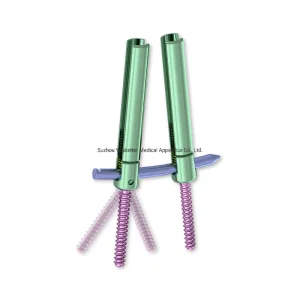
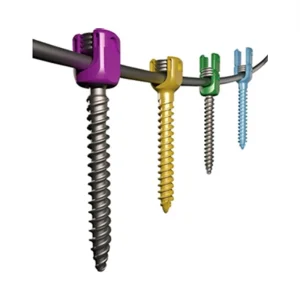
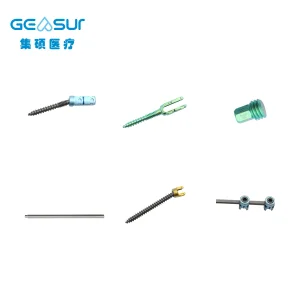
Optimized configurations including polyaxial designs, self-breaking plugs, and specialized bone graft integration cages.
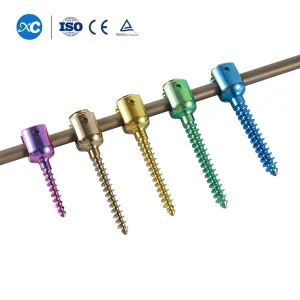
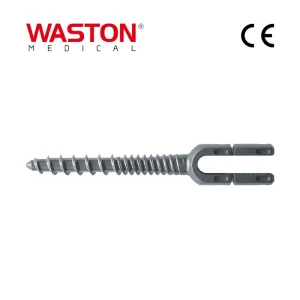
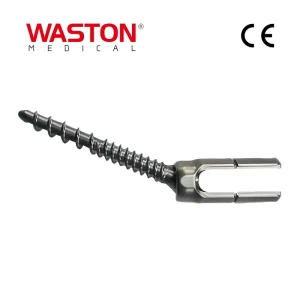
The spinal fixation paradigm is transitioning rapidly toward minimally invasive systems (MIS) and advanced surface treatments.
Cannulated polyaxial screw designs and percutaneous rod insertion techniques minimize soft tissue trauma, reduce intraoperative blood loss, and facilitate faster recovery times for patients—vital in healthcare regions with limited post-operative resources.
Modern constructs merge the high flexibility of titanium rods with the extreme stiffness of Cobalt-Chromium (CoCr) alloys to balance sagittal alignment correction with optimal load sharing, eliminating screw pull-out risks.
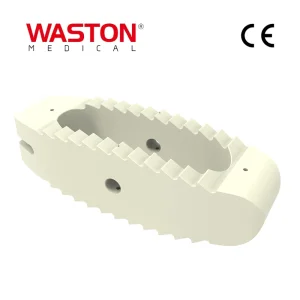
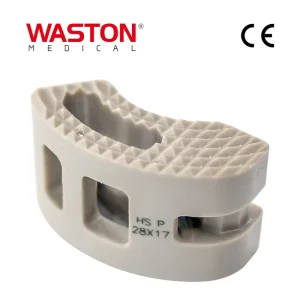
Combining pedicle fixation with interbody fusion systems (such as our O-Max Cage System) featuring rough titanium-alloy surfaces encourages rapid osteointegration directly onto the implant interface.
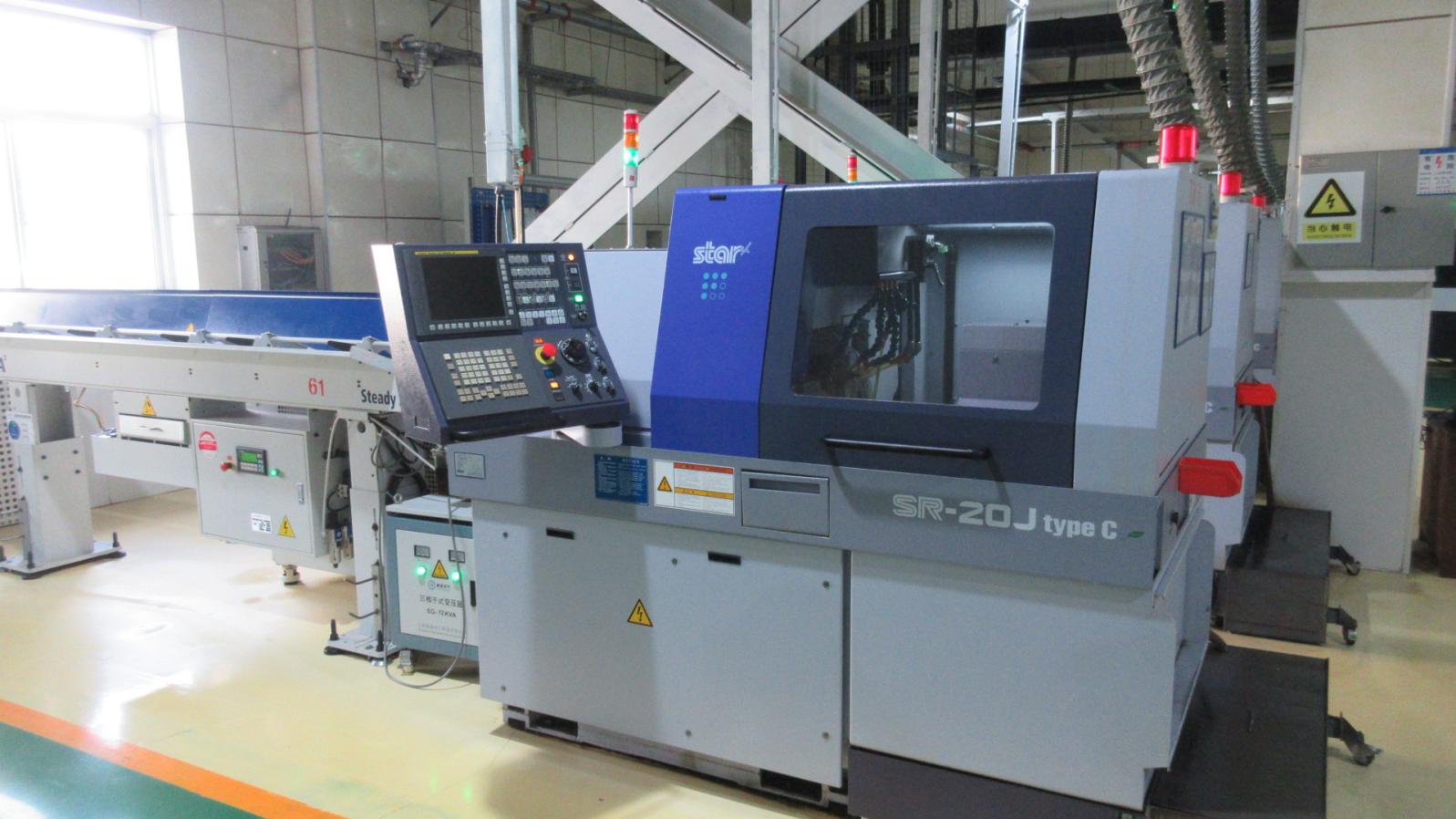
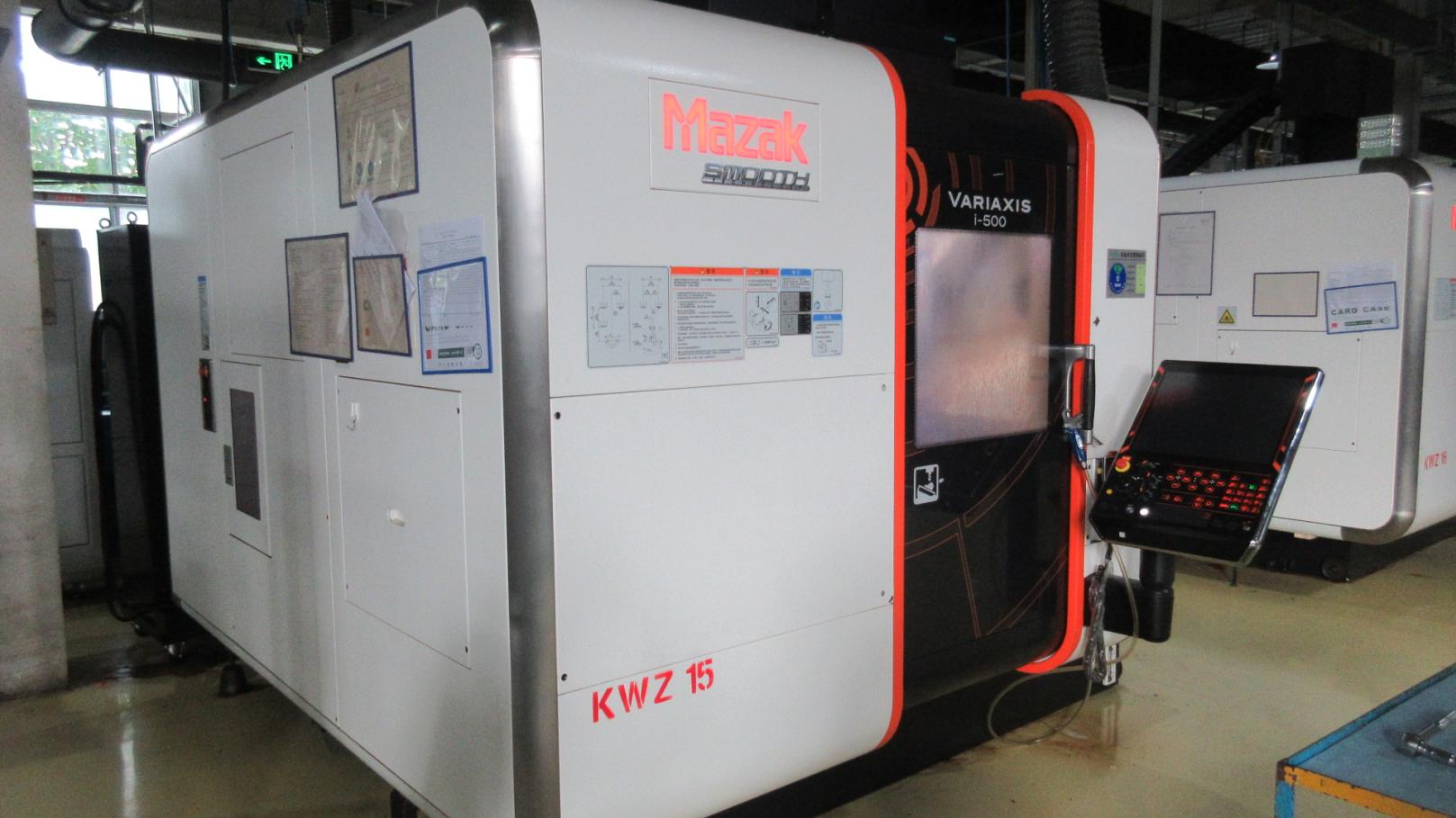
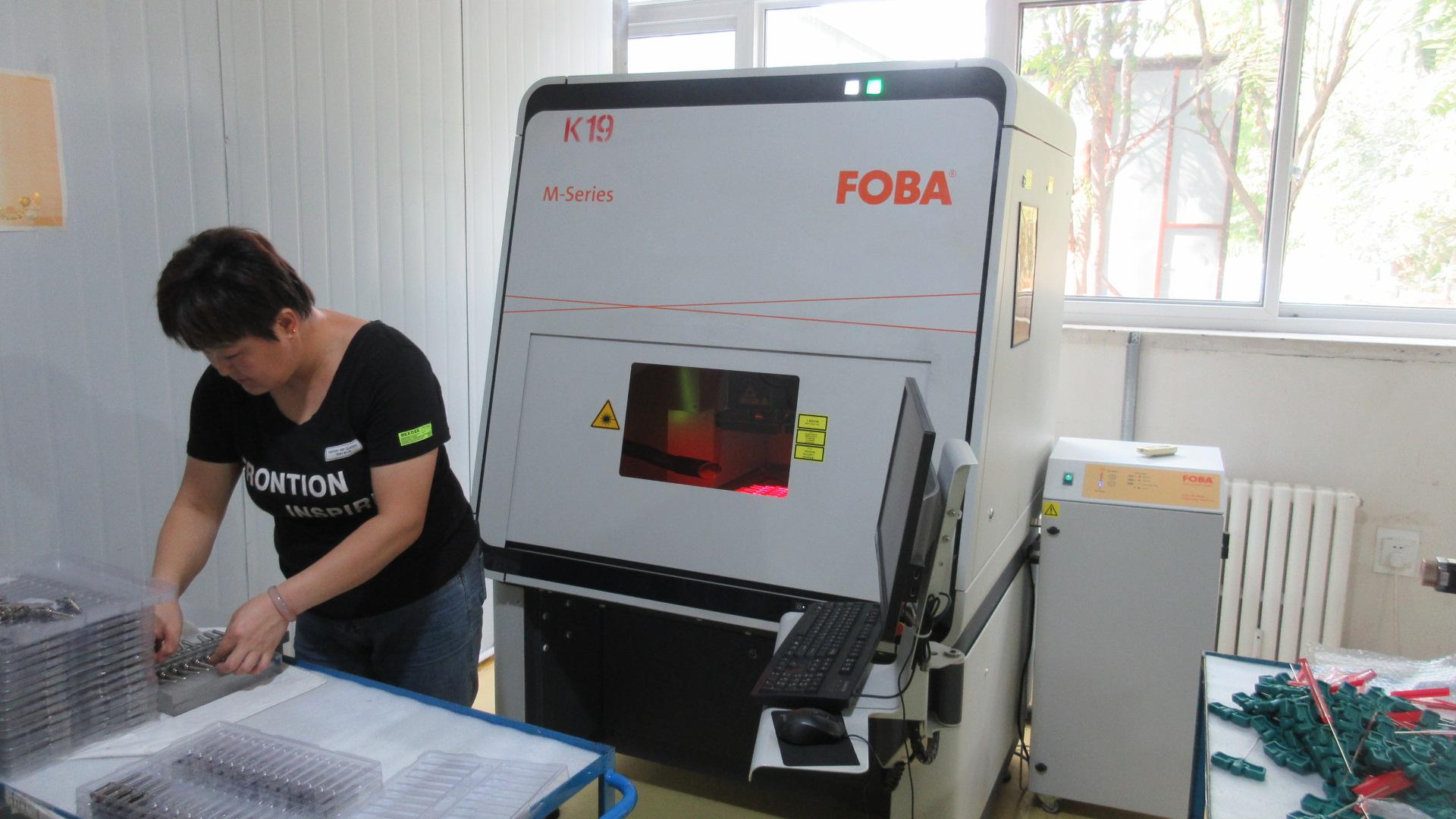
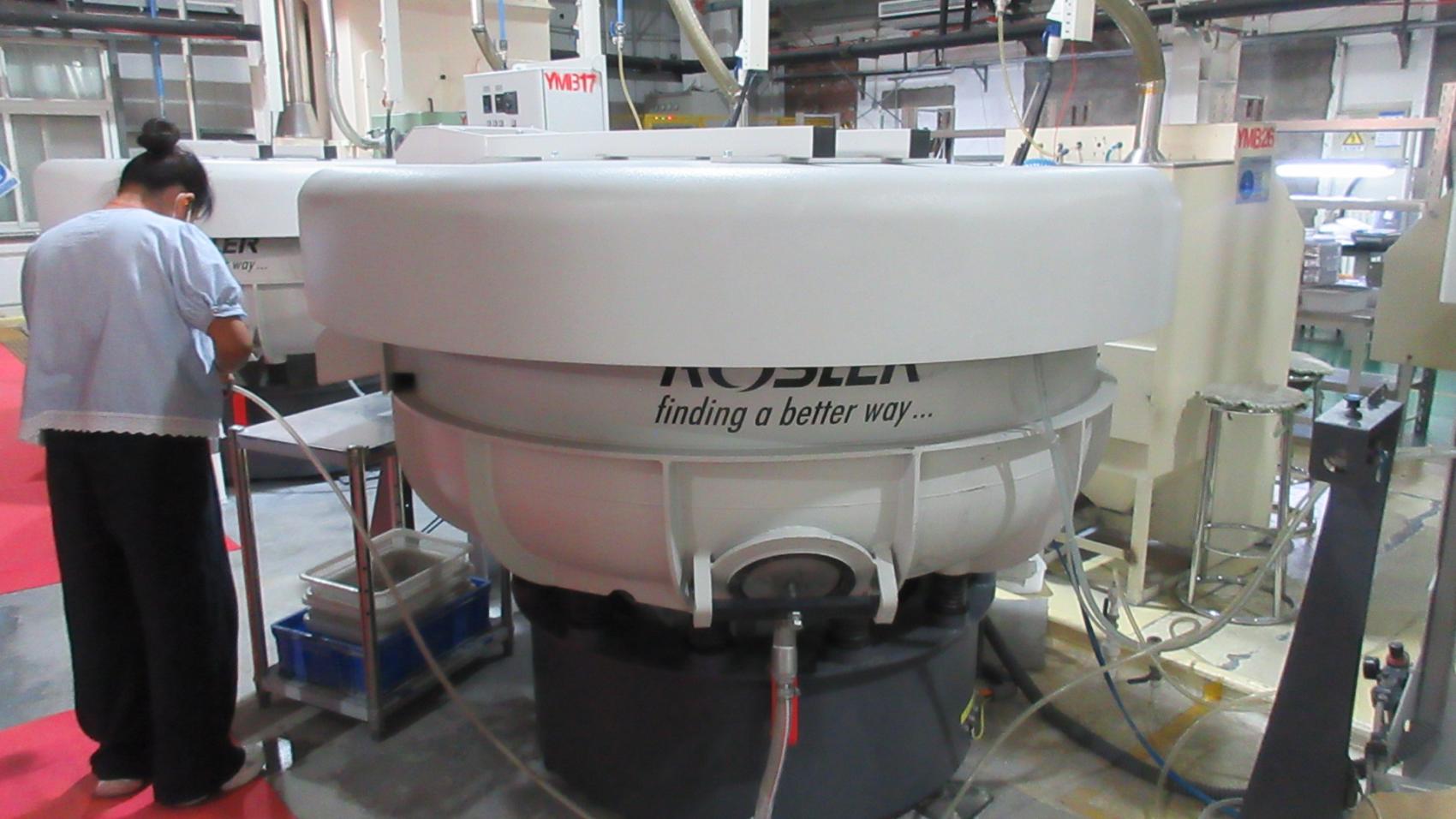
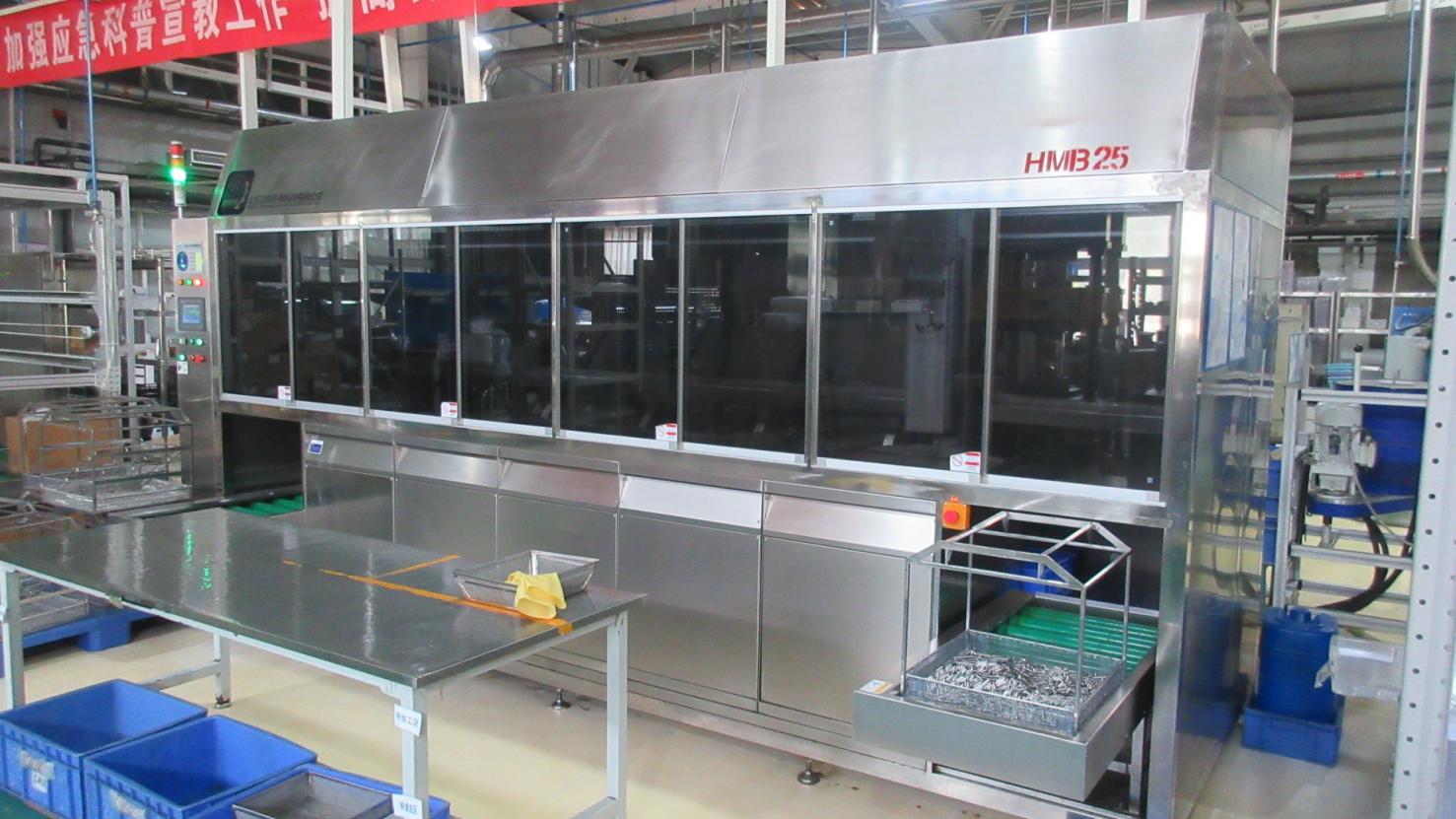
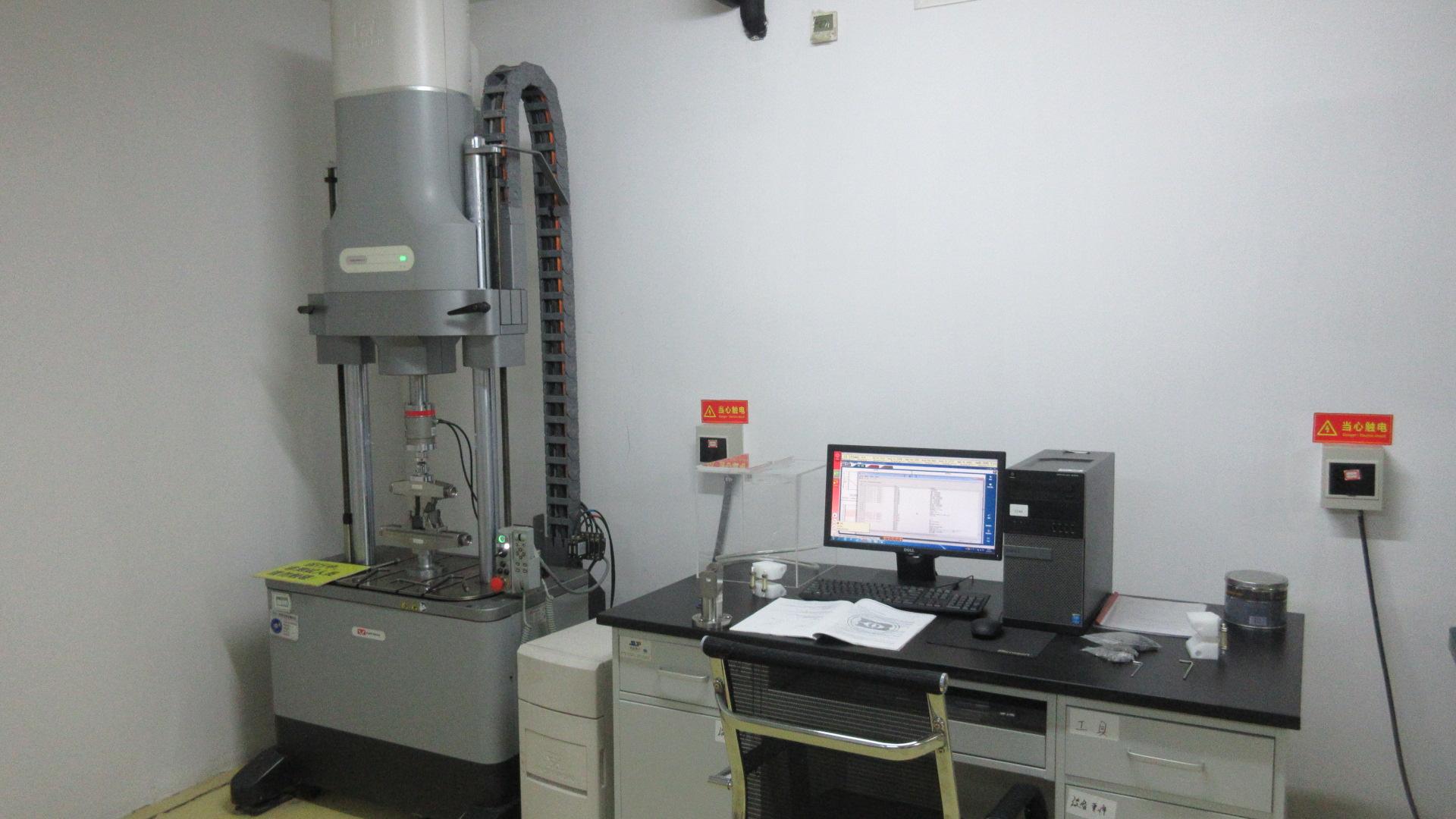
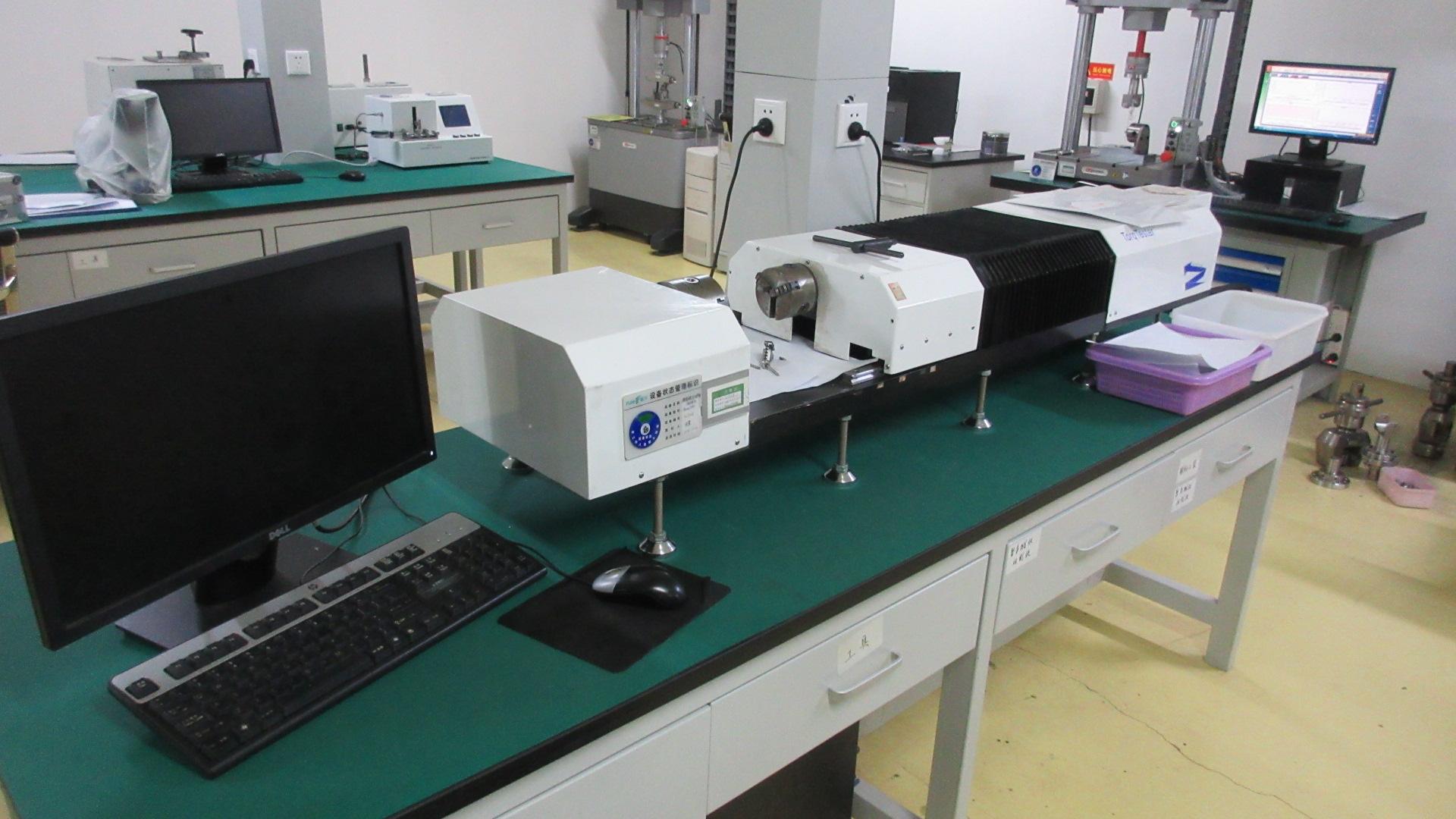
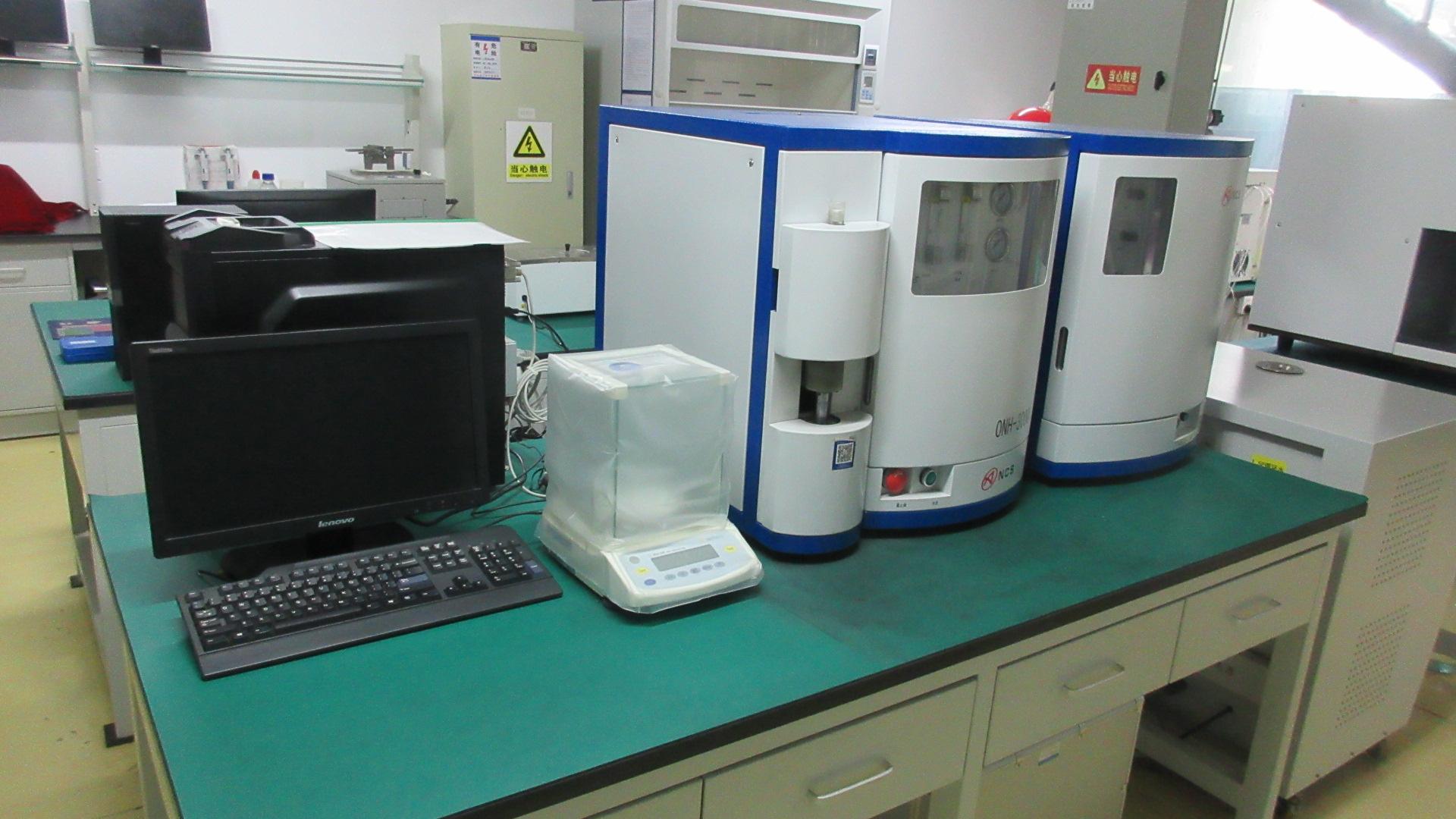
How Narang Medical ensures clinical safety through world-class testing and fabrication methodologies.
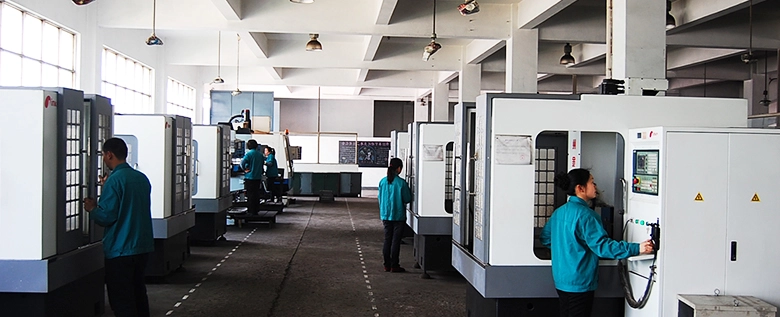
We are highly reputed manufacturers/exporters of Orthopedic Implants and Instruments & Star Export House company certified by Government. We are exporting to more than 80 countries worldwide & pride ourselves on Superior Quality and Competitive Pricing, and we operate under a quality system that complies with ISO 9001:2015, EN ISO 13485:2016, CE & WHO: GMP Compliance. Many reputed companies in Europe and USA regularly buy from us. Unlike many of our competitors, we don't compromise on quality in exchange for a cheaper price. We believe human life is invaluable, and we design systems that surgical teams can rely on absolutely.
We have a highly equipped R&D lab and stringent quality control standards to ensure quality of our products as per international standards. Quality Control at Narang Medical starts from the raw material stage. This makes it possible for us to control the quality of every component that goes into manufacture of the finished product. Our R&D team consists of highly qualified engineers who persistently conduct research and constantly seek feedback from the customers as they create new designs to meet the future needs of Orthopedic Surgeons worldwide. We are thus considered as a top Trauma & Orthopedic Implants company.
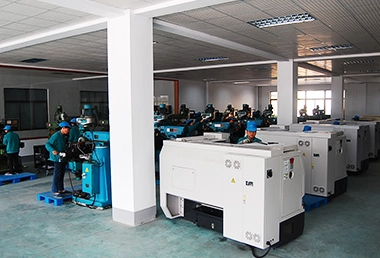
Health systems operating across remote Pacific archipelagos demand streamlined inventory control. Having incomplete implant sizes can turn a routine spinal surgery into a critical logistical failure.
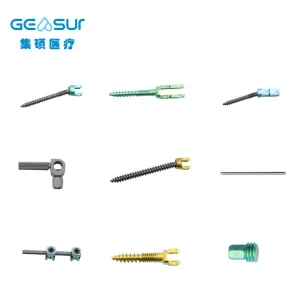
To overcome this, we provide All-in-One Spinal Modular Kits tailored for surgical wards in Kiribati. These include a meticulously calculated grid of polyaxial and monoaxial screws (ranging from 4.5mm to 7.0mm diameters), titanium pre-bent rods, transverse connectors (domino connectors), and self-breaking plugs. This prevents down-time, lowers sterilizing turnaround times, and ensures surgeons have access to backup implant lengths during complex multi-segment fixations.
Request Kiribati Support Kit DetailsEnsuring our pedicle screw constructs exceed international biomechanical requirements.
Our commitment to engineering progress drives our product development roadmap, focusing on critical properties that prevent fixation failures:
Constructed primarily from medical-grade Ti-6Al-4V ELI (Extra Low Interstitial) alloy under ASTM F136 specifications. This provides an excellent balance of high tensile strength, outstanding fatigue resistance, and low elastic modulus compared to stainless steel systems.
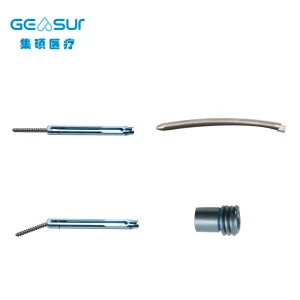
Full inventory of titanium connectors, cannulated screws, and specialized spinal implants available for direct export to Kiribati.
Technical, regulatory, and logistics answers for hospital purchasing departments and neurosurgeons.
Partner with an established, globally recognized manufacturer serving clinical facilities across Kiribati. Access direct factory pricing, robust quality assurances, and dedicated procurement support.
Send Inquiry Now Voila Orthopedic Implants