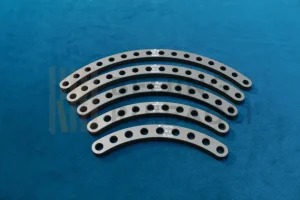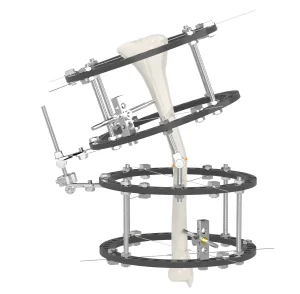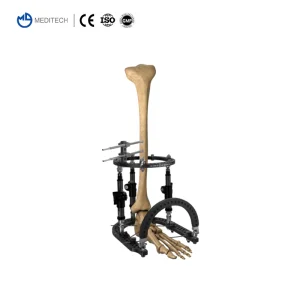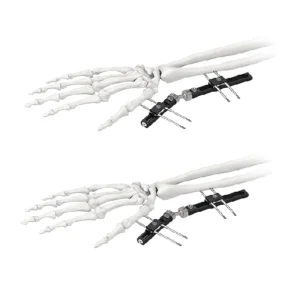
The healthcare system in Rwanda, particularly in centers like Kigali, Butare, and Gisenyi, has undergone a profound transformation. With public institutions like the University Teaching Hospital of Kigali (CHUK), the University Teaching Hospital of Butare (CHUB), and Military Hospital Kanombe partnering with private facilities like King Faisal Hospital, the demand for specialized orthopedic implants is surging.
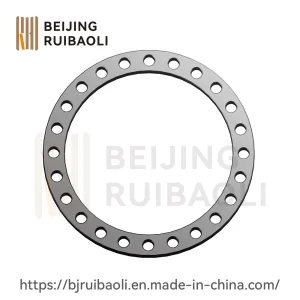
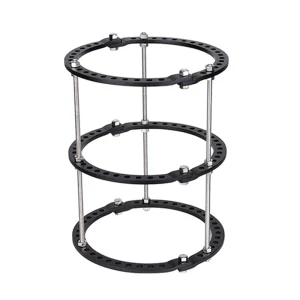
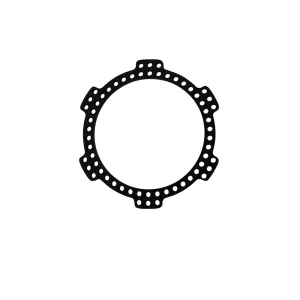
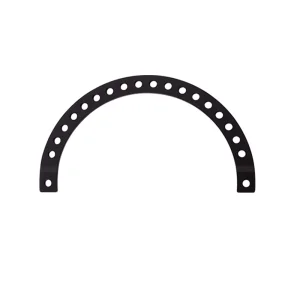
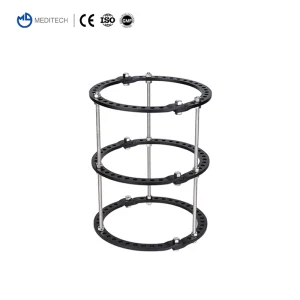
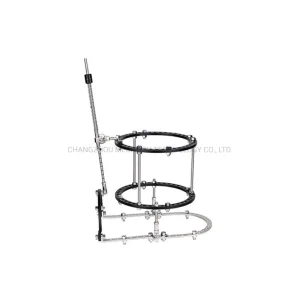
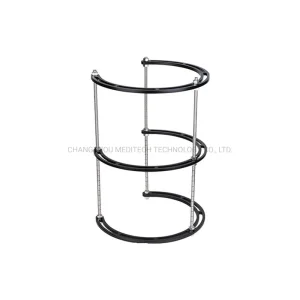
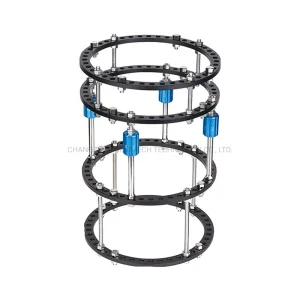
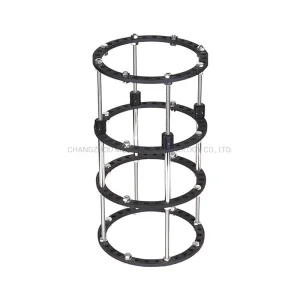
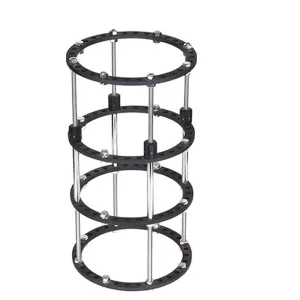
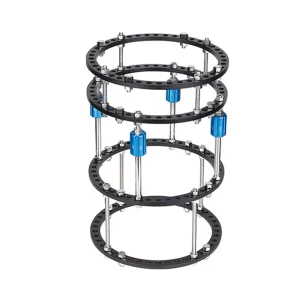
Due to the high incidence of road traffic injuries—predominantly involving commercial motorbikes—and complex industrial injuries, orthopedic surgeons in Rwanda regularly face non-union fractures, osteomyelitis, and massive segmental bone loss. Traditional plating and nailing techniques often fail under infected environments, placing the **Ilizarov Ring Fixator System** at the center of reconstructive surgery in East Africa.
Additionally, pediatric pathology treatment, such as correcting congenital talipes equinovalgus (clubfoot), severe genu varum (bow legs), and limb length discrepancies (LLD), is expanding. Access to high-grade surgical instruments that support long-term distraction osteogenesis is vital to reducing post-surgical disabilities and maximizing patient rehabilitation outcomes across local communities.
The biological and mechanical foundation of the Ilizarov method relies on the "tension-stress effect." Applying mechanical tension to bone segments stimulates tissue regeneration (histogenesis) and bone formation (osteogenesis). For this process to succeed over several months, the circular construct must maintain high load stability while allowing micro-motion to foster callus formation.
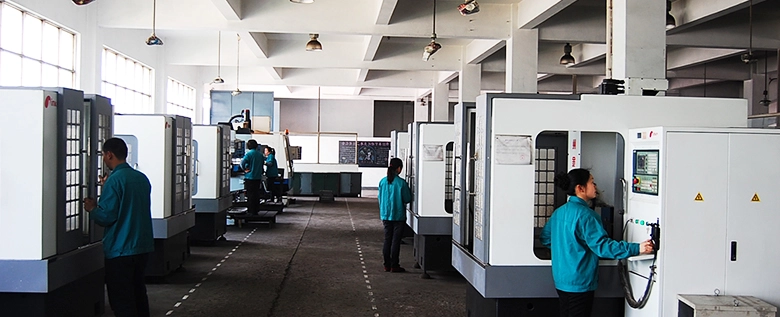
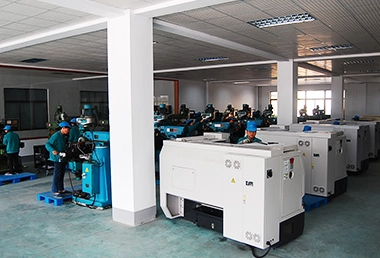
Our orthopedic production line operates under a Smart Factory 4.0 framework. This integrates computerized manufacturing execution systems (MES) with high-precision robotics, ensuring that every ring fixator component exported to Rwanda meets international standards.
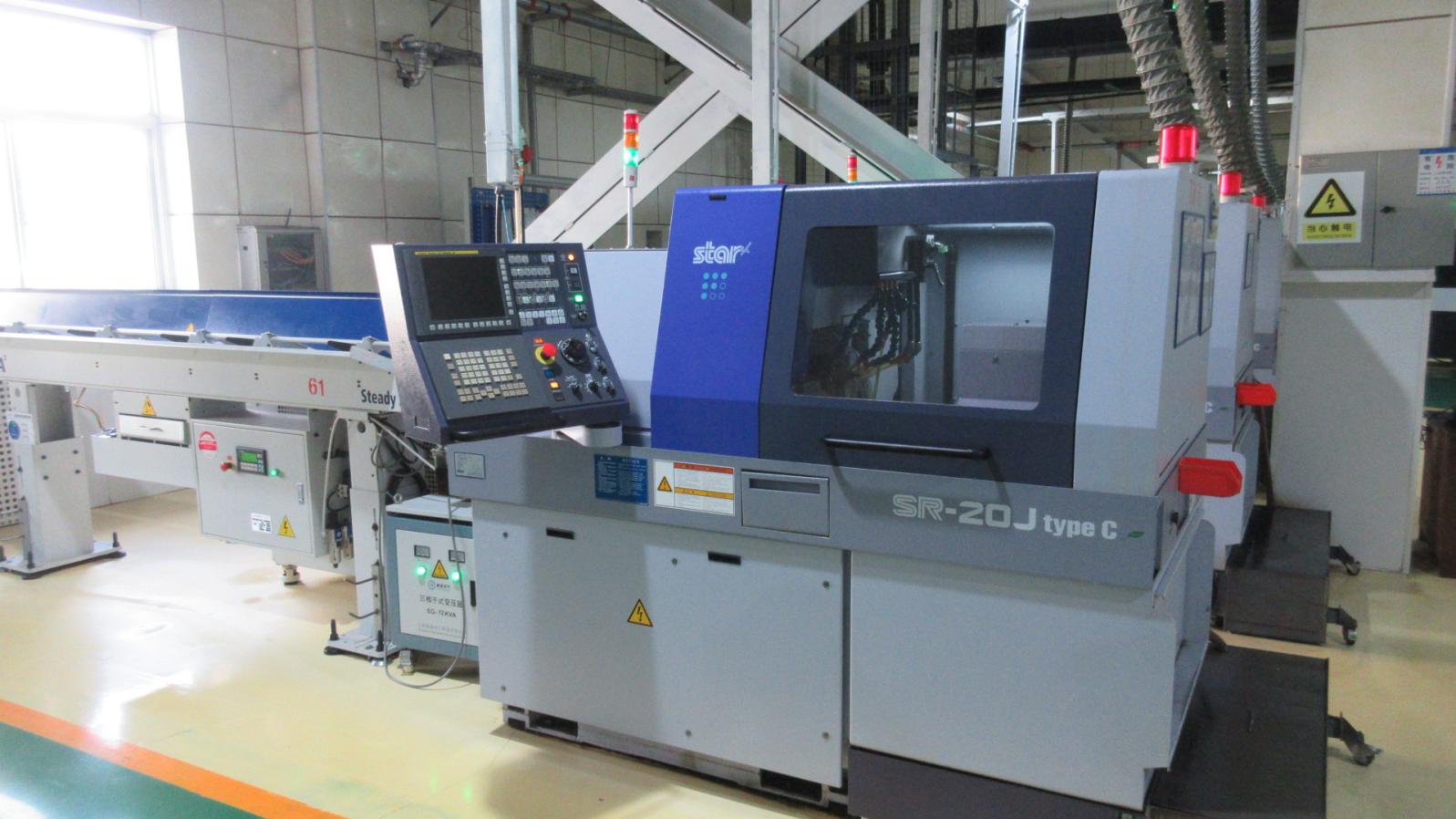
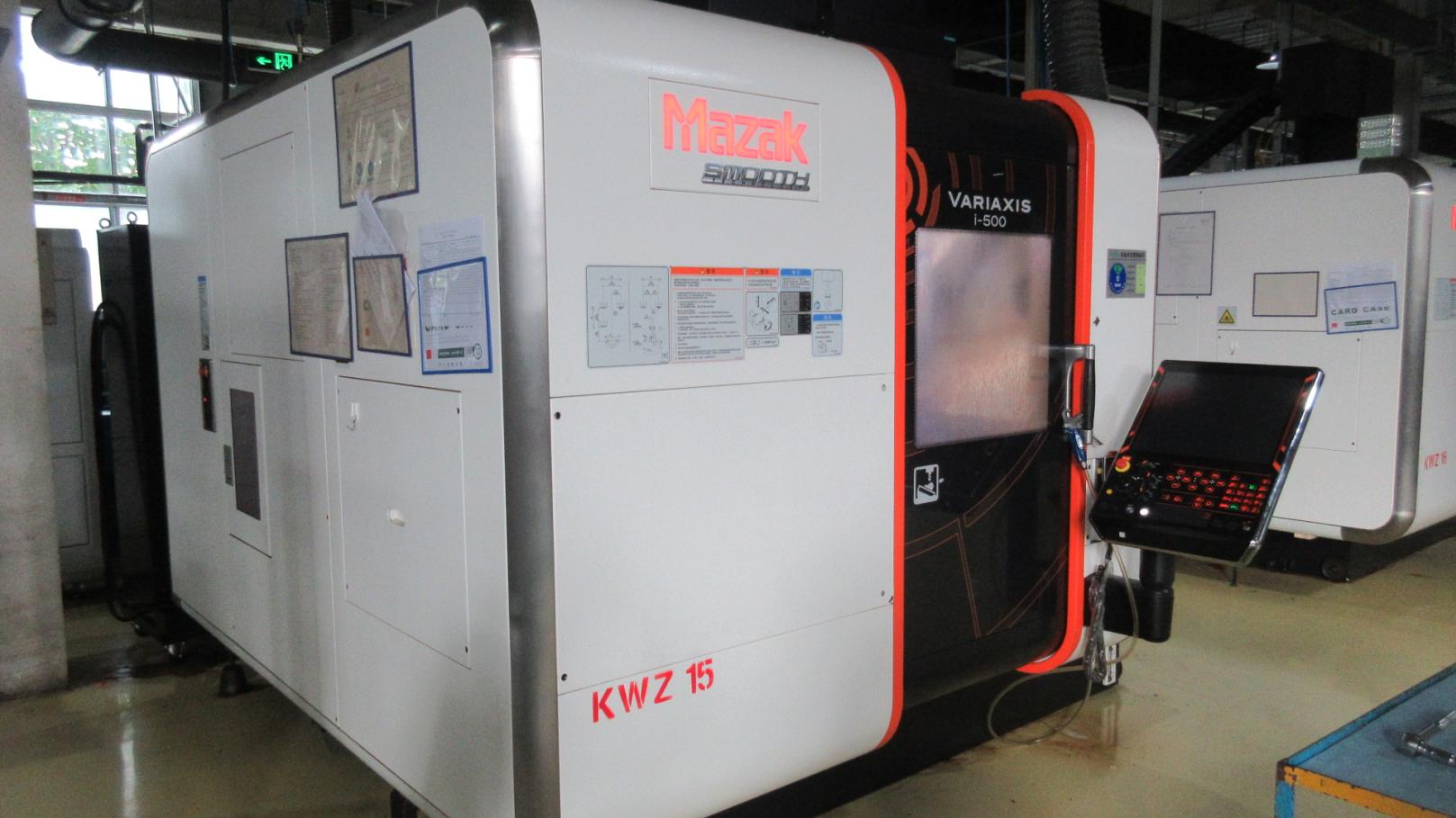
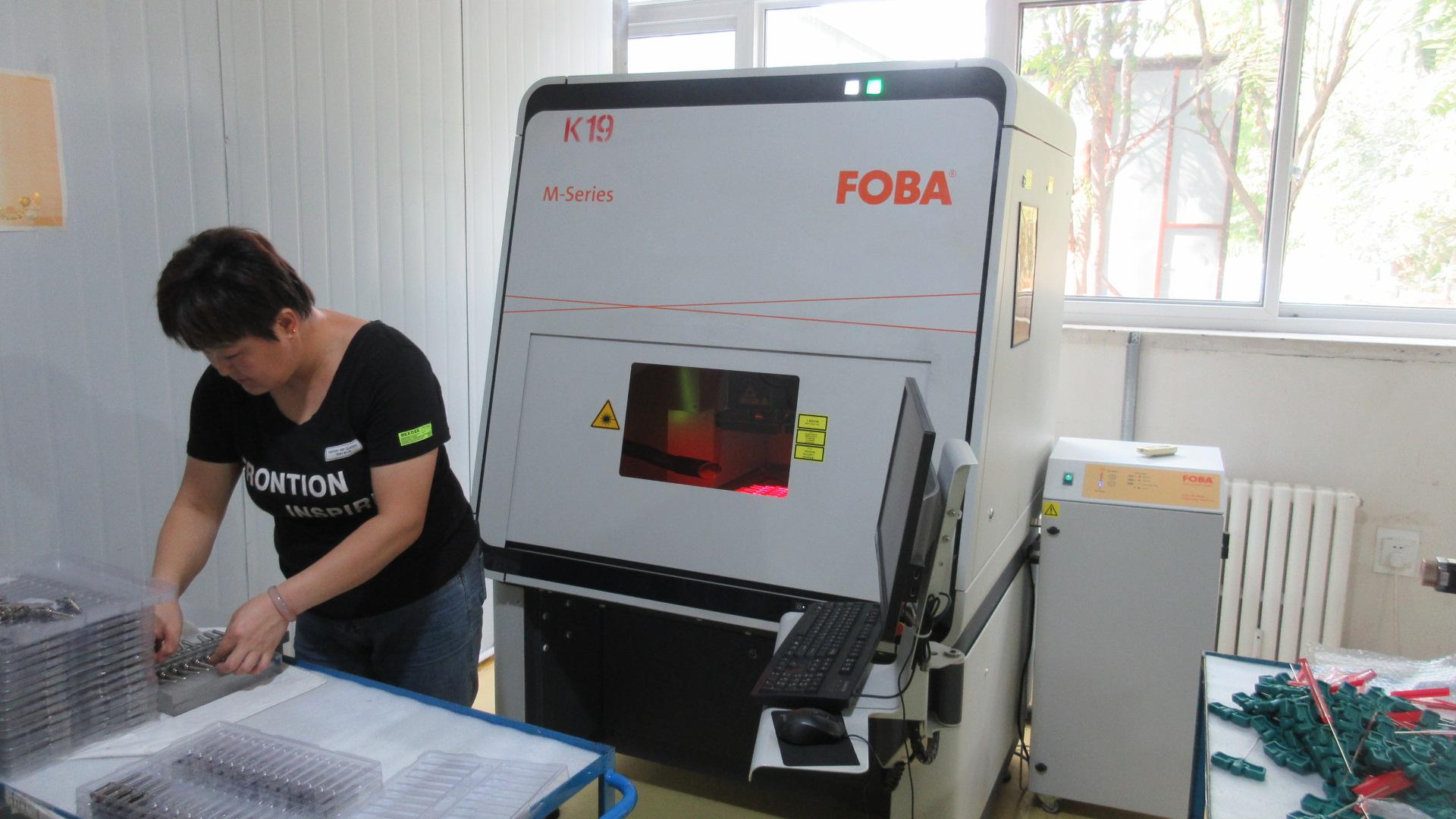
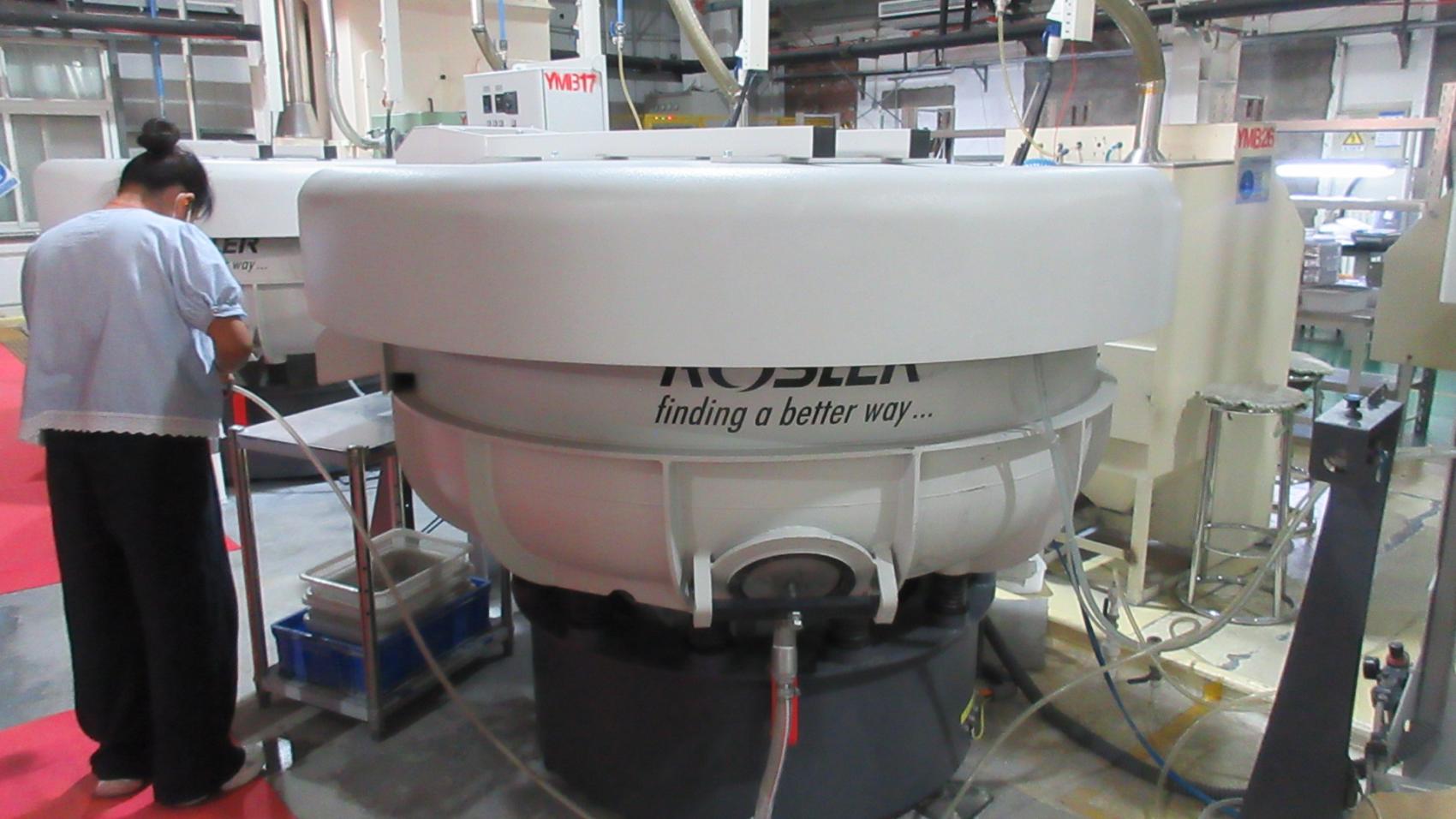
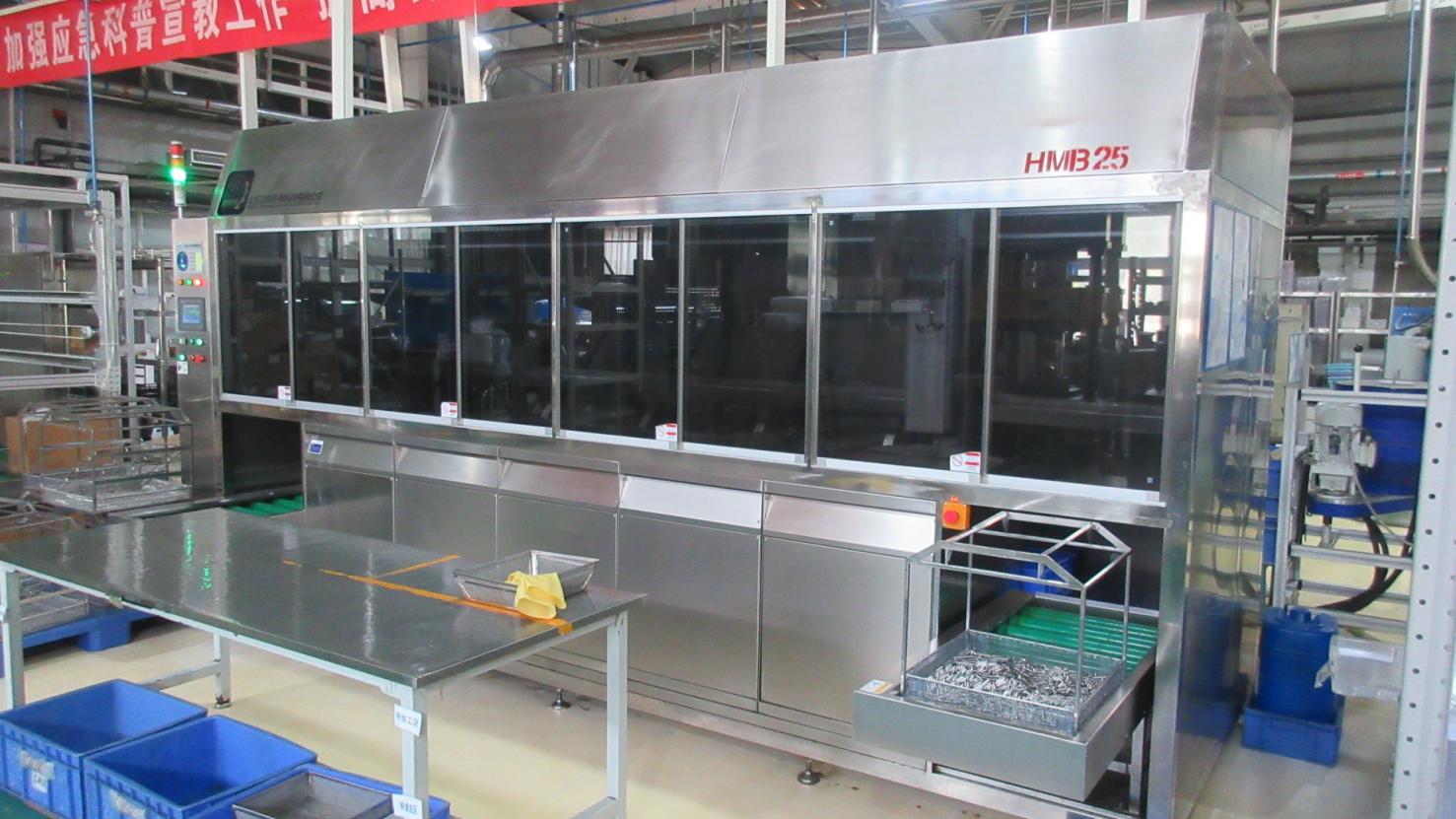
By utilizing multi-axis CNC machines and automated slitting lines, we prevent micro-fissures in raw bars. Laser engraving ensures complete traceability of each batch, which is critical for compliance audits and operating theater records. The production line ends with deep-cleaning ultrasonic lines to eliminate organic residues, followed by cleanroom packaging under ISO Class 7 conditions.
We do not compromise on quality for cost. Human life and mobility are invaluable. To maintain our reputation as a trusted trauma supplier exporting to more than 80 countries, we test every production run in our certified laboratories.
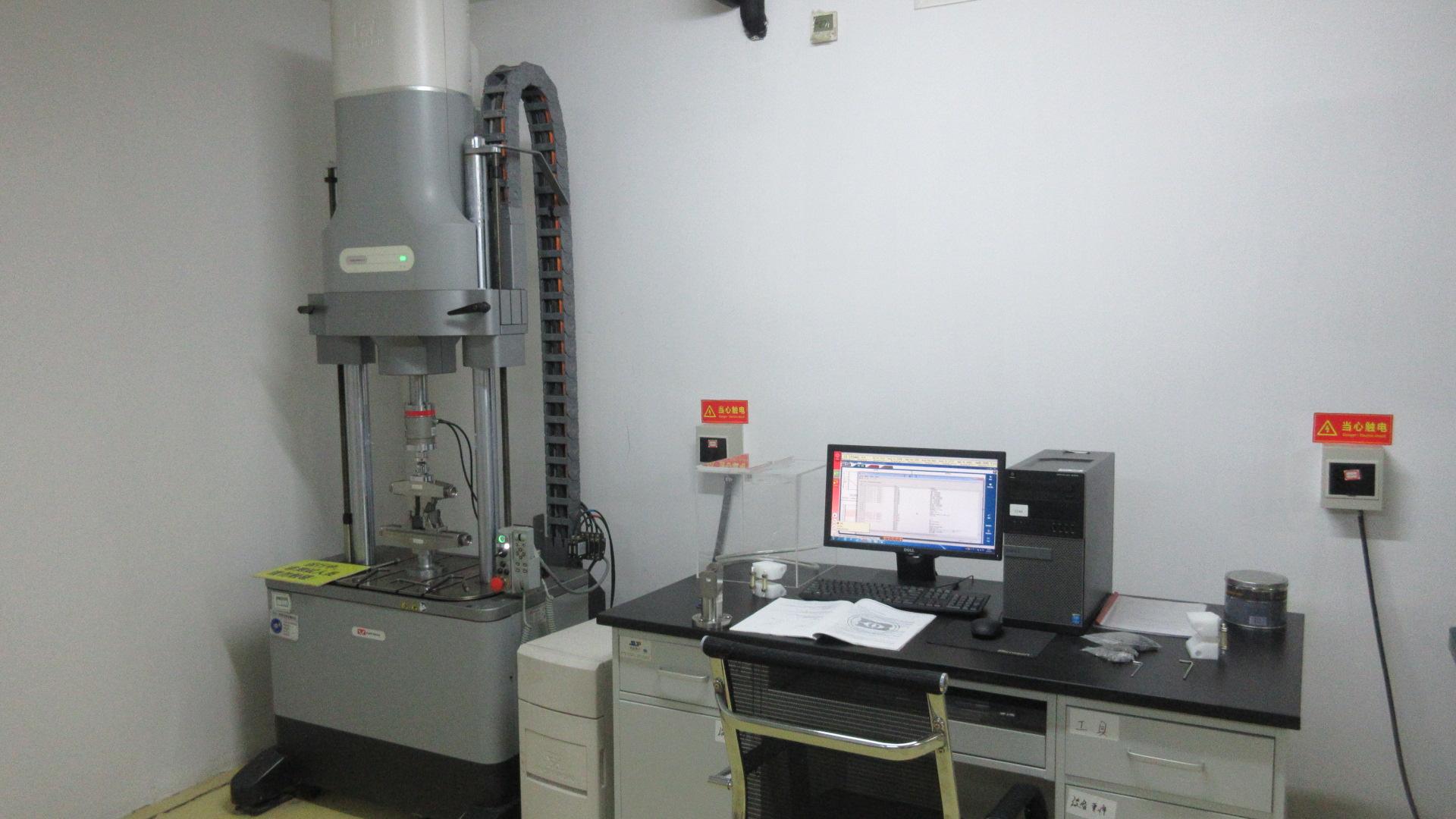
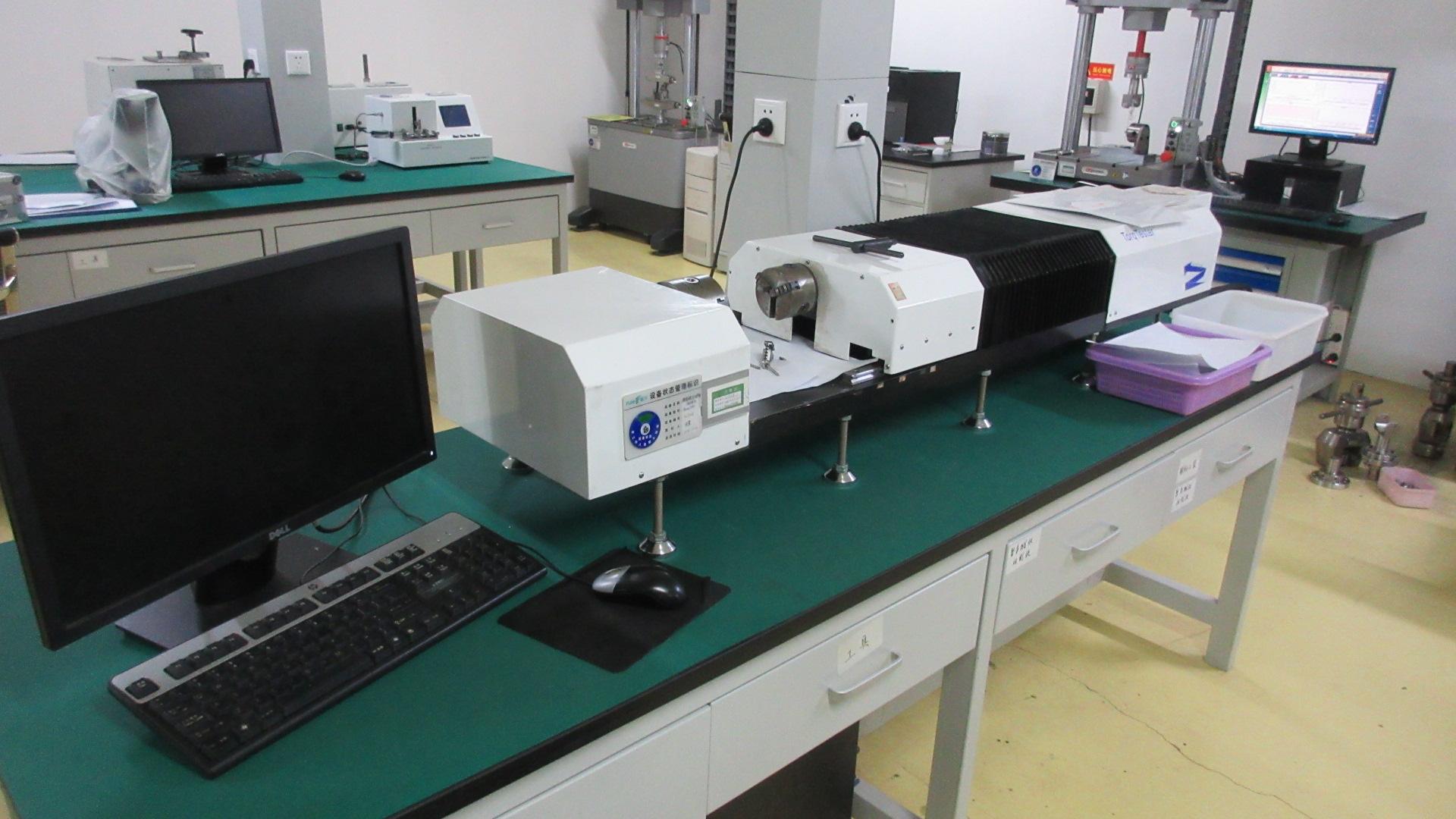
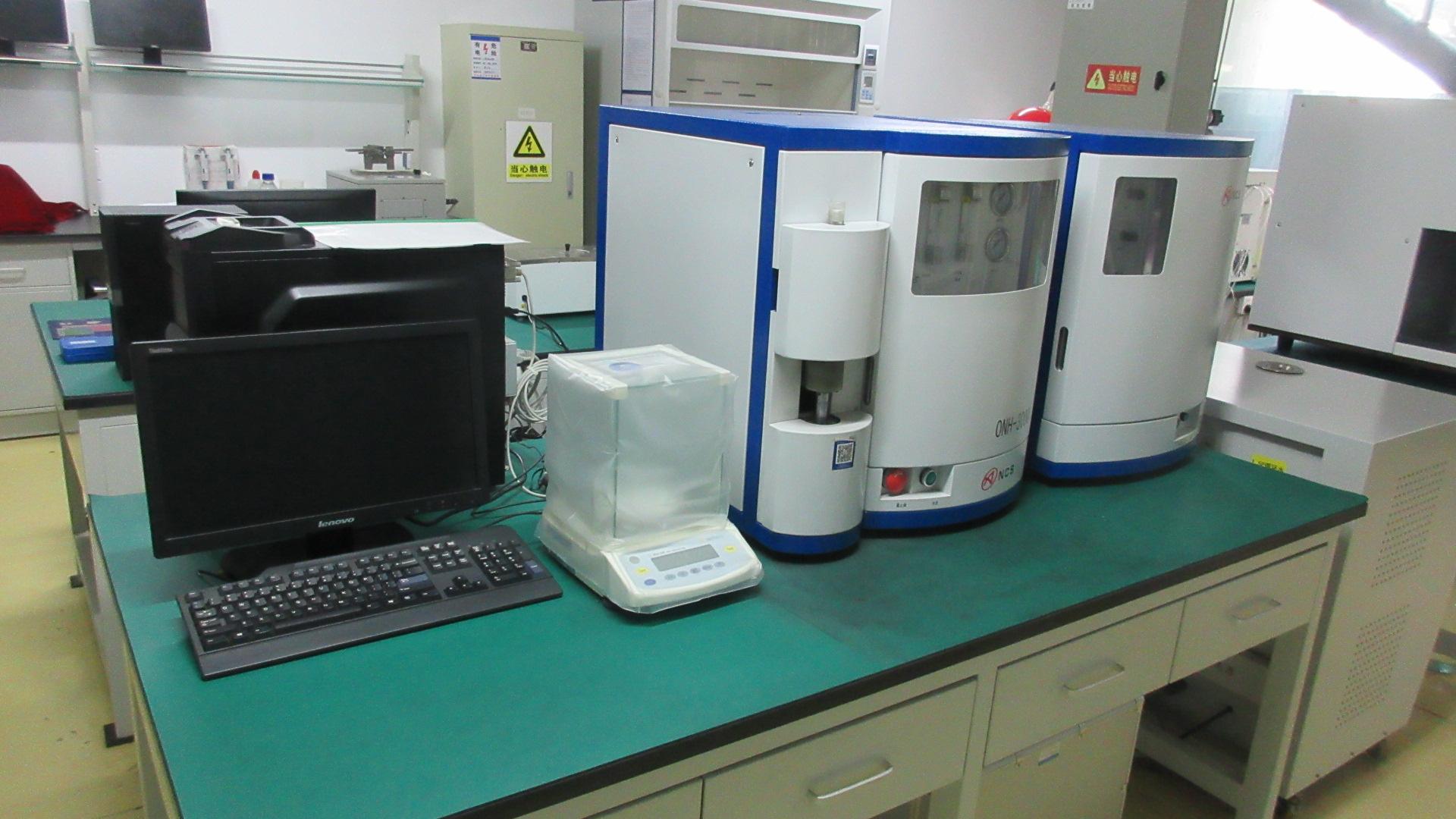
Our validation cycle starts with chemical profiling. The ONH Series Analyzer measures oxygen, nitrogen, and hydrogen trace elements to prevent premature stress fractures. Torsion and Fatigue Testers subject our rings and wires to cyclic axial loading, simulating up to 1 million gait cycles. This ensures that the fixators support patients safely during extended clinical courses.
Importing medical devices into the East African Community (EAC) requires navigating complex regulatory landscapes. Our operations comply with the quality guidelines of **ISO 9001:2015, EN ISO 13485:2016, CE Mark, and WHO-GMP**. Many prominent distributors in Europe, the Americas, and Africa routinely procure from us because of this strict compliance.
The Rwanda Food and Drugs Authority (Rwanda FDA) mandates that all external fixators and trauma implants must be registered. We provide complete dossier support, including technical files, biocompatibility certificates, sterilization validations, and clinical evaluation reports, to help Rwandan importers register products efficiently.
We support multimodal shipping options to Rwanda. Standard freight options include shipping through the ports of Mombasa (Kenya) or Dar es Salaam (Tanzania), followed by road transport via the Northern or Central Corridors to Kigali. For urgent hospital demands, we partner with major air freight carriers to deliver directly to Kigali International Airport (KGL), reducing transit times to 5–7 business days.
As clinical practices advance across Rwanda, orthopedic technology is keeping pace. Our R&D department continues to develop new designs based on feedback from orthopedic surgeons worldwide.
The future of circular fixators lies in hexapod systems that use six adjustable struts connected to a computer algorithm. The surgeon inputs post-operative radiographic measurements and deformity parameters into software, which generates a daily strut-adjustment schedule. This achieves sub-millimeter correction of complex multi-planar deformities, minimizing the need for revision surgeries.
To improve intraoperative visualization and postoperative healing assessments, we are introducing rings made of advanced carbon-fiber composites. These rings are radiolucent, allowing clear X-ray imaging of bone calluses without metal artifacts, helping surgeons make better clinical decisions.
 Voila Orthopedic Implants