Engineered to international specifications, these critical orthopedic components provide mechanical stability and premium structural support across varied patient clinical profiles.
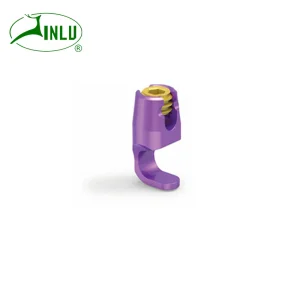
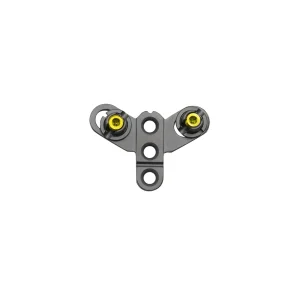
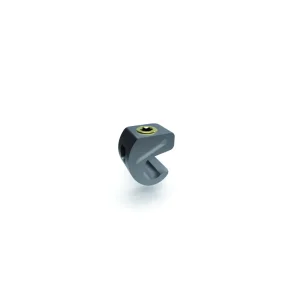
Analyzing the intersection of sub-Saharan public healthcare demands, specialized orthopedic procurement challenges, and high-performance implant architectures.
The healthcare system in Mali, particularly within regional surgical centers such as Bamako, Kati, and Sikasso, is facing an escalating need for highly reliable spinal trauma and corrective fixation devices. As infrastructure expansions occur alongside an uptick in industrial, mining, and vehicular activities across the West African economic corridor, clinicians are seeing a parallel increase in complex high-energy spinal trauma. Fractures of the thoracolumbar junction, high-velocity cervical subluxations, and progressive degenerative pathologies demand immediate and anatomically versatile corrective intervention. In environments where intraoperative imaging parameters may face structural limitations, the mechanical versatility of spinal hooks and rods presents an incredibly reliable, safe, and highly efficient alternative to pure pedicle screw assemblies.
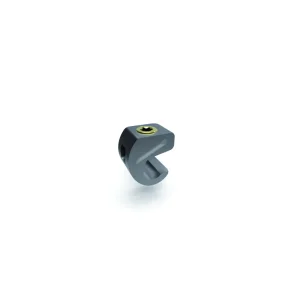
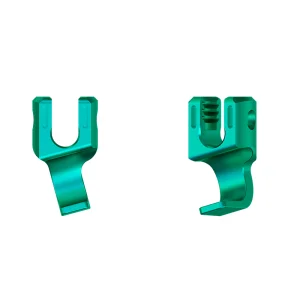
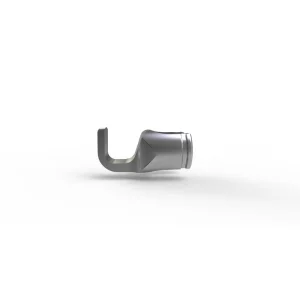
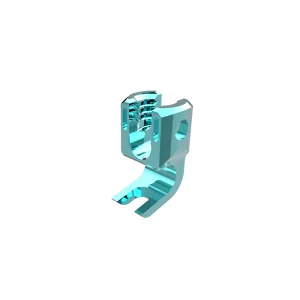
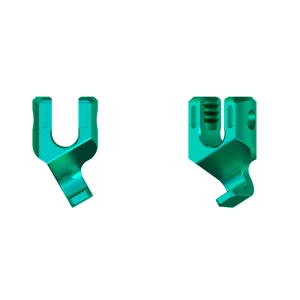
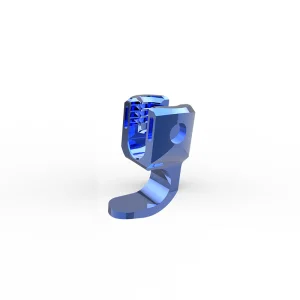
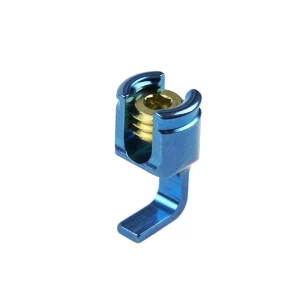
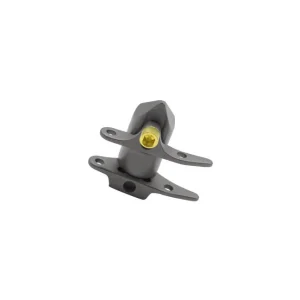
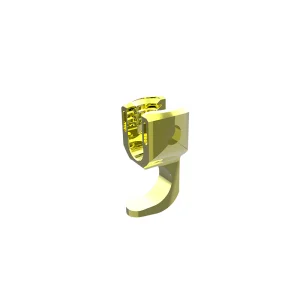
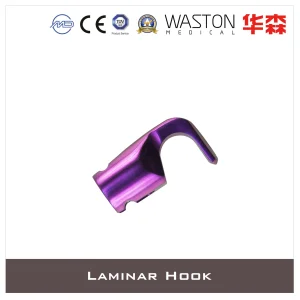
Spinal hooks provide immediate mechanical fixation to the vertebral laminae, pedicles, or transverse processes without breaching the structural integrity of the vertebral body's inner cortex. This minimizes the risk of vascular and neurological injuries, which can be critical in complex surgical procedures. When combined with rigid posterior fixation rods, spinal hooks distribute mechanical stress evenly across multiple spinal segments. This effectively manages the dynamic loading forces seen during patient rehabilitation in sub-Saharan contexts. Consequently, specialized distributors and hospital procurement panels across Mali are moving toward tier-1 validated factories that offer consistent component dimensions and certified biocompatibility profiles.
Modern neurosurgical practice across major medical hubs in West Africa—including the Hôpital du Point G and Centre Hospitalier Universitaire (CHU) Gabriel Touré in Bamako—demands versatile spinal fixation constructs capable of addressing severe adolescent and adult spinal deformities, advanced tuberculous spondylitis (Pott's Disease), and unstable trauma. While pedicle screws have become widely popular globally, spinal hooks remain a key mechanical tool for surgeons in several scenarios. For instance, when dealing with severe bone density loss or hypoplastic pedicles common in pediatric populations, pedicle screw insertion poses an elevated risk of cortical breakout. Here, laminar and transverse hooks offer reliable anchoring alternatives, maintaining rigid construct security without endangering neural elements.
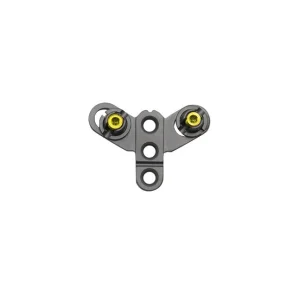
Furthermore, regional tenders increasingly specify that implant kits must feature absolute modular interchangeability. The combination of monoaxial screws, polyaxial screws, offset hooks, and crosslink connectors enables surgeons to customize frameworks interoperatively to address patient-specific anatomy. This mechanical versatility ensures that whether treating an L1 burst fracture or stabilizing a multi-level structural collapse, the construct retains long-term structural integrity against cyclic fatigue.
Evaluating international regulatory benchmarks, quality management methodologies, and material verification procedures mandatory for high-tier hospital procurement.
For international medical distributors, Ministry of Health tender boards, and tier-1 clinical procurement managers in Mali, selecting a spinal implant manufacturer requires meticulous verification of their compliance portfolio. Medical devices categorized as Class III (high-risk implantables) must adhere to rigorous regulatory frameworks to eliminate the possibility of intraoperative component failure or long-term metallosis. As an esteemed, government-certified Star Export House supplying over 80 countries worldwide, our manufacturing ecosystem operates in strict compliance with ISO 9001:2015, EN ISO 13485:2016, CE Marking, and WHO-GMP Compliance standards. Our ongoing supply partnerships with reputable healthcare enterprises across Europe and the United States highlight our unwavering dedication to dependable, high-quality production.
Quality control begins at the raw material phase. We source medical-grade titanium alloys (Ti-6Al-4V ELI conforming to ASTM F136) and ultra-pure stainless steels (316LVM conforming to ASTM F138). These premium alloys provide an optimal balance of biocompatibility, superb corrosion resistance, and high mechanical tensile strength. By managing every stage of production from raw bar stock to final cleanroom packaging, we ensure that every batch exhibits consistent chemical composition and metallurgical uniformities.
Our entire manufacturing facility operates under an audited quality framework tailored for medical device production. This guarantees complete tracking and continuous refinement throughout the production lifecycle.
Good Manufacturing Practices ensure cleanroom protocols, validated ultrasonic washing pipelines, and strictly monitored moisture levels. This prevents bio-burden accumulation prior to clinical sterilization cycles.
How integrating automated precision machining and advanced metallurgical verification enables high-volume manufacturing stability for global hospital networks.
The modern production of orthopedic implants requires exceptional dimensional consistency. Our Factory 4.0 infrastructure utilizes advanced automated machining centers and dedicated mechanical validation equipment. This ensures that every manufactured component matches planned digital schematics within microscopic margins.
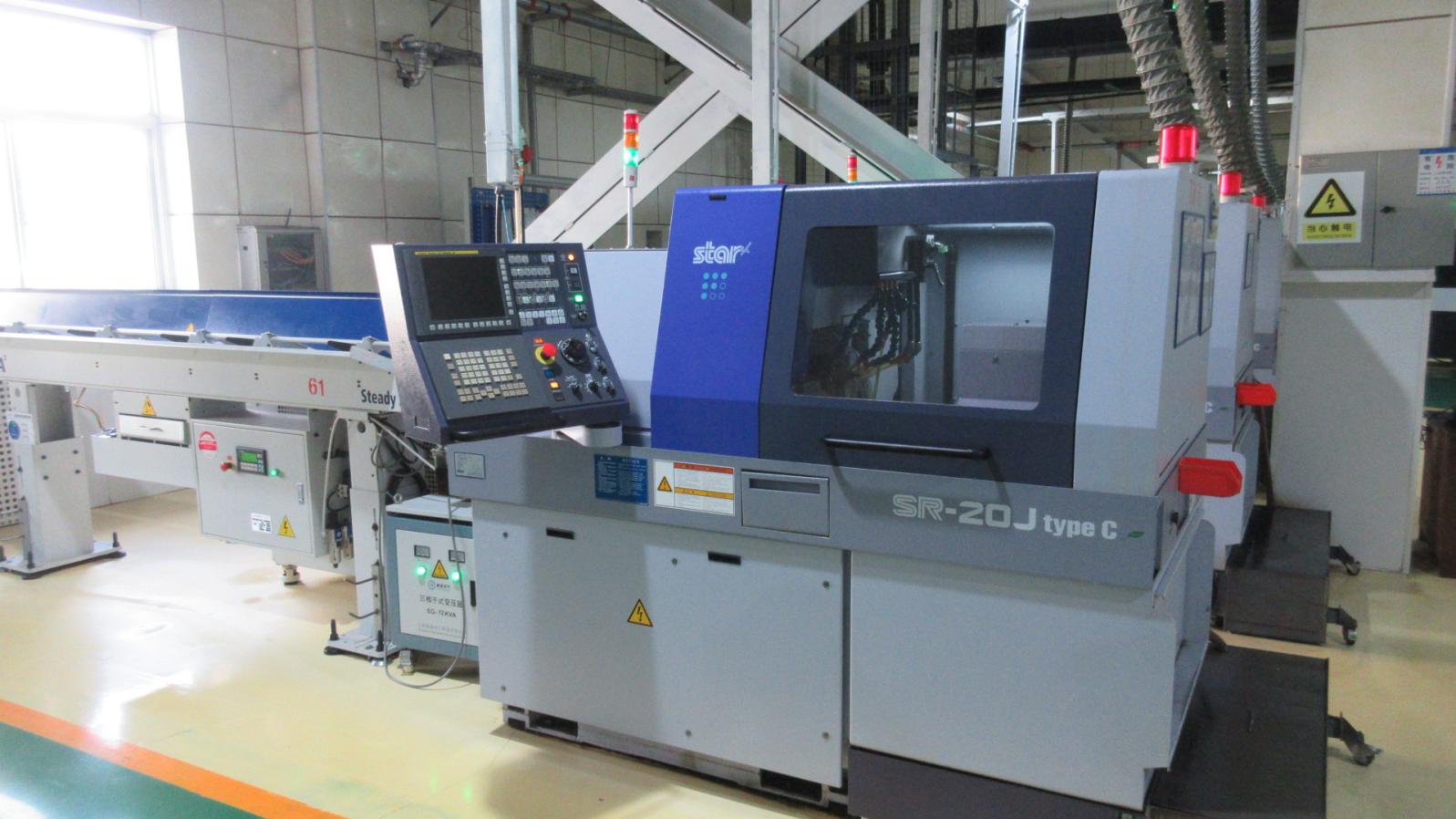
Automatic Slitting
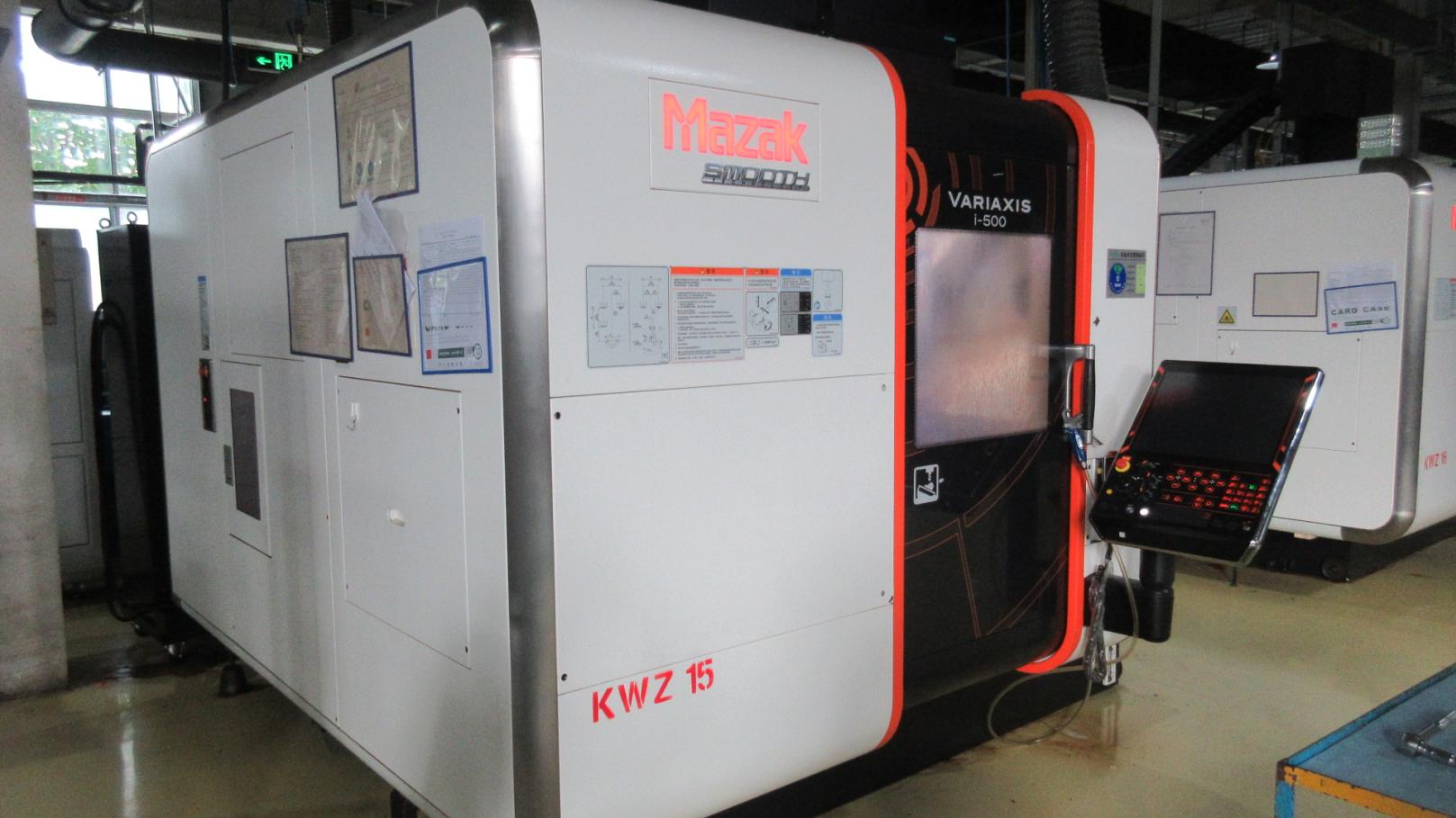
CNC Lathe
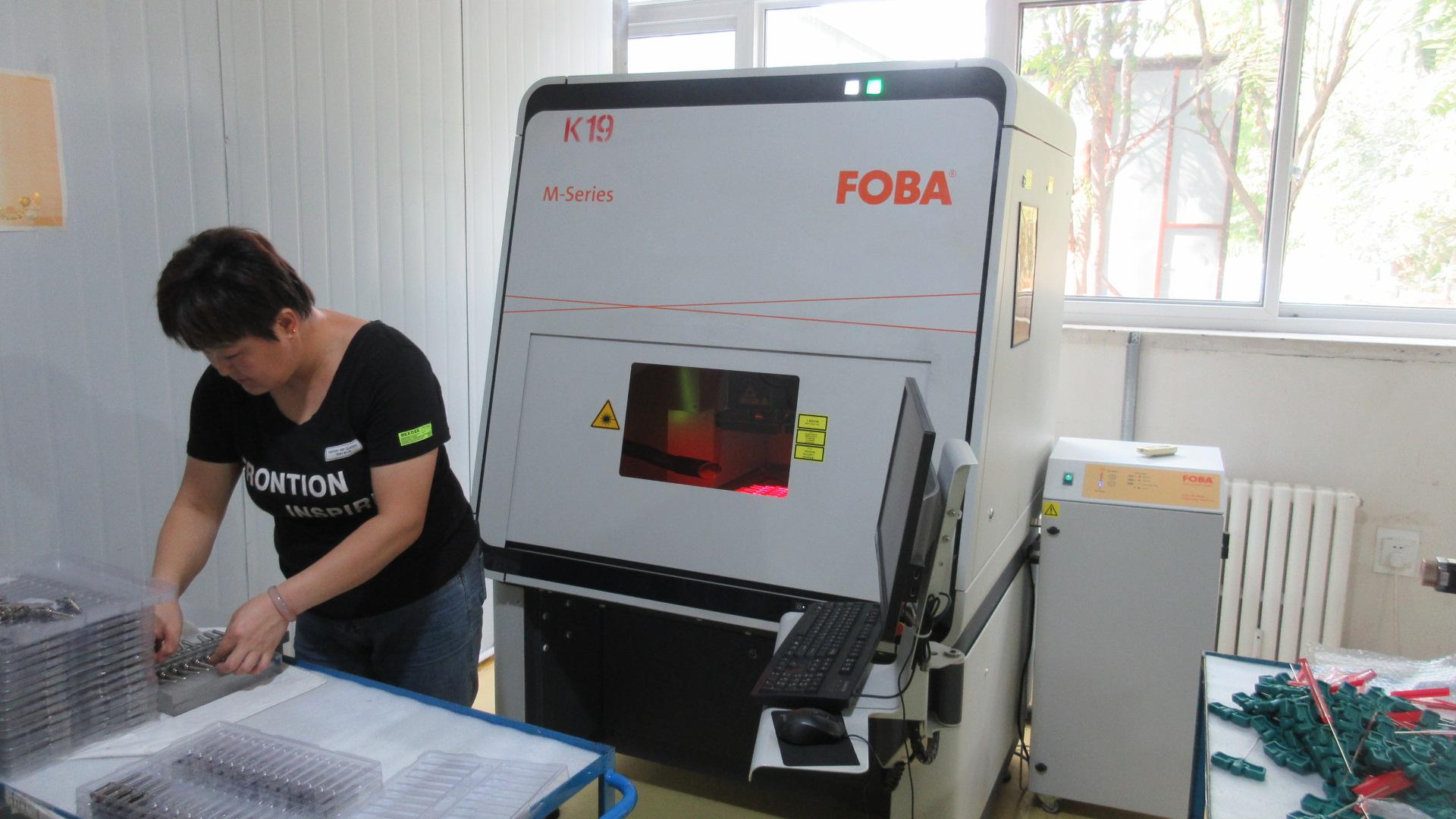
Laser Engraving
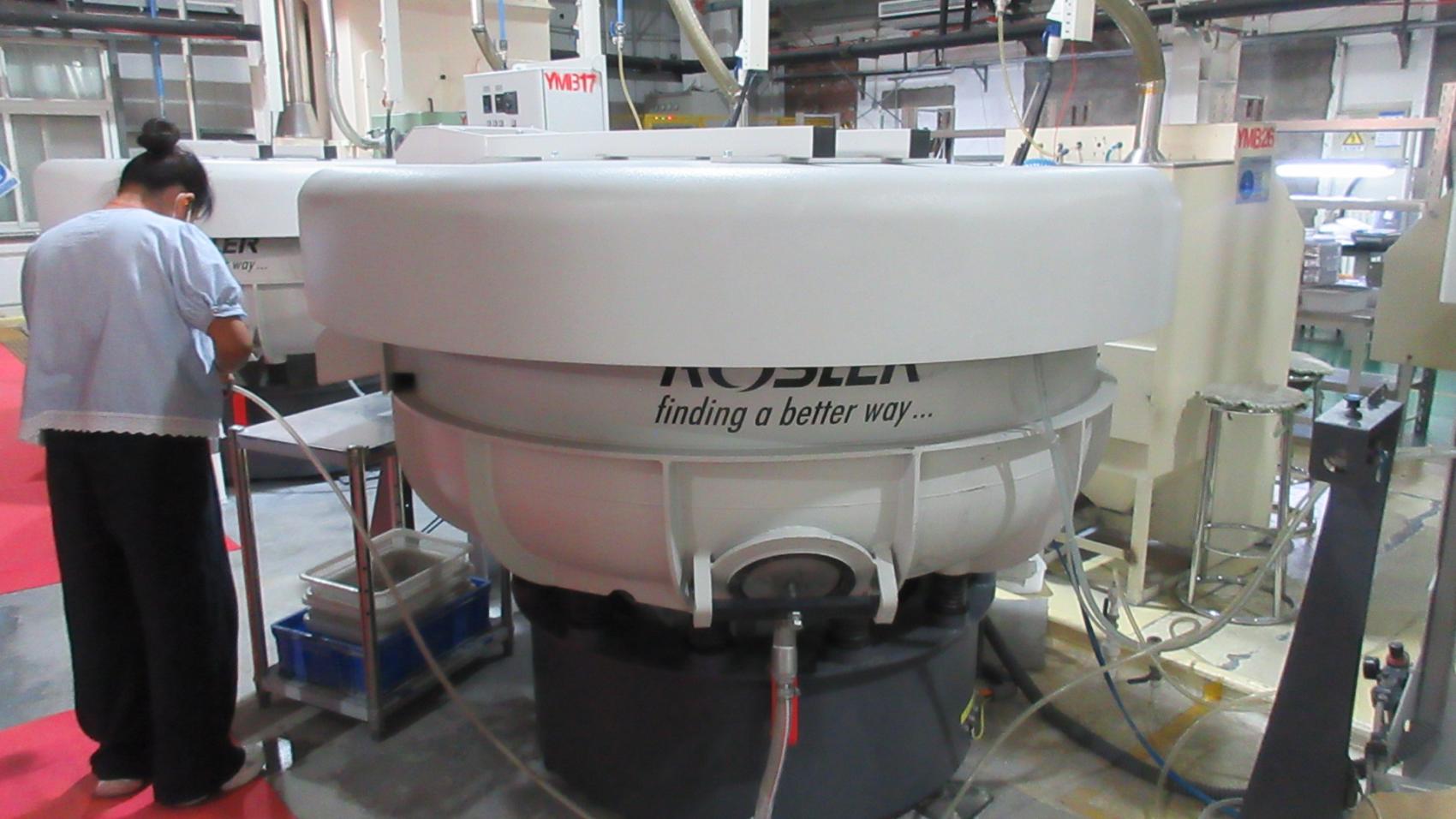
Grinding
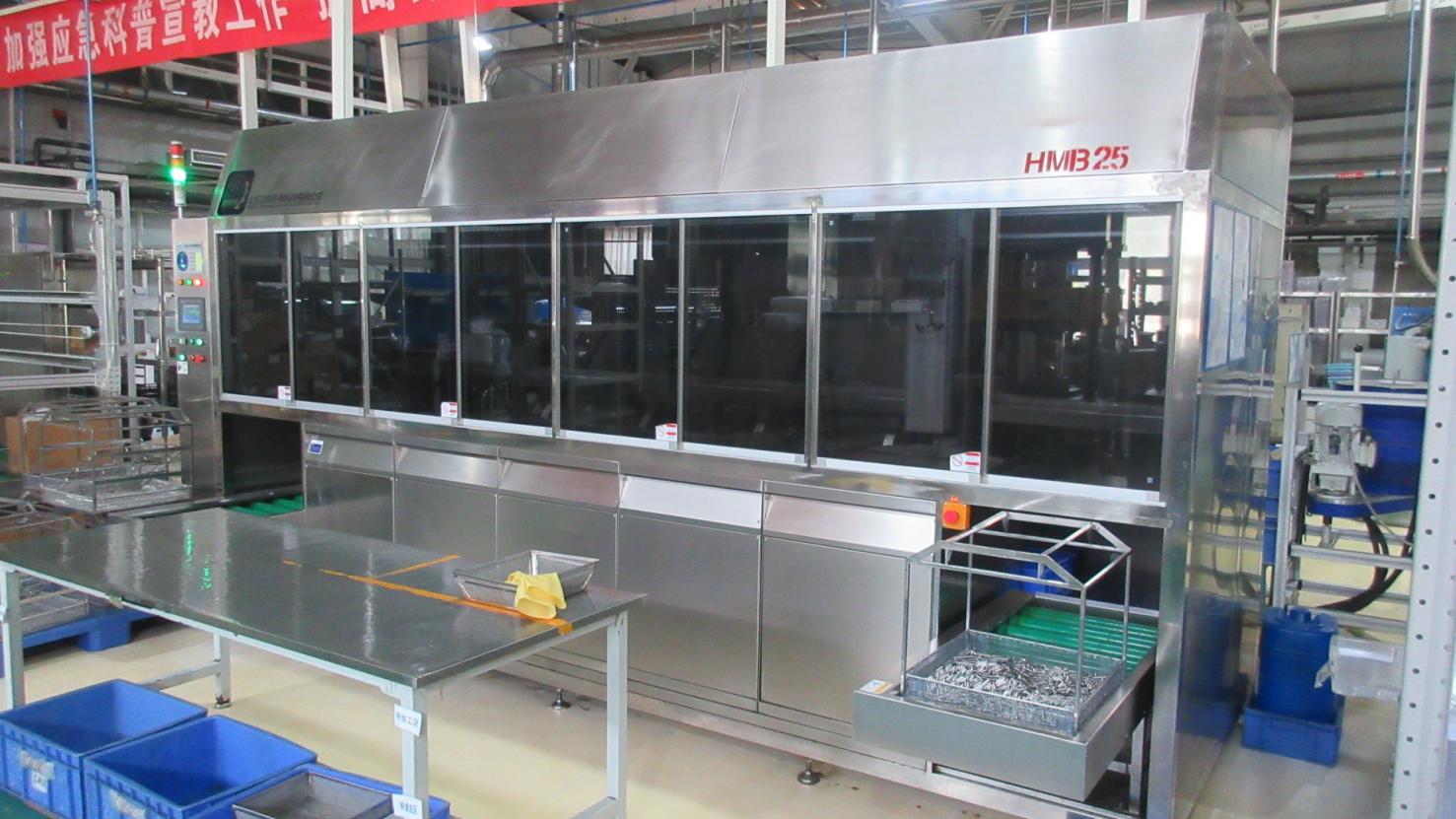
Ultrasonic Clearing
Our precision manufacturing workflow utilizes Swiss-type Automatic Slitting technology and multi-axis CNC Lathe systems. This setup enables high-efficiency automated production of spinal hooks and connectors from raw alloy bars. Machined parts then undergo microscopic surface finishing via dedicated Grinding stations to remove micro-burrs and surface stress points that could cause mechanical failure. Every component features clear identification marking applied via specialized high-resolution Laser Engraving. This ensures full batch tracking from production through to clinical use. Prior to cleanroom packaging, all implants go through multi-stage Ultrasonic Clearing pipelines. This process completely eliminates micro-particles, industrial cutting fluids, and surface contaminants, ensuring pristine component cleanliness.
To ensure long-term mechanical reliability under complex load conditions, our dedicated R&D lab subjects implant samples to rigorous physical stress testing protocols. These validation checks ensure our components consistently meet or exceed international performance standards.
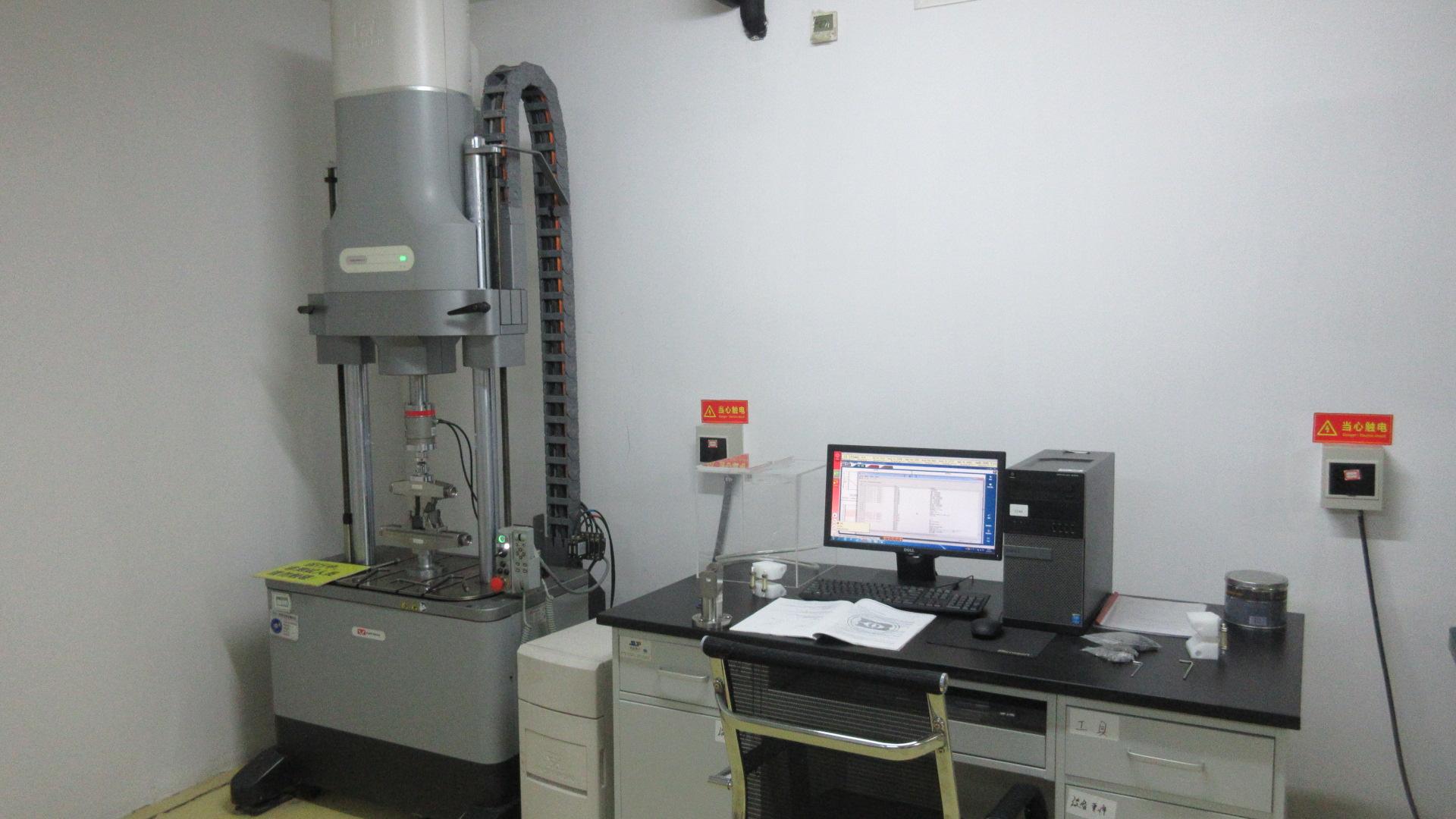
Fatigue Tester (Cyclic Stress Loading)
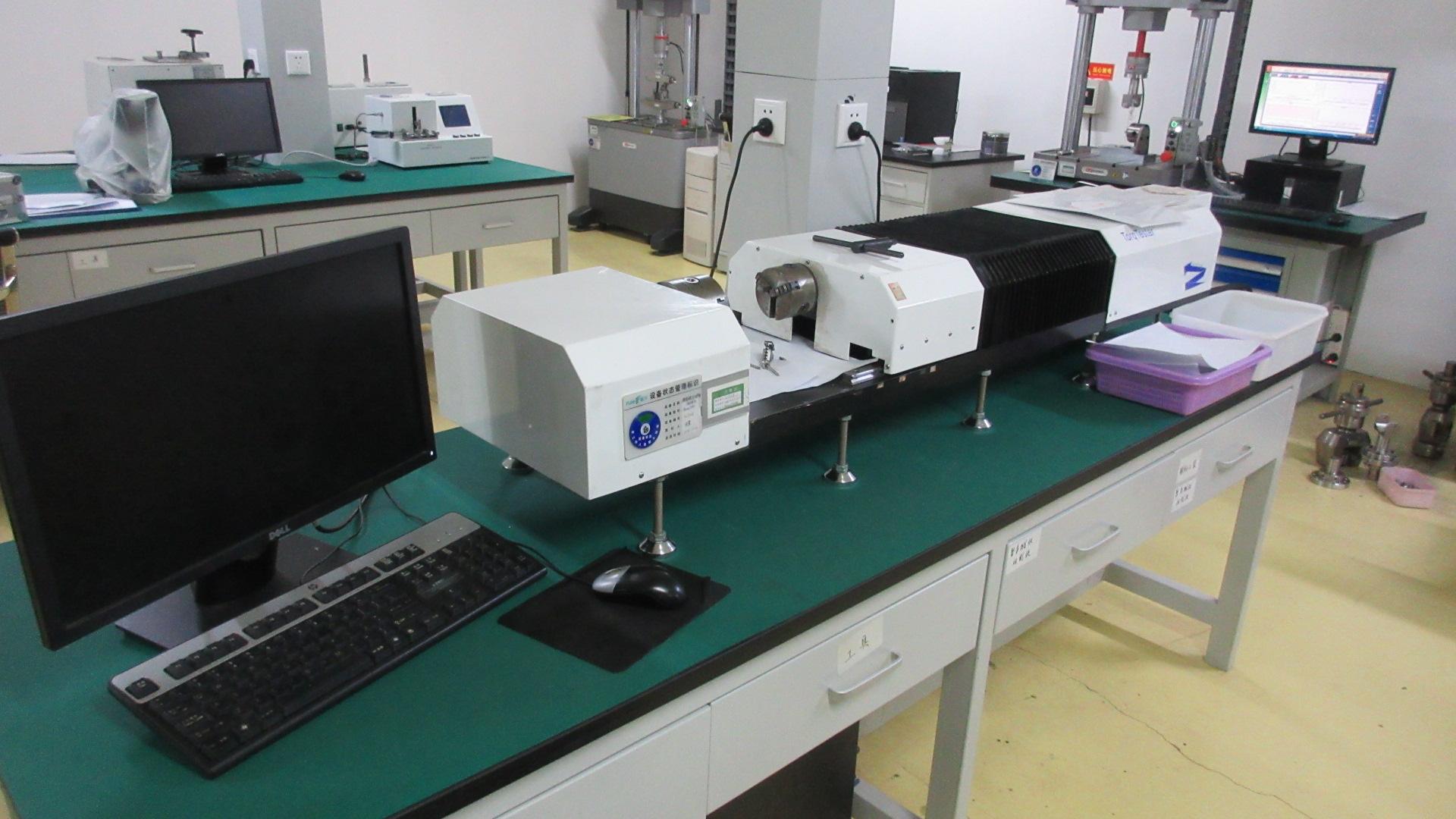
Torsion Tester (Rotational Shear Resistance)
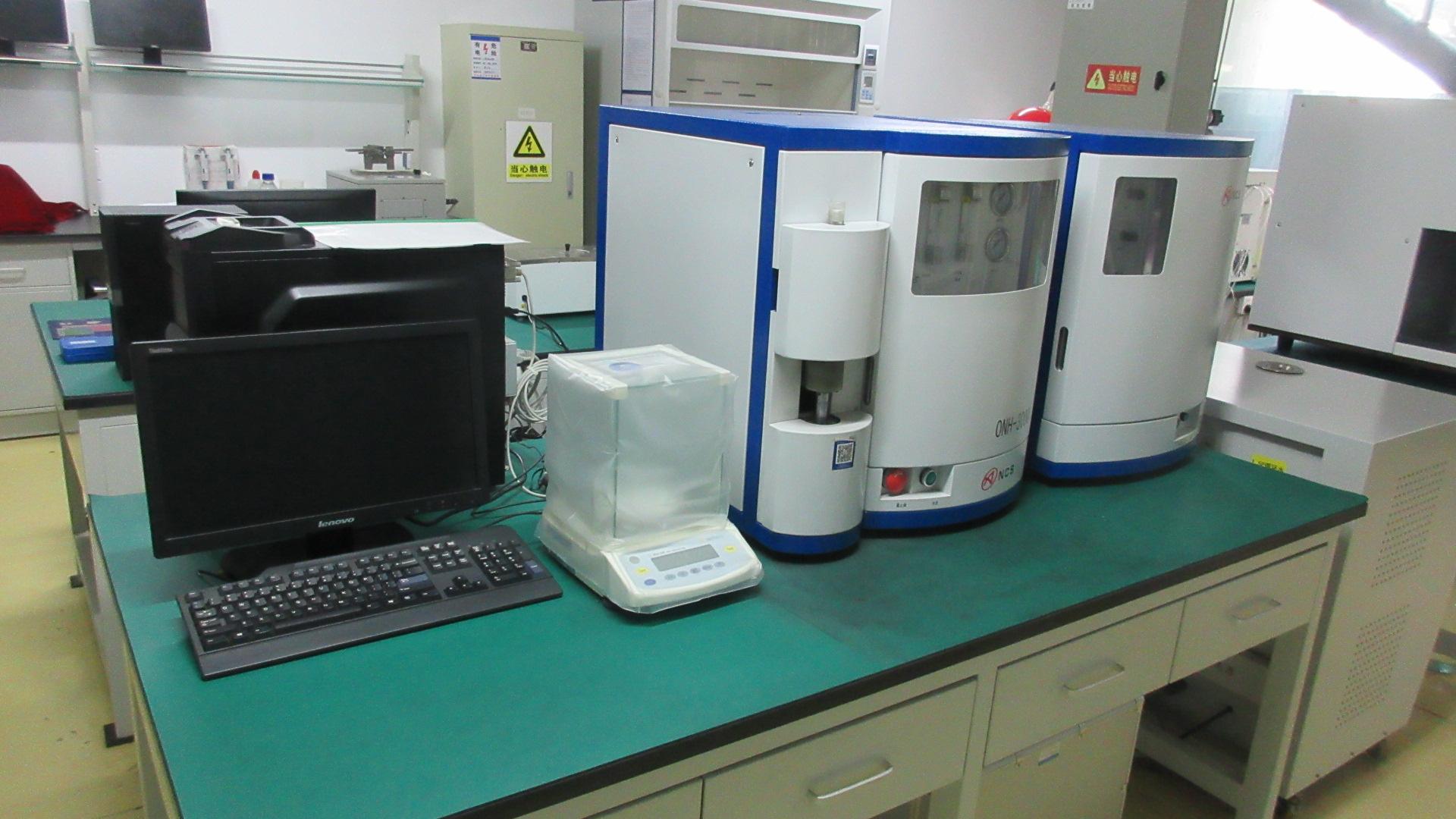
ONH Series Analyzer (Elemental Purity Verification)
Our testing labs use advanced mechanical simulators to evaluate product performance. The Fatigue Tester subjects spinal constructs to millions of complex loading cycles, simulating months of active patient movement to rule out material fatigue. Our Torsion Tester evaluates the rotational shear limits of our rod locks and crosslink clamps, ensuring they won't slip during sudden patient movements. Finally, the ONH Series Analyzer conducts precise elemental analysis to verify that Oxygen, Nitrogen, and Hydrogen interstitial elements remain within strict medical alloy limits. This safeguards the implant's structural integrity over long-term placement.
Understanding how targeted design geometries address specific anatomical challenges in West African orthopedic and trauma surgery centers.
The practical application of spinal hooks within Mali's clinical environments requires clear understanding of their mechanics. For example, in posterior thoracolumbar reconstruction following traumatic blast injury or severe industrial accidents, a surgeon can implement an alternative construct using both pedicle screws and laminar hooks. This hybrid technique optimizes fixation strength. It is valuable when the structural integrity of the pedicle is compromised, or when local bone density cannot support stable screw purchase alone.
Additionally, the low profile of the 4.75mm and 5.5mm rod hook systems makes them excellent choices for pediatric scoliosis correction. Pediatric orthopedists at regional trauma centers face unique challenges with growth-related spinal changes. Using adaptable laminar hooks allows for stable longitudinal distraction while reducing the risk of neural canal encroachment. The anatomical shapes of our specialized hooks fit naturally over the spinal lamina. This reduces the need for extensive bone removal and helps preserve vital local skeletal architecture during complex surgeries.
Complete regulatory tracking data and product links for procurement auditing panels and regional distributors in Mali.
Addressing critical procurement engineering, material compliance, and sub-Saharan logistics inquiries for hospital review boards.
 Voila Orthopedic Implants