High-performance implants and support devices engineered for durability, surgical precision, and optimized patient recovery in Venezuela.
The orthopedic healthcare sector in Venezuela is undergoing a critical transition. With an aging demographic profile and a rising incidence of degenerative joint diseases, such as severe osteoarthritis, the clinical demand for Total Knee Arthroplasty (TKA) and Total Knee Replacement (TKR) systems has reached historically high levels. Public healthcare institutions, including those managed by the Ministerio del Poder Popular para la Salud (MPPS) and the Instituto Venezolano de los Seguros Sociales (IVSS), alongside private clinic networks (clínicas privadas) in metropolitan hubs like Caracas, Maracaibo, and Valencia, require reliable medical devices that guarantee optimal surgical outcomes and long-term implant survival.
However, procuring medical hardware in Venezuela presents unique operational challenges. Fluctuations in trade policies, logistics bottlenecks, and strict local compliance mechanisms require a specialized manufacturing partner that understands how to bridge the gap between advanced medical engineering and regional import protocols.
As a premier global manufacturer, we have aligned our design methodologies and logistic workflows to serve the Venezuelan market specifically. By offering international-standard prosthesis systems that conform to European CE and ISO 13485:2016 regulations, we supply high-integrity implants that ensure human life and physical mobility are never compromised.
Total Knee Joint Replacement is a high-precision intervention requiring advanced material science to minimize joint friction and osteolysis. Our current technology roadmap is divided into three key areas designed to maximize implant longevity and biocompatibility:
We utilize medical-grade Cobalt-Chromium-Molybdenum (Co-Cr-Mo) alloys conforming to ASTM F75 for the articulating surfaces. This material offers exceptional wear resistance and is highly polished using multi-axis CNC machines to achieve a mirror finish, reducing polyethylene wear rates by up to 45% compared to standard castings.
Our tibial inserts are manufactured from Ultra-High-Molecular-Weight Polyethylene (UHMWPE) conforming to ASTM F648. Through precise cross-linking (XLPE) and infusion of natural antioxidants (such as Vitamin E), we mitigate the risk of long-term oxidation, preserving mechanical properties and reducing aseptic loosening rates.
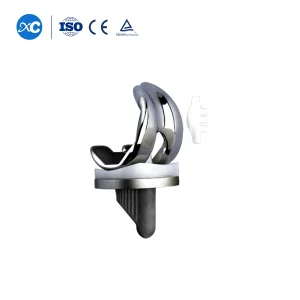
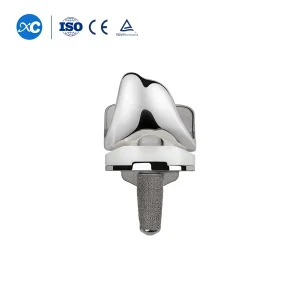
Clinical data from South American patient demographics shows a wide variation in distal femoral sizing. Our design incorporates a high-flexion femoral component with an asymmetric tibial baseplate, allowing for maximum bone preservation, natural kinematics, and rotation limits up to 135 degrees.
We do not merely sell orthopedic hardware; we supply end-to-end clinical systems. Recognizing the diversity of infrastructure within public hospitals and high-end private clinics in cities like Barquisimeto, San Cristóbal, and Puerto La Cruz, we offer specialized product packages tailored to each tier of care:
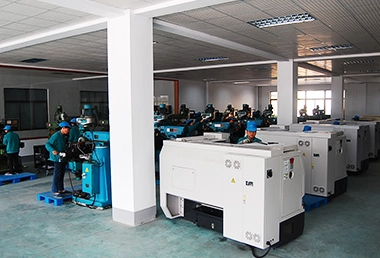
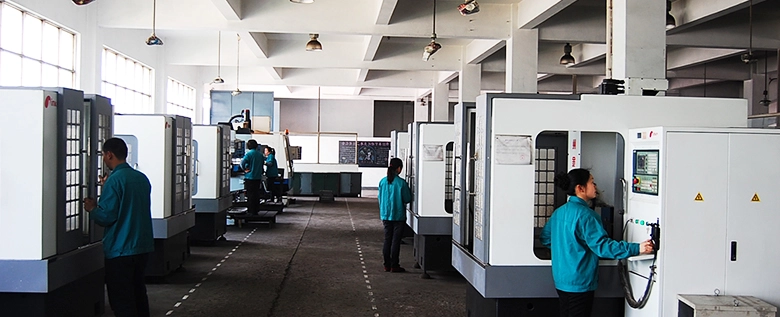
Under our quality system complying with ISO 9001:2015, EN ISO 13485:2016, and CE standards, our state-of-the-art facility integrates advanced testing and automated production lines.
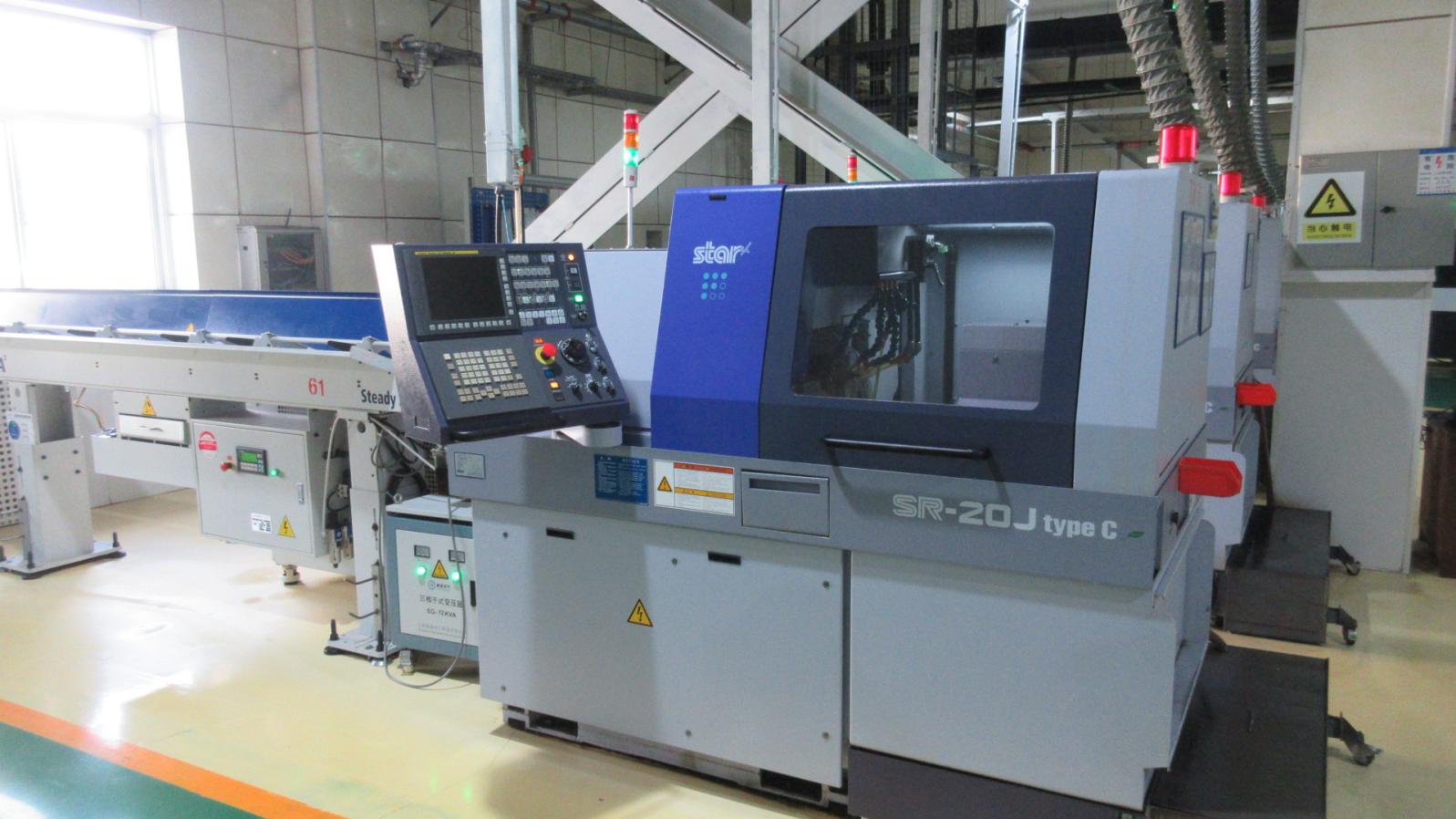
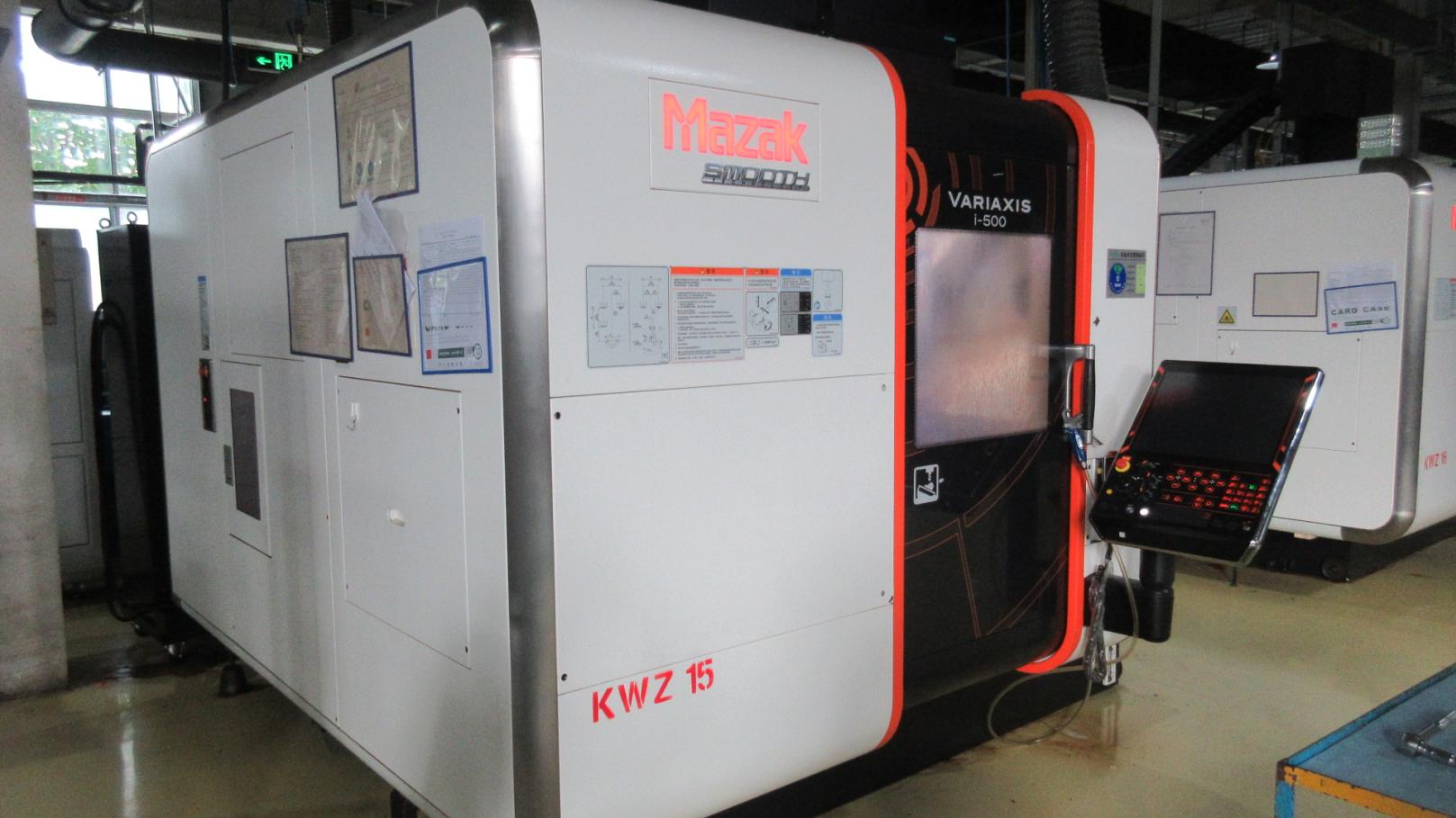
Operating from our integrated manufacturing campus, our production floor combines smart automation with rigorous QA protocols. Our quality control cycle begins at the raw material stage: every batch of medical-grade Titanium and Cobalt-Chromium alloy is tested for chemical composition, microstructure, and mechanical properties.
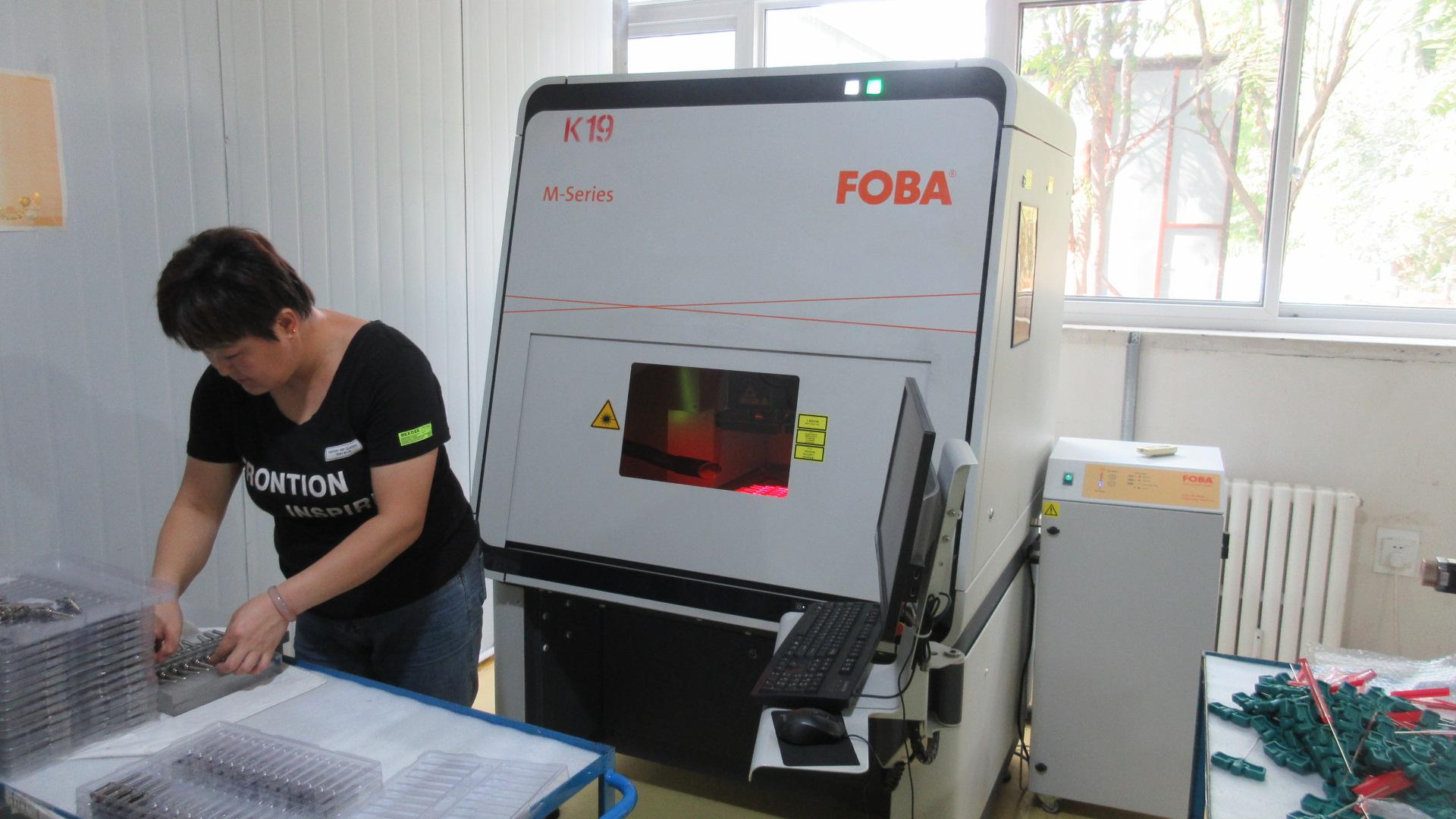
By utilizing high-speed multi-axis CNC machines and automated grinding lines, we eliminate human error and ensure that every single prosthesis component meets tight dimensional tolerances. Following machining, implants undergo automated ultrasonic cleaning, laser engraving for complete batch traceability, and biological barrier packaging under cleanroom environments.
This integrated model guarantees supply chain resilience. During global shipping challenges, our deep reserves of raw materials and flexible production planning allow us to fulfill bulk orders from Venezuela on time, bypassing the common delays that affect smaller manufacturers.
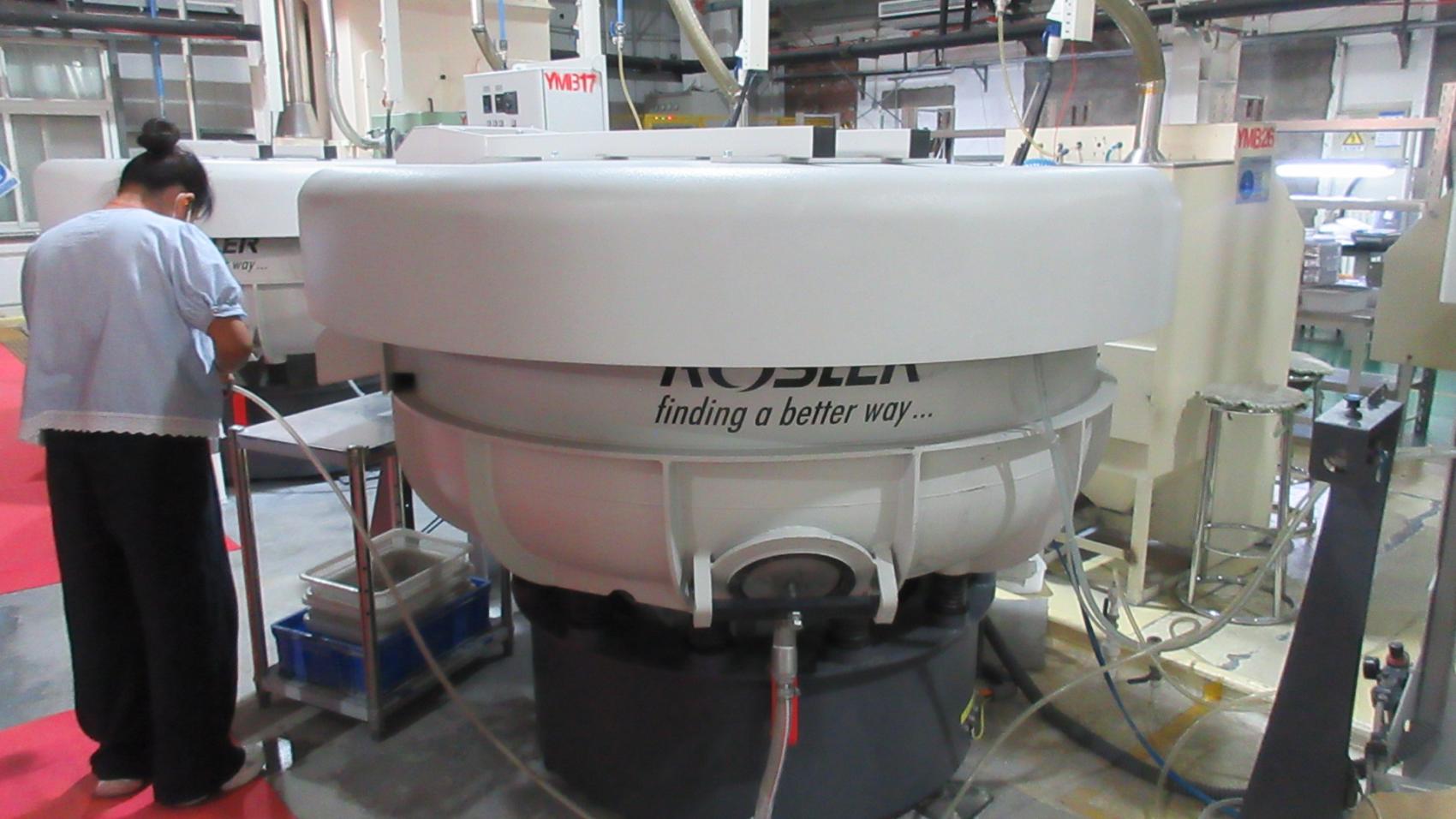
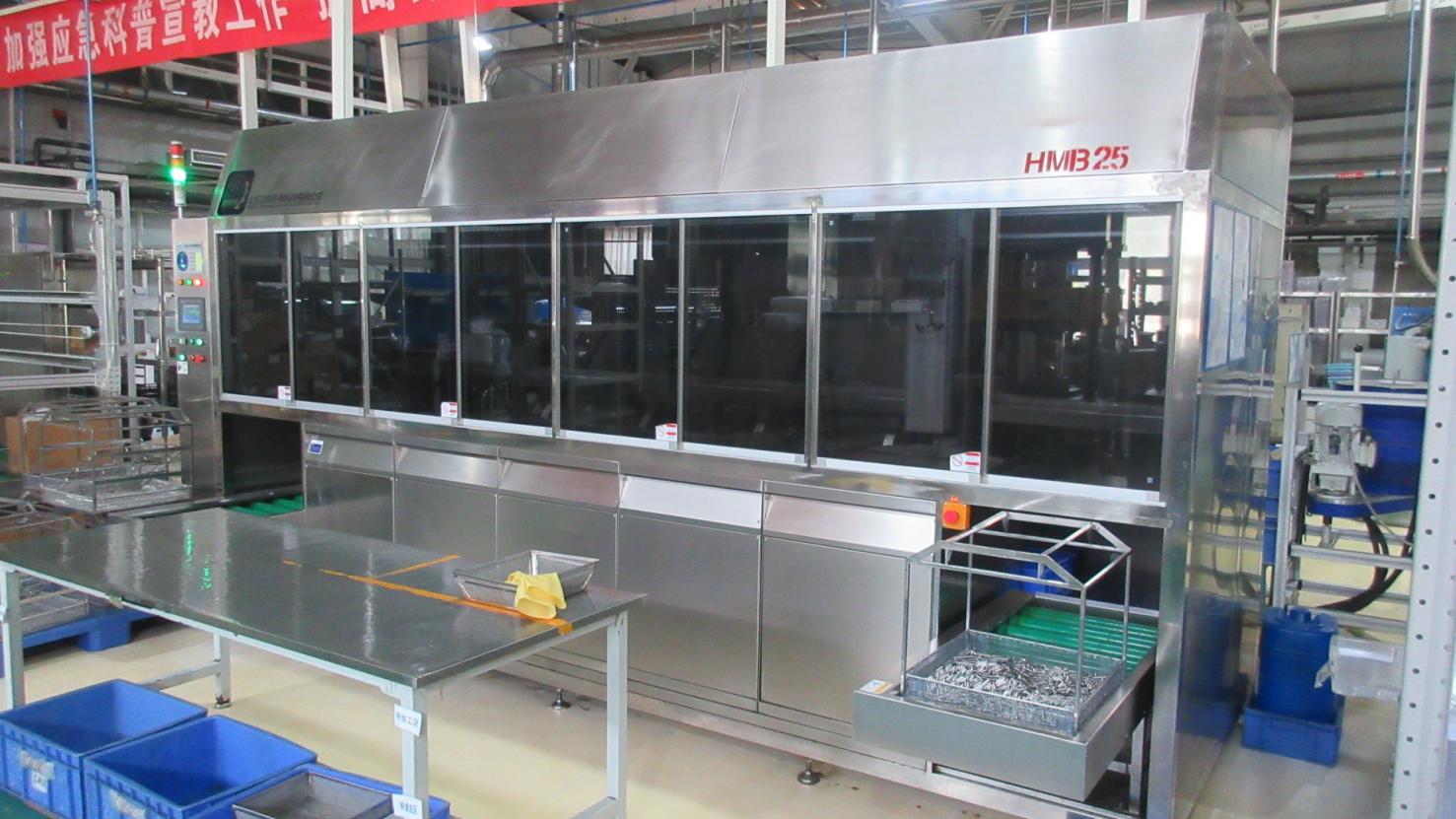
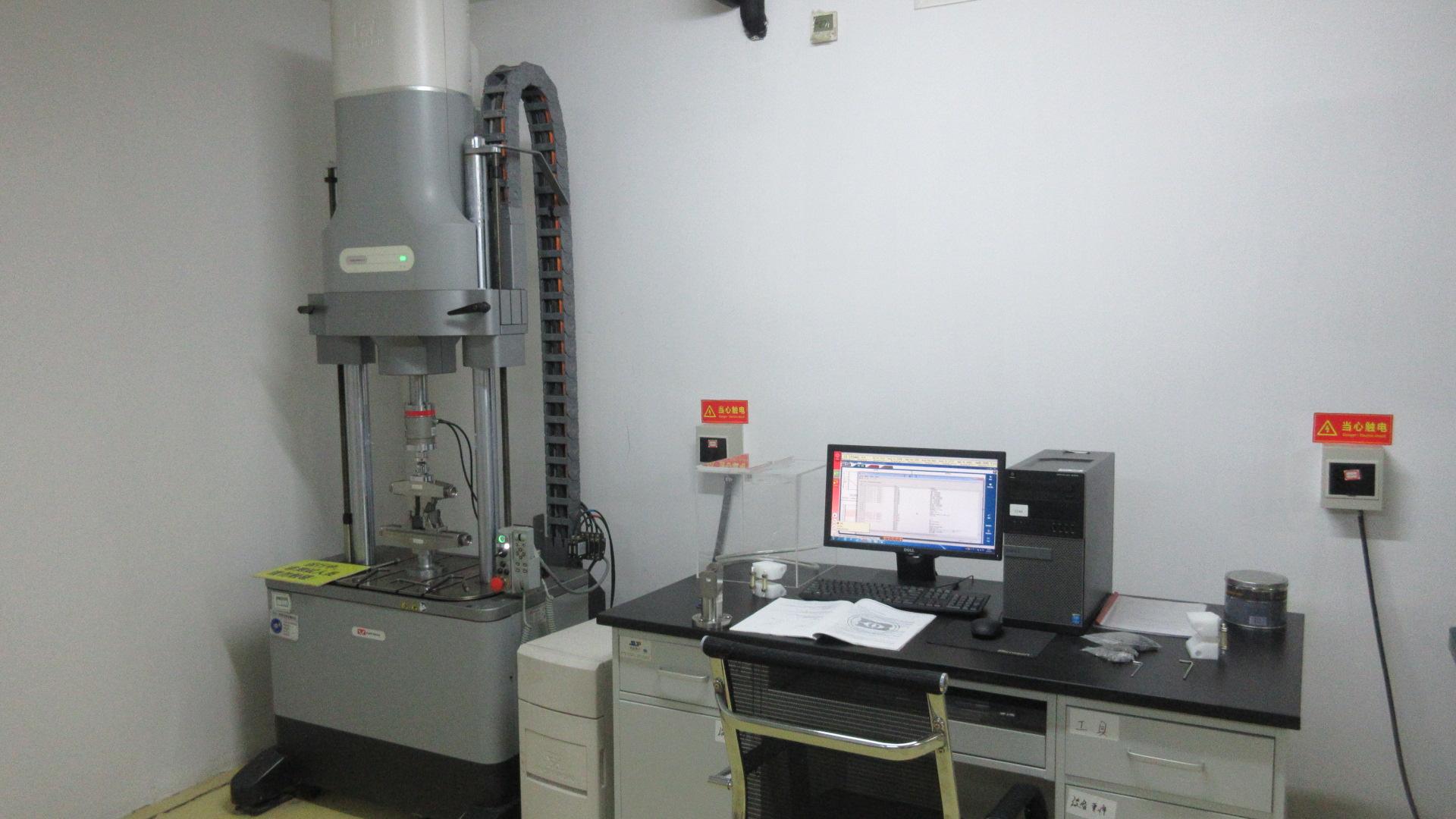
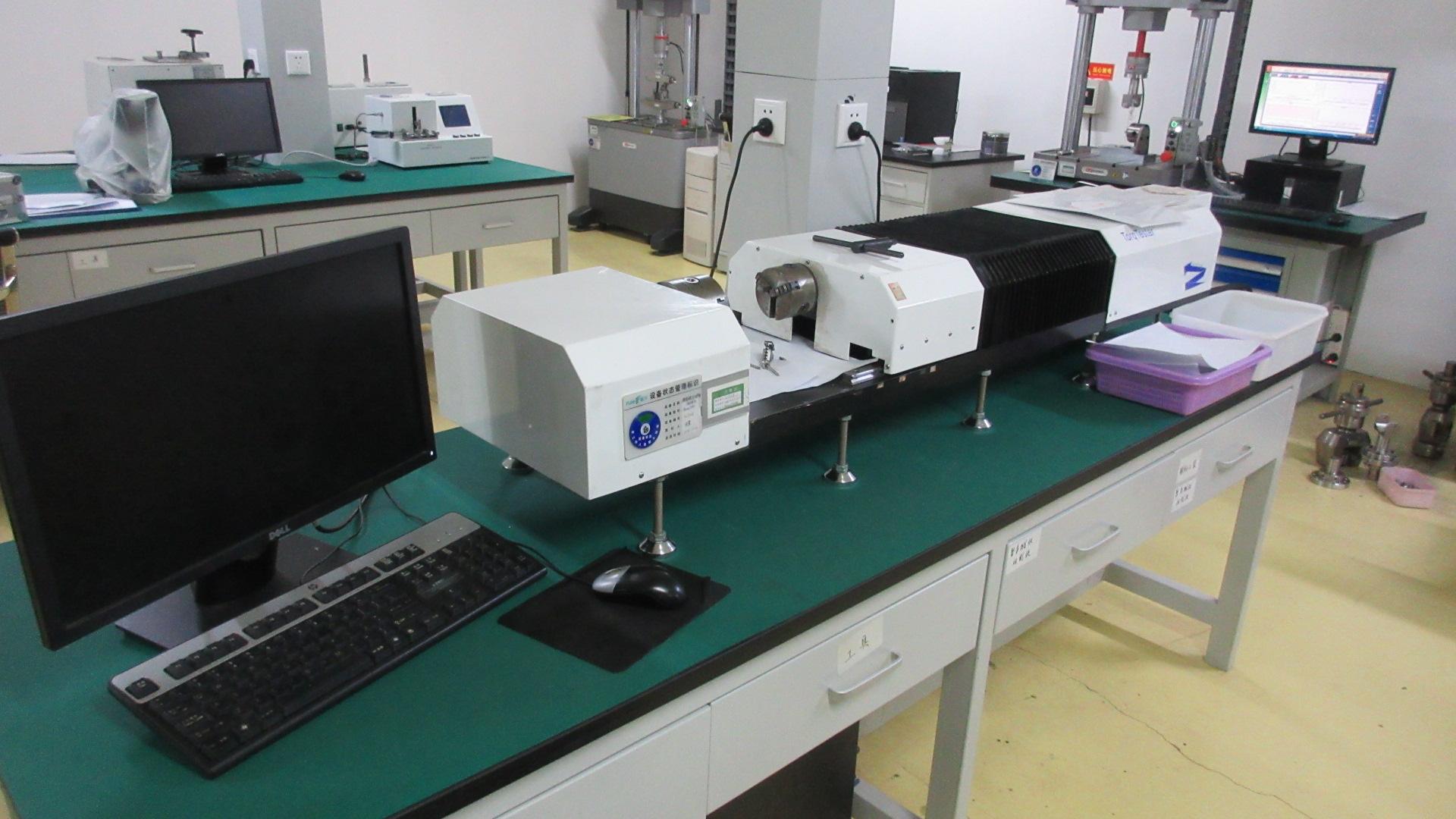
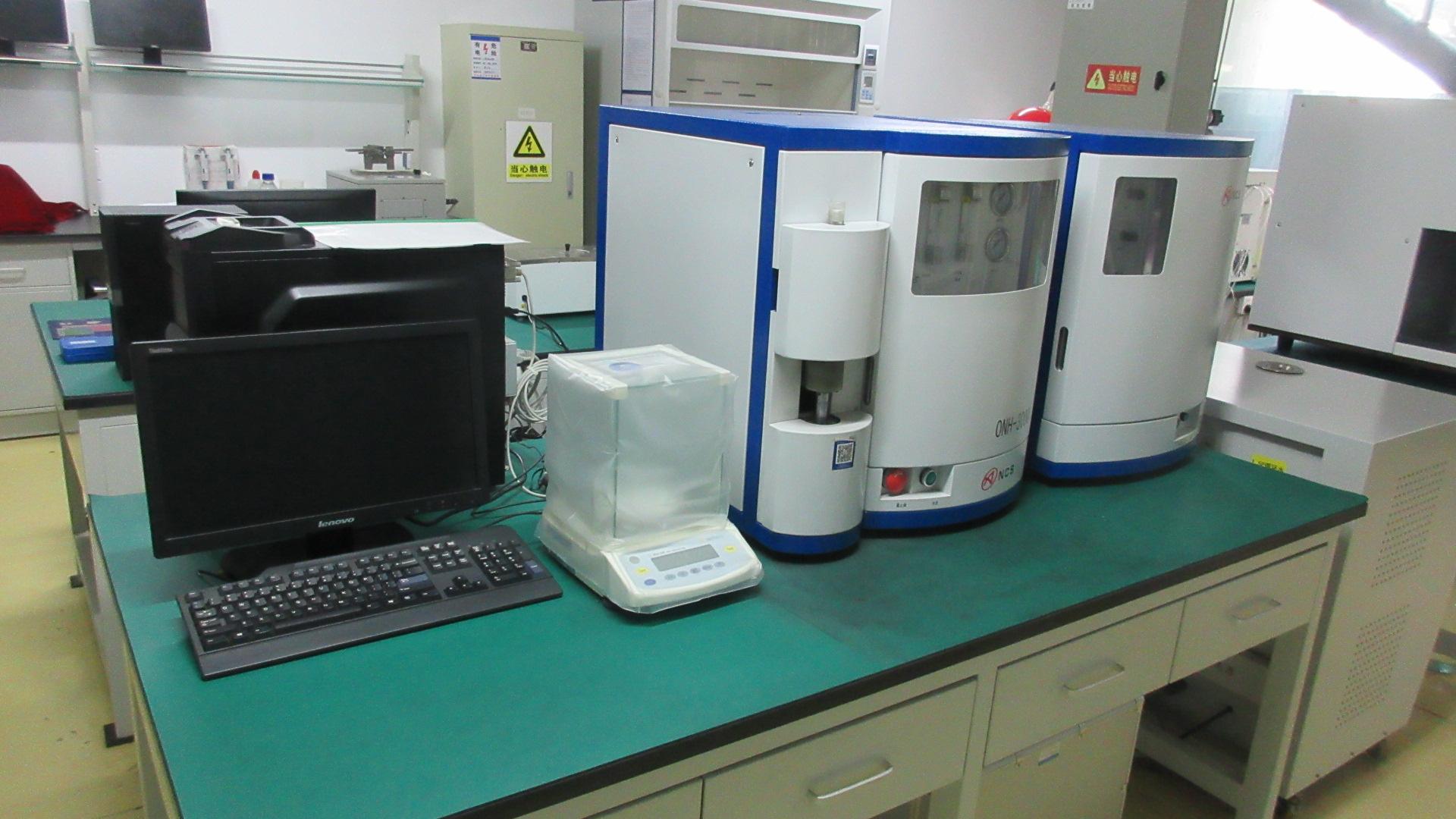
At our facility, Quality Control starts before the manufacturing processes begin. With a highly equipped laboratory, our R&D team consists of engineers who persistently conduct research and seek feedback from surgeons globally.
Our in-house validation testing includes:
Importing medical hardware into Venezuela requires documentation, tracking, and compliance. We provide customized logistical and administrative support to Venezuelan importers, distributors, and hospitals:
We cater to both large-volume public hospital bidding programs and specialized clinic distributions. Our supply chain is structured to adapt to different purchasing models:
For public tenders (such as IVSS purchase programs), we provide high volume capacity, batch consistency, and long shelf-life sterile packaging. For private surgical clinics requiring just-in-time stocking, we support distributors with low minimum order quantities (MOQs) on specialty implant components.
Through regular communication, our logistics coordinators monitor shipping routes to prevent any delays that could affect scheduled operating procedures in Venezuelan medical centers.
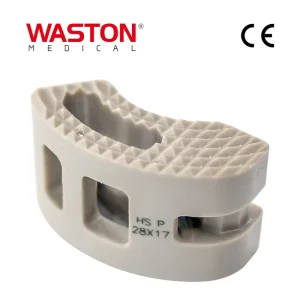
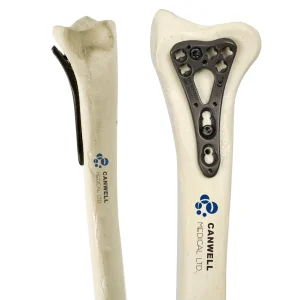
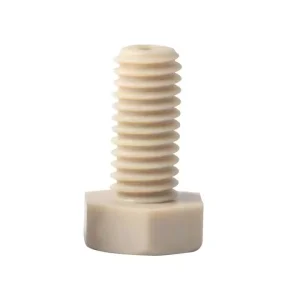
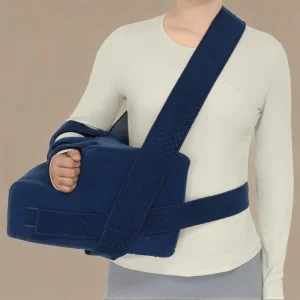
A wider selection of orthopedic implants, specialized fixation devices, spinal hardware, and medical materials for diverse surgical demands in Venezuela.
Answers to common technical, logistics, and compliance queries related to importing orthopedic implants into Venezuela.
We provide a comprehensive documentation packet to facilitate registration with the Servicio Autónomo de Contraloría Sanitaria (SACS) and the Ministerio del Poder Popular para la Salud (MPPS). This packet includes: ISO 13485:2016 quality management system certificate, European CE mark certification, Certificate of Free Sale (CFS) legalized or apostilled, biocompatibility reports (ISO 10993), chemical composition analyses, and product instructions in Spanish.
To support distributors, public tenders, and clinic networks, our MOQs are flexible. For standard TKA/TKR primary prostheses, we support entry-level batches for initial clinic trials, followed by structured contract supplies. Please contact our international sales team for a custom quote based on your product mix.
Our quality control laboratory utilizes dynamic fatigue testers to simulate in-vivo biomechanical loading. The femoral and tibial baseplate components are subjected to mechanical loading of up to 10 million cycles under simulated physiological environments, meeting ISO 14879 standards, to verify high fatigue strength.
Yes, we work closely with global and Venezuelan logistics agents. We offer both sea and air shipping on FOB, CIF, or DDU bases. Our documentation is tailored for customs clearance at Venezuelan entry points such as Puerto Cabello, La Guaira, or Caracas Maiquetía airport.
Yes, we maintain trace records for all raw materials. Every Cobalt-Chromium or Titanium batch is matched to its mill certificate, with chemical and structural analysis verified by our laboratory. This allows us to trace any implant back to its raw material source.
Optimize your clinical supply chain with high-performance orthopedic implants and dedicated localization support for the Venezuelan healthcare market.
Send Inquiry Now Voila Orthopedic Implants