Incision and Exposure
Make an Incision:
Make a small incision at an appropriate position near the fracture site (1-3 cm). Avoid important nerves and blood vessels.
Expose the Fracture End:
Gently separate soft tissues layer by layer to fully expose the fracture end.
Fracture Reduction
Restore the fracture to its normal anatomical position via manual traction and rotation under C-arm fluoroscopy monitoring.
Guide Wire Insertion
Insert the guide wire into the bone along the designed path until the tip reaches the appropriate position. The wire should be as perpendicular as possible to the fracture plane.
Determination of Screw Length
Use dedicated measuring tools over the guide wire. Select a screw 2-4 mm shorter than the measured length with appropriate thread length.
Drilling
Use a cannulated drill bit and irrigation solution to minimize thermal injury. Monitor depth with an image intensifier.
Screw Insertion and Fixation
Insert the headless compression screw over the guide wire. Turning the sleeve will close and compress the fracture. Ensure the screw head is flush with the bone and trailing threads are fully buried.
Wound Closure
Irrigate the wound, suture in layers (deep tissues then skin), and perform appropriate dressing and fixation.
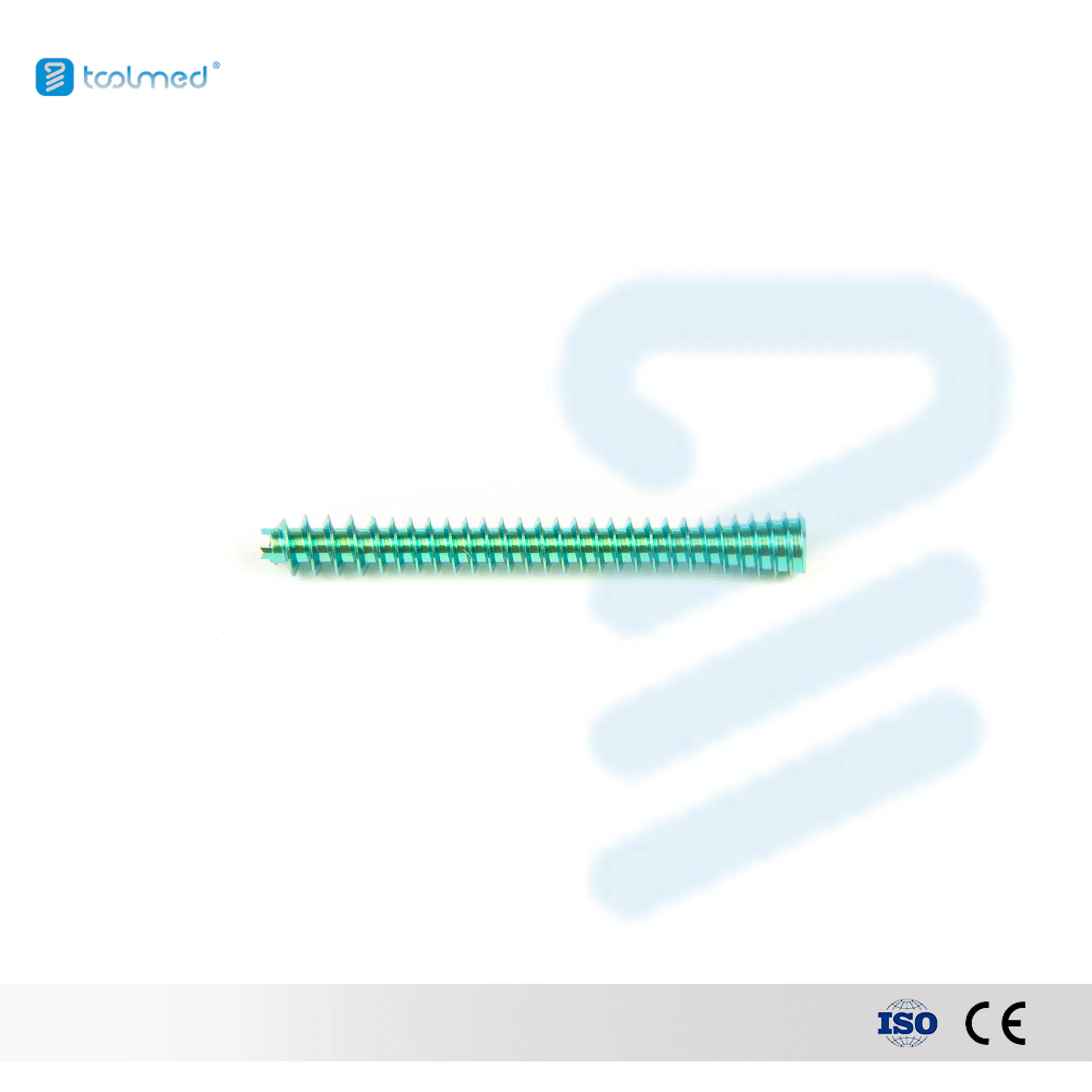
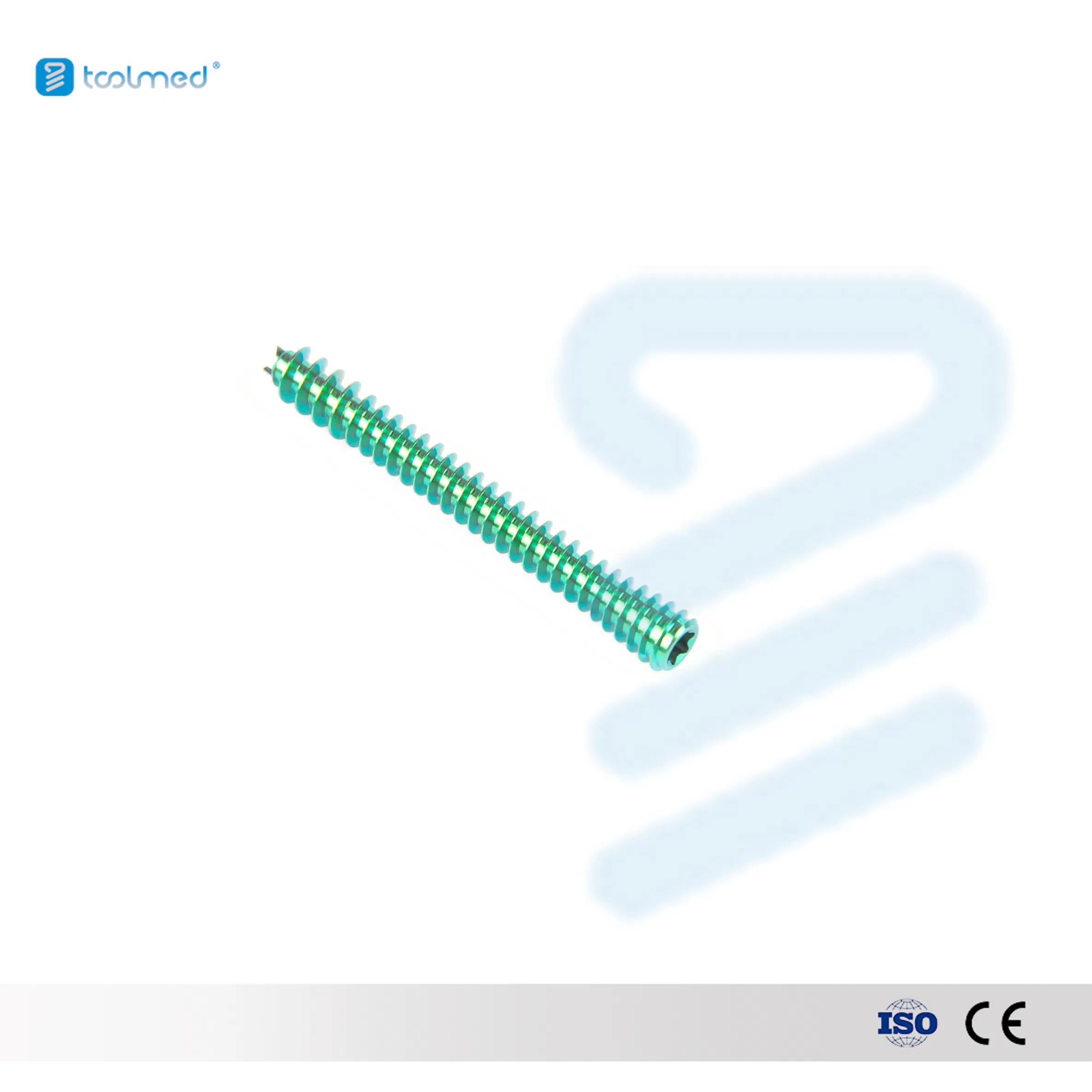
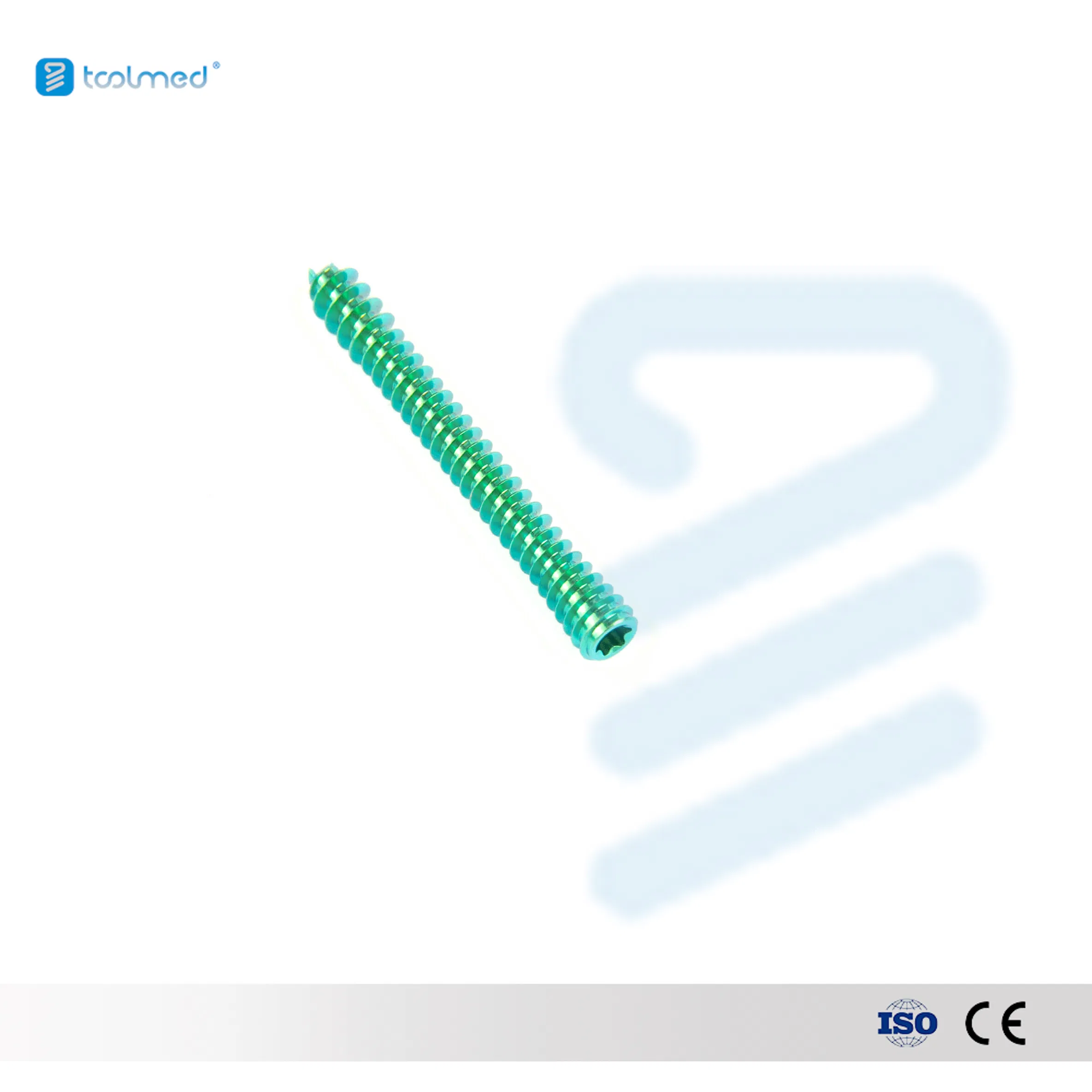
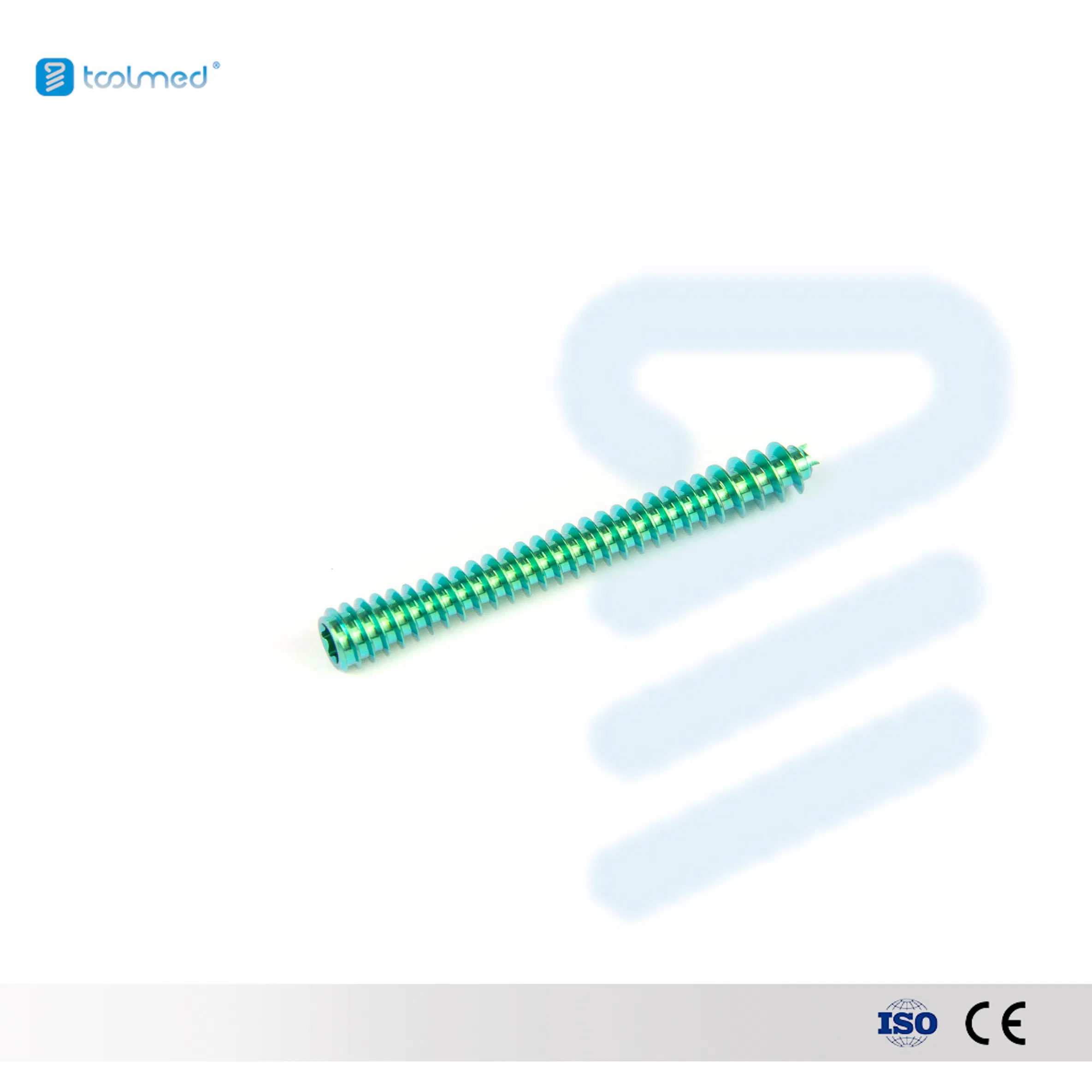
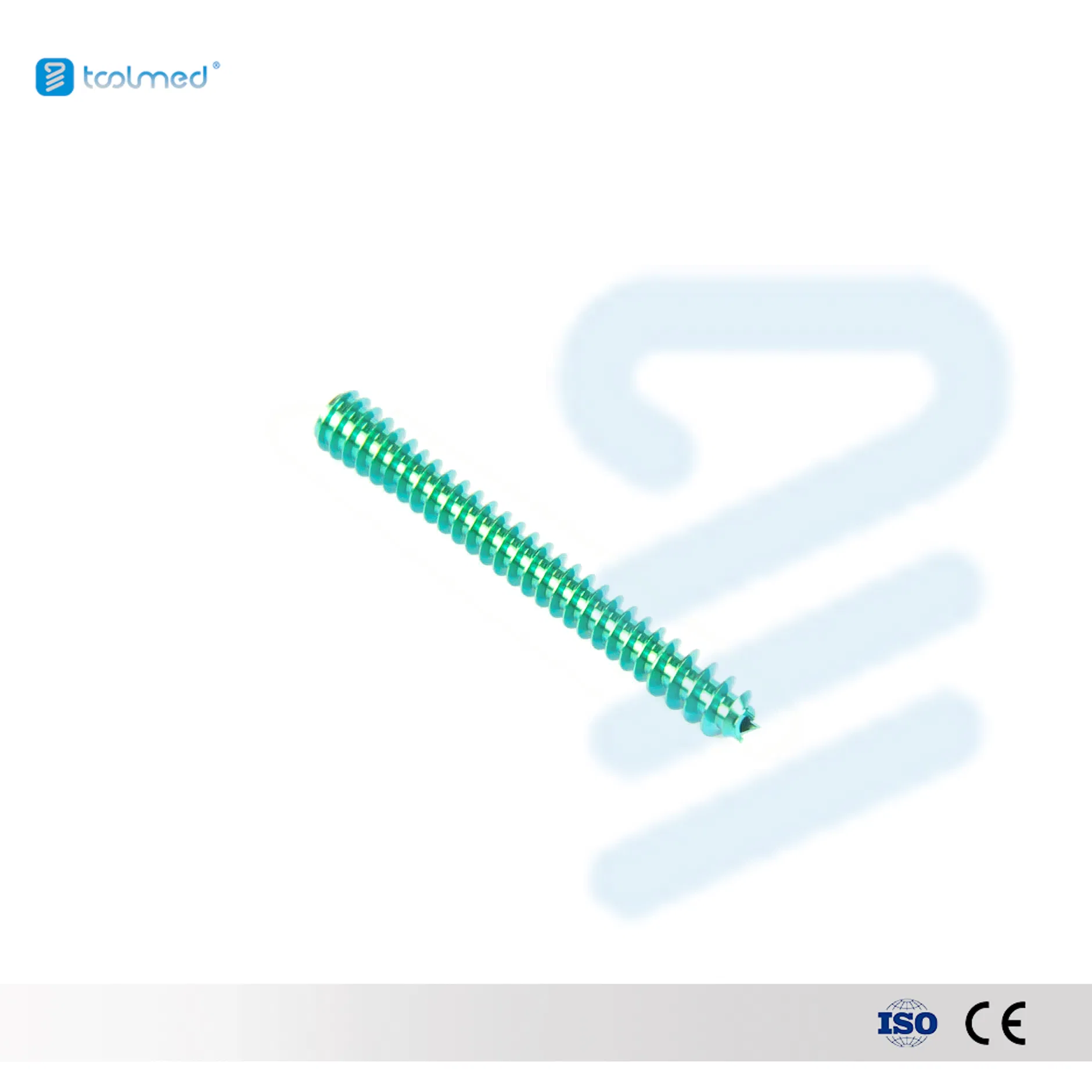
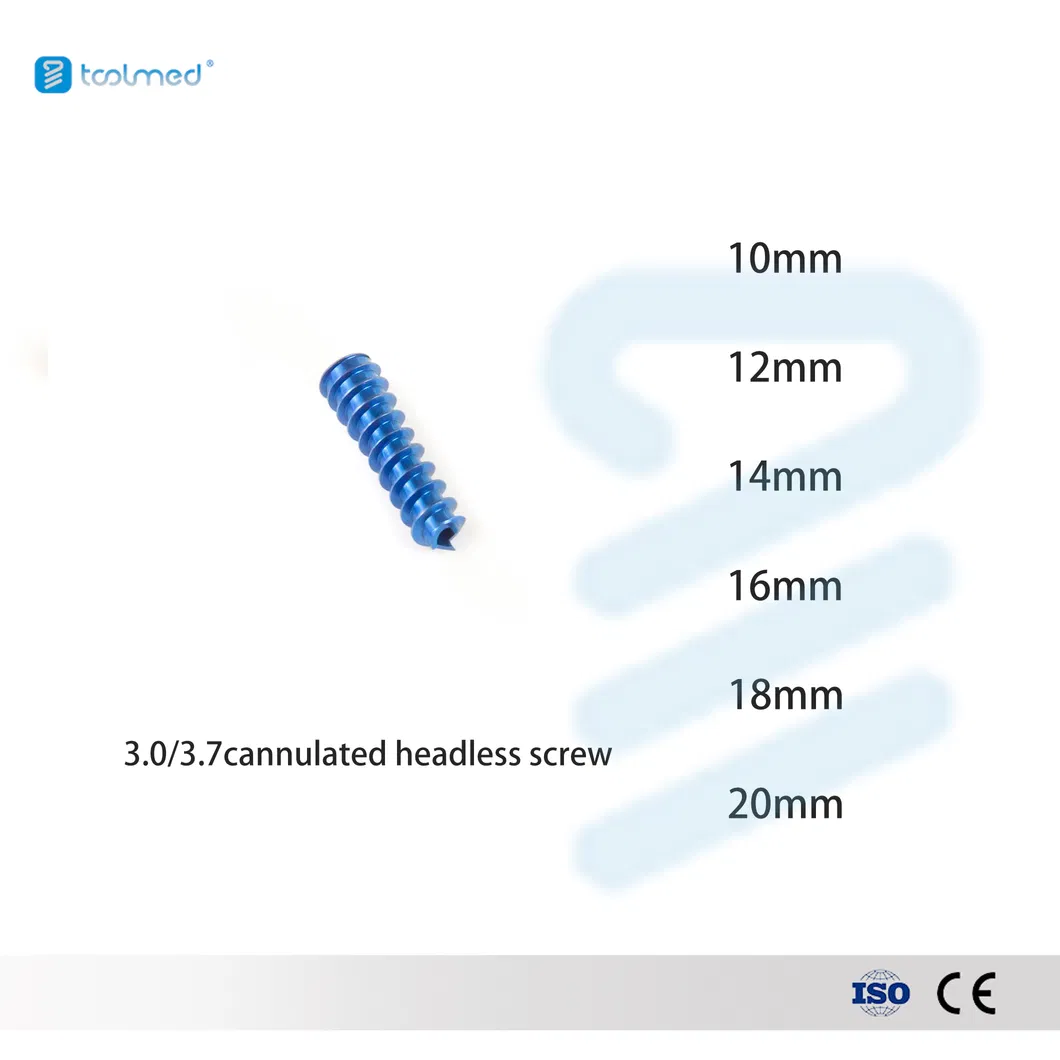
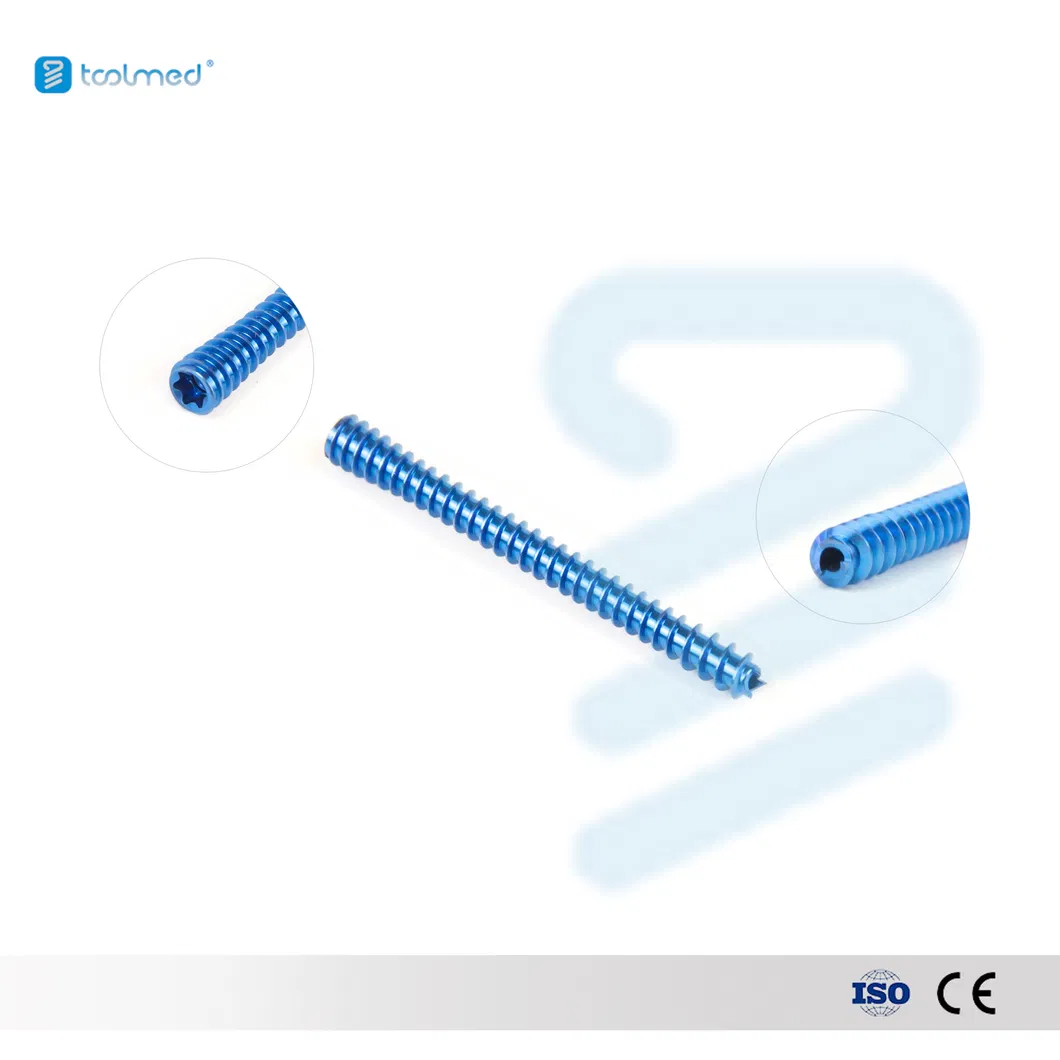
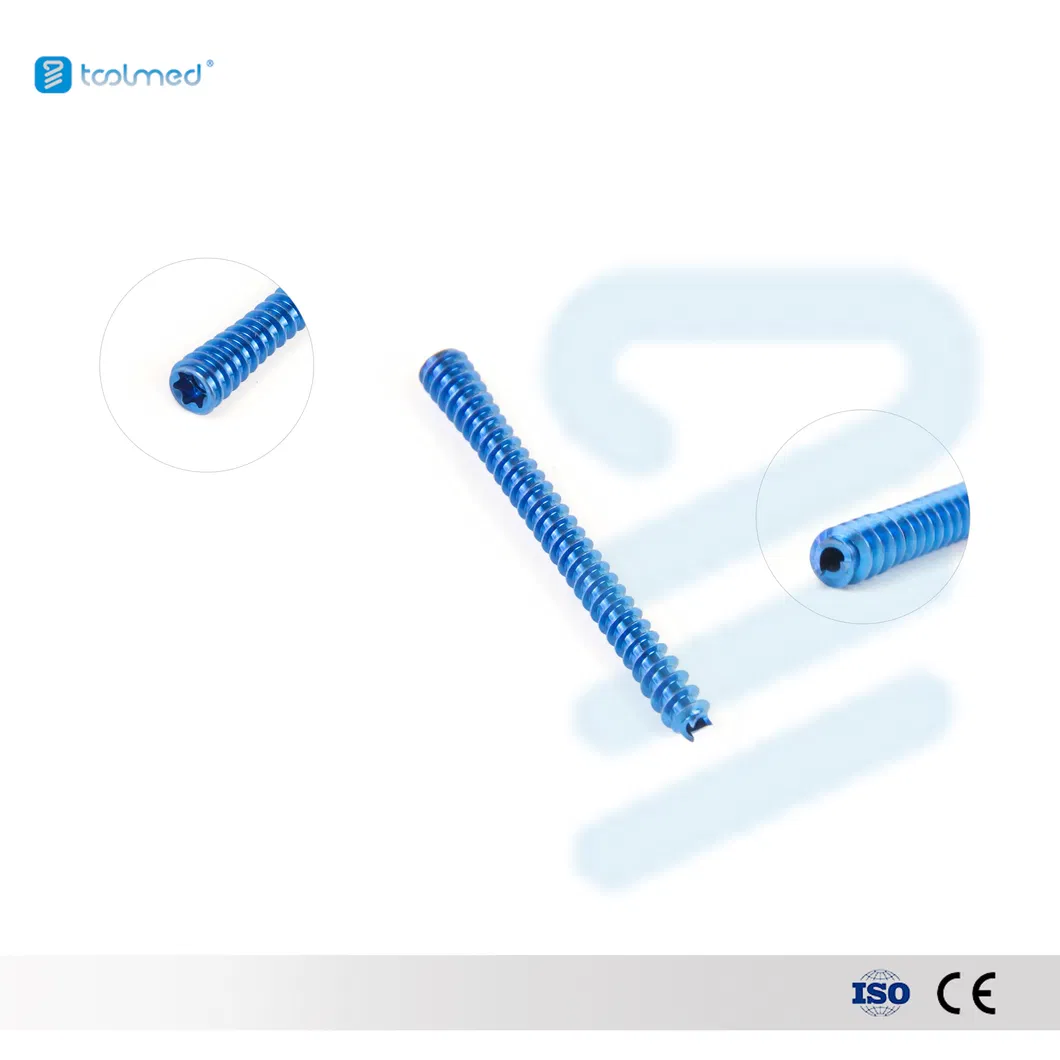
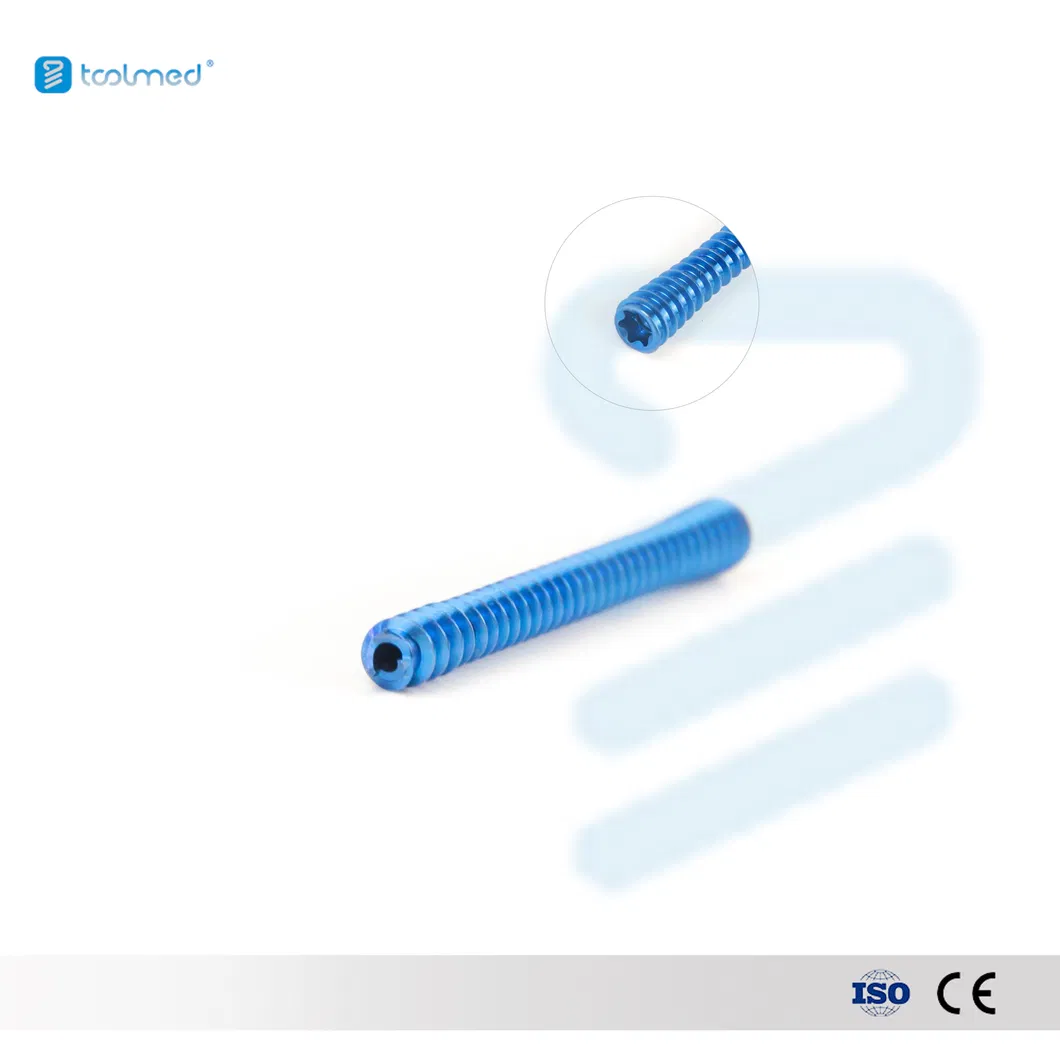
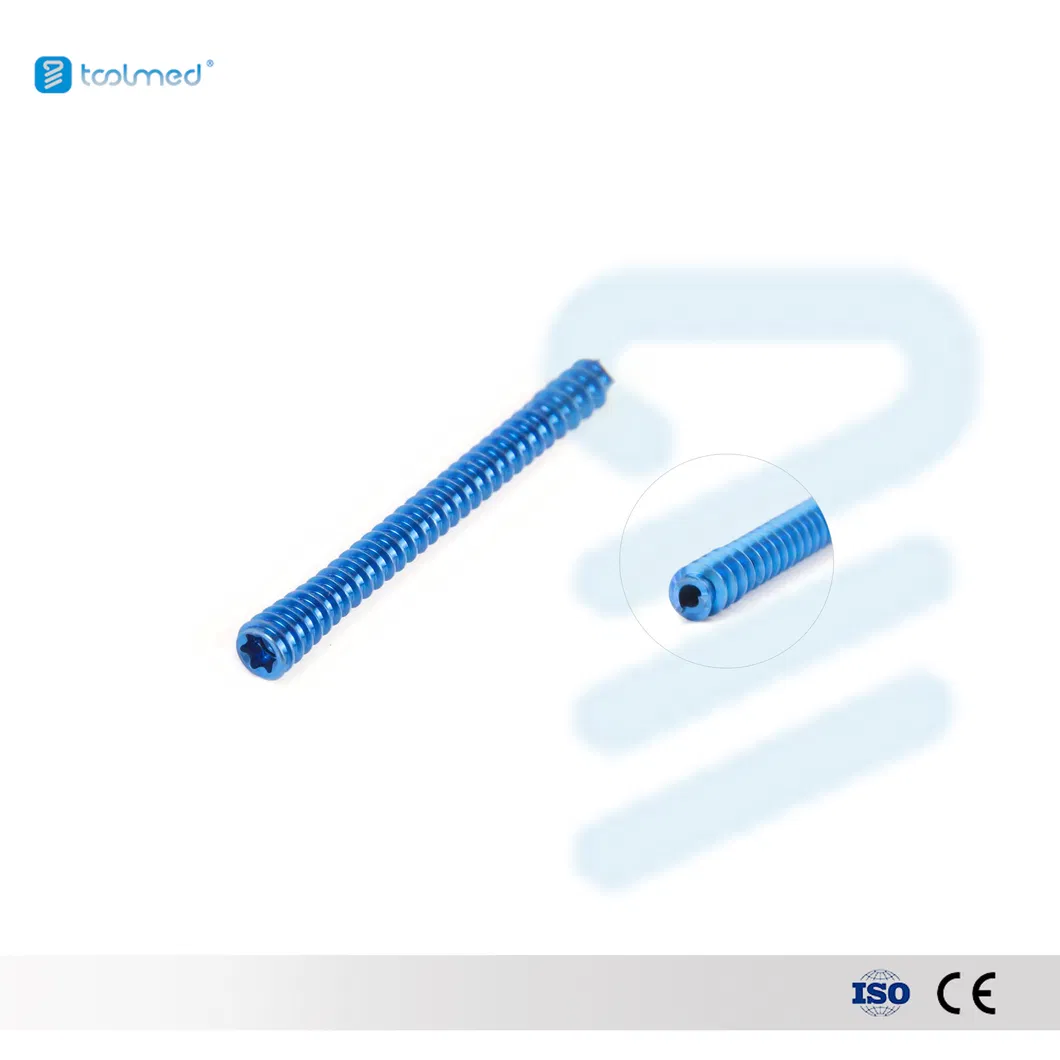
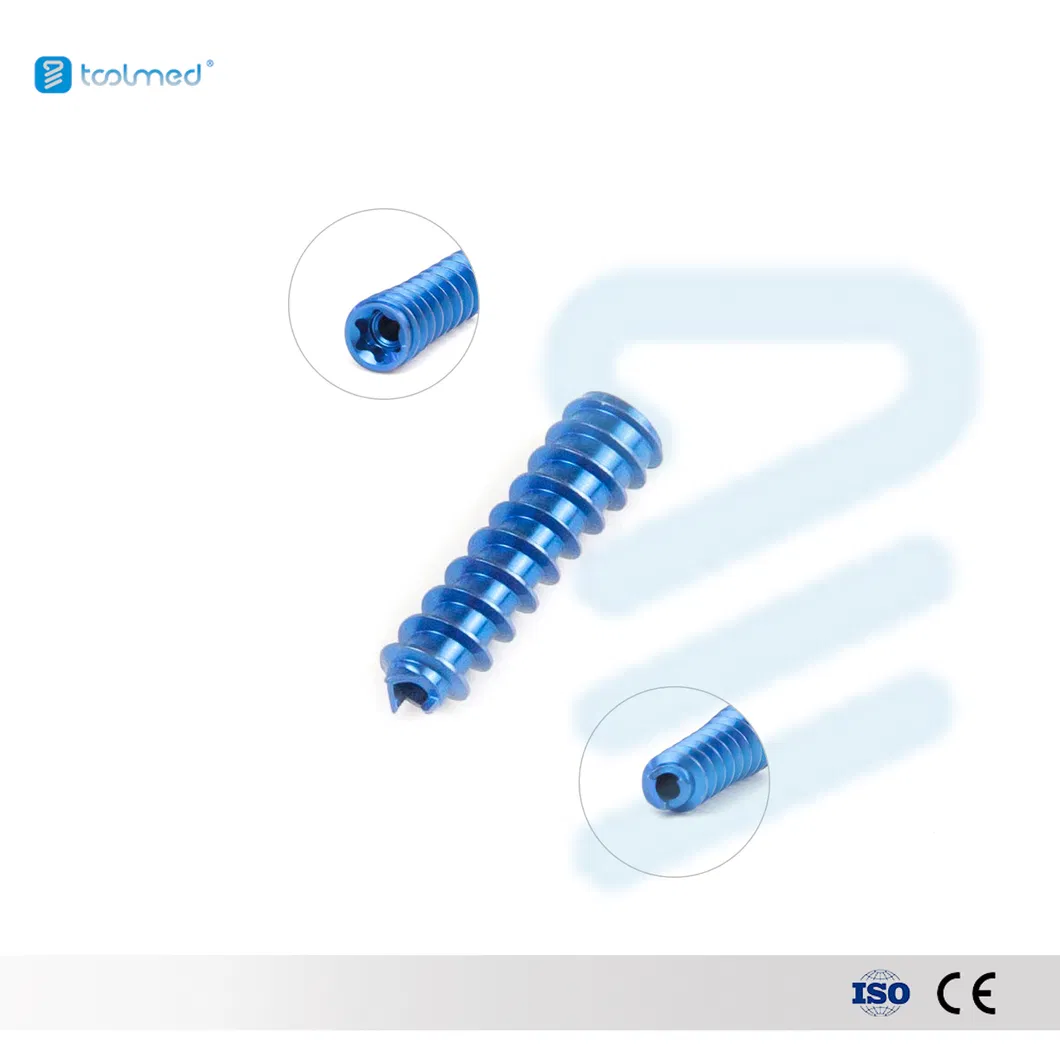
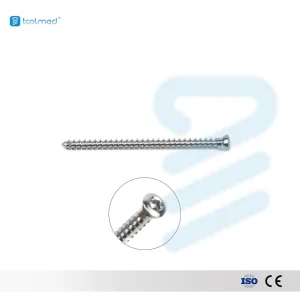
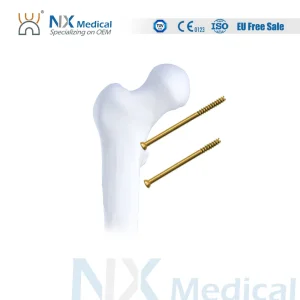
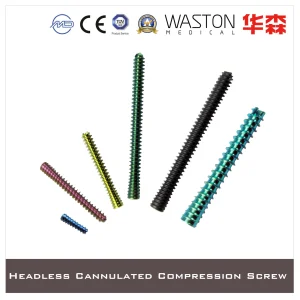
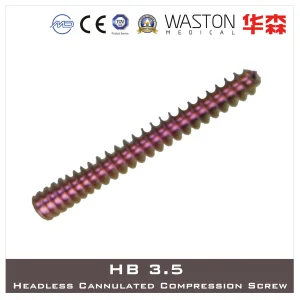
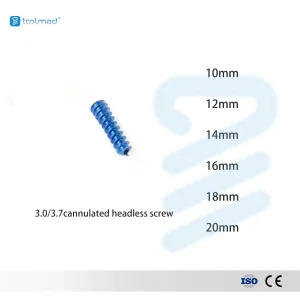
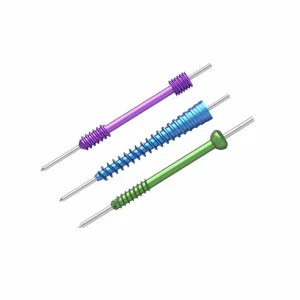
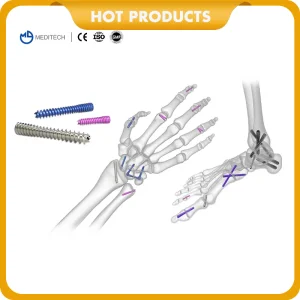
The Cannulated Headless Compression Screw (CHCS) is an innovative orthopedic implant used to fix bone fractures, particularly scaphoid fractures and long bone injuries (femur, tibia, humerus). It provides stable fixation while reducing damage to surrounding soft tissues.
Key Advantages
- Reduced risk of soft tissue damage due to headless design.
- Increased stability compared to traditional screws.
- Minimally invasive procedure leading to faster recovery.
- Greater range of motion post-surgery.
- Hollow center allows for accurate guide wire insertion and irrigation.
Types Available
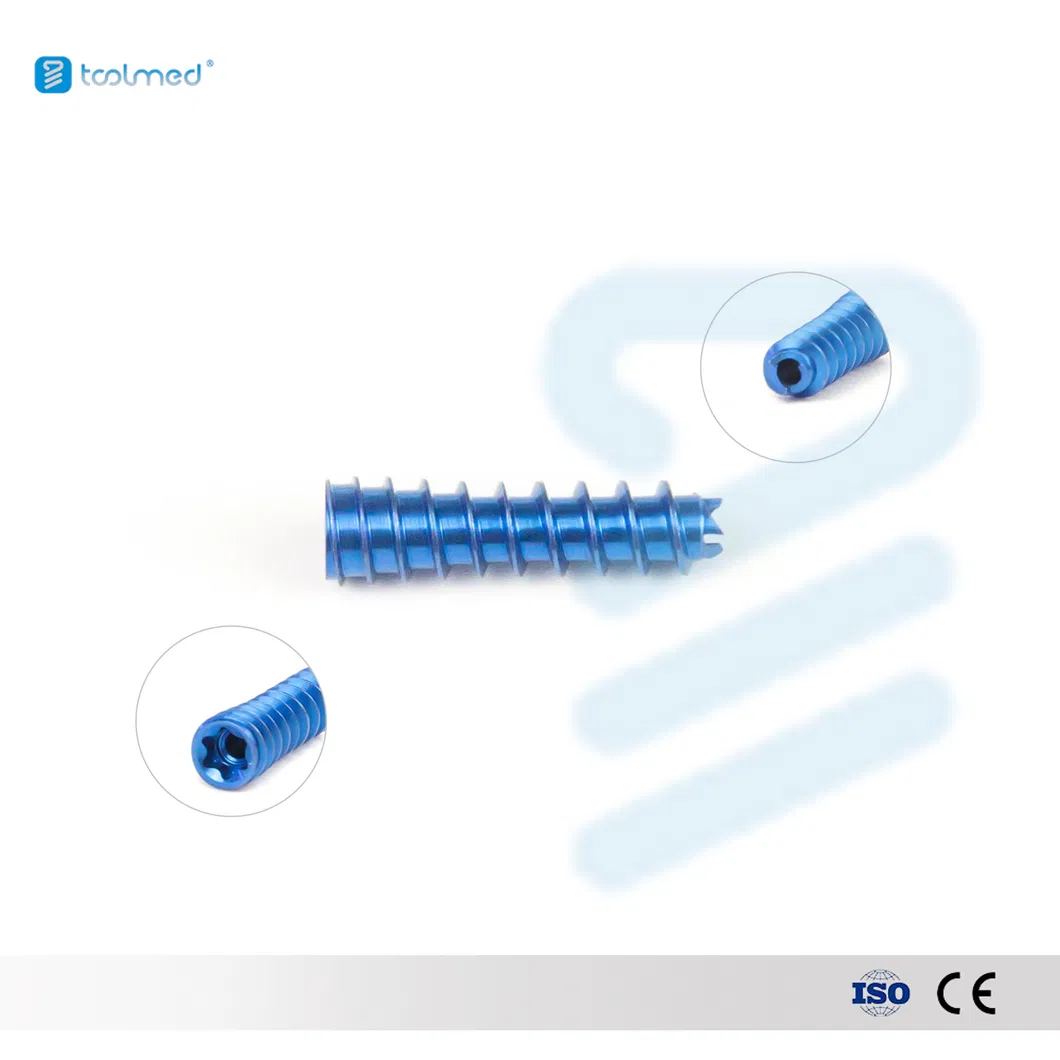
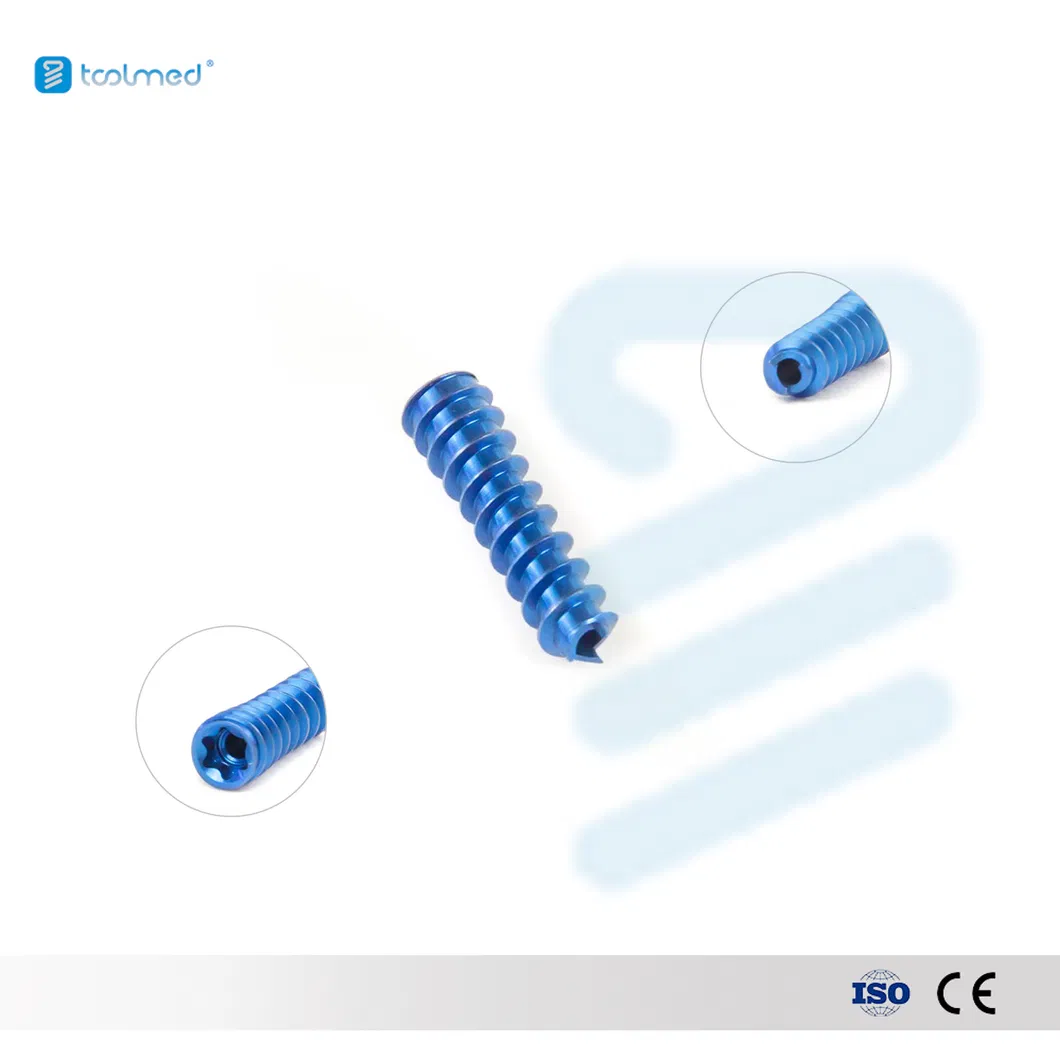
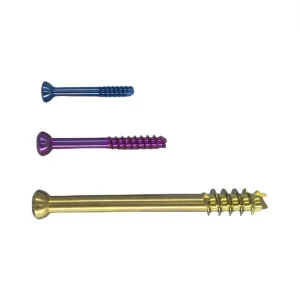
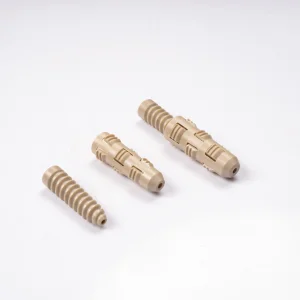
Available in various configurations including Fully threaded, Partly threaded, Self-drilling, and Self-tapping screws.
?
Frequently Asked Questions
1. What is a Cannulated Headless Compression Screw?
It is a hollow orthopedic screw without a protruding head, designed to compress bone fractures and promote healing while remaining flush with or below the bone surface.
2. How long does it take to recover from surgery?
Recovery varies based on fracture severity, but rehabilitation typically starts within a few weeks post-surgery and continues for several months.
3. Can these screws be removed after the bone heals?
Yes, in cases where they cause pain or complications, they can be removed in consultation with a physician.
4. What materials are the screws made of?
They are typically manufactured from high-grade titanium alloy or stainless steel to ensure biocompatibility.
5. Are there activity restrictions post-surgery?
Patients are usually advised to avoid weight-bearing on the affected limb for several weeks and follow a specific physical therapy plan.
6. Are these screws covered by medical insurance?
Most insurance plans cover the cost of these implants when they are deemed medically necessary for fracture repair.
 Voila Orthopedic Implants