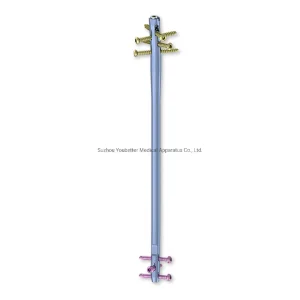
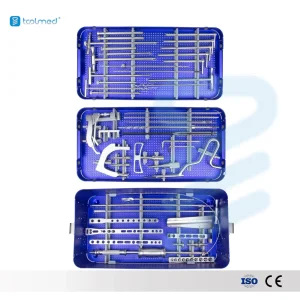
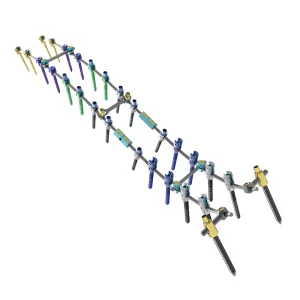
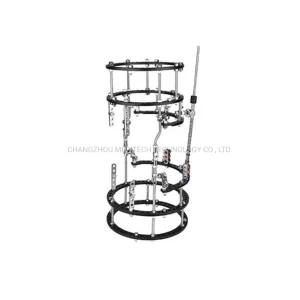
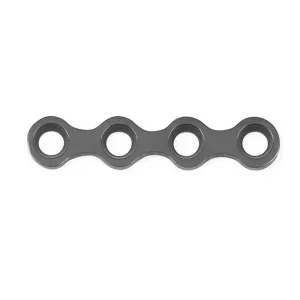
Explore our premium range of clinical-grade implants, high-performance trauma systems, and specialized instruments engineered for maximum surgical precision.
Understanding the transition from standard mass production to patient-specific biocompatible solutions.
The global orthopedics market is undergoing a structural paradigm shift driven by additive manufacturing (3D printing). By facilitating the layer-by-layer fabrication of complex geometries, 3D printing enables medical device manufacturers to mimic the natural trabecular bone structure. This porous architecture stimulates rapid bone ingrowth (osteointegration), significantly lowering revision rates for critical surgeries.
Today, the commercialization of 3D-printed orthopedic solutions spans spinal fusion cages, customized craniomaxillofacial (CMF) plates, and patient-matched joint reconstruction components. The market valuation is projected to achieve double-digit compound annual growth rates (CAGR) over the next decade, propelled by regulatory clearances (FDA 510(k), CE MDR) and standardized protocols for metal additive manufacturing. High-performance biocompatible materials such as Titanium alloy (Ti6Al4V ELI) and Polyether ether ketone (PEEK) dominate the production pipelines, ensuring optimal mechanical strength and minimized Young's modulus mismatch.
Lattice structures stimulate cellular migration and vascularization, promoting direct chemical and structural bonds with the host bone tissue.
Long-term clinical trials demonstrate a substantial reduction in implant migration and structural loosening compared to traditional smooth surfaces.
Standardized ASTM and ISO standards for powder bed fusion processes ensure consistent quality control and global regulatory clearance.
How state-of-the-art infrastructure and vertical supply chains enable unprecedented cost efficiency and execution speed.
China's medical additive manufacturing sector has matured from a cost-focused sourcing destination to an innovation-driven hub. Powered by large-scale installations of advanced Selective Laser Melting (SLM) and Electron Beam Melting (EBM) platforms, Chinese factories deliver unmatched production throughput. By localizing raw titanium powder synthesis, gas atomization, and precision post-processing within tightly integrated industrial clusters, these facilities drastically compress lead times.
Furthermore, the domestic ecosystem benefits from deep vertical integration. A single manufacturing location often houses the entire chain: from 3D modeling, finite element analysis (FEA), and printing to advanced five-axis CNC machining, vacuum heat treatment, and ISO Class 7 cleanroom packaging. This end-to-end control eliminates logistics delays, minimizes contaminate exposure, and ensures reliable compliance with international quality frameworks.
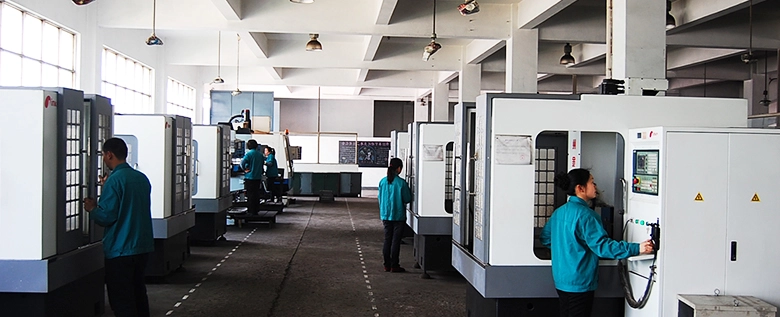
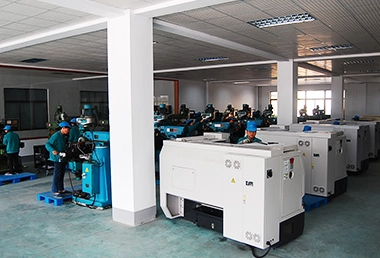
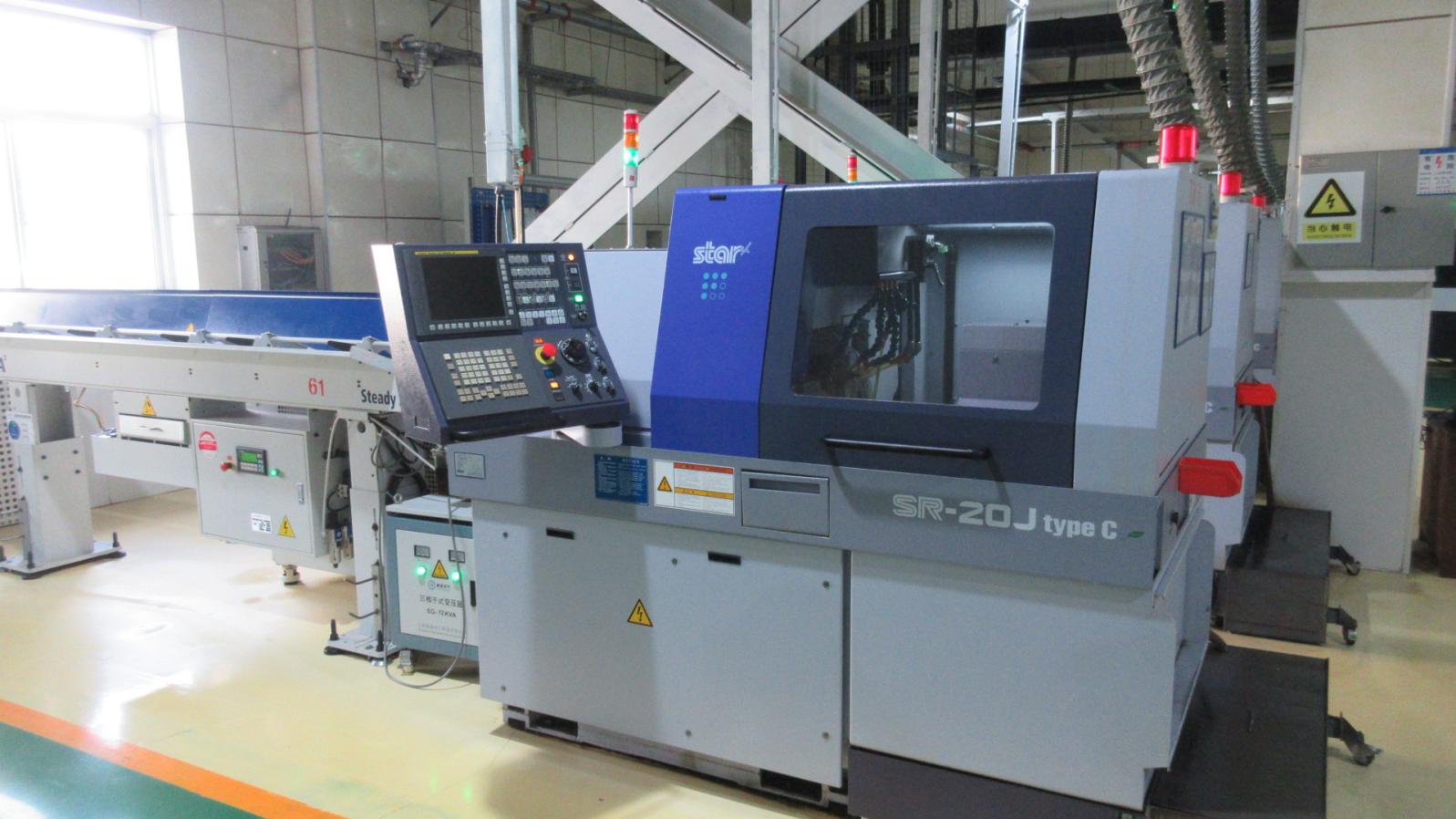
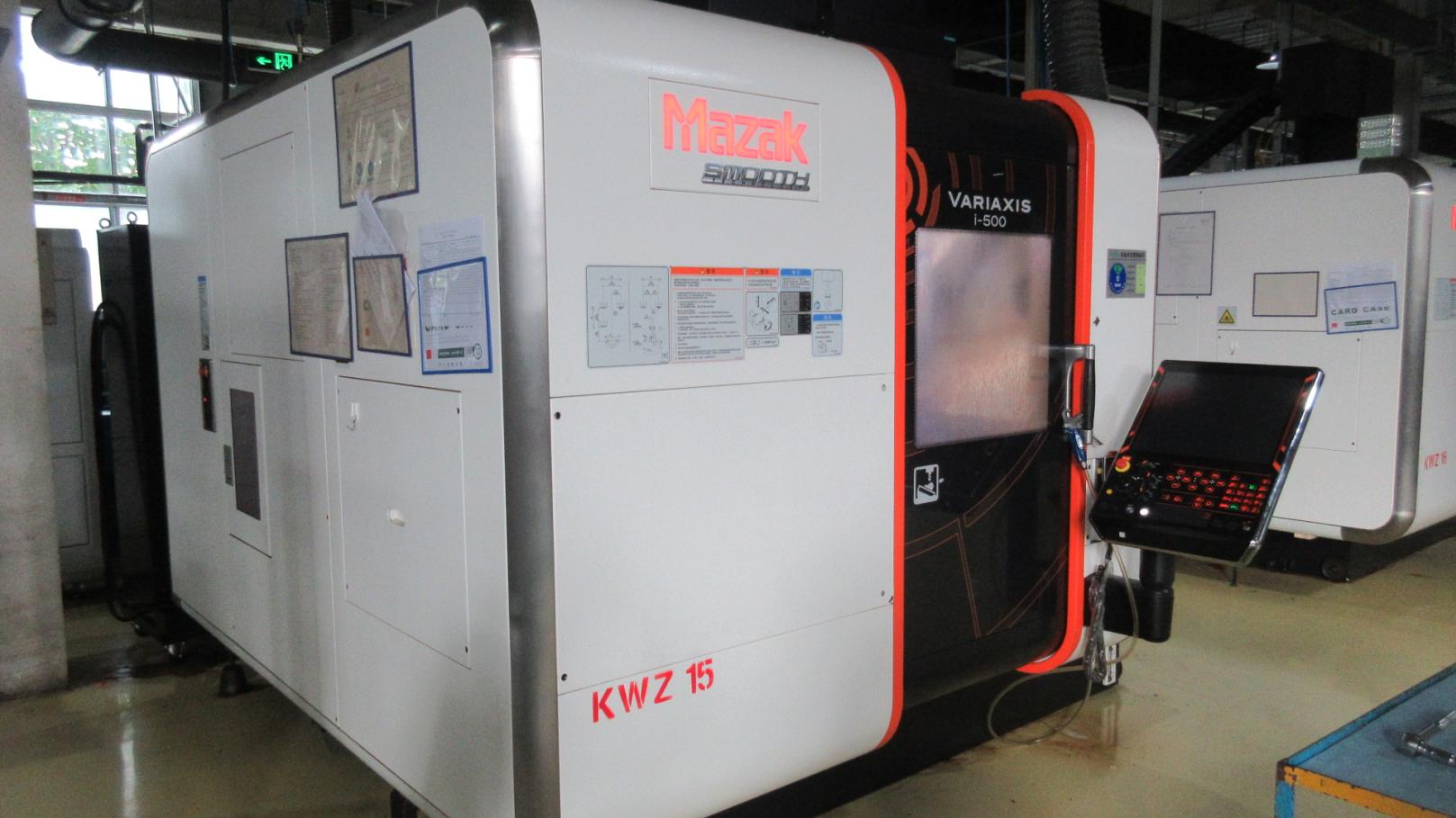
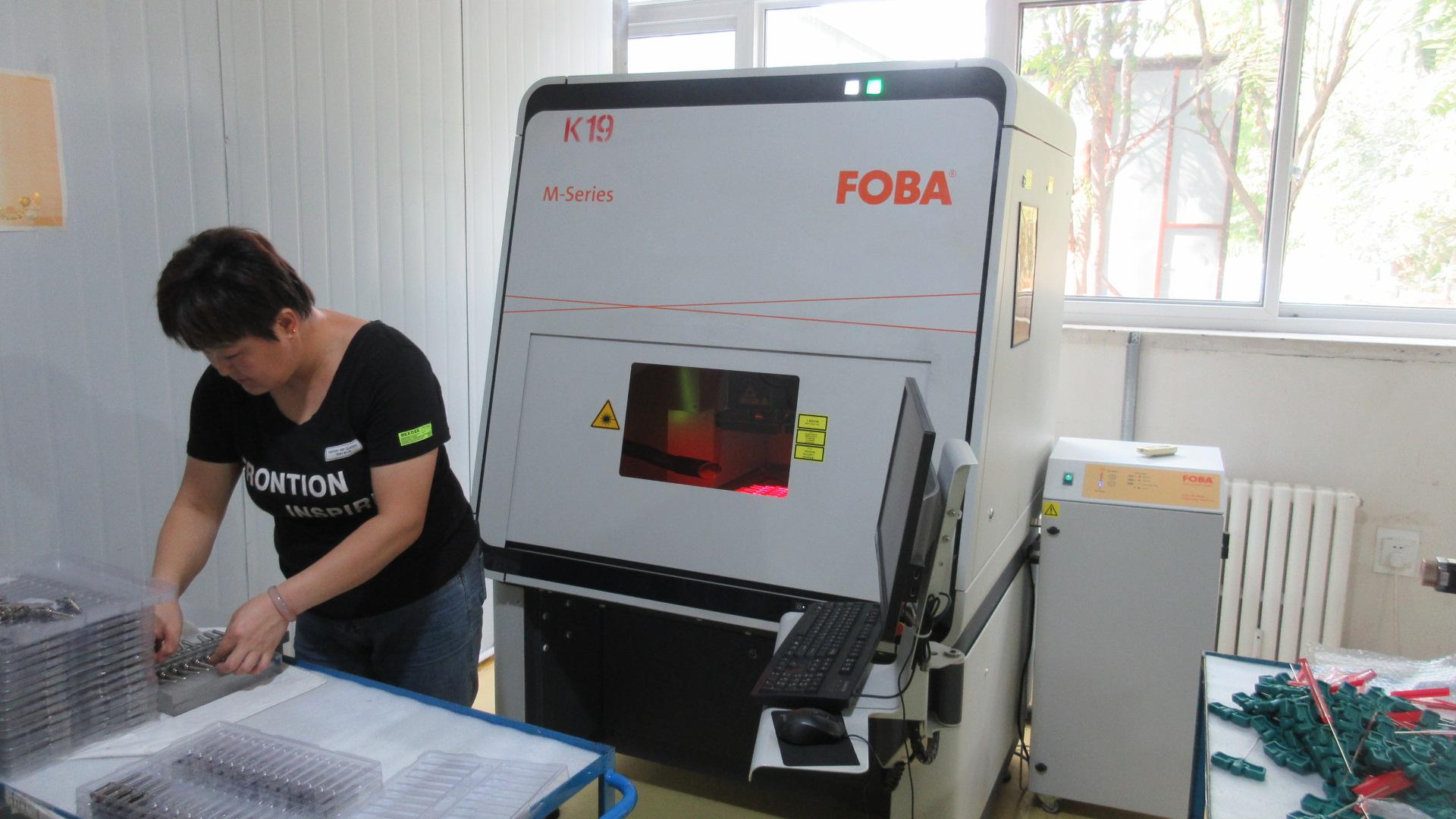
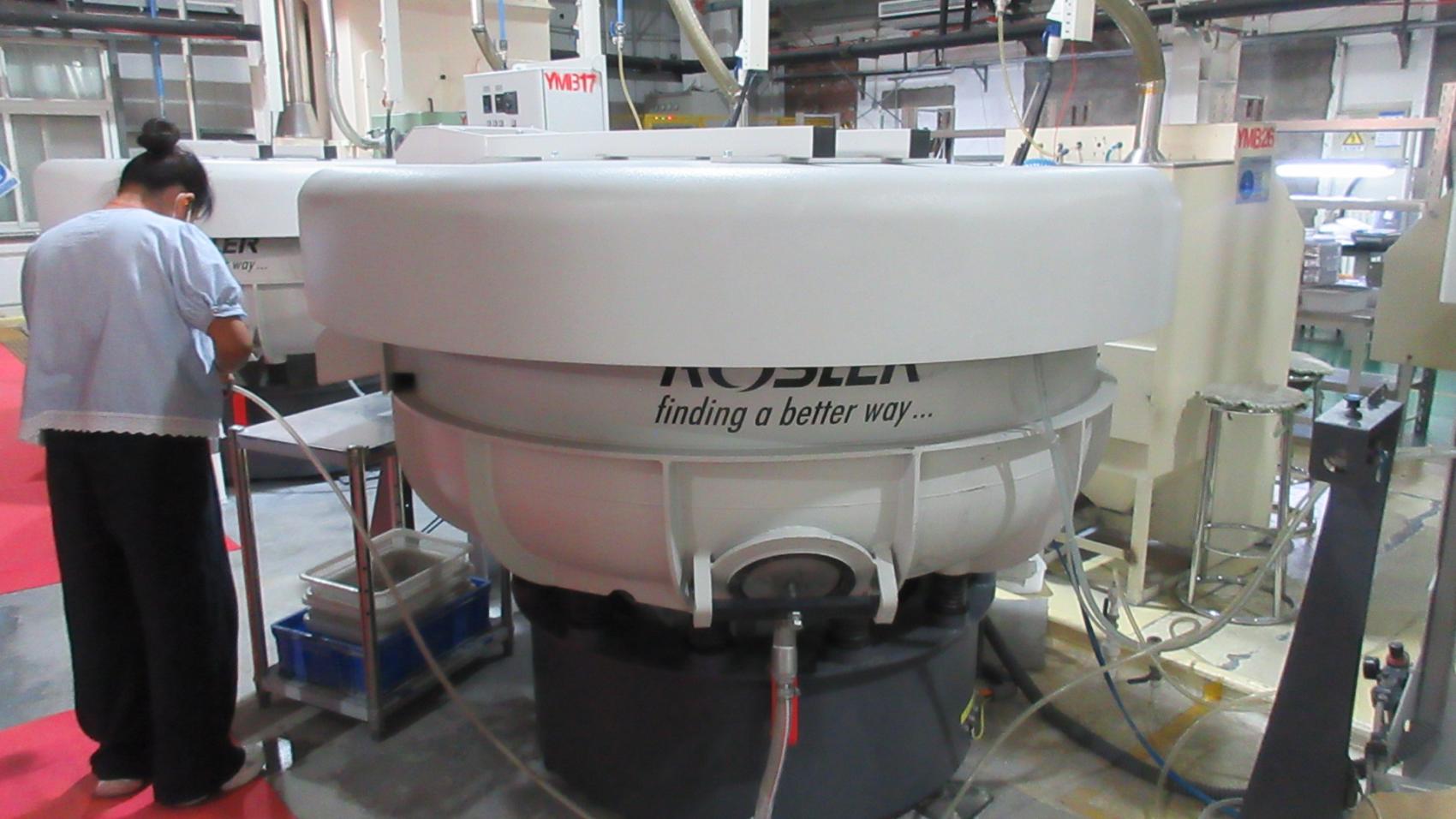
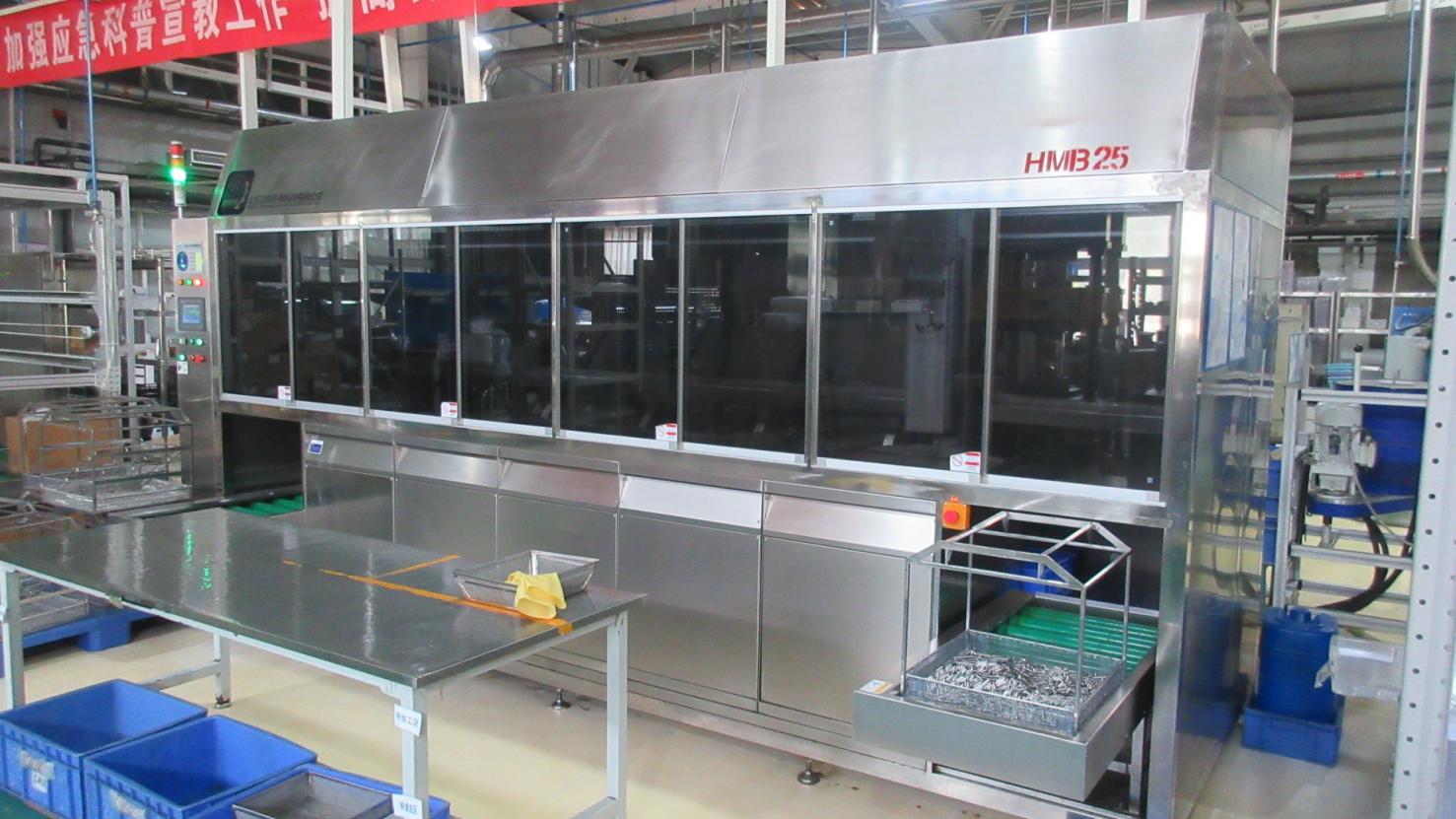
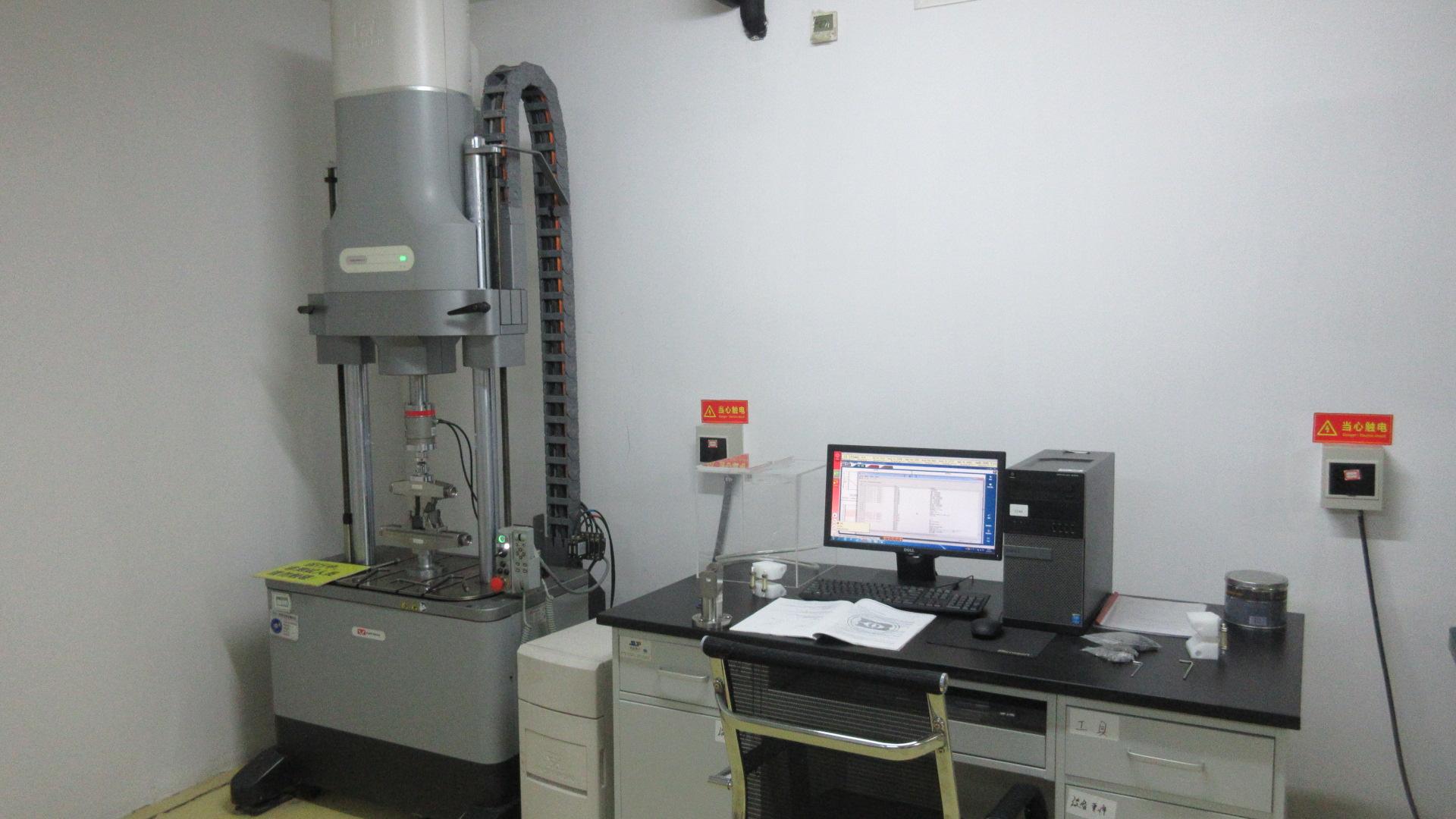
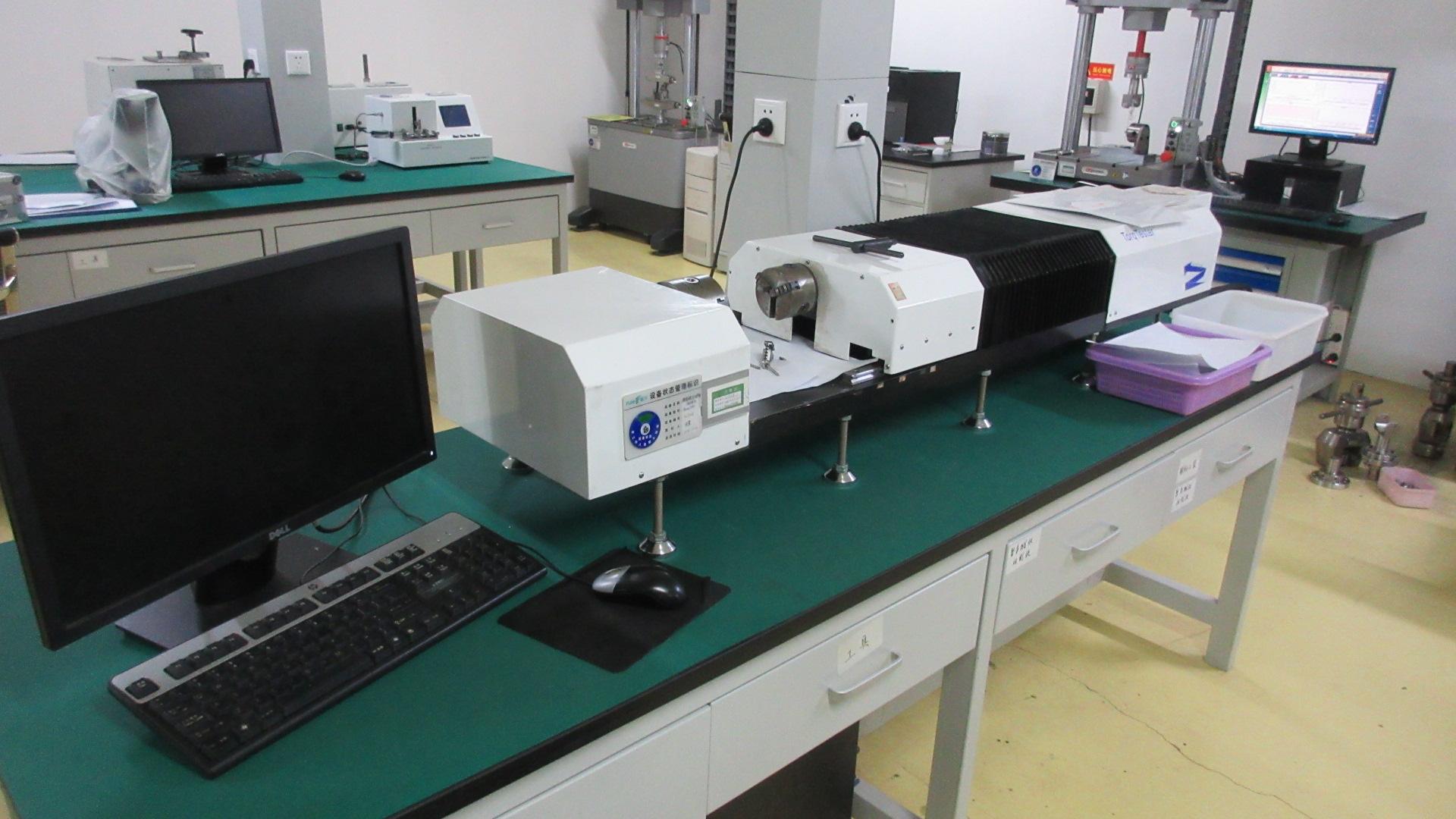
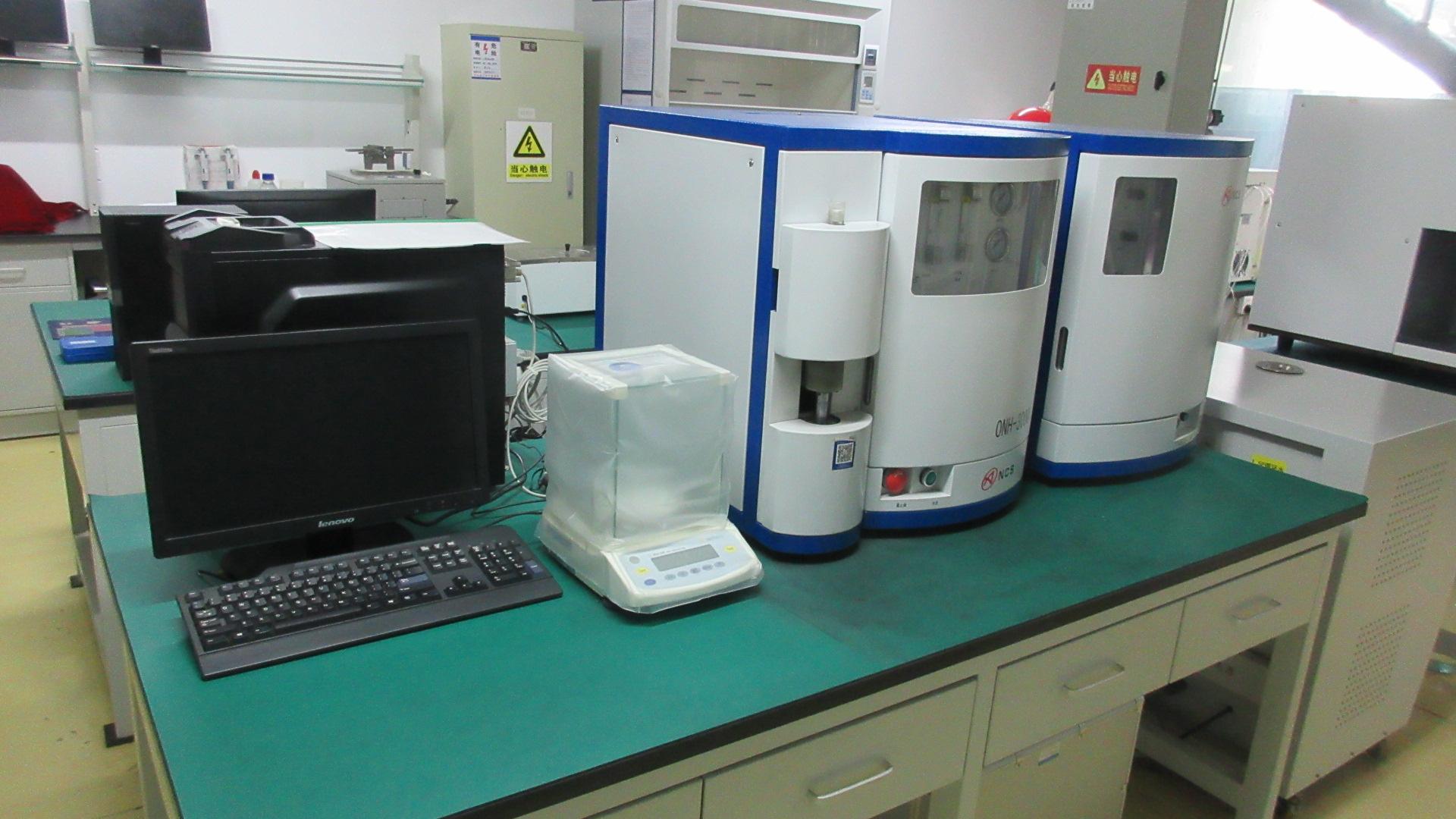
Our operational framework is built on the belief that human life is invaluable. We refuse to compromise on material purity and structural validation.
As a leading Star Export House recognized by the government, we have engineered a global logistics network that exports medical solutions to over 80 countries. Our quality management system complies thoroughly with ISO 9001:2015, EN ISO 13485:2016, CE, and WHO-GMP Compliance protocols. Renowned orthopedic brands and hospitals in Europe and the United States source from our plants, trusting our validation pipelines to deliver implantable hardware that meets rigid patient-safety thresholds.
Our quality control starts directly at the raw material phase. We source ultra-clean medical-grade titanium and cobalt-chromium alloys, validating chemical compositions using state-of-the-art ONH Series Analyzers. Our internal research & development facility features advanced engineering software and mechanical verification machinery (such as fatigue and torsion testers) to simulate physiological cycles, ensuring implants stand up to decades of biomechanical stress.
Optimizing anatomical fit and clinical recovery times across complex orthopedic disciplines.
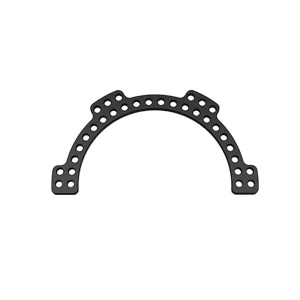
Complex skeletal reconstructions require customized internal fixation plates that align with unique fracture patterns. 3D printing enables the fast fabrication of patient-specific anatomic guides and plates to minimize operating room time.
By incorporating micro-porous structures within interbody fusion cages, 3D printing bridges the gap between mechanical support and cellular ingrowth, boosting fusion success rates in lumbar and cervical spinal procedures.
Anatomically precise cranial reconstructive implants demand complex geometries and ultra-thin profiles. Customized titanium meshes protect vital neural structures while delivering excellent cosmetic symmetry.
Exploring the technological breakthroughs shaping the future of orthopedics.
The convergence of artificial intelligence and additive manufacturing is redefining customized patient care. Generative AI design tools analyze pre-operative CT/MRI scans to autonomously generate optimized implant models. These structures feature stress-adapted lattices, placing material only where structural load is anticipated, reducing excess weight while maintaining structural safety.
In parallel, the industry is transitioning toward bio-active coatings and bio-resorbable materials. Research in 3D-printed ceramic-bioglass scaffolds and magnesium alloys demonstrates the feasibility of temporary implants that dissolve safely as native bone regenerates. Furthermore, localized drug delivery coatings, engineered directly into printed micro-pores, present opportunities to mitigate localized infections and promote rapid local healing.
A structured approach for sourcing managers evaluating global medical contract manufacturers.
Procuring implantable medical products demands deep compliance audits. Sourcing directors must verify and evaluate five core technical pillars:
Critical insights addressing technical, regulatory, and logistics queries for B2B medical sourcing specialists.
Premium trauma and reconstructive hardware designed for durability and clinical success.
 Voila Orthopedic Implants