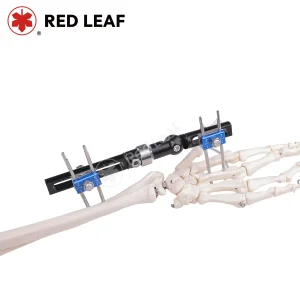
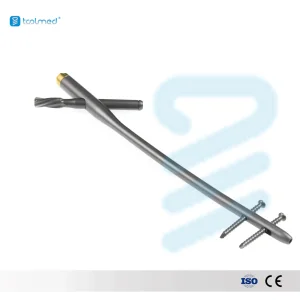
Select orthopedic systems engineered from non-magnetic titanium alloys, engineering thermoplastics, and specialized fixation elements.
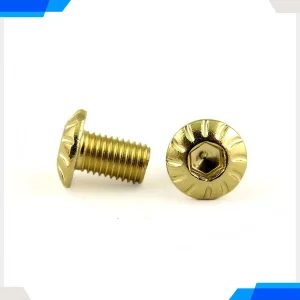
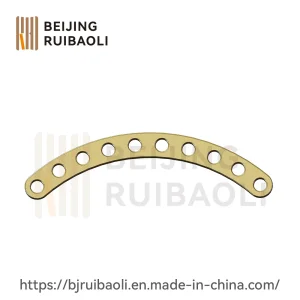
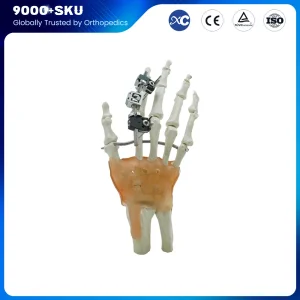
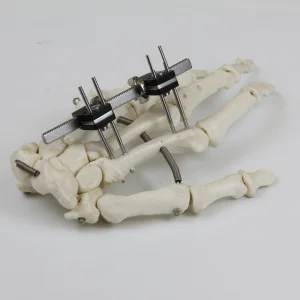
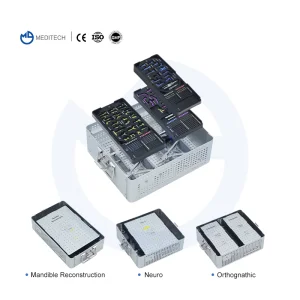
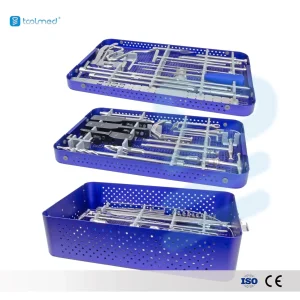
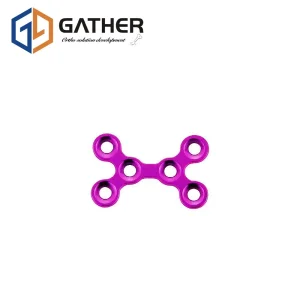
Interference screws represent the cornerstone of biomechanical stabilization in modern sports medicine procedures, particularly for Anterior Cruciate Ligament (ACL) and Posterior Cruciate Ligament (PCL) reconstructions. As a leading China interference screws exporter, our manufacturing processes prioritize bone-implant interface optimization to yield superior primary pull-out strength, reduced graft slippage risk, and biocompatible degradation pathways.
The transition from conventional fixation to bio-inert polymer matrices and bioabsorbable composite systems has redefined clinical outcomes. Mechanical anchoring in bone tunnels demands rigorous thread-geometry optimization. The pitch, depth, and taper angle of our interference screws are systematically modeled using finite element analysis (FEA) to reduce shear stresses on soft tissue autografts and allografts, preventing lacerations while maintaining maximum compressive force.
"Human life is invaluable. Unlike regional distributors who prioritize cost compromises, our engineering teams refuse to lower material purity levels, ensuring every interference screw matches global biomechanical safety standards."
Exporting Countries
ISO/CE Verified Implants
Major Recalls History
Years R&D Leadership
A closer look at how local raw-material integration, advanced processing infrastructure, and strict regulatory alignments shape the export of interference screws.
Our facility utilizes premium Medical-Grade Polyetheretherketone (PEEK-OPTIMA® equivalent) and Titanium alloys (Ti6Al4V ELI). These exhibit exceptional fatigue limits, elastic modulations resembling human cortical bone structures, and complete imaging compatibility for MRI scans, eliminating metallic artifacts during diagnostics.
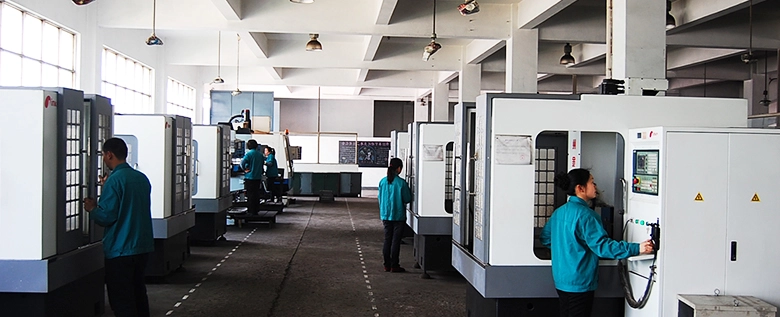
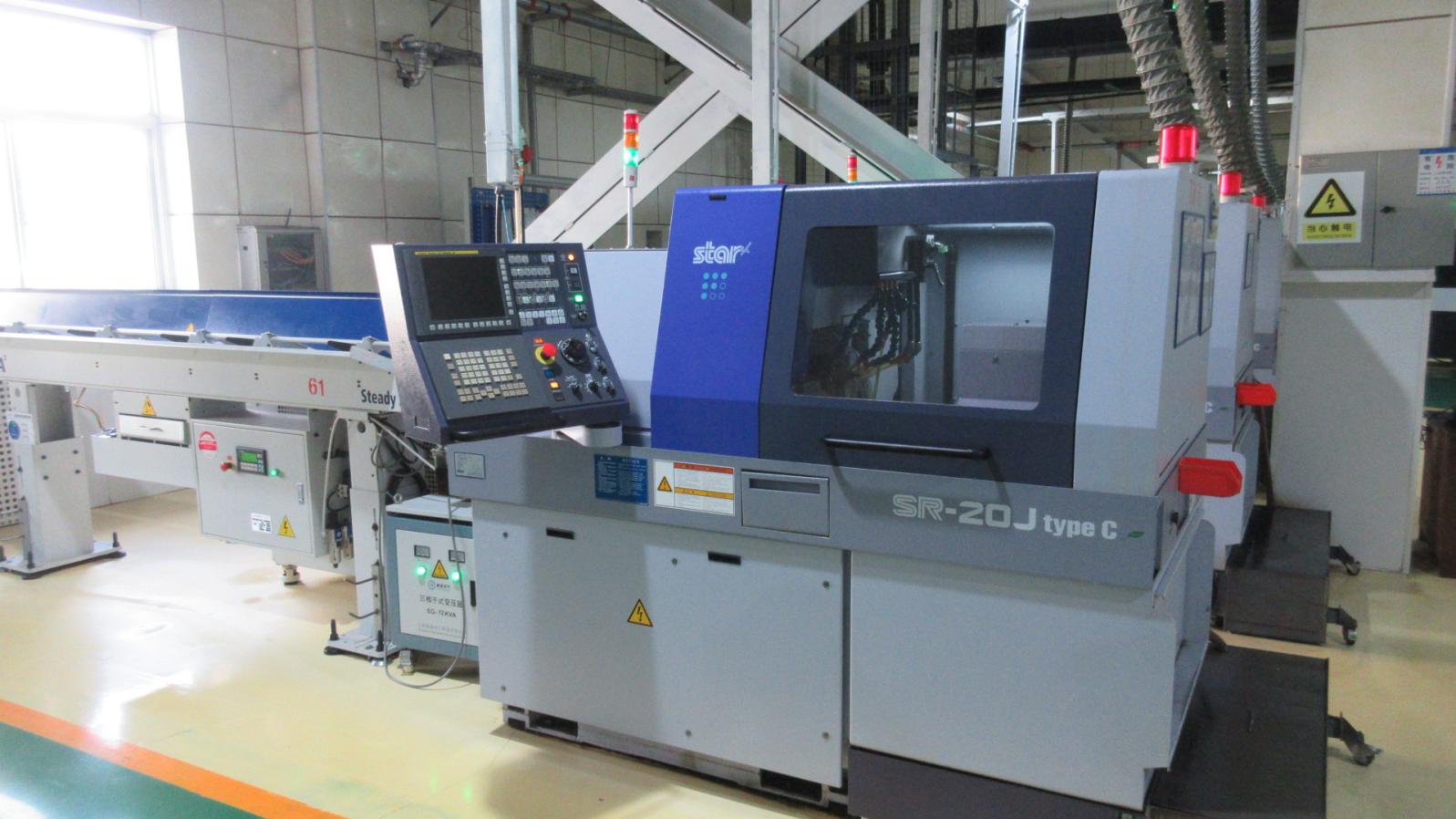
Operating a fleet of advanced multi-axis Swiss-type sliding headstock lathes, we routinely maintain manufacturing tolerances within ±0.005mm. Every thread crest is micro-polished to mitigate micro-motion at the bone-graft interface, preventing inflammatory osteolysis and promoting stable bone ingrowth.
We are a certified Star Export House by the Government. Our quality system strictly operates under ISO 9001:2015, EN ISO 13485:2016, and WHO: GMP compliance. Standardized regulatory filing support (technical dossiers and FDA 510k documentation) speeds up local imports across Europe, Latin America, and North America.
International medical procurement organizations demand complete traceability, sterilization validation, and raw material purity certifications. For major healthcare providers, sourcing interference screws is not merely a purchase; it is an integration into their surgical risk management strategies.
Our OEM/ODM solutions provide full material traceability from the initial raw titanium bar or bioabsorbable polymer pellet to the finished, sterilized device. We perform raw material testing, physical dimension checks, mechanical stress testing, and packaging integrity evaluations. Each production batch contains detailed certificates of compliance (CoC) and material test reports (MTRs) to simplify hospital audits and regulatory inspections.
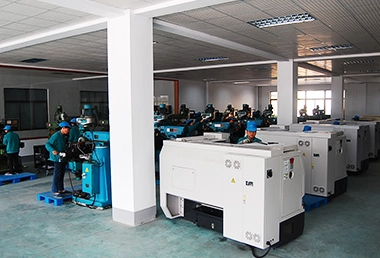
Integrating advanced machining platforms, cleanrooms, and diagnostic tools to ensure every surgical implant meets strict safety tolerances.
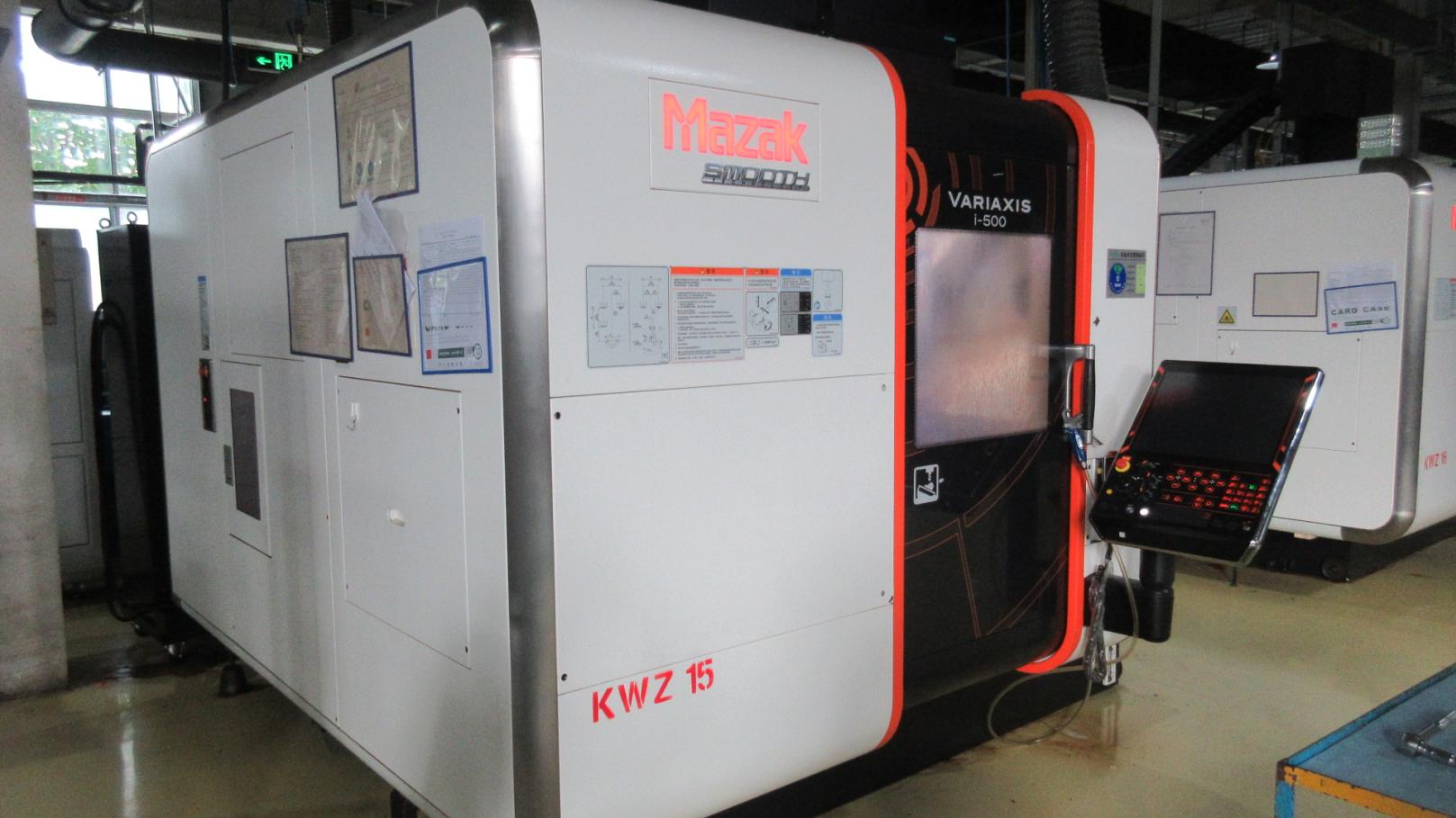
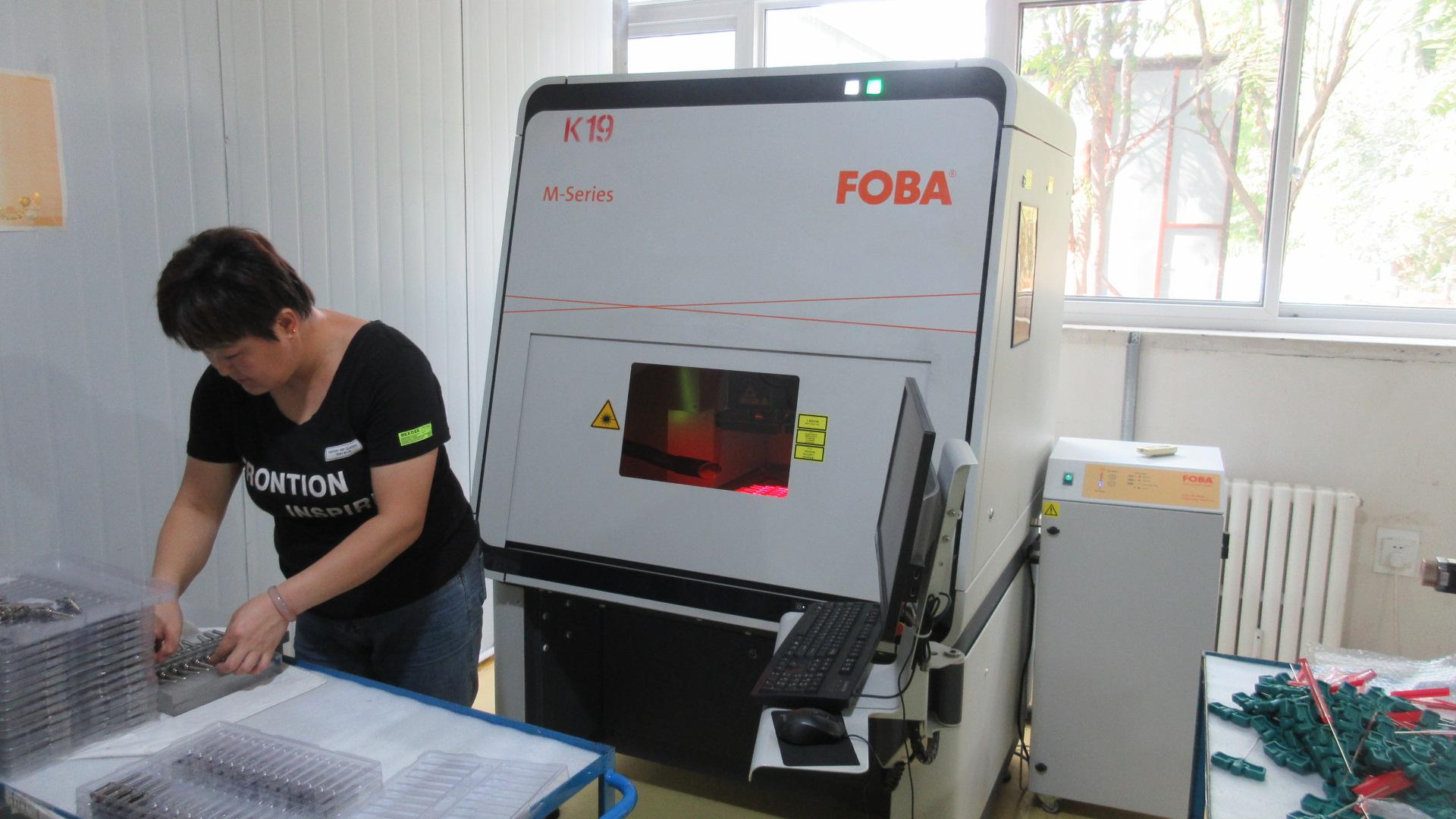
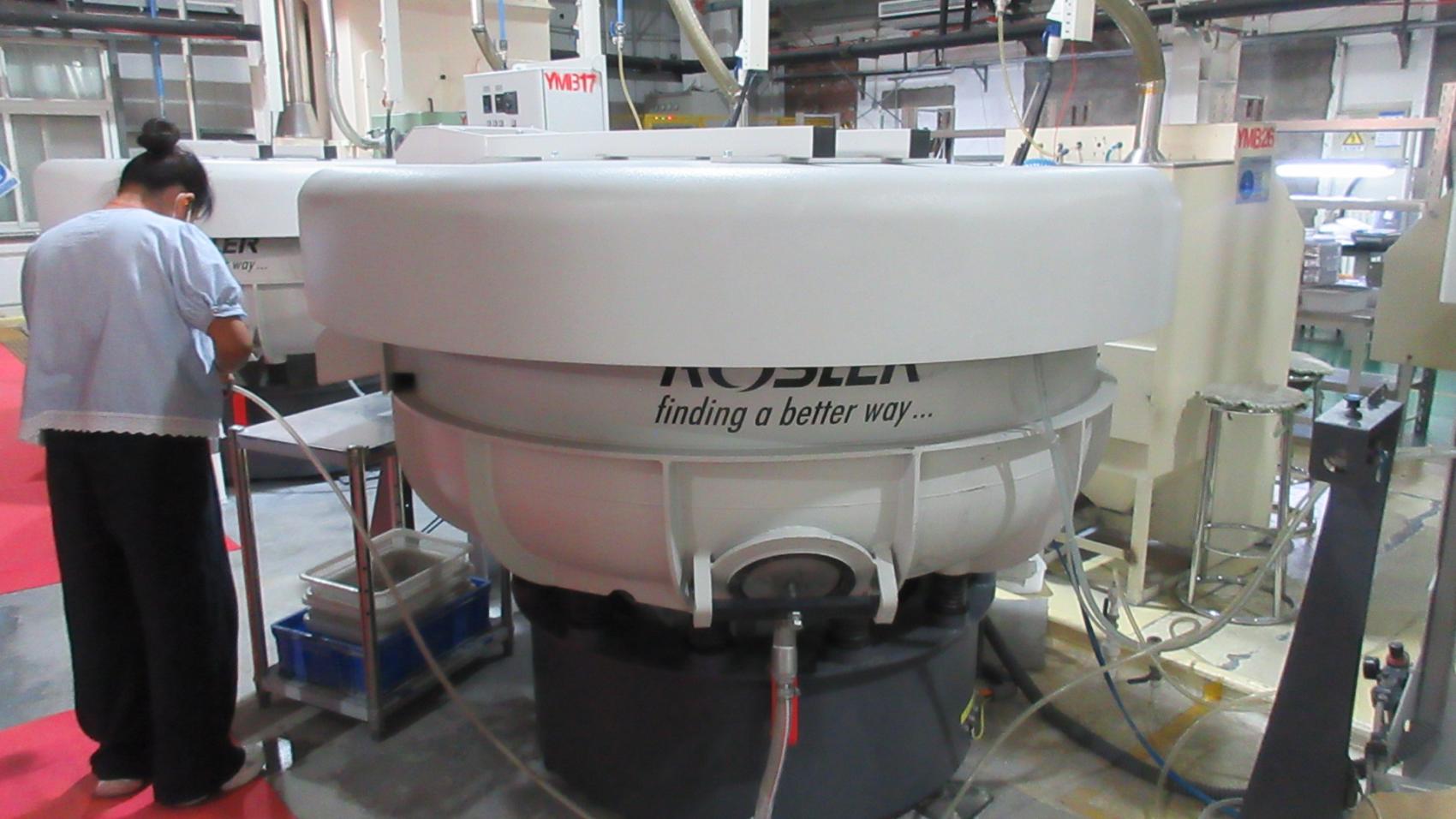
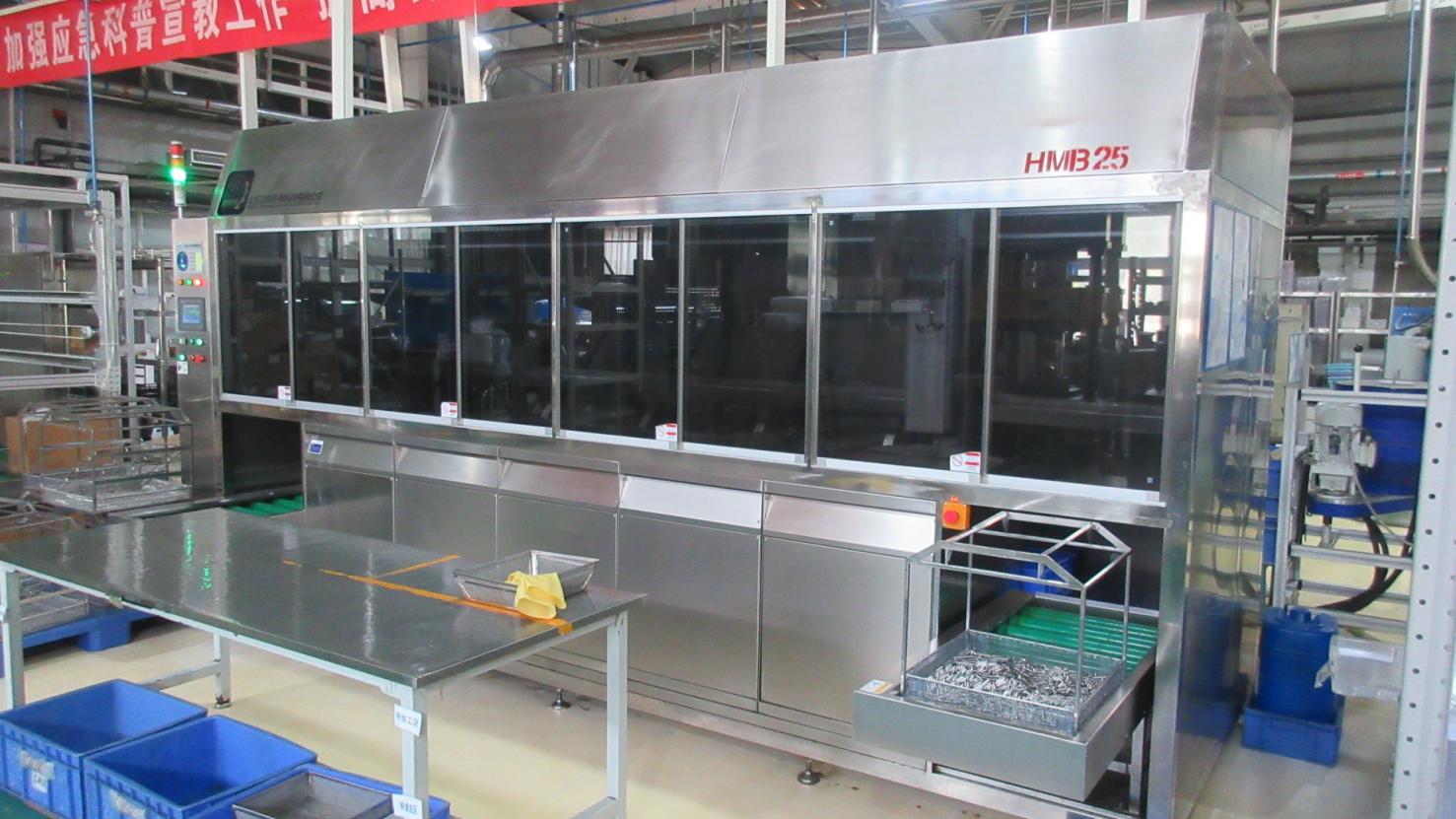
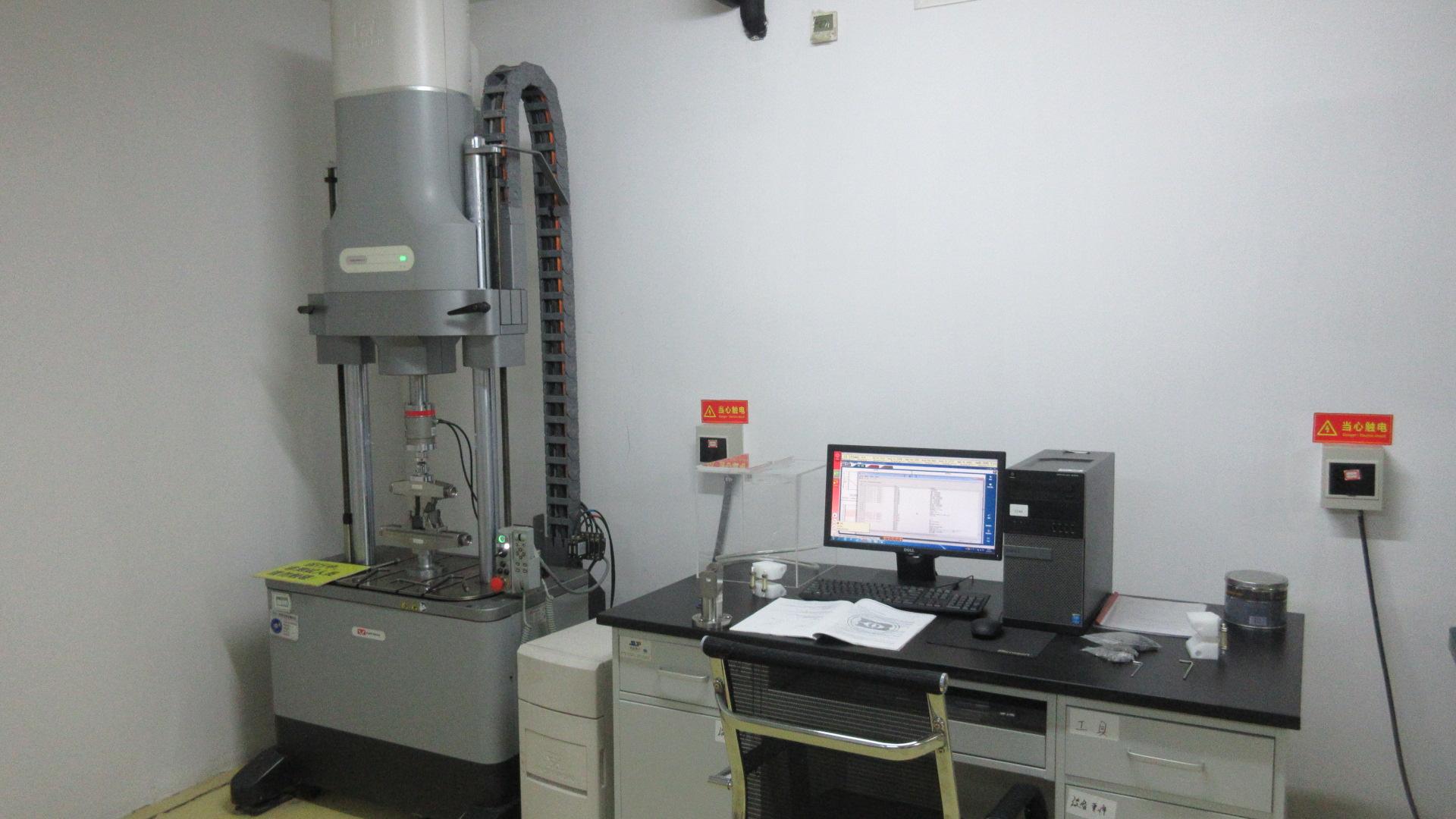
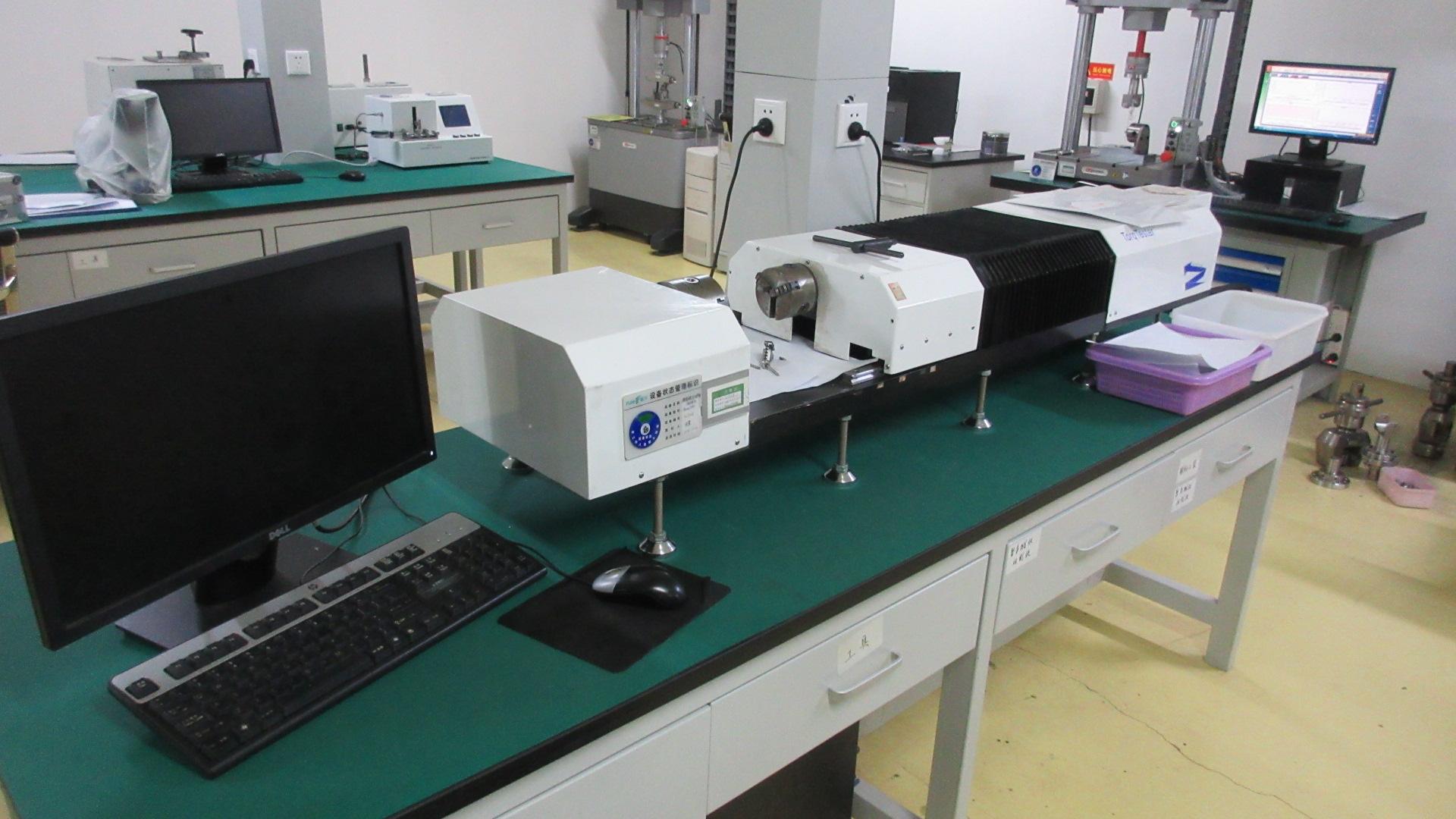
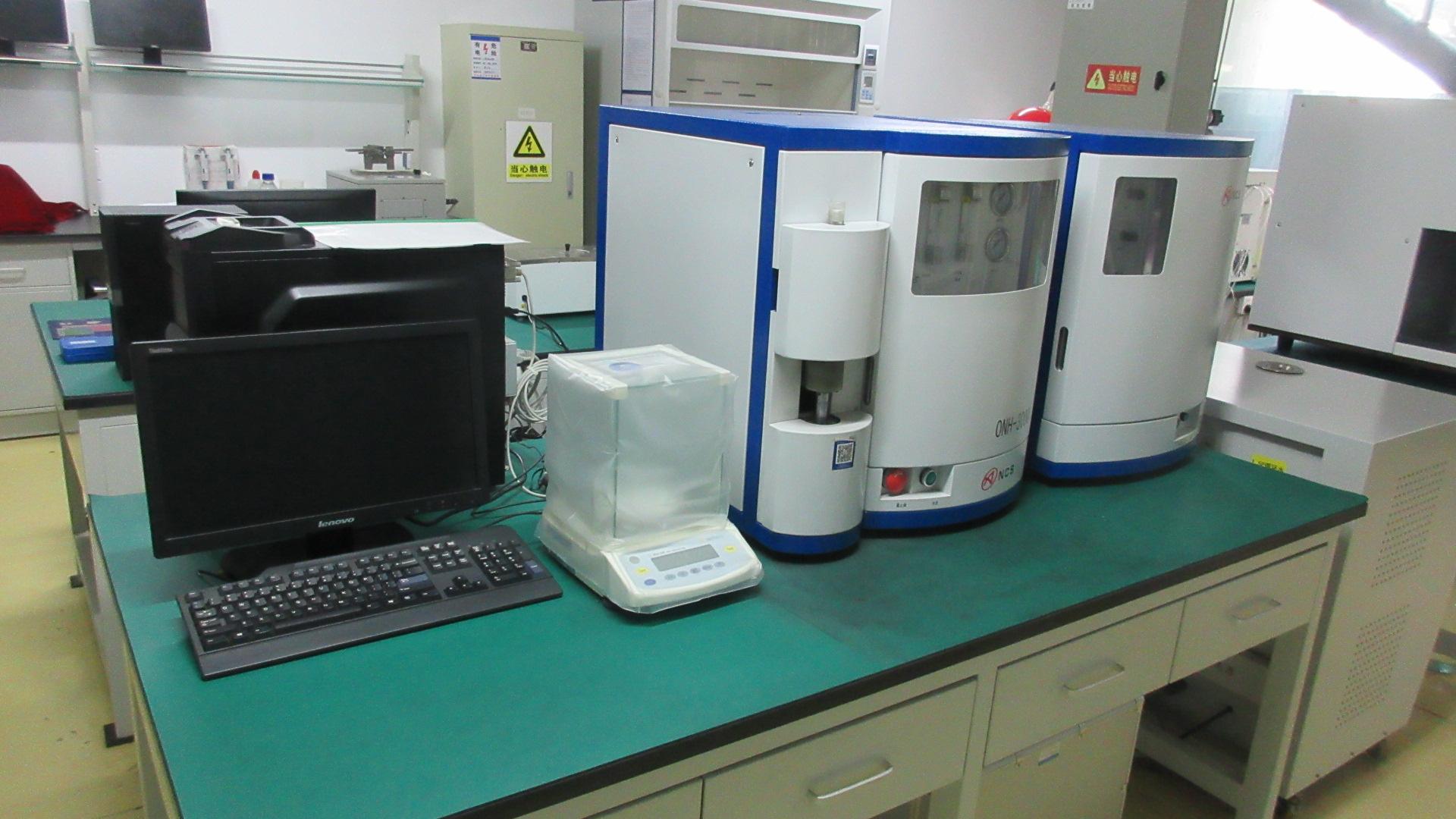
The global orthopedic implant sector is shifting from bio-inert titanium fixation devices toward smart bio-composite materials. Although titanium remains highly reliable for older patients or severe revision cases, younger and more active patients benefit from bioabsorbable designs that degrade into natural metabolic byproducts over time.
We are currently researching next-generation osteoconductive interference screws. By incorporating osteoconductive bioceramics like Beta-Tricalcium Phosphate (β-TCP) or Hydroxyapatite (HA) into a polylactic acid (PLLA/PDLLA) matrix, these advanced implants help guide bone growth into the tunnel as the screw resorbs. This approach reduces the rate of bone tunnel widening, a common issue in knee revision surgeries.
Additionally, modern surgeons increasingly prefer cannulated, hexalobe, or torx-drive interference screws. These designs provide more surface area for driver contact, reducing the risk of screw stripping or driver slippage during insertion into dense tibial or femoral bone.
Detailed engineering answers to frequently asked questions from orthopedic surgeons, procurement officers, and medical distributors.
We manufacture interference screws from Medical-Grade Titanium Alloy (Ti6Al4V ELI) and Polyetheretherketone (PEEK). PEEK is a high-performance thermoplastic with an elastic modulus close to cortical bone. It is radiolucent and does not produce metallic artifacts under magnetic resonance imaging (MRI) or CT scans, allowing for easier postoperative evaluation of the bone tunnel.
Bioabsorbable interference screws made of PLLA, PDLLA, and PLDLA composites resorb via hydrolysis. They typically retain their mechanical fixation strength for 6 to 9 months, providing support while the graft heals within the bone tunnel. Complete metabolic resorption and bone replacement generally occur within 24 to 36 months, depending on the patient's local blood flow and the exact polymer formulation.
Every batch of our implants undergoes torsion testing using specialized equipment to measure maximum torque limits. We design our screws with optimized drive shapes, such as deep hexalobe and star patterns. These designs distribute torque forces evenly, reducing the risk of the driver slipping or damaging the screw during insertion into dense cortical bone.
Yes, we provide OEM and ODM services. We manufacture interference screws in diameters ranging from 6.0 mm to 11.0 mm and lengths from 20 mm to 35 mm. We also design and supply matching, high-precision instrument sets (such as cannulated drill bits, graft sizing blocks, and driver shafts) to ensure system compatibility in the operating room.
All shipments are certified to meet ISO 9001:2015 and EN ISO 13485:2016 standards. We provide complete batch manufacturing records, material analysis sheets (heat trace reports for titanium and raw polymer records), bioburden testing data, and sterilization validation certificates. These documents are designed to meet the import requirements of European and American health authorities.
Our non-magnetic 316L stainless steel standoff screws are manufactured under tight elemental controls to eliminate ferromagnetic impurities. By preventing magnetic attraction and field distortion, these screws avoid creating artifacts in MRI imaging, protecting sensitive equipment and helping maintain clear diagnostic scans.
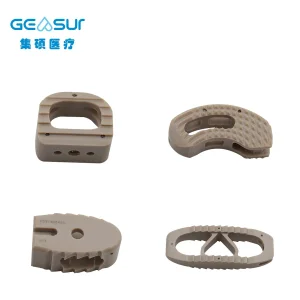
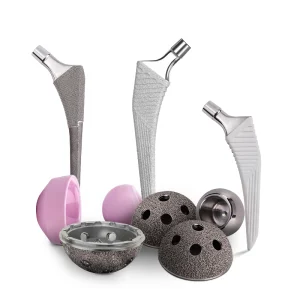
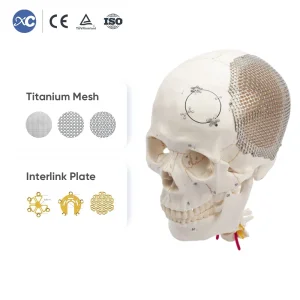
Browse our selection of clinical stabilization devices, including joint reconstruction implants and dedicated trauma instrument sets.
 Voila Orthopedic Implants